



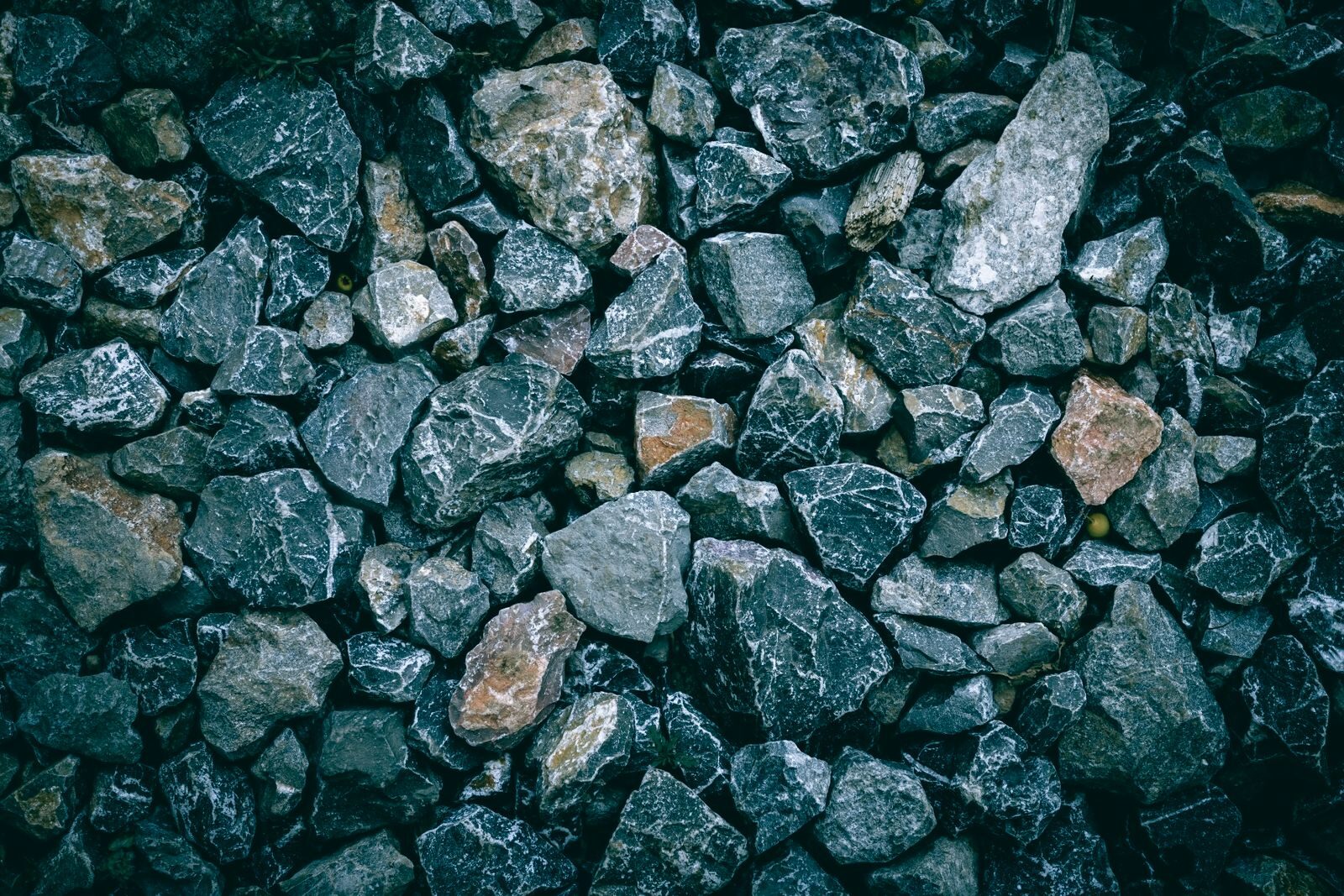
If you spread crushed rock across a field to capture carbon,
What else are you putting into that soil?
That is the question I keep coming back to with enhanced rock weathering. The carbon side gets all the attention, and I have written about how the chemistry works and why proving it worked is so hard. But rock is not pure. When it dissolves, everything in it goes into the soil, the good and the bad. My training was in plant nutrition and in the effects of toxic substances on living systems, so this is the part of the topic I am most equipped to look at squarely.
The simple answer is that it does real good for soil, and it carries a real risk, and the rules that should govern the risk have not been written yet. All three of those are true at once.
The Good: It Feeds the Soil and Cures Acidity
Start with what crushed basalt does for a field, because it is genuinely useful.
When the rock dissolves, it releases calcium, magnesium and potassium. I have said this before, and it matters here too: these are not waste, they are three of the main nutrients a crop needs. So the rock acts as a slow fertiliser as it weathers.
It does a second thing. Weathering consumes acid, which raises the pH of acidic soil. Farmers already spread crushed rock to do exactly this, and they call it liming. Sour, acidic soil locks up nutrients and holds back growth, and raising the pH frees things up. Basalt does the liming job and captures carbon while it does it.
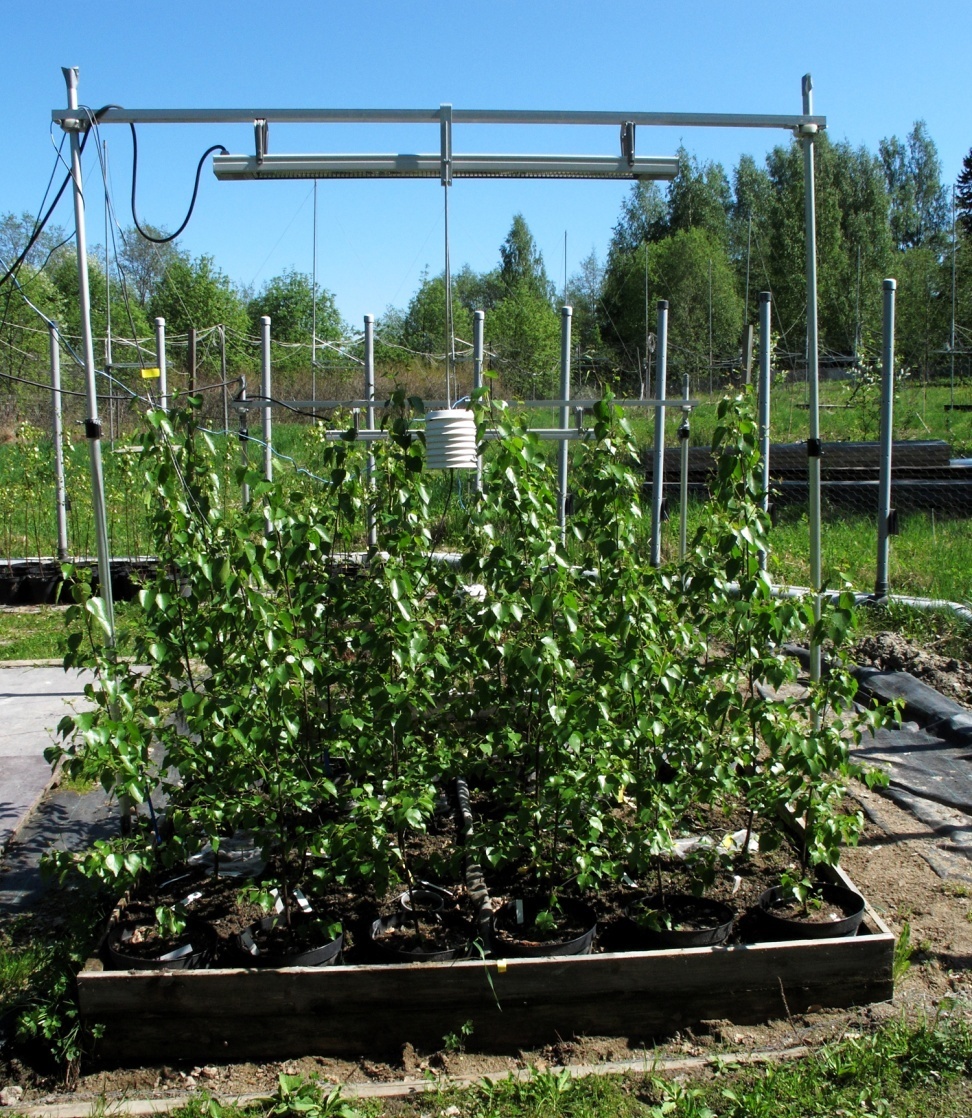
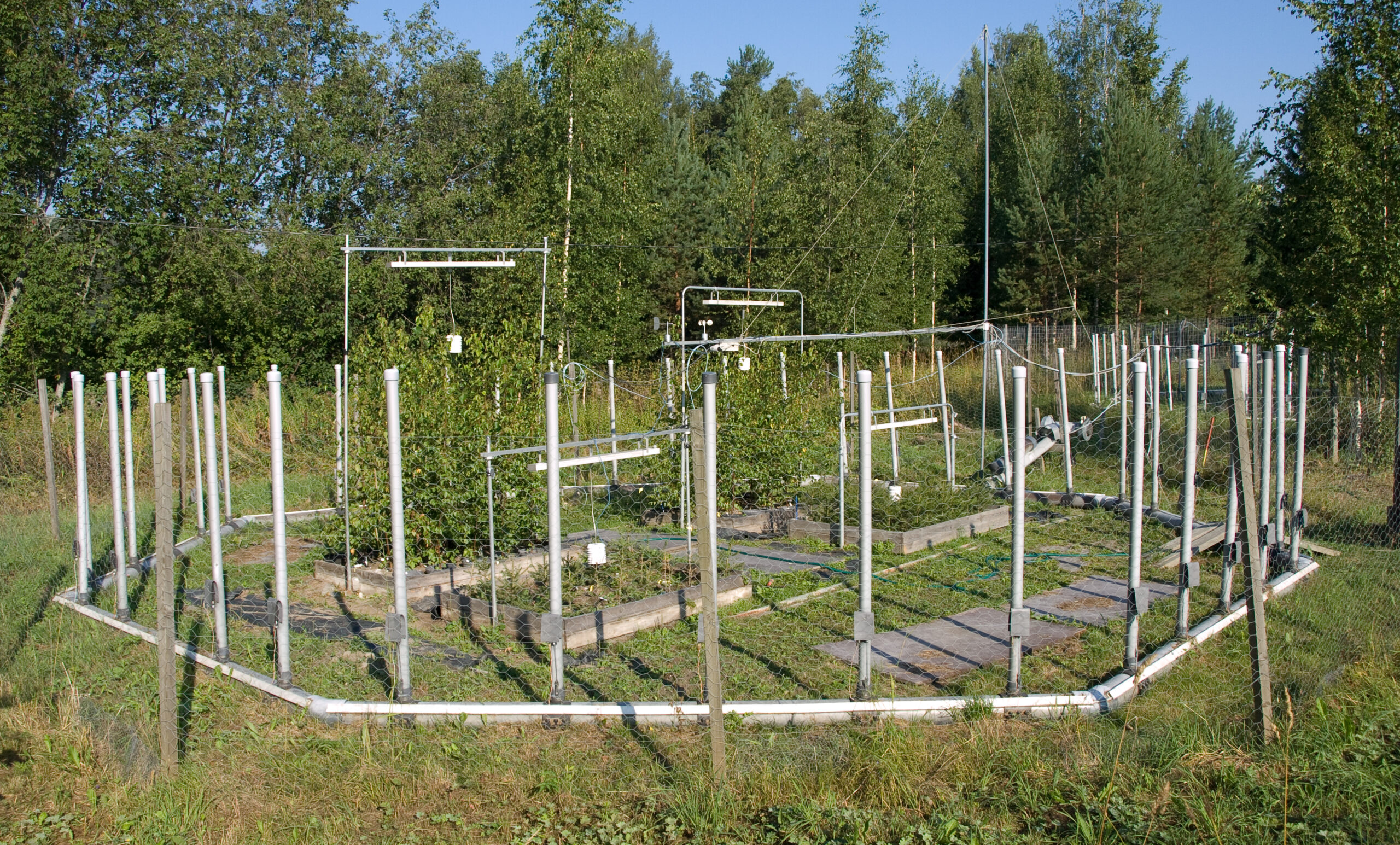
A mesocosm study in Frontiers in Climate lays out the full list of these co-benefits. It reports higher cation exchange capacity, which is the soil’s ability to hold on to nutrients, along with higher crop yields, higher nutrient concentrations in the plants, and countered soil acidification. It even notes better resistance to pests and drought.
Reading that against my own background, none of it surprises me…
Raising pH and adding calcium, magnesium and potassium is close to what a good soil amendment does anyway. What is unusual is getting it as a side effect of a carbon technology. That overlap is the reason I think the idea has real legs, because farmers get something they would want even if the carbon were not being counted.
The Risk: Rock Also Carries Metals
Now the other side, and this is where my risk training makes me careful.
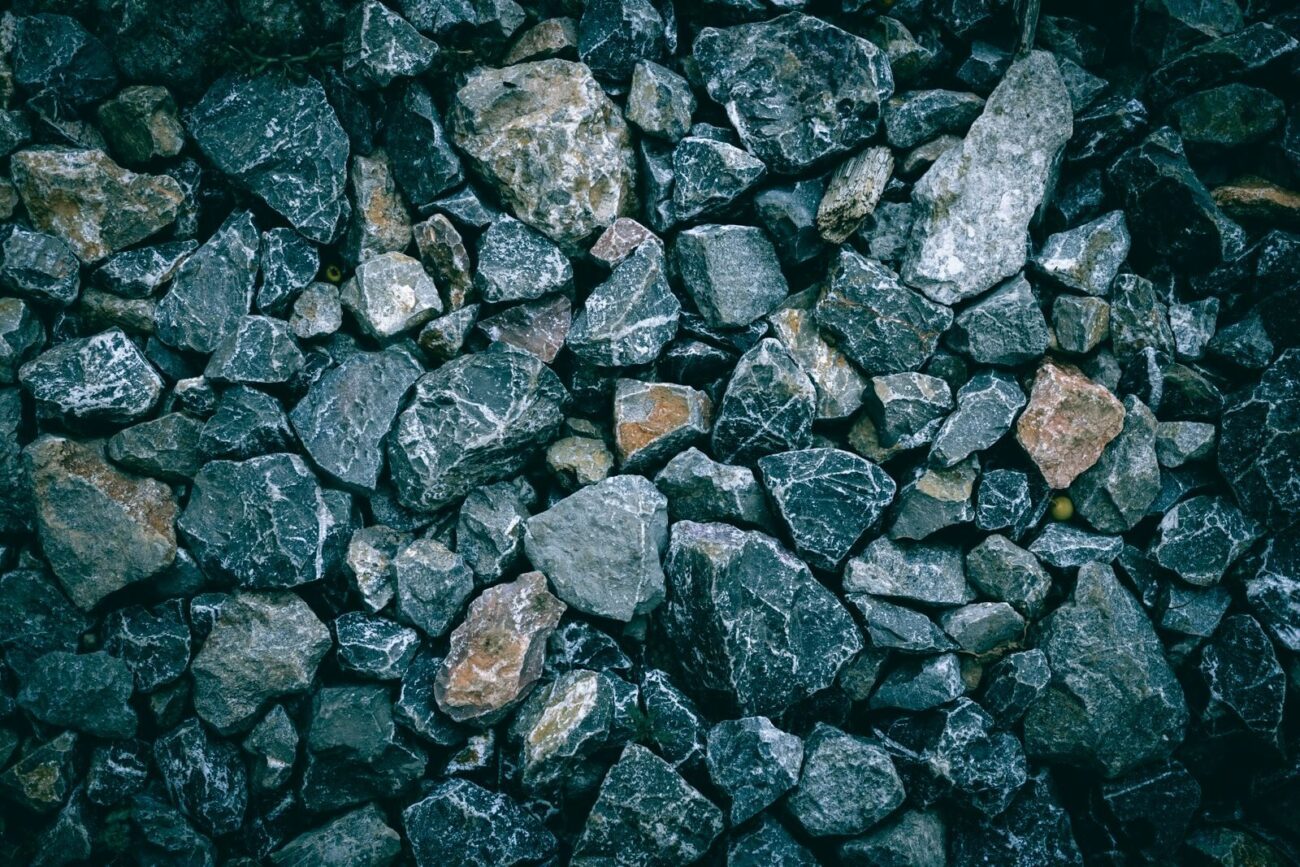
Rock is a mixture. Along with the useful nutrients, silicate rock carries trace metals, and some of those are harmful if they build up. The two that come up most are nickel and chromium.
This is the reason basalt is chosen over other rocks. The first minerals proposed for enhanced weathering were ultramafic rocks like olivine, which weather fast but are heavily loaded with nickel and chromium. Basalt has roughly ten times less. So the field has already moved toward the safer rock.
But less is not none…
A study of spring oat grown on basalt-amended soil makes the balanced point well. In that trial, no toxic elements built up in the grain, and the crop was safe to eat. That is reassuring. But the same work notes that nickel from basalt can still approach or exceed the EU limit for soil improvers, depending on where the rock came from.
So the risk is not in this year’s harvest. It is in slow accumulation. Spread rock on the same field year after year, decade after decade, and the metals that do not wash away or get taken up can build in the soil. The crop can be fine while the soil slowly changes underneath it. That is exactly the kind of slow, invisible process that my background teaches you to watch for, because nothing looks wrong until a threshold is crossed.
Two things soften the risk, and I want to be fair about them…
Most of the metals released tend to bind to the soil rather than move into crops. And a large share stays put: one trial found that almost all the nickel and chromium released from weathering was retained in the soil rather than taken up or leached. So the metals mostly stay in the ground, in the edible crop they mostly do not appear. But “mostly stays in the ground” is a statement about where the metal is, not a guarantee it is harmless there forever.
The Third Risk: Dust
There is one more, and it is not about the crop at all. It is about the air when the rock goes on.
Crushed rock is dust. Spreading it means putting fine mineral particles into the air, and whoever is doing the spreading breathes them. The health effect of mineral dust depends on the particle size and what the rock is made of, and fine particles are the ones that travel deepest into the lungs.
This connects to something I have studied directly, the health effects of fine airborne particles. The carbon accounting for enhanced weathering almost never mentions it, because it is a farm-operations issue rather than a climate one. But it still matters, and a full account should include it. Good handling and protection can solve it, once someone names it.
The Gap: Nobody Has Set the Limits
Here is the part that concerns me most, and it is not the metals themselves. It is that no one has written the rules for them.
The review of enhanced weathering impacts in Environmental Science and Technology is clear-eyed about this. It recommends choosing low-metal feedstocks like basalt over ultramafic rock, and it says project developers should give landowners the full composition of what they are spreading, not just the headline metals but the ones like zinc and copper that could build up over decades. And it states plainly that there is a need for regulation to define how much trace-metal accumulation is acceptable and what the maximum concentrations should be.
That regulation does not exist yet, at least not as a settled standard for spreading rock powder on farmland at scale.
Sit with what that means. Rock is going onto fields now, sold as carbon removal, and the framework for deciding how much is safe over the long term is still being argued about.
I am not saying that makes it dangerous. Basalt is the low-risk choice, the crop evidence is reassuring, and the metals mostly stay bound. I am saying that “probably fine” is being tested on real farmland ahead of the rules, and my instinct from risk assessment is that the rules should lead, not follow.
What I Take From It
Enhanced rock weathering is not a con, and it is not a menace. It is a useful soil treatment that also captures carbon. It carries a slow risk, that risk can be managed, and the limits for it have not been set yet.
If someone asked me for advice, I would say three things. All three come from the measurement and risk side, not the market side.
Know exactly what is in the rock before it goes on the field, metals included.
Choose basalt, or another low-metal rock, over the fast-weathering high-metal ones.
And keep testing the soil over the years. The risk here is not sudden. It builds up slowly, and slow risks are the ones people stop checking for too soon.
The benefits are real. The risk is real, and mostly manageable. What is missing is a clear limit on how much is safe. I would rather see it set before the fields fill up than after.