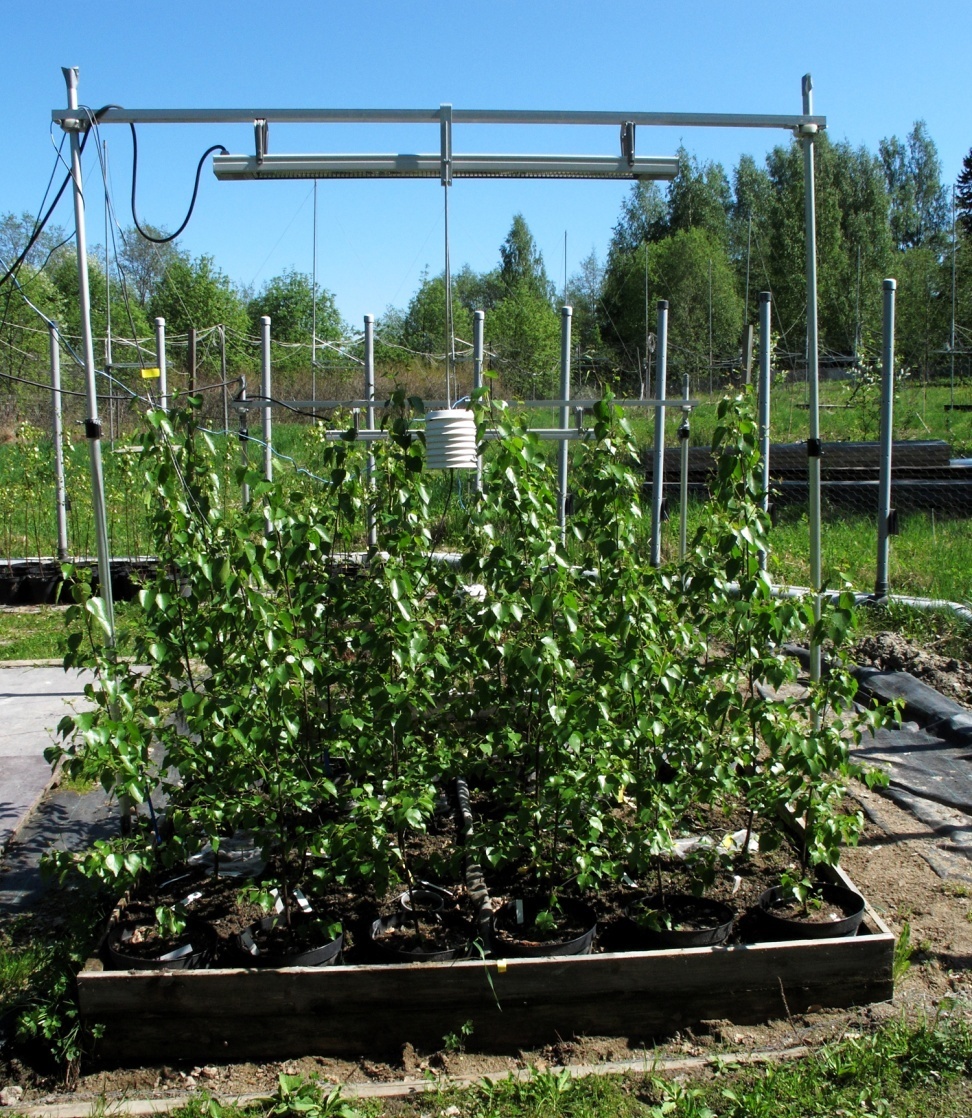
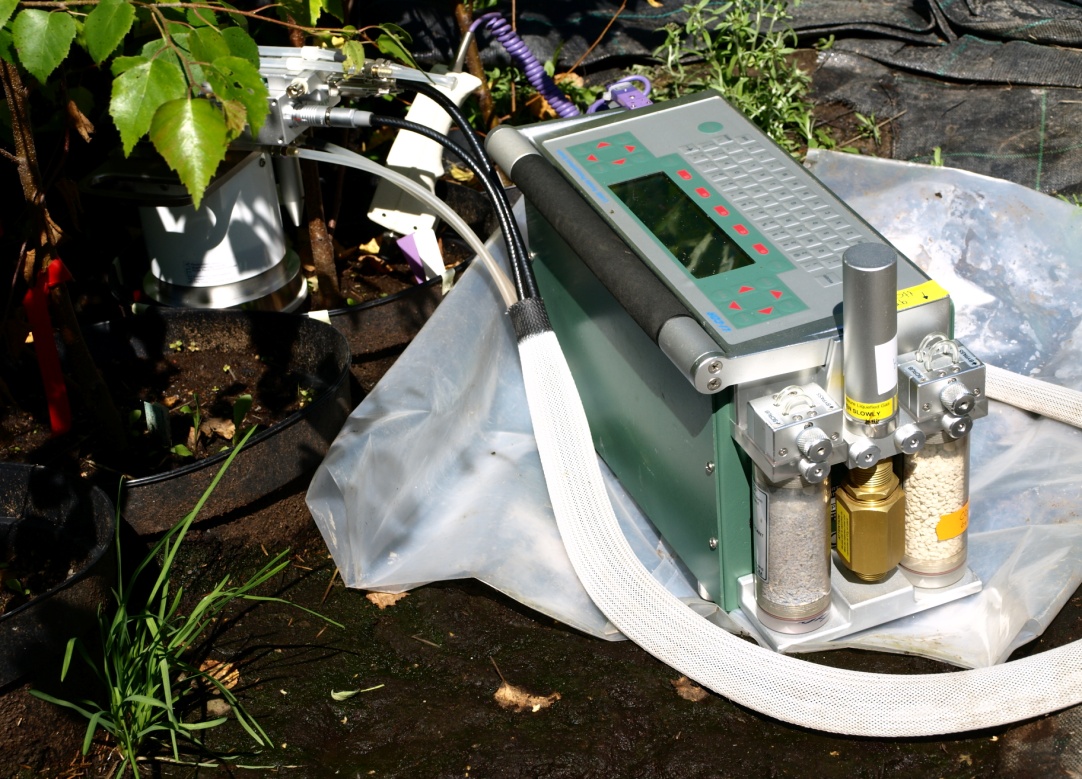
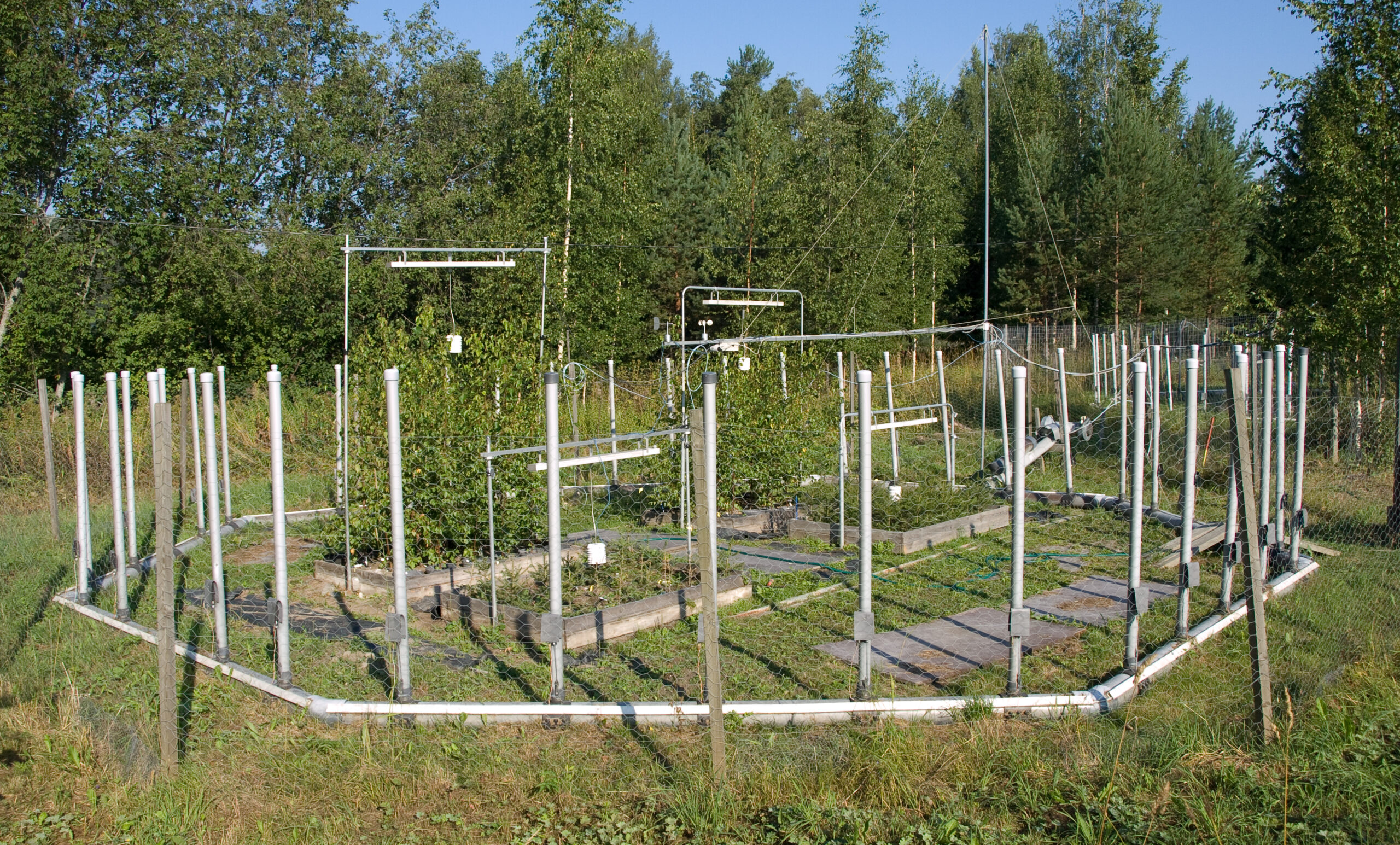
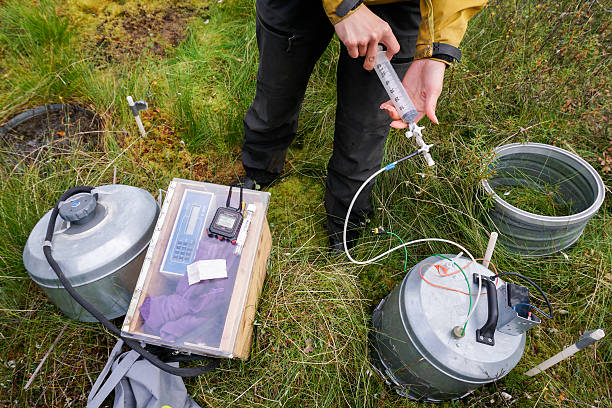
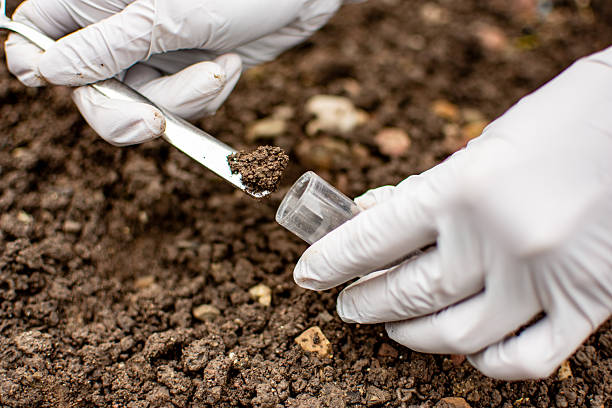



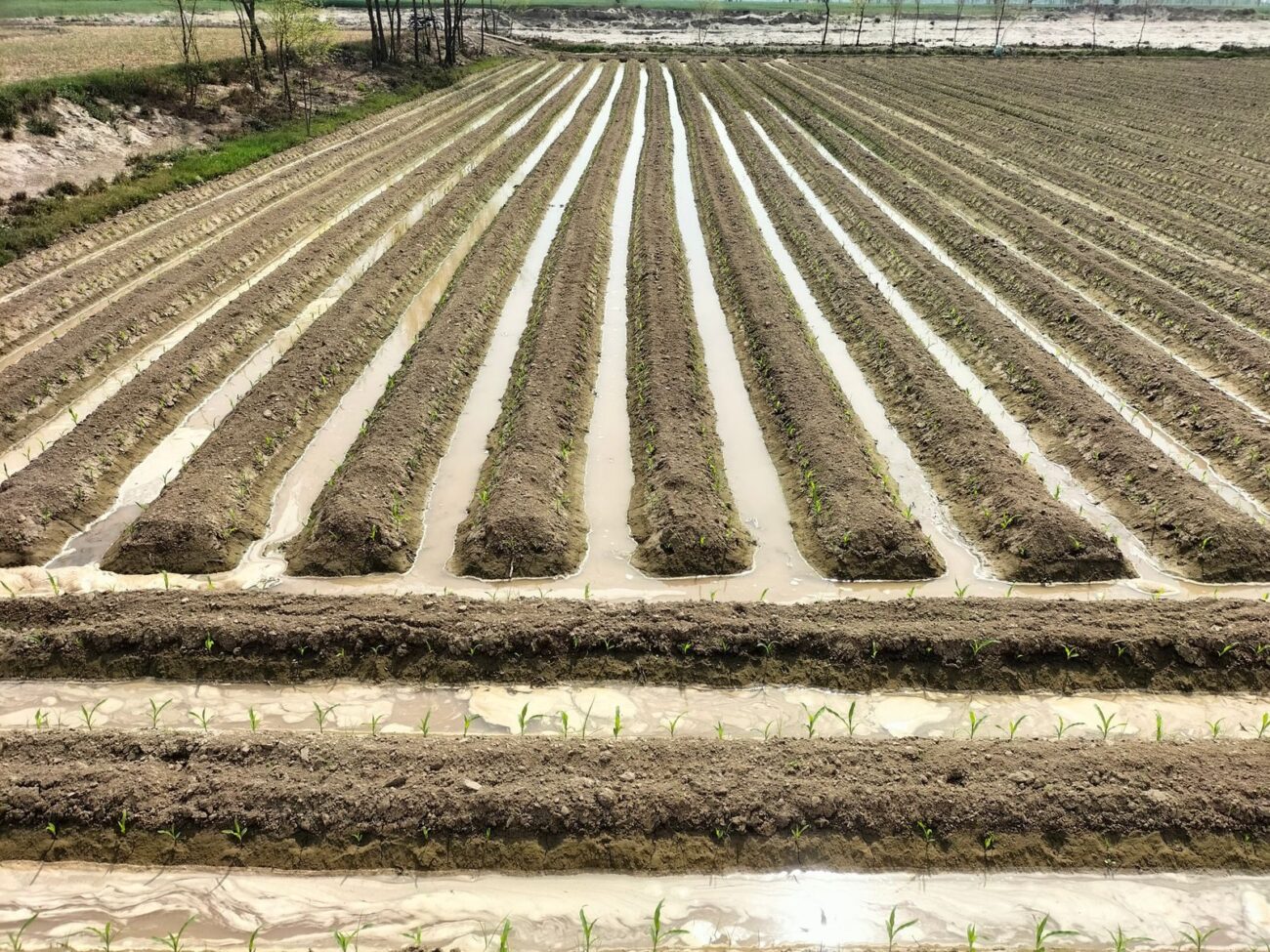
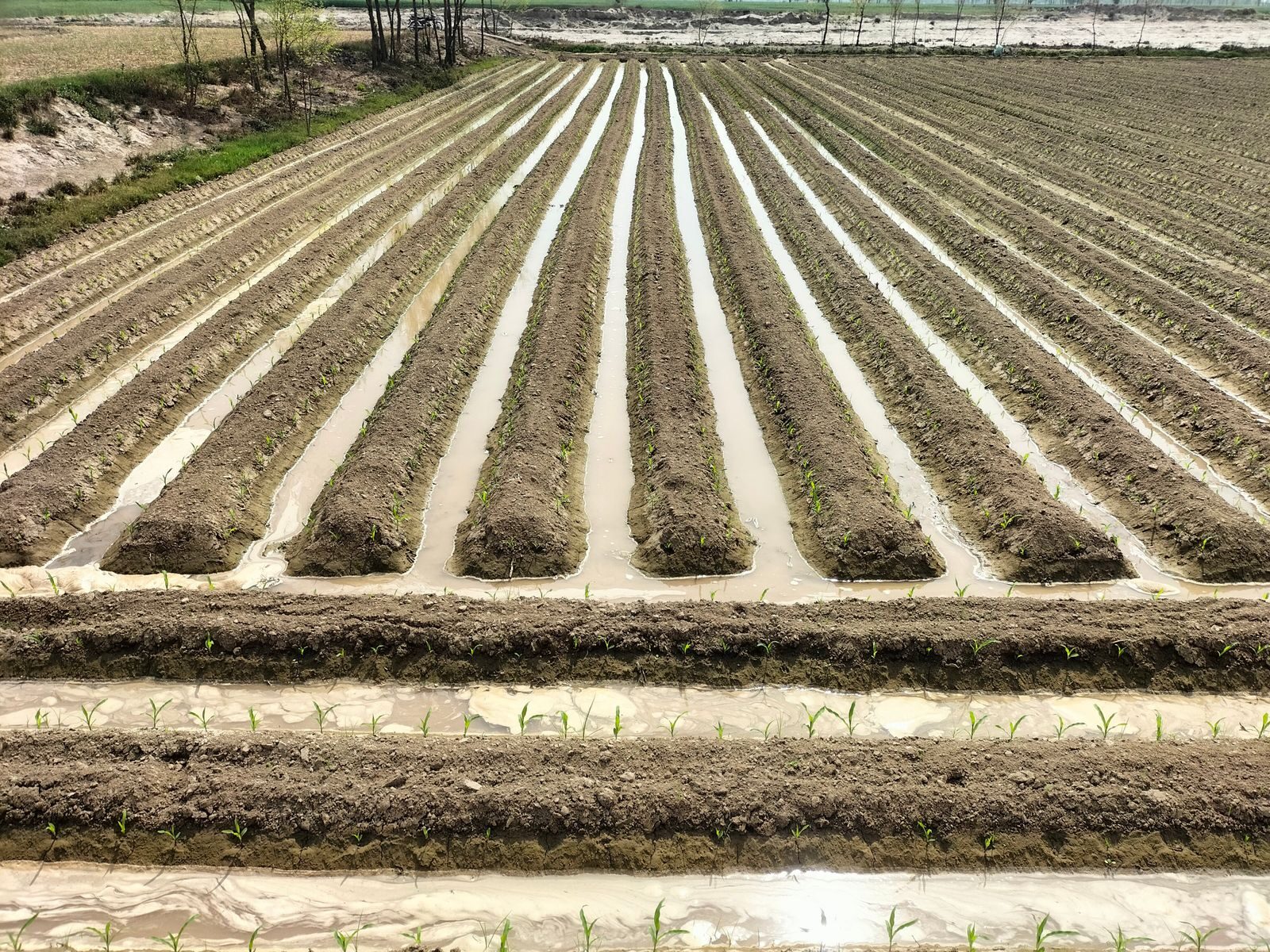
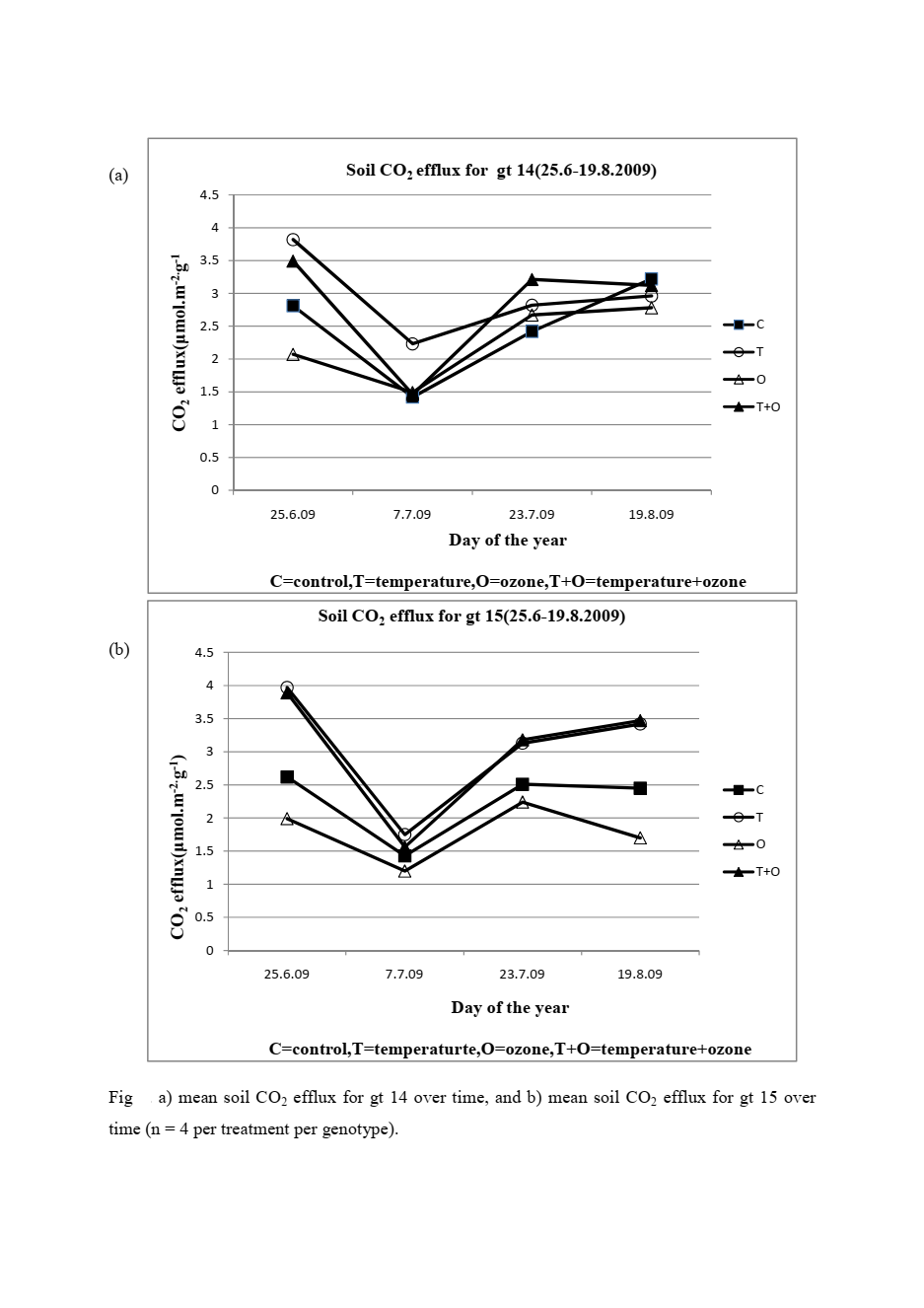
For a season, I measured the carbon dioxide coming out of soil.
You place a sealed chamber on the ground. It covers a known area. Inside it is a known volume of air. You close it, and the amount of CO₂ inside rises as it comes out of the soil. From that rise you work out the rate.
This is the easiest version of this kind of measurement. The area is fixed. The volume is known. The gas has nowhere to go but into the chamber. And it was still work to get a reading I trusted. You wait for the value to settle. You check the seal. You take it again.
I start here because enhanced rock weathering asks you to measure something close to this, with every one of those advantages removed.
Enhanced rock weathering is the practice of spreading crushed rock on farmland to remove CO₂ from the air. I have written separately about how the chemistry works. The short version is that rain and rock react, and the carbon ends up in a dissolved form called bicarbonate, which washes away in water.
The chemistry is sound. Proving it happened, on a real field, in an amount you could sell, is the hard part.
There Is No Chamber
Go back to my sealed chamber. It works because of the seal. Everything that leaves that patch of soil goes into a closed box, and I can measure it.
Rock weathering has no box.
The captured carbon does not stay put, and it does not leave as a gas you can trap. It leaves as bicarbonate dissolved in water. That water drains down through the soil, and sideways, and away into groundwater and ditches and streams. It leaves in every direction, slowly, over months and years.
There is nowhere to put the chamber. No single place the carbon passes through on its way out. To catch it you would have to sample water everywhere it might leave, at every depth, in every season.
This is called an open system, and it is the centre of the problem…
A Frontiers review of weathering measurement makes the point that the carbon ends up stored mostly in the ocean, far from the field it was removed above, with losses possible along the route. You are measuring something that has already left by the time it is stored.
The Signal Is Smaller Than the Background
There is a second problem, the same one that makes ordinary soil carbon hard to measure.
The amount of bicarbonate that weathering adds to the water is small. The amount of dissolved material already moving through the soil is large, and it changes all the time. It comes from rain, from the soil’s own minerals, from fertiliser, from everything else.
So the change you want to measure is small, and it sits inside a much larger amount of natural variation.
The Frontiers field trial in Scotland states this plainly. To measure the extra bicarbonate from weathering, you compare treated fields against untreated ones, which means finding fields alike enough to compare. And even then, the report says, the background variation is often too high to pick out the small change you are looking for.
This is the same difficulty I have described for soil carbon. The change is real, but it is smaller than the natural variation around it. Here it is harder again, because the thing you are measuring is not sitting in the ground. It is dissolved in moving water.
The Obvious Shortcut Does Not Work Either
If you cannot easily catch the bicarbonate, there is an obvious thing to try instead. Measure the metals.
When the rock weathers, it releases calcium, magnesium and potassium along with the bicarbonate. These come out in step with the carbon capture, so measuring them should tell you how much weathering has happened. It sounds like a clean shortcut.
It is not, and this is where my plant training tells me to be careful.
Calcium, magnesium and potassium are not only markers. They are plant food. They are three of the main nutrients a plant takes from the soil to grow. Magnesium sits at the centre of chlorophyll. Potassium runs the water balance in every cell. Calcium builds cell walls.
So a plant takes up part of the calcium, magnesium and potassium as soon as the rock releases them. The soil holds onto more. Other chemicals in the soil swap places with the rest.
The Frontiers review notes that a tracer only works if it stays put and moves as you expect. These nutrients do not. You measure how much came out of the rock, and a plant has eaten part of the answer, the soil has held part, and an exchange has moved the rest, all before it reached your sampler.
The number that was supposed to tell you about carbon has been changed by three processes that have nothing to do with carbon.
Why This Matters More Than It Sounds
None of this says the carbon is not removed. The rock weathers. The bicarbonate forms. Over long time and distance, the carbon ends up stored.
It means the number attached to a particular field, in a particular year, is hard to establish. And that number is the thing being sold.
I came at this from the measurement side, not the market side. When someone gives me a figure, my first question is how they got it. With my sealed chamber I could answer that fully. I knew the area, the volume, the rise, the checks. With enhanced rock weathering, the honest answer to “how do you know” is a chain of estimates about water you did not fully catch and metals a plant ate on the way out.
This does not make it a bad idea. The chemistry is real, and the benefits for farmers are real. It makes it an idea whose proof is harder than its practice.
So when you read that a field removed twenty tonnes of carbon through rock weathering, ask how they know. The answer is more complicated than the number makes it look.
The next piece steps back from rock weathering to the idea underneath it: why open systems, the ones with no chamber and no boundary, are harder to measure than closed ones.