



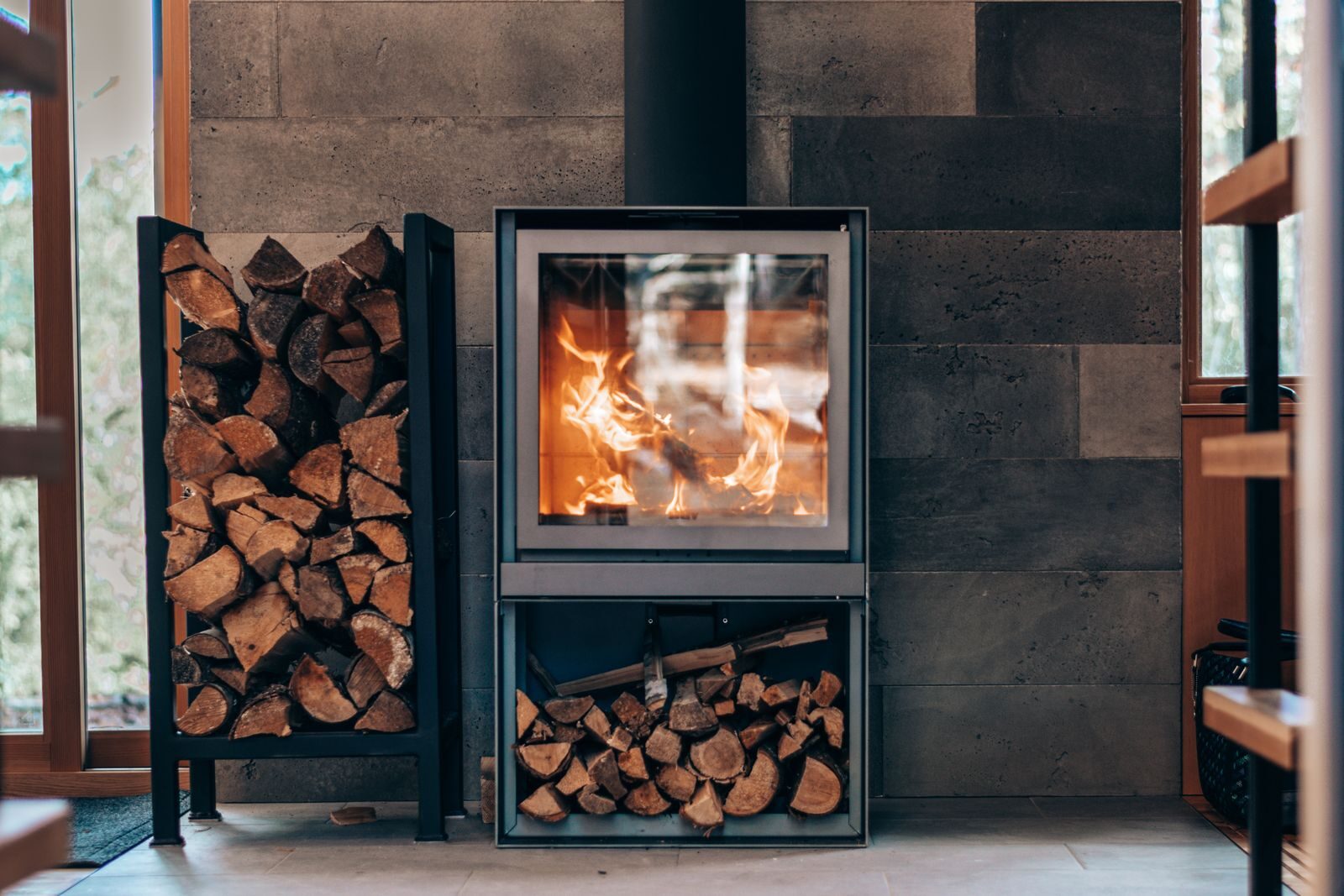
Wood feels like the greener choice. It is natural, renewable, and grows back, while gas is a fossil fuel pulled from the ground. So burning wood must be better for the planet than burning gas. That is the assumption, and it is where the story gets more complicated than most people expect.
I have a background in biogeochemistry, the study of how carbon moves between living things, the soil, and the air. So this is a question I can look at from the carbon side rather than the marketing side.
Wood can be better than gas, but it is not automatic. It depends heavily on where your wood comes from and how you burn it. Let me walk through what the science says.
The Awkward Fact: At the Point of Burning, Wood Releases More CO₂
This surprises people, and it is not really disputed: when you burn wood, it releases more carbon dioxide per unit of heat than gas does.
Wood is less energy-dense than gas, holds more moisture, and contains less hydrogen, so to get the same amount of heat you release more CO₂ at the point of combustion. Analyses of power stations show biomass burning emits roughly 300 to 400 percent the CO₂ of natural gas per unit of energy produced at the smokestack. So on the day you burn it, wood is not the cleaner fuel. It is the higher-emitting one.
If that were the whole story, wood would clearly lose. But it is not the whole story, because of what happens before and after the burning.
Why Wood Can Still Come Out Ahead: The Carbon Cycle
The argument for wood rests on the carbon cycle, and it is a real argument, just a conditional one.
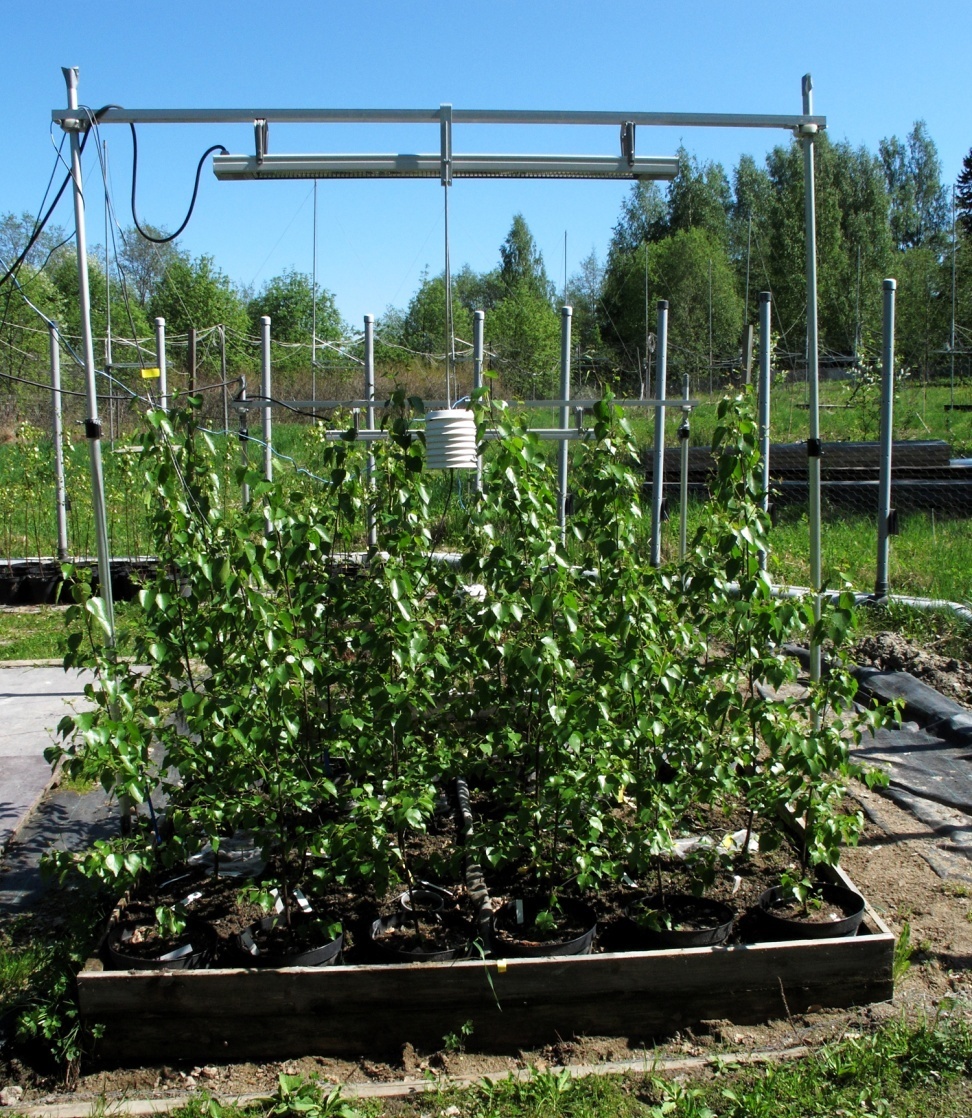
A tree spends its life pulling carbon dioxide out of the air and building itself from that carbon. When you burn the wood, you release that carbon back.
If a new tree grows in its place and absorbs the same amount of carbon again, then over the full cycle the wood is much closer to carbon neutral, because the CO₂ released was recently taken from the air, not dug up from underground where it had been locked away for millions of years like gas.
That is the main difference from gas…
Gas adds ancient carbon to the atmosphere that was safely stored underground. Wood recycles recent carbon that was in the air a few decades ago. In principle, if the forest regrows, wood’s carbon goes round in a loop while gas’s carbon is a one-way addition.
Why Timing and Source Change Everything
This is where a lot of “wood is green” claims fall apart. The carbon cycle only balances if the wood is genuinely replaced, and the timing is critical.
The regrowth is not instant.
It takes seconds to burn a log and decades to grow a replacement tree back to the same size. During those decades, the carbon you released is sitting in the atmosphere warming the planet. Scientists call the time it takes for regrowth to cancel out the emissions the “carbon payback period,” and for slow-growing trees it can run to decades. Whether wood helps or harms within a timeframe that counts for climate change depends entirely on that payback period.
The source is everything.
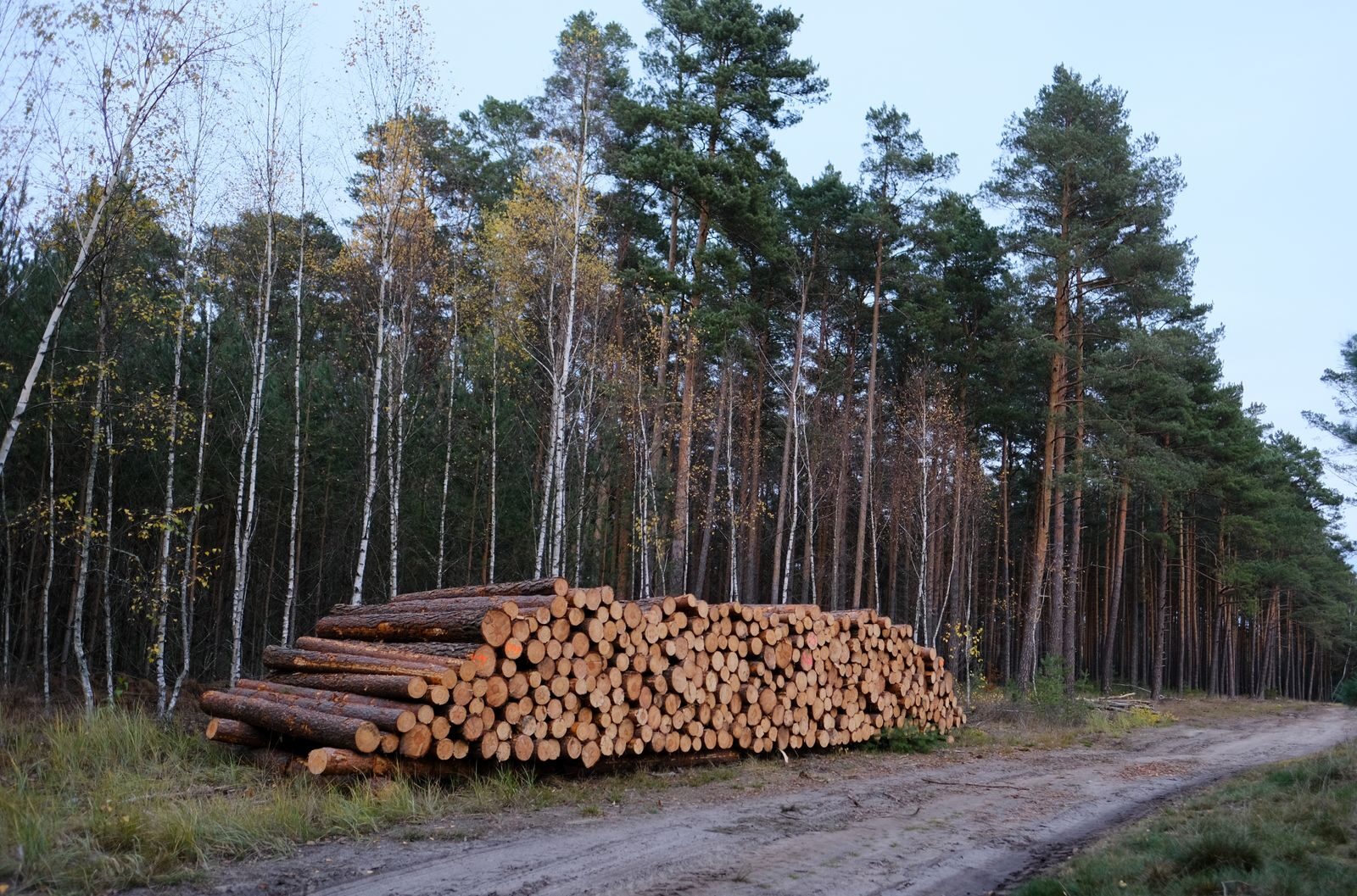
This is the distinction most articles miss. Burning whole trees cut down specifically for fuel, or industrial wood pellets shipped across oceans, carries a long carbon debt and extra emissions from processing and transport.
Burning local waste wood, offcuts, storm-fallen timber, or sustainably thinned wood that would have decomposed anyway is a completely different case with a far smaller carbon cost. The same word “wood” covers both, which is why the debate is so muddled.
Not all comparisons agree.
A University of Copenhagen study of Danish heating plants found switching from gas to wood changed emissions by anywhere from a 19 percent reduction to a 4 percent increase, depending on the wood source and circumstances. That range points to the real conclusion: it depends.
What This Means for You, Burning Wood at Home
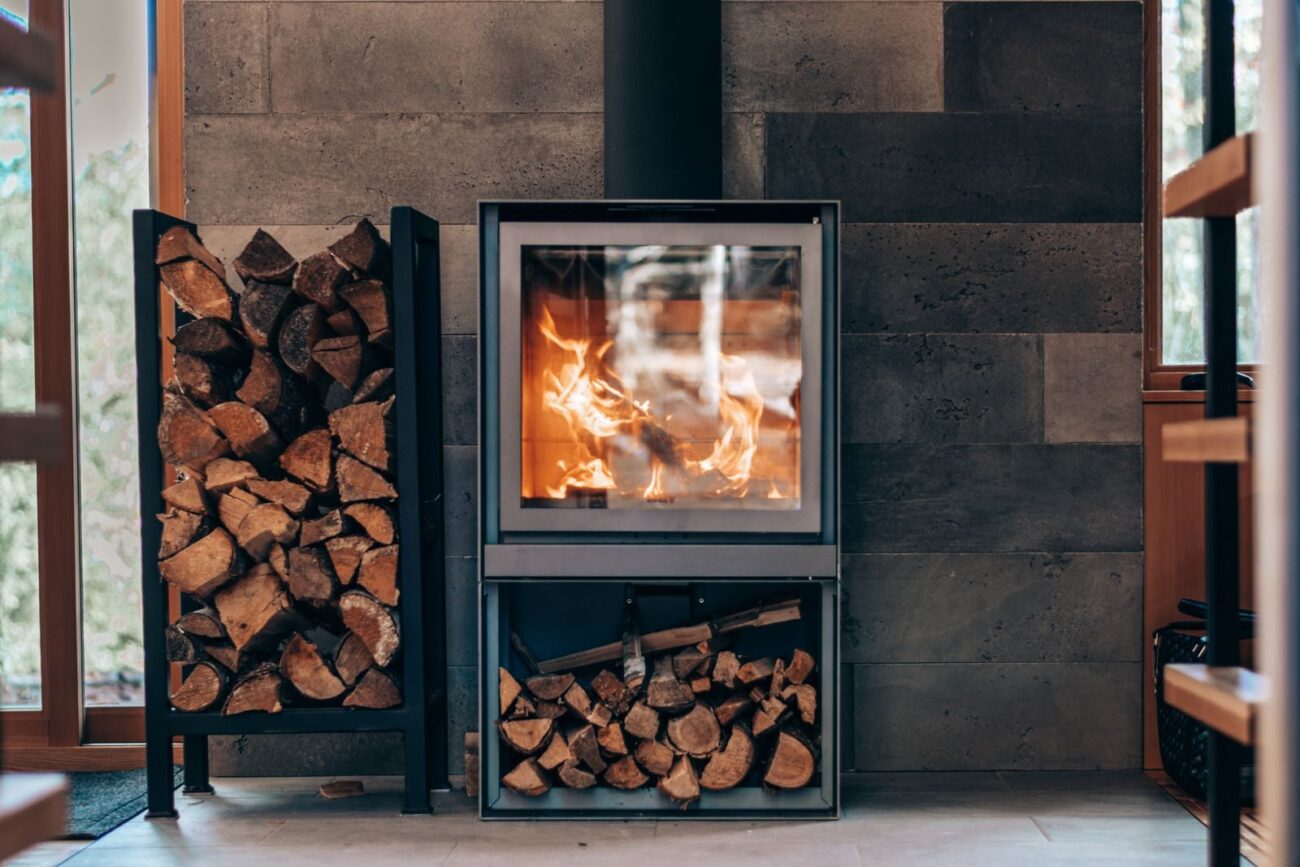
Most of the fierce debate is about industrial biomass power stations, which is not what you are doing. For a home wood-burner, the picture is more favourable, if you do it well. Here is what actually makes your wood burning better or worse for the environment.
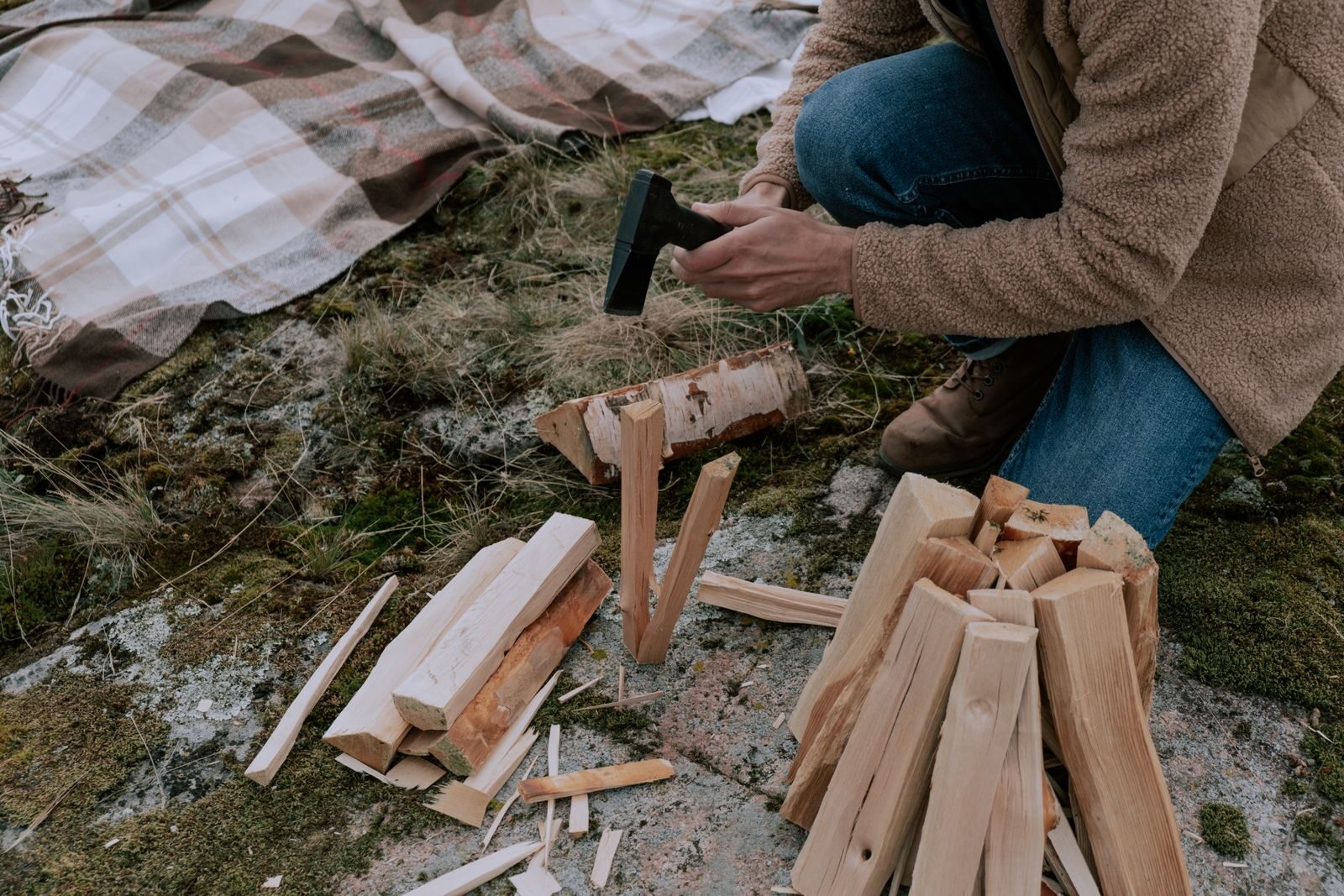
Burn local, waste, or sustainable wood.
Wood from your own area, from tree surgery offcuts, storm damage, or sustainably managed woodland has a low carbon cost. Avoid wood trucked long distances or of unknown origin.
Burn it dry.
Wet wood wastes much of its energy boiling off water, so you burn more wood for the same heat and release more smoke and pollutants. Dry, seasoned wood under 20 percent moisture burns cleaner and gets far more heat from each log, which lowers its environmental cost.
Burn it hot and efficiently.
A modern, efficient stove burns wood far more completely than an open fire or an old stove, producing more heat and less smoke and particulate pollution for the same wood.
Remember local air quality, not just carbon.
Wood smoke contains fine particulates that harm air quality and health, especially in towns. This is a real downside of wood versus gas that has nothing to do with carbon. Burning dry wood in an efficient stove reduces it, but does not remove it.
Make sure it regrows.
Wood is only part of a carbon cycle if forests are actually replanted and regrown. Supporting sustainable sources is what keeps the loop closed.
So, Is Wood Better Than Gas?
From the carbon side, my read is this. Wood is not automatically better than gas, and anyone who tells you it simply is, or simply is not, is oversimplifying a complicated question.
At the moment of burning, wood releases more CO₂ than gas. Whether it comes out ahead depends on the wood regrowing, on how long that takes, on where the wood came from, and on how cleanly you burn it.
Local, sustainable, dry wood burned in an efficient stove can be a lower-carbon choice than gas over time, because its carbon is recycled from the air rather than added from underground. Whole trees felled for fuel, or pellets shipped across the world and burned wet, can be worse than gas.
So the fuel is not the answer…
The system around it is: where the wood comes from, whether it regrows, and how you burn it. Get those right and wood can be the better environmental choice. Get them wrong and the natural, renewable fuel can quietly do more harm than the fossil one.
Frequently Asked Questions
Is burning wood carbon neutral?
Not automatically. Wood is often called carbon neutral because a regrowing tree reabsorbs the carbon released by burning, but this only balances out if the forest actually regrows, and that takes decades. Within a timeframe that matters for climate change, wood is only close to neutral if it comes from genuinely sustainable, regrowing sources.
Does wood release more CO₂ than gas?
At the point of burning, yes. Per unit of heat, wood releases more carbon dioxide than natural gas, because it is less energy-dense and holds more moisture. Wood’s potential climate benefit comes later, from the carbon being reabsorbed as trees regrow, not from burning cleaner.
Is a wood stove better for the environment than gas heating?
It can be, if you burn local, sustainable, dry wood in an efficient modern stove. Under those conditions the recycled carbon can make it a lower-carbon choice than gas over time. Burning wet wood, or wood trucked long distances, can make it worse than gas. Wood smoke also affects local air quality in a way gas does not.
Is wood smoke bad for air quality?
Yes. Wood smoke contains fine particulates that harm air quality and health, particularly in built-up areas. This is a genuine downside of wood compared to gas, separate from the carbon question. Burning dry wood in an efficient stove reduces particulates but does not eliminate them.
What is the most environmentally friendly way to burn wood?
Burn local or waste wood that would otherwise decompose, make sure it is dry and under 20 percent moisture, and burn it in an efficient modern stove that gets a hot, complete burn. Support sources where forests are genuinely regrown, so the carbon cycle stays closed.
Is it better to burn wood or use gas central heating?
There is no single answer. Well-sourced, dry wood in an efficient stove can be lower-carbon than gas over time; poorly sourced or wet wood can be worse, and adds local air pollution. The right choice depends on your wood source, your stove, and local air quality, not on wood being automatically greener.