


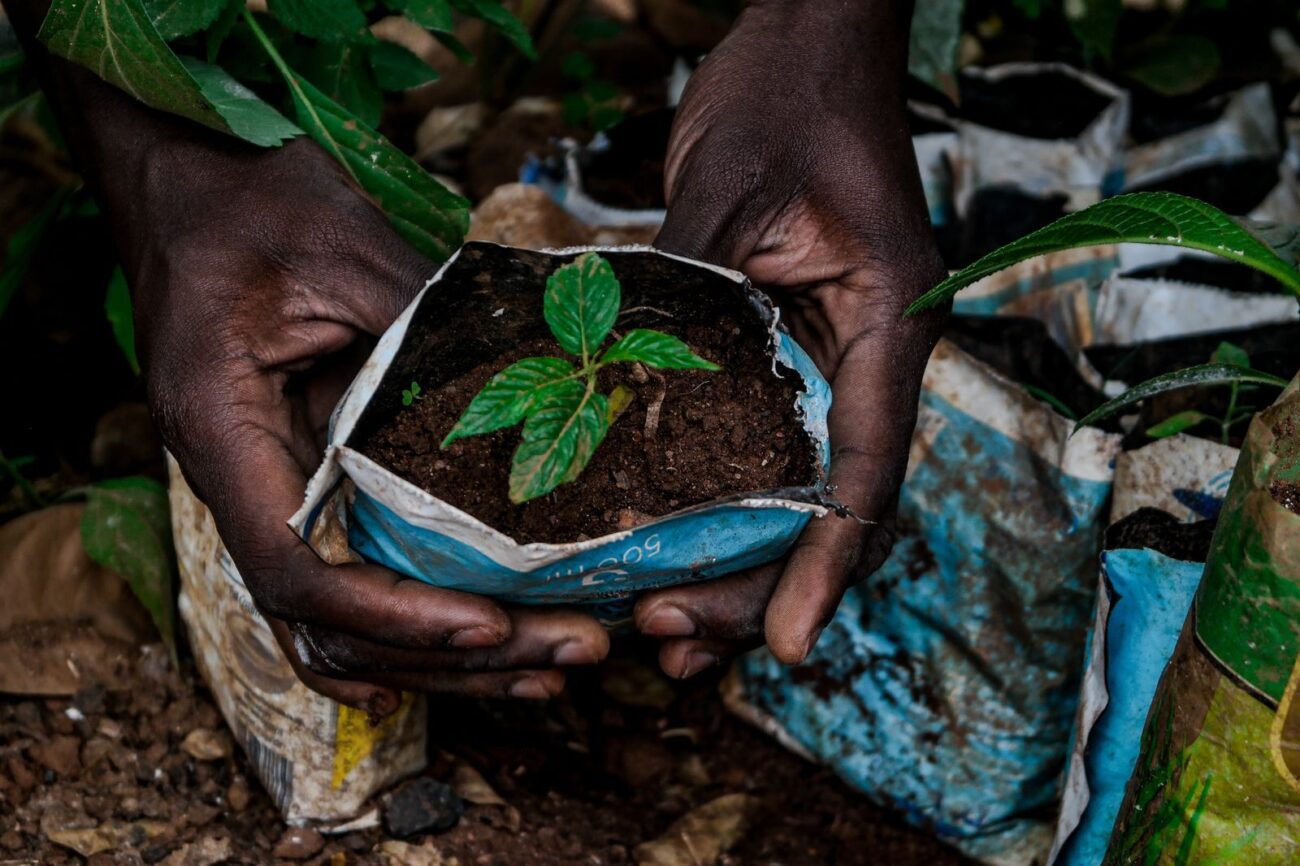
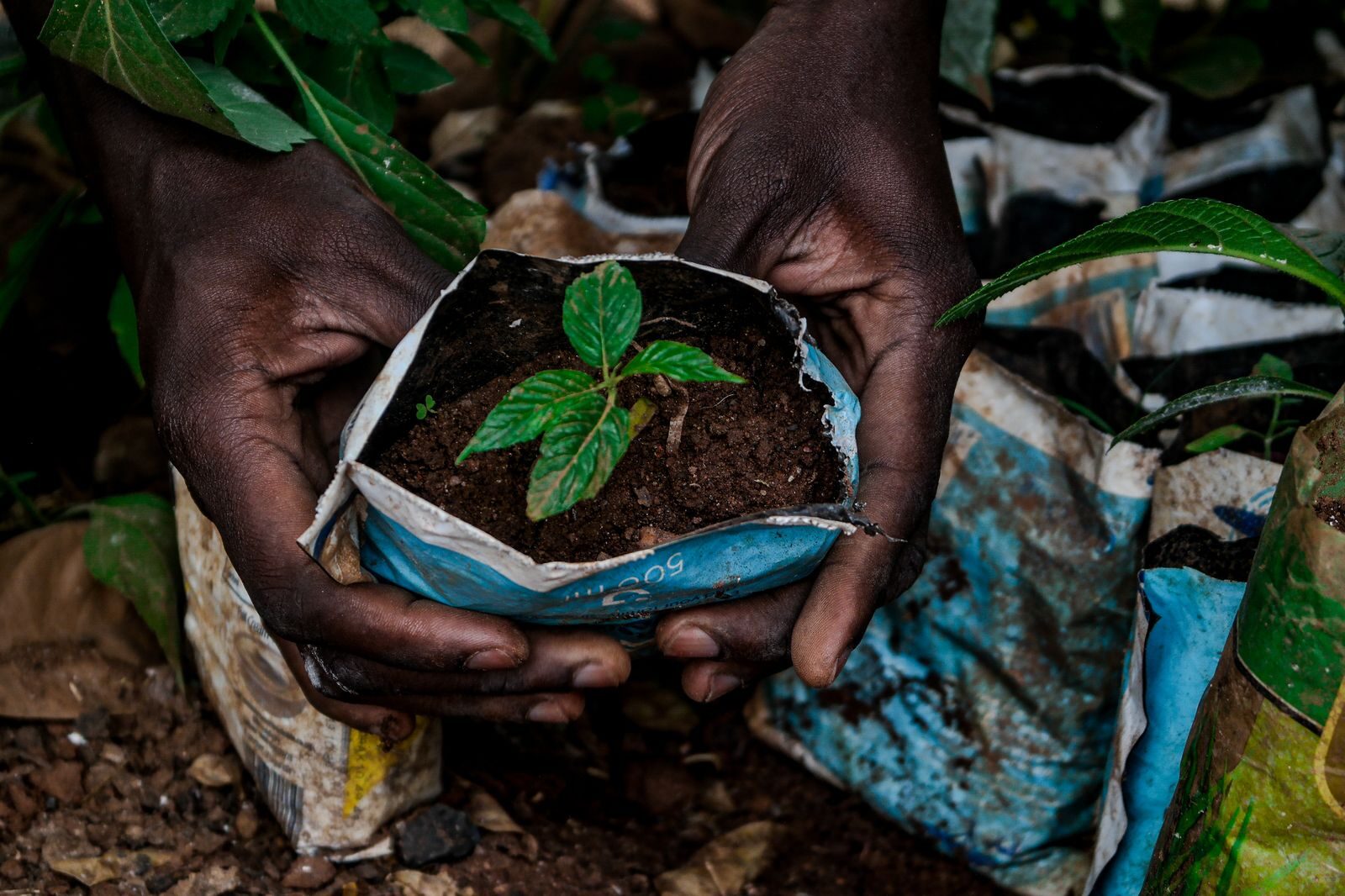
What if the tree you are about to plant stores almost no carbon at all?
I ask because that is the risk when you pick a tree the way most people do, by chasing a name off a list. You want to do something real for the environment. Then you start reading and it turns into a mess. One site swears by oaks. Another pushes fast-growing conifers. A third is selling you a “climate hero” sapling that sounds too good to be true. You just want to know which tree helps, without being sold to.
So let me tell you what I have learned studying how trees capture and store carbon. There is no single best tree. The tree that helps the environment most is the one that thrives where you plant it and lives a long time. A struggling or short-lived tree stores next to nothing, whatever the brochure promised.
I am not going to hand you a list to copy. I am going to show you how I would choose. Once you see what makes a tree useful, you can pick the right one for your garden, your soil and your climate, and read straight through the marketing.
What Makes a Tree Help the Environment
When people say a tree “helps the environment,” they usually mean it pulls carbon dioxide out of the air and locks it away. That is real, and I want you to understand how it works, because it tells you what to look for.
A tree builds itself out of carbon. It takes carbon dioxide from the air, and using sunlight it turns that carbon into wood, roots and leaves. Roughly half the dry weight of a tree is carbon that used to be in the atmosphere. So the more wood a tree builds over its life, and the longer it holds onto it, the more carbon it has pulled from the air and stored.
That one idea sits behind everything I am about to tell you. You are not looking for a magic species. You are looking for a tree that will grow a lot of wood, and keep it, for a very long time, in your particular spot.
Trees do more than store carbon, too. They cool the air, shade buildings, soak up rainfall and reduce flooding, filter pollutants, and feed and shelter wildlife. A good choice does several of these at once.
The Five Things I Look At
Forget the species name for a moment. These are the things that decide whether a tree helps, and I want you to be able to judge every one of them yourself.
1. Will it thrive where you are planting it? This is the big one, and it beats everything else. A tree suited to your climate, your soil and your space will grow strongly and live long. A tree fighting the wrong conditions will be stressed, grow poorly, and may die young. In my view a thriving ordinary tree beats a struggling “best” tree every time.
2. How long will it live? Longevity counts for a great deal. A tree that lives two hundred years keeps its carbon locked away for two hundred years. A short-lived tree that dies in twenty gives much of that carbon back as it rots. I think long life is one of the most underrated things you can choose for.
3. How big will it get? A large tree holds far more carbon than a small one, simply because it builds more wood. If you have the space for a tree that grows tall and broad, it will do more than a small ornamental. But only plant big if you genuinely have room, because a large tree in the wrong spot causes problems later.
4. Is it native or well-adapted? Native trees, or trees well suited to your region, tend to thrive with less fuss and support far more local wildlife, the insects, birds and food webs that depend on them. This is where a tree stops being just a carbon store and becomes part of a living system.
5. Is it tough and low-maintenance? A tree that shrugs off local pests, diseases and dry spells will survive to do its job. A delicate species that needs constant care and still struggles is a poor environmental choice, whatever its reputation.
Notice that none of these five is a species name. They are all things you can find out about any tree before you plant it, by asking at a good local nursery or checking a regional planting guide.
The Problem With “Best Tree” Lists
Let me tell you what those “top ten carbon trees” articles get wrong, and why I would be wary of them.
They rank species as if the name is the thing. But a large body of research shows it is a tree’s characteristics, not its species label, that decide how much carbon it stores and how much wildlife it supports.
A 2025 systematic review looking at urban trees found this clearly: the traits that counted most for both carbon storage and biodiversity were things like a tree’s age and its size, not simply which species it was. Old, large trees did the heavy lifting.
What I take from that is simple and practical. Chasing a specific “best” species is the wrong game. Planting something well-suited that will grow big and grow old is the right one. It also means the most valuable tree in your area might be the mature one already standing in your garden. I would protect an old tree before planting a new one, because it is already doing decades of work a sapling has not started.
I would also be wary of anything sold as a miracle climate tree, or a fast-growing species promising huge carbon capture in a few years. Fast growth often comes with weak wood and a short life, which means the carbon does not stay stored. Fast and short-lived loses to steady and long-lived nearly every time.
How I Would Choose Your Tree, Step by Step
Work through this and you will end up with a genuinely good choice for your spot.
- Measure your space honestly. Look up and around. How tall can a tree get here without hitting wires, buildings or foundations? How wide can it spread? Be realistic. This narrows the field fast and saves you heartache later.
- Know your soil and light. Is your ground wet or free-draining, heavy clay or light and sandy? Is the spot sunny or shaded? A tree matched to these will thrive. You do not need lab tests, just honest observation, or a cheap soil test if you want to be sure.
- Ask what is native or proven local. Contact a local nursery, an arboretum, or your area’s tree-planting or forestry body, and ask what native or well-adapted species thrive in your conditions. That one question does more than any online list, because the answer is tailored to where you live.
- Favour long-lived over fast-growing. Given a choice between a tree that grows quickly and one that lives for centuries, I lean toward the long-lived one. Patience is the environmentally friendly option here.
- Plant it properly and mulch it. The best species planted badly still fails. Plant at the right depth, water it well through its first couple of years while it establishes, and mulch the base. A tree that establishes strongly goes on to do everything you wanted from it.
- Then mostly leave it alone. Once established, a well-chosen tree in the right place needs very little from you. That is the sign you chose well.
Where My Field Makes the Difference
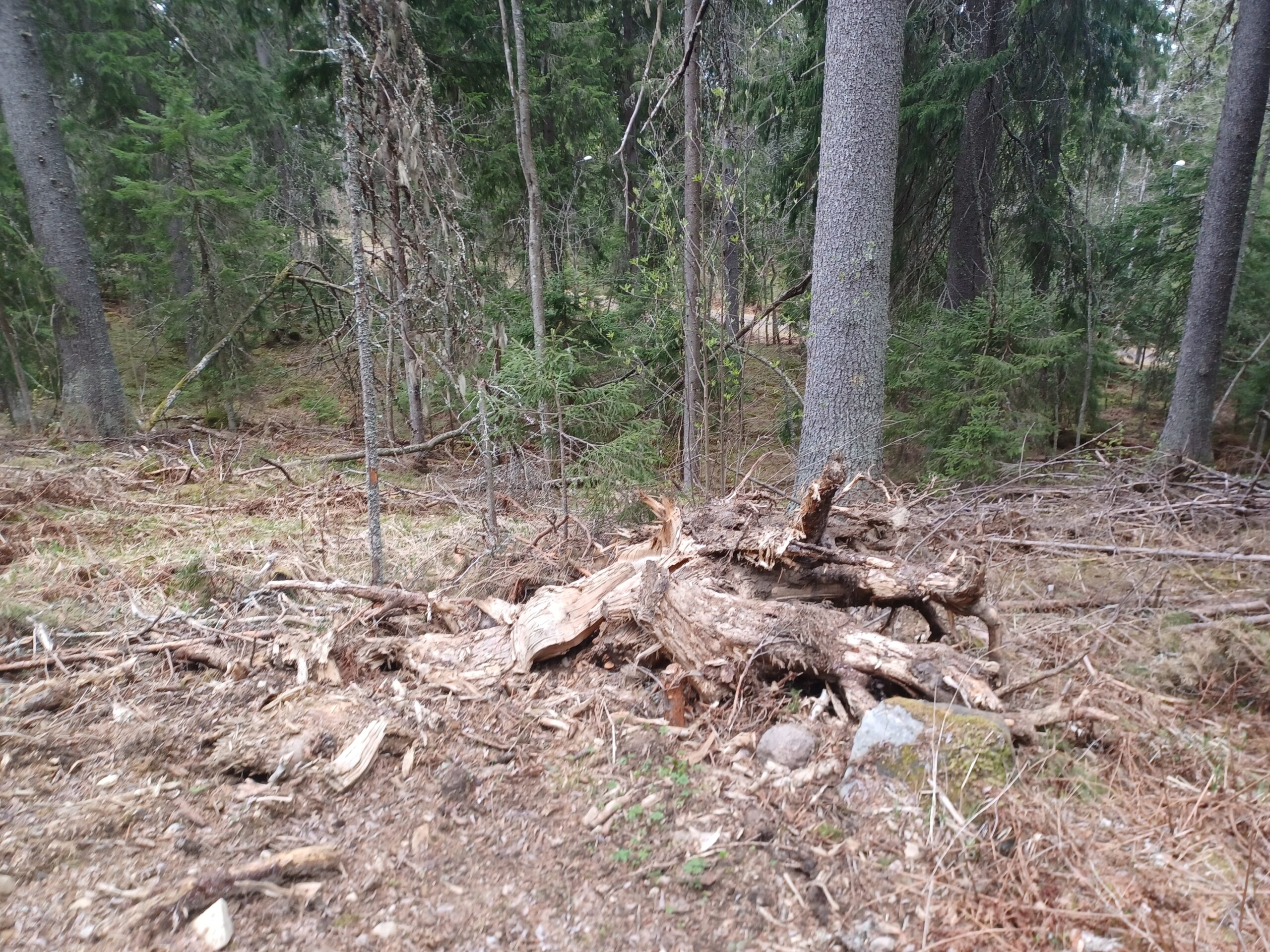
Most advice on this topic only counts the visible tree, the trunk and branches you can see. But a large part of a tree’s stored carbon sits underground, in its roots and in the soil those roots build over decades.
I studied how trees split the carbon they capture between the parts above ground and the parts below, and I can tell you that below-ground share is easy to forget and genuinely large.
That is why I keep coming back to longevity and good establishment. A long-lived tree is not just building a trunk. It is building a root system and feeding a whole community of soil life that stores carbon too, quietly, for as long as the tree stands.
So when you choose, think about the tree you cannot see as much as the one you can. Pick something that will settle in, root deeply, and stay for a long time. That is the choice I would make, and it is one you are fully able to make yourself.
Frequently Asked Questions
What tree absorbs the most carbon dioxide?
There is no single winner, because it depends on where it grows. A large, long-lived tree well-suited to your conditions will store far more over its life than a “high carbon” species struggling in the wrong spot. Size and lifespan count for more than the species name.
Are fast-growing trees better for the environment?
Not usually. Fast growers capture carbon quickly at first, but often have weaker wood and shorter lives, so the carbon is released again sooner. In my view a slower, longer-lived tree stores more carbon over the full span of its life.
Should I plant native trees?
Where you can, yes. Native trees are adapted to your conditions, so they thrive with less effort, and they support far more local wildlife than introduced species. They are usually the most reliable environmental choice.
Is it better to plant a new tree or protect an old one?
I would protect a healthy old tree first. A mature tree is already storing decades of carbon and supporting established wildlife, which a young sapling will take many years to match. Do both if you can, but do not overlook the trees you already have.
How many trees do I need to plant to make a difference?
Even one well-chosen, long-lived tree in the right place is worthwhile, and the benefits go beyond carbon to shade, cooling, rainfall and wildlife. Quality and survival count for more than quantity. One thriving tree beats ten struggling ones.
Can I plant a tree that is bad for the environment?
You can plant one that does little good, yes. A species wrong for your soil or climate that grows poorly or dies young stores little and can need chemicals or constant care. Some vigorous non-native species can also spread and cause problems. Matching the tree to the place avoids this.
Do trees store carbon in the soil too?
Yes, and it is a large and often forgotten part. Trees move carbon below ground into their roots and into the soil life around them, where it can stay for a very long time. It is another reason I rate long-lived, well-rooted trees so highly.