


Ever bought “seasoned” firewood, got it home, and watched it hiss and smoke instead of burn?
A moisture meter is the cheap little tool that would have told you the truth before you paid.
Here is the problem it solves…
Wood needs to be below twenty percent moisture to burn well, and you cannot tell that by looking, or by weight alone. A meter settles it in seconds: dry enough, or not. But there is a catch almost nobody mentions, and it is the reason most people’s readings come out wrong.
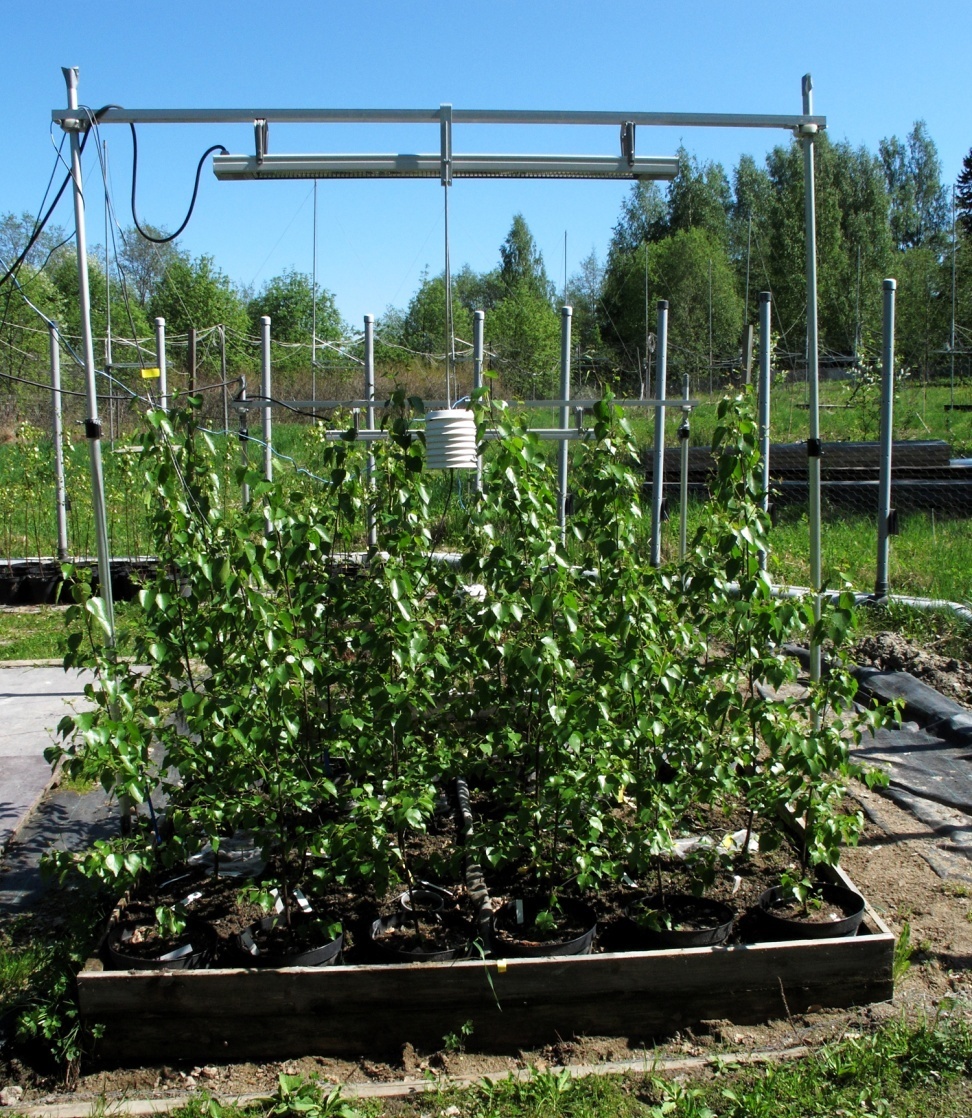
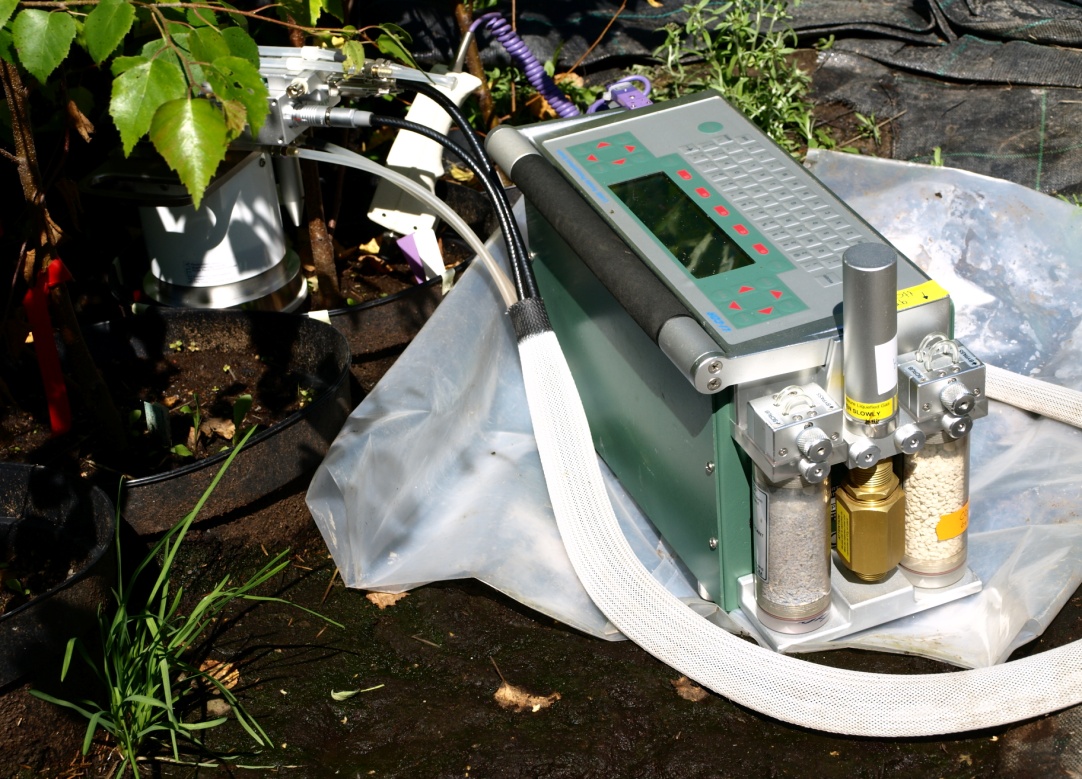
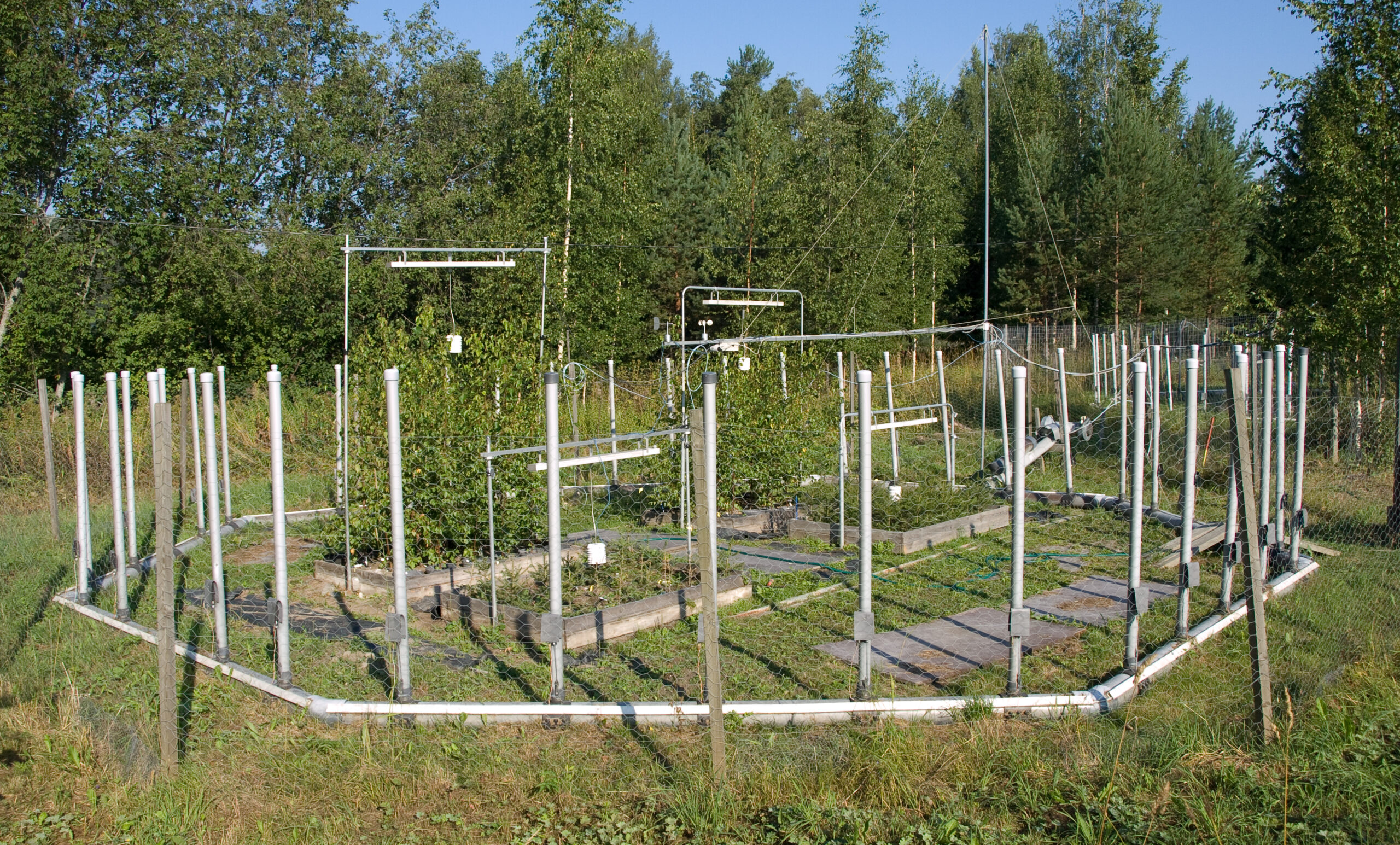
I measured moisture all the time in my own field research. Not on firewood, but recording it constantly so my data actually meant something. That taught me two things no product page will tell you: these meters genuinely work, and most people use them wrong and get a falsely low number, so they end up burning wet wood while the meter says it is dry.
Let me save you that mistake, and help you pick the right meter while we are at it.
Do Firewood Moisture Meters Really Work?
Yes, as long as you test the wood the right way. This is the question people ask most, and the doubt is fair, because a meter used wrongly gives you a confident but wrong answer.
A moisture meter measures the water in the wood it touches, usually through two metal pins. The reading is only as good as the spot you test. Test the wrong spot, the dry outer surface of a log, and it reads far lower than the wet middle, sometimes by four to eight percent.
That is the gap between thinking you have 17% wood and actually burning 24% wood. So the meters work fine. The person holding it is usually the problem, and the fix is easy, which I will get to.
The Two Types, and Which One to Buy
There are two kinds, and for firewood the choice is simple.
Pin-type meters have two metal spikes you push into the wood. They measure moisture between the pins. Because you push them into a freshly split face, they read the moisture deep inside the log, which is exactly what you want for firewood. They are cheap, simple, and plenty accurate for the job. For firewood, this is the one to buy.
Pinless meters have a flat pad you press against the wood, with no pinholes left behind. They are great for checking flooring or furniture, where you do not want to mark the surface. But they read a zone just under the surface rather than deep in the core, and they need flat, dense wood to work well, which split logs often are not. They also cost more.
So for firewood, go pin-type. It is cheaper, and it reads the inside moisture that actually matters. Pinless is a tool for finished wood, not logs.
What to Look For When Buying
You do not need to spend much, but a few things are worth checking.
Pin type, not pinless, for firewood. Pins push into the wood and read the moisture deep inside a split log, which is the reading that matters for firewood.
A sensible wood scale. Look for a meter that reads roughly 5 to 40 percent, with clear numbers around the 20 percent mark, since that is the line you are judging against.
An easy-to-read display. A simple digital percentage is all you need. Some meters add colour zones, green under 15%, amber up to 20%, red above, which is a handy at-a-glance guide.
Species or temperature correction is a nice extra, not a must. Pricier meters adjust for wood type and temperature. Useful for precision, but for a plain “is it under 20%” check, a basic meter does the job.
Replaceable pins and battery. The pins are what bend or wear over time, so a meter with spare pins lasts longer.
What to Buy, by Budget
You really do not need a pricey one for firewood. Here is how the choices break down.
Budget (around $15 to $25). A basic pin-type meter with a percentage readout. For most people burning wood at home, this is all you need. It reliably tells you whether a split log is above or below 20 percent, which is the only thing you are deciding. For most readers, this is the right buy.
Mid-range (around $30 to $50). Adds colour zones, wood-type correction, and a sturdier build. Worth it if you burn a lot, or buy and sell wood, and want quick checks.
Higher-end ($60 and up). Pro meters with temperature and species correction and better accuracy. More than you need for home firewood, but sensible if you trade wood and want solid readings to stand behind.
For nearly everyone heating a home, the budget or mid-range pin-type meter is the sensible pick. Spending more buys accuracy you will not use to answer “is this dry enough to burn.”
This page contains affiliate links. If you purchase through these links I may earn a small commission at no extra cost to you.
How to Use It the Right Way (Where Most People Slip Up)
This is where your reading is made or ruined. The meter is only as honest as your method, so here is how to get a true number.
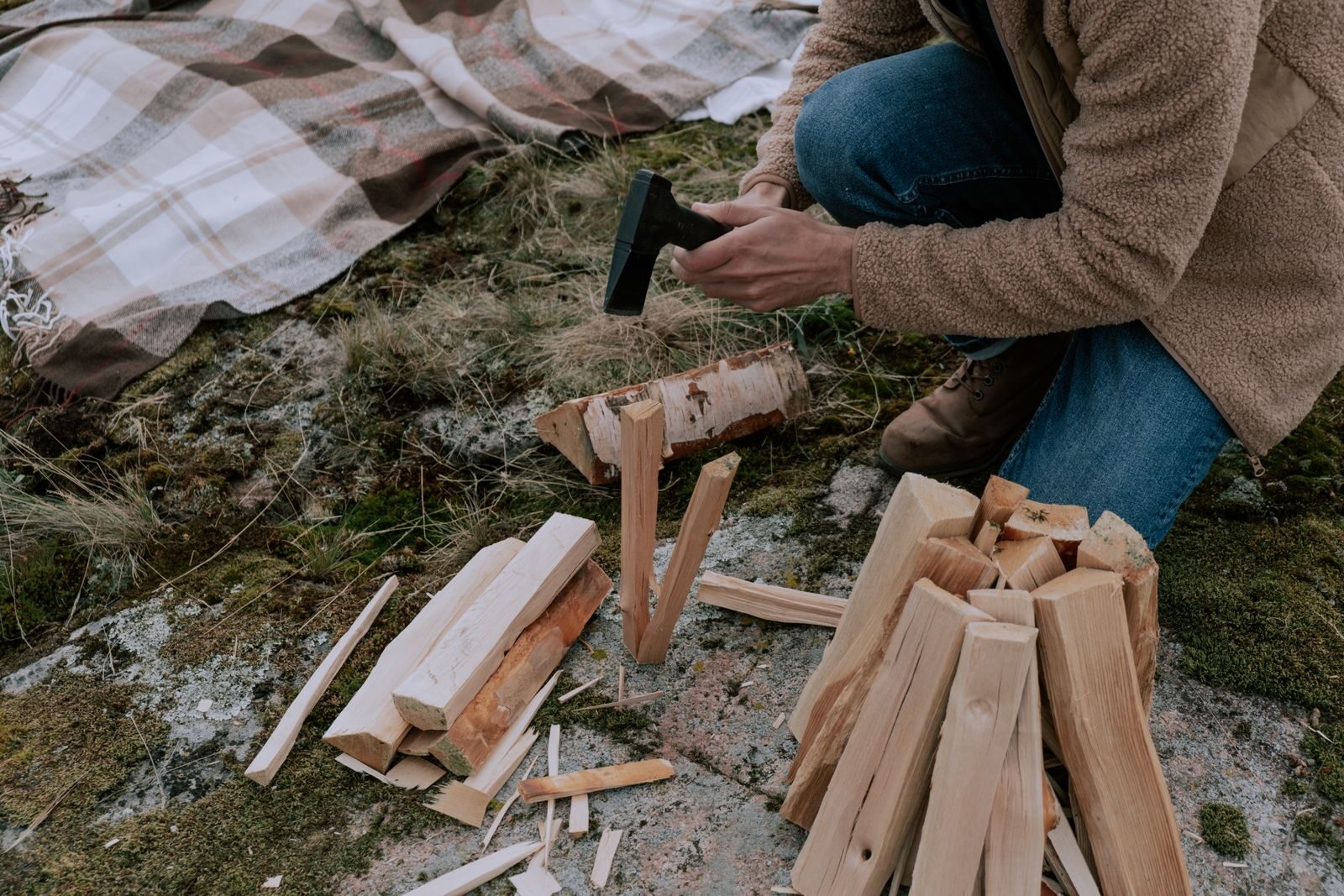
Split a log first. Do not test the outside of a whole log. The surface dries first and reads too low. Take a log off your stack and split it open.
Test the fresh inside face, in the middle. Push the pins into the newly split inner face, right in the centre, where the wood is wettest. That reading tells you the truth about the core. Never test bark, the ends, or a weathered surface.
Push the pins in firmly across the grain, and read it. Under 20 percent means ready to burn. Above 25 percent means it needs more drying time.
Test a few logs, not one. Moisture varies from piece to piece. Check a handful from different parts of the stack rather than trusting one lucky log.
Let very cold wood warm up first if you can. Frozen wood can read a little off. For a rough check at the woodpile it barely matters, but for a careful reading, test wood that is not frozen.
Get these right, above all splitting and testing the fresh inside face, and your meter becomes genuinely reliable. Skip them and you will happily burn wet wood while the meter tells you it is dry.
Why 20% Is the Number to Beat
Twenty percent is not a random figure. Below it, wood burns cleanly and gives its heat to your room. Above it, the fire wastes its energy boiling off the water instead, so you get less heat, more smoke, and more tar building up in your chimney.
The University of Maryland Extension says to split a piece and test the middle, aiming for close to 20 percent, and the EPA’s Burn Wise program uses 20 percent as its guide for clean, efficient burning.
So the meter is not a gadget for its own sake. It is the difference between knowing your wood is ready and guessing, and guessing wrong costs you heat and dirties your chimney.
Frequently Asked Questions
Do firewood moisture meters really work?
Yes, if you use them right. They accurately measure the water in the wood they touch. The trick is testing the right spot, a freshly split inside face, not the dry outer surface, which reads too low. Used properly, even a cheap meter is reliable.
What moisture level should firewood be?
Below 20 percent to burn well, and 15 to 20 percent is ideal. Above 25 percent it burns poorly, smokes, and makes creosote. Freshly cut green wood is often 40 to 50 percent, which is why it needs to season.
Will wood burn at 25% moisture?
It will burn, but badly. At 25 percent a lot of the fire’s energy goes into boiling off water instead of heating your room, so you get less warmth, more smoke, and more tar. Give it more time to dry below 20 percent.
Where do I test firewood with a moisture meter?
On a freshly split inside face, in the middle of the log, where the wood is wettest. Split a log open and push the pins into the new surface. Never test the bark, the ends, or a weathered outer surface, as those read far too low.
Do you have to touch the wood with a moisture meter?
With a pin-type meter, yes, you push the two pins in. With a pinless meter you press the flat pad against the surface. For firewood, pin-type is better because it reads the moisture deep inside.
Pin or pinless for firewood?
Pin-type, for firewood. It reads the moisture in a freshly split face, which is what you need, and it costs less. Pinless meters suit flooring and furniture, where you do not want to mark the wood.
How accurate are cheap moisture meters?
Accurate enough for firewood. A basic pin meter reliably tells you if a split log is above or below 20 percent, which is the only call you are making. Pricier meters add accuracy you do not need for home wood burning.
How often should I check my firewood?
Test a few pieces before you start burning from a new stack, and again now and then through the season, since moisture changes as wood keeps drying or soaks up damp in poor storage. A quick check of a few logs is enough.
This page contains affiliate links. If you purchase through these links I may earn a small commission at no extra cost to you.