





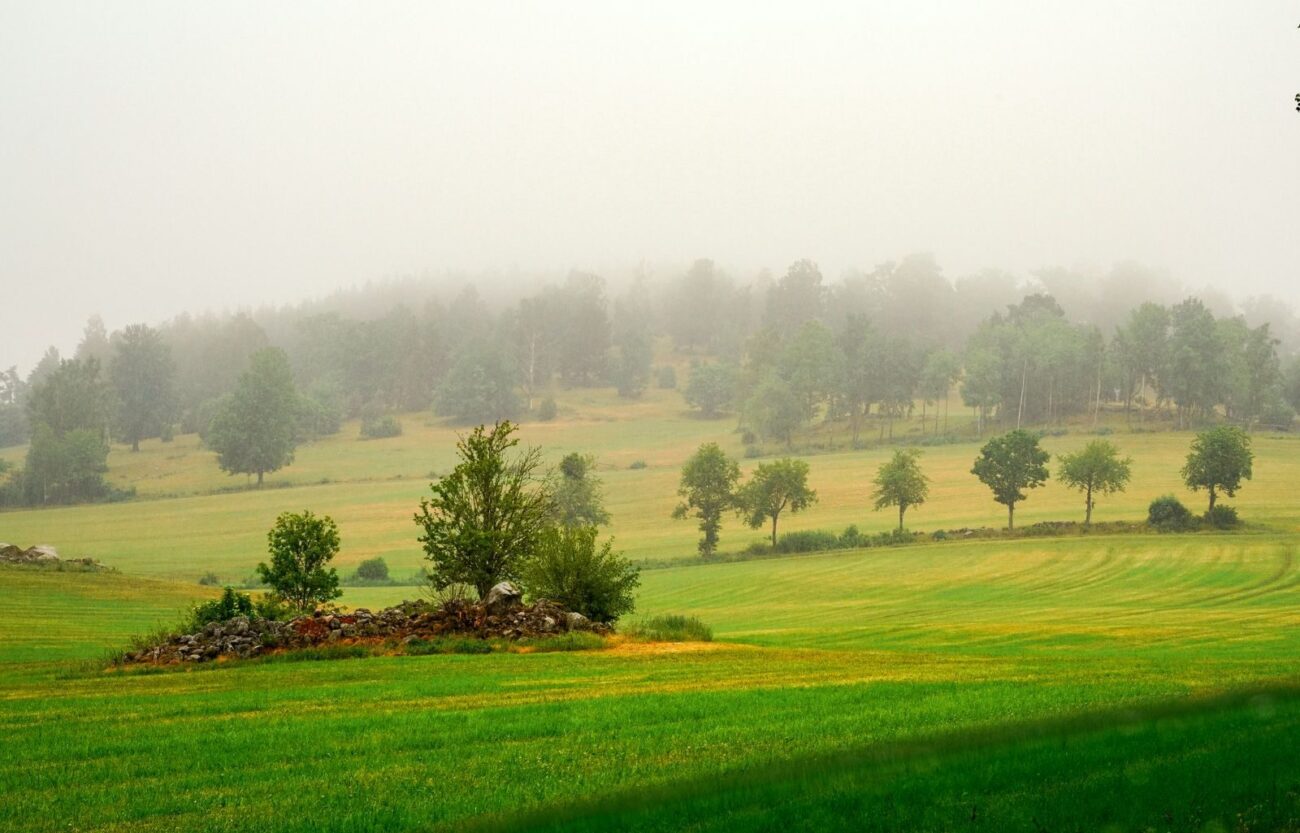
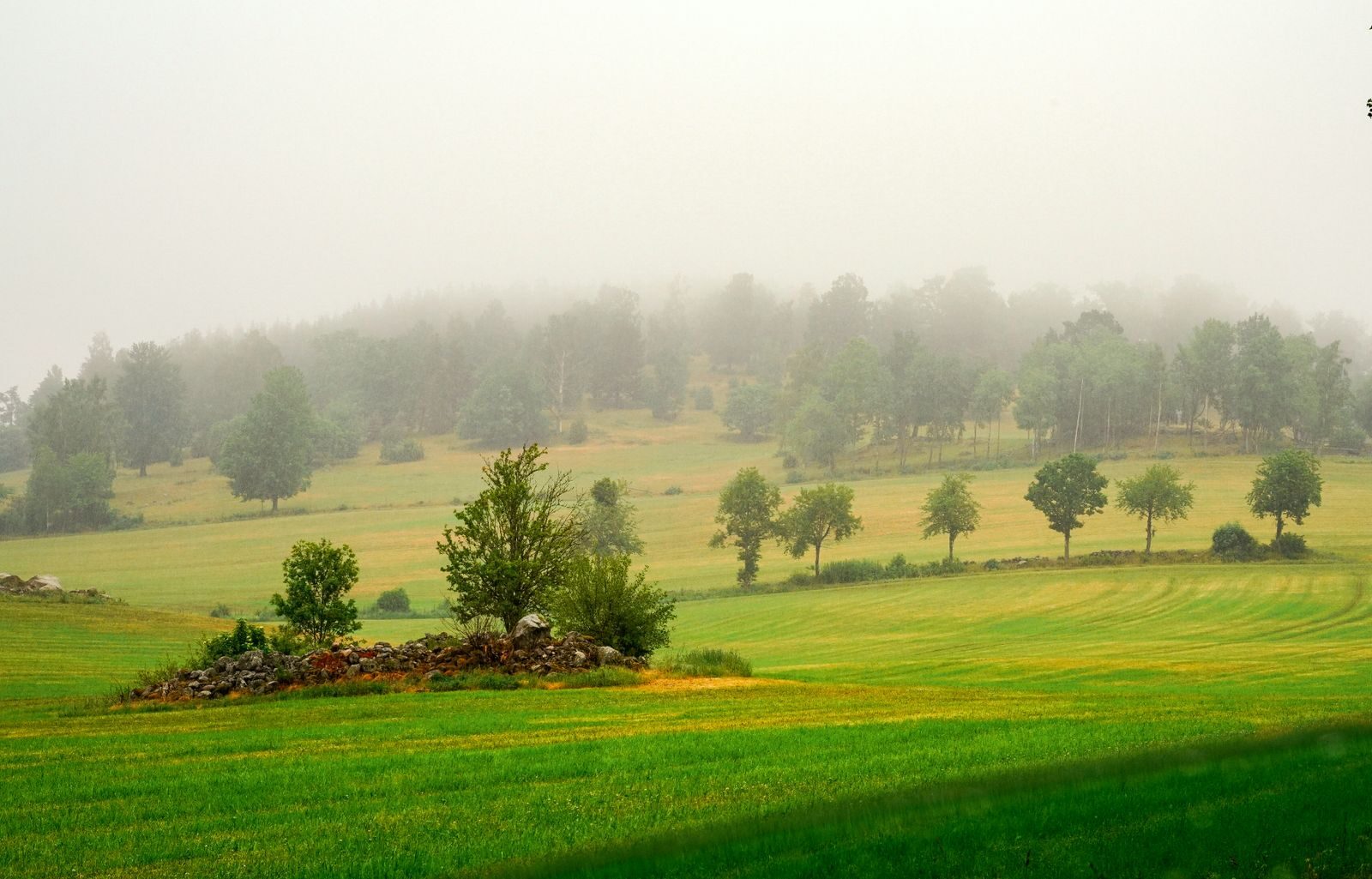
Why would your eyes and throat sting in a quiet garden far from any traffic, on the cleanest-looking summer afternoon?
That is the part that makes no sense at first…
You are nowhere near a busy road. The air looks pristine. Yet on hot, still, sunny afternoons your eyes water, your throat feels scratchy, and your chest feels a little tight. On cool or breezy days you are fine. It cannot be traffic fumes, because there is barely any traffic near you.
Here is the surprising answer, and it is the opposite of what most people assume…
Your peaceful country or suburban garden may be sitting in more air pollution on those afternoons than a busy city street. The pollutant is ground-level ozone, and the way it behaves catches almost everyone out. Let me explain, because once you understand it, that stinging stops being a mystery.
A quick note first: I am an environmental scientist, not a doctor.
This article explains the air-quality science behind that stinging feeling. If your symptoms are strong, persistent, or you have a lung condition like asthma, please speak to a doctor or pharmacist. What follows helps you understand and reduce your exposure, not diagnose or treat you.
The Surprising Part: Clean-Looking Air Can Be the Problem
Most people believe city air is dirty and country air is clean. For ozone, it often works the other way round.
Here is why…
Ground-level ozone is not released by anything directly. It gets built in the air, when sunlight cooks together the nitrogen oxides and other compounds that traffic and industry give off. Sunlight is the essential ingredient, which is why ozone is a hot, sunny-afternoon problem.
Now the twist…
Right next to a busy road, fresh exhaust actually destroys ozone almost as fast as it forms, so city-centre ozone can stay surprisingly low. But that polluted air drifts outward, and as it travels over hours in the sunshine, the ozone keeps building. By the time it reaches the suburbs and the countryside downwind, it has had all afternoon to accumulate. So the quiet garden gets the built-up ozone the city produced but did not keep.
That is why your clean-looking air can sting. It is not clean. It is carrying ozone that formed somewhere else and matured on the way to you.
Why Ozone Stings Your Eyes and Throat
Ozone is a reactive gas, meaning it does not sit quietly, it reacts with things, including the moist surfaces of your eyes and the lining of your airways.
Breathe it in on a high-ozone afternoon and it irritates and inflames those surfaces. That is the watering eyes, the scratchy throat, the slight chest tightness. Public health bodies list exactly these as ozone’s common effects: eye, nose and throat irritation, coughing, and discomfort taking a deep breath. A major review of ozone’s health effects confirms these acute symptoms come from ozone reacting with the tissues it meets.
The reassuring part, straight from that health research: for most healthy people these effects are short-lived and reverse within a few hours to a day or two once you are out of the polluted air.
The people who need to take it more seriously are those with asthma or other lung conditions, along with children and older adults, because ozone affects them more strongly. If that is you, it is a conversation for your doctor, not a blog.

How to Know It Is Ozone and Not Hay Fever
The pattern is the giveaway. Ozone follows the sun and the heat, and it has a signature you can learn to read.
It is worst on hot, bright, windless afternoons, from mid-afternoon into early evening, because the sun has had all day to build it up. It eases in the cool of morning and evening. It is a summer thing far more than a winter one. And it is often worse the further you are from heavy traffic, out in suburbs and countryside downwind of towns.
Hay fever is different. It tracks pollen counts rather than heat and sunshine, and it usually brings sneezing and an itchy, runny nose rather than the raw, scratchy throat and stinging eyes of ozone.
So if it comes on hot, still, sunny afternoons, eases when the weather breaks, and you are not beside a busy road, ozone is a strong candidate. If you are unsure, or symptoms are strong, ask a pharmacist or doctor.
What You Can Do About It
You cannot remove ozone from your area, it forms across a whole region. But you control how much you breathe in, and that is what matters.
– Check your local air quality index.
Most countries publish a free daily index that includes ozone, often hour by hour. On hot sunny days, glance at it. It tells you when ozone is high so you can plan around it. This is the single most useful habit.
– Garden in the morning or evening.
Ozone peaks in the afternoon and early evening. Do your heavy, breathing-hard work early or late, when levels are lower. Same garden, far less exposure.
– Go gently at the peak.
The harder you breathe, the more ozone you draw in. Save the digging, mowing and hauling for cooler hours, and take it easy during a hot afternoon.
– Step indoors when it is bad.
Indoor air usually holds much less ozone, because the gas breaks down on contact with indoor surfaces. If your eyes and throat are stinging, a break inside genuinely helps.
– Do not count on a dust mask.
Ordinary masks do little against a gas like ozone. Timing your outdoor activity beats any everyday mask for this.
– Take it seriously if you have a lung condition.
If you have asthma or another respiratory condition, or your symptoms are strong or lasting, treat high-ozone days with real caution and follow your doctor’s advice. That guidance comes from them, not from me.

Why I Can Tell You This
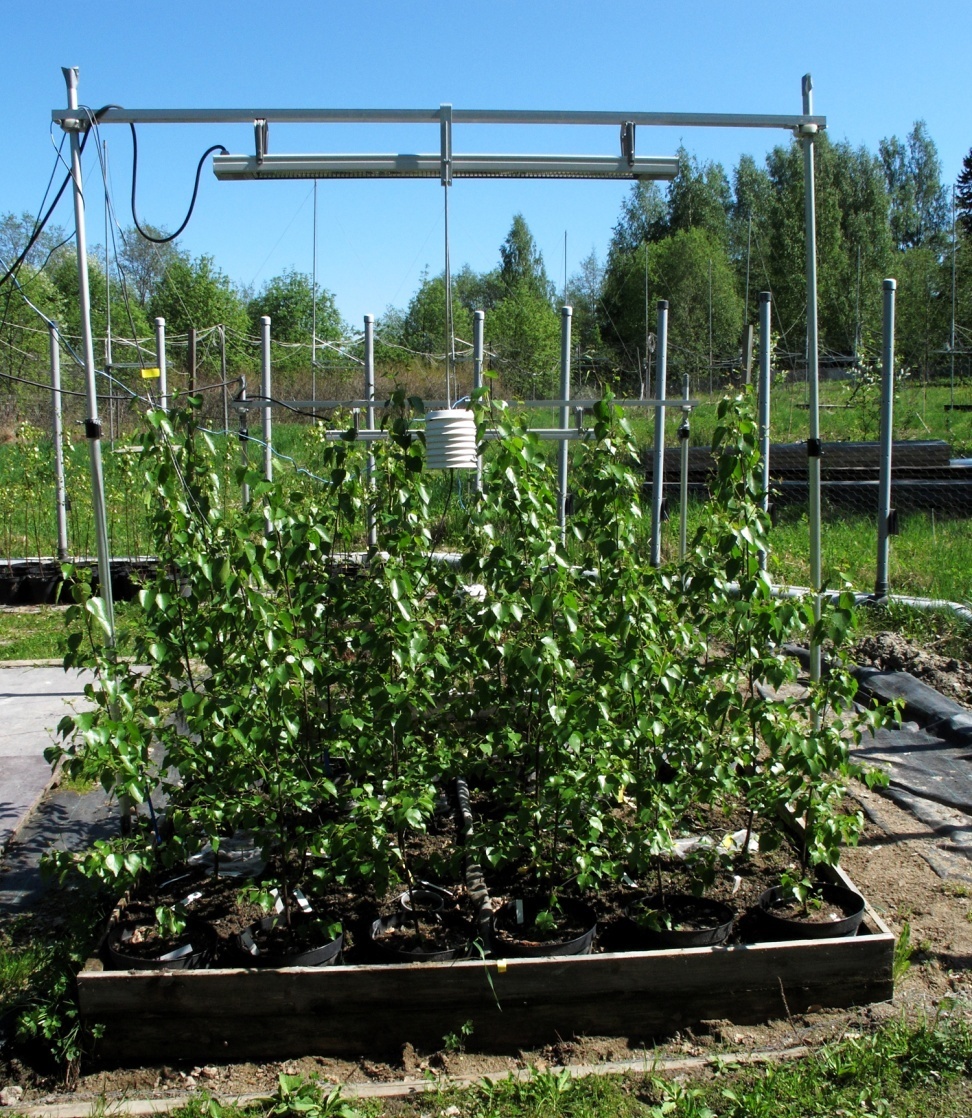
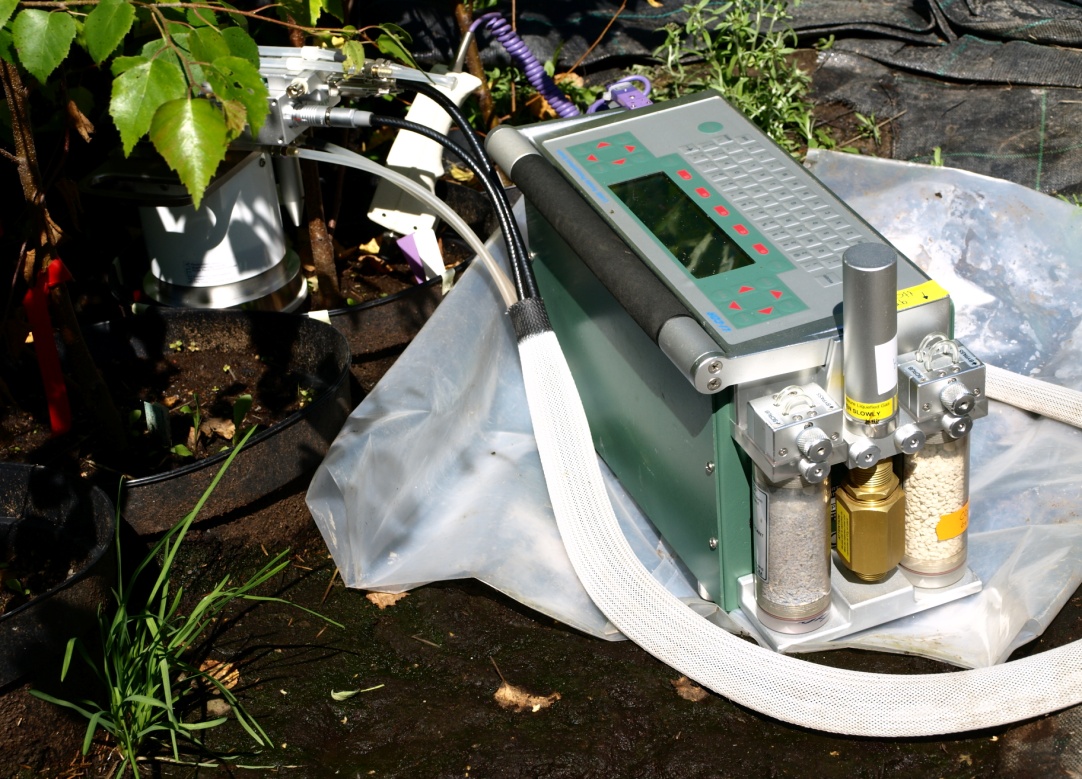
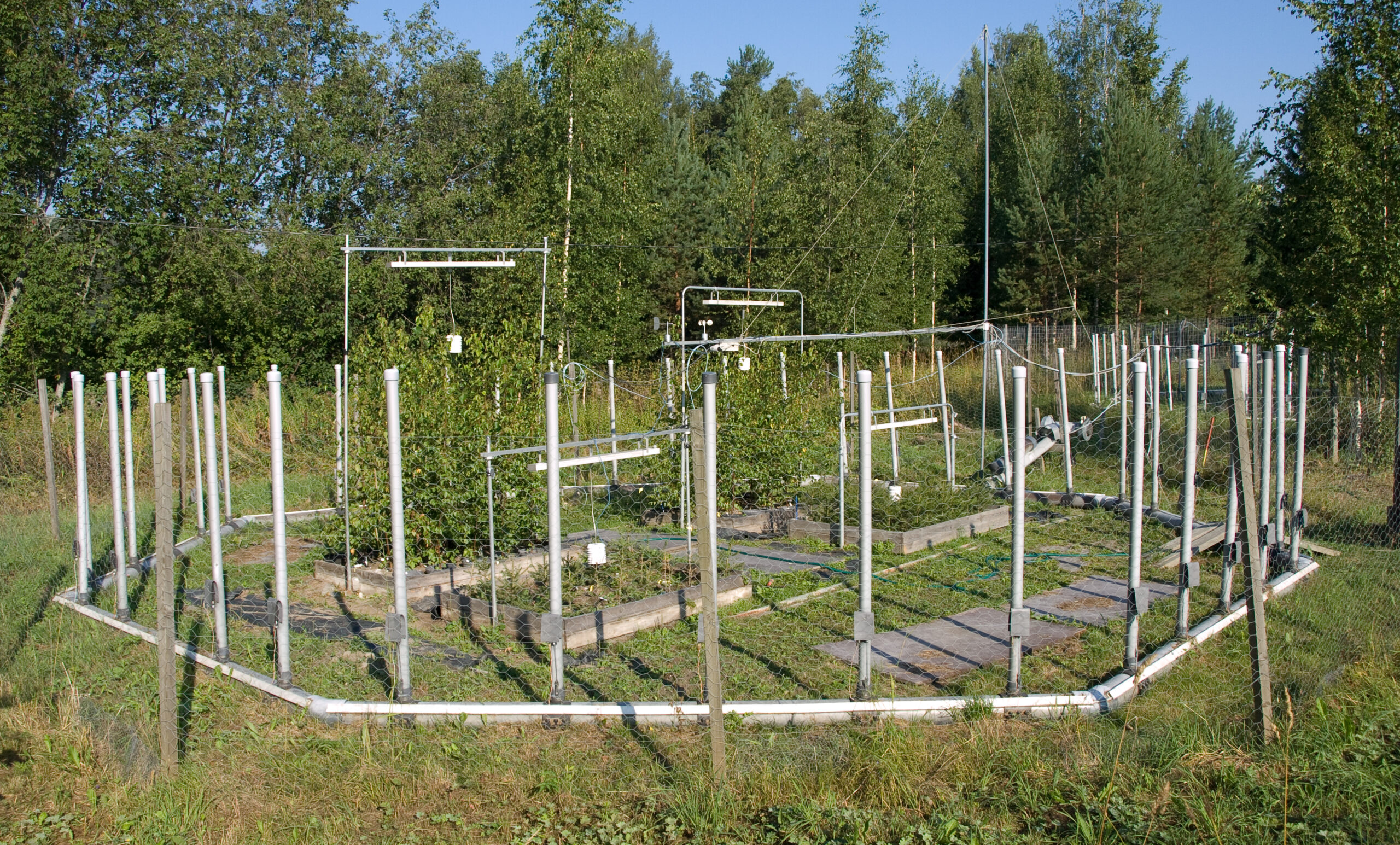
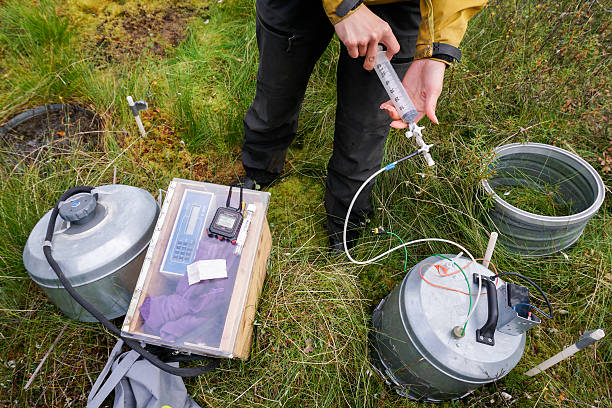
My postgraduate training covered the health effects of particulate air pollution and how air pollutants affect living tissue, and my field research involved working directly with elevated ozone in open-air experiments. So this is not something I read about once. It is a subject I studied and worked around.
The thing I most want to pass on is that counterintuitive point, because it changes how you see your own garden. We are taught that the countryside means clean air, and mostly it does. But for ozone, on hot sunny afternoons, the quiet downwind garden can be the worse place to be, breathing pollution that a distant city produced. It is a genuine quirk of the chemistry, and almost nobody expects it.
Once you know it, the stinging stops being mysterious and starts being predictable. You watch the conditions, you time your gardening, and you take the worst afternoons off. The air over your garden is not always the same air, and now you know when it has changed.
Frequently Asked Questions
Why do my eyes and throat sting only on hot sunny days?
Ground-level ozone forms when sunlight reacts with pollution, so it builds up on hot, still, sunny afternoons and fades on cool or breezy days. Ozone irritates the eyes and airways, which is why your symptoms track the weather so closely.
Why would my country garden have worse air than the city?
Fresh traffic exhaust near roads destroys ozone almost as fast as it forms, so city-centre ozone stays lower. That air then drifts outward, and the ozone keeps building in the sunshine over hours, so suburbs and countryside downwind often end up with higher ozone than the city that produced it.
Is it ozone or hay fever?
The pattern differs. Ozone is worst on hot, bright, windless afternoons and eases in cool weather, while hay fever tracks pollen and usually brings sneezing and an itchy nose. If you are unsure, or symptoms are strong, ask a pharmacist or doctor.
Is ground-level ozone dangerous?
For most healthy people the irritation is short-lived and reverses within hours to a day or two. It is more serious for people with asthma or lung conditions, children and older adults, who should take high-ozone days seriously and follow medical advice.
When is ozone worst during the day?
Typically mid-afternoon into early evening, because the sun has had all day to build it up. Levels are lowest in the early morning, which is the best time for outdoor work on a hot day.
Does a face mask help against ozone?
Not really. Ordinary dust or cloth masks do little against a gas like ozone. Timing your outdoor activity for cooler, lower-ozone hours is far more effective.
Should I see a doctor?
If your symptoms are strong, persistent, or you have a lung condition like asthma, yes, speak to a doctor or pharmacist. As an environmental scientist I can explain the air and how to reduce your exposure, but anything about your health is a question for a medical professional.