



How do you sell a tonne of something you cannot see, cannot easily measure, and that might leave again next year?
That is what a soil carbon credit is. A company pays a farmer to change how they work the land, and a few years later it claims to have cancelled out a tonne of its own emissions. The thing connecting those two events is the credit.
This piece explains what one is, what it promises, and how anyone checks the promise is real.
I should say where I stand. I am not a carbon market specialist. My background is measurement, and the whole thing turns on a measurement, so that is the part I can speak to directly. I will explain the market side plainly and spend most time on the part I know.
What One Credit Is
A carbon credit is one tonne of carbon dioxide, either kept out of the air or taken out of it.
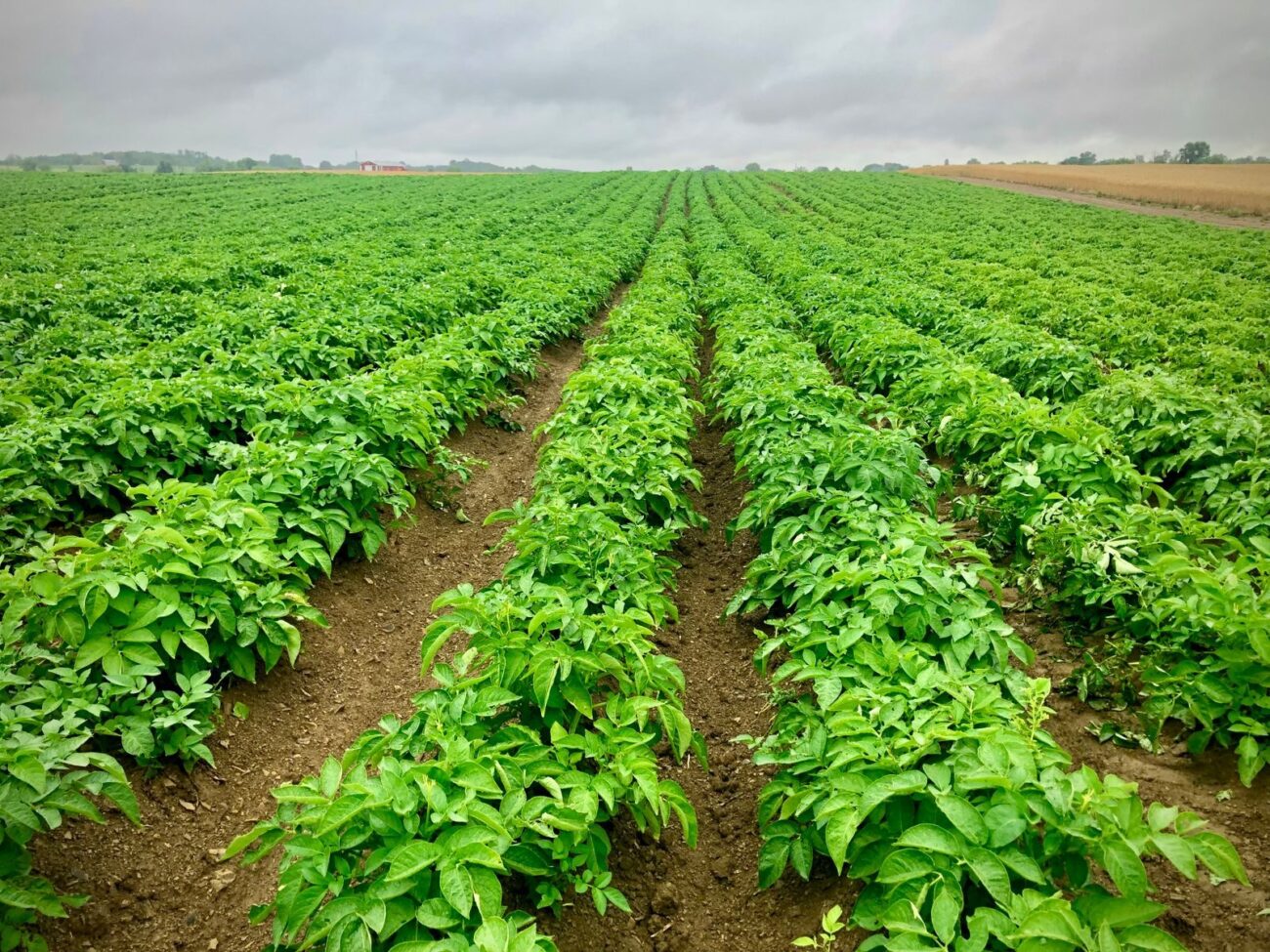
A soil carbon credit is that tonne, stored in the ground. Certain farming changes cause soil to hold more carbon than it did before. Growing cover crops instead of leaving fields bare. Ploughing less, or not at all. Better managed grazing. Do these, and over years the soil carbon can rise.
The credit is the paperwork that says one tonne of CO₂ went into the soil because of those changes. A company buys it, and counts it against a tonne it emitted somewhere else.
So the credit is a claim. And a claim is only worth what stands behind it.
The Three Promises Behind the Claim
For a credit to mean anything, three things have to be true. These are the same three that every serious carbon standard checks.
The carbon is really there. The soil holds a tonne more than it used to. This is the measurement, and it is the hard one, so it has its own section below.
The change would not have happened anyway. This is called additionality. If a farmer was going to stop ploughing regardless, paying them for it removes no extra carbon. The payment has to be the reason the change happened, or the credit is for nothing.
The carbon stays put. This is called permanence. Carbon that took years to build into the soil can leave again in a single season of ploughing. If the field is worked hard three years later, the carbon goes back to the air, and the credit that was sold no longer represents anything.
There is a fourth check underneath these, called leakage. If a farmer stops ploughing one field but ploughs another harder to make up for it, the carbon saved in the first field is lost in the second. The books have to account for that.
All four are ways of asking the same question. Is this credit real, or does it just look real on paper?
MRV: the Three Letters That Do the Work
The system for checking all of this has a name. MRV. It stands for measurement, reporting and verification.
Measurement is working out how much carbon the soil holds, and how much more it holds later.
Reporting is writing that down in a standard way, so it can be checked.
Verification is an independent party going through the evidence and confirming it holds up, before any credit is issued.
The Food and Agriculture Organization’s protocol sets out a standard framework and methods for the measurement, monitoring, reporting and verification of soil carbon changes on farms. It is one of the main reference documents for how this is done.
Of the three letters, measurement is the one everything else rests on. Reporting and verification are about honesty and paperwork, and those are solvable. Measurement is about whether you can actually detect the carbon in the first place. That is where my own work gives me something to say.
Why the M Is the Hard Part
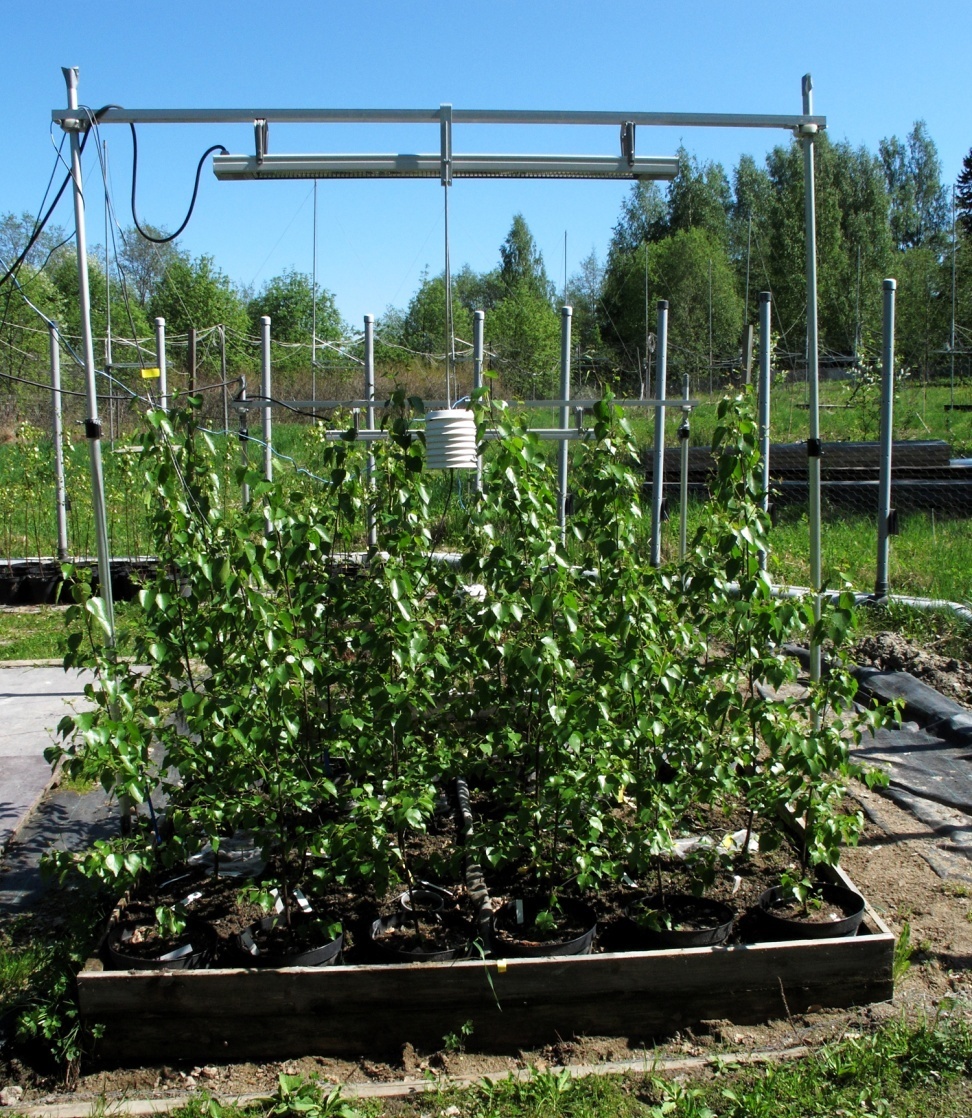
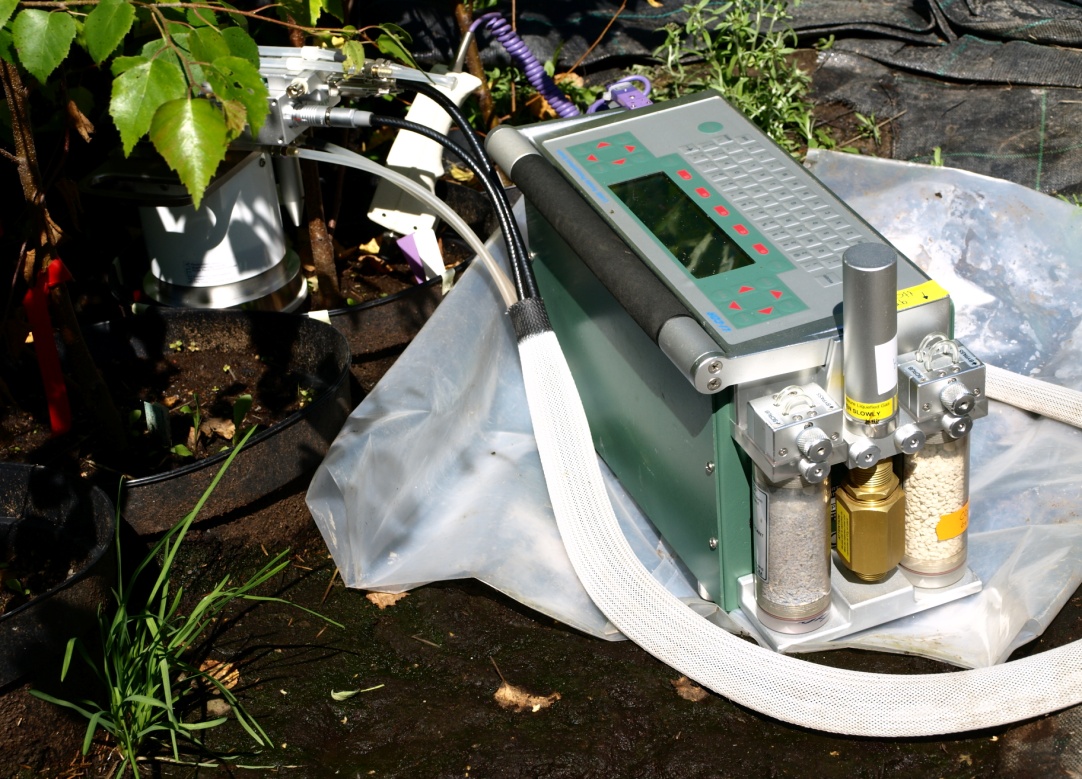
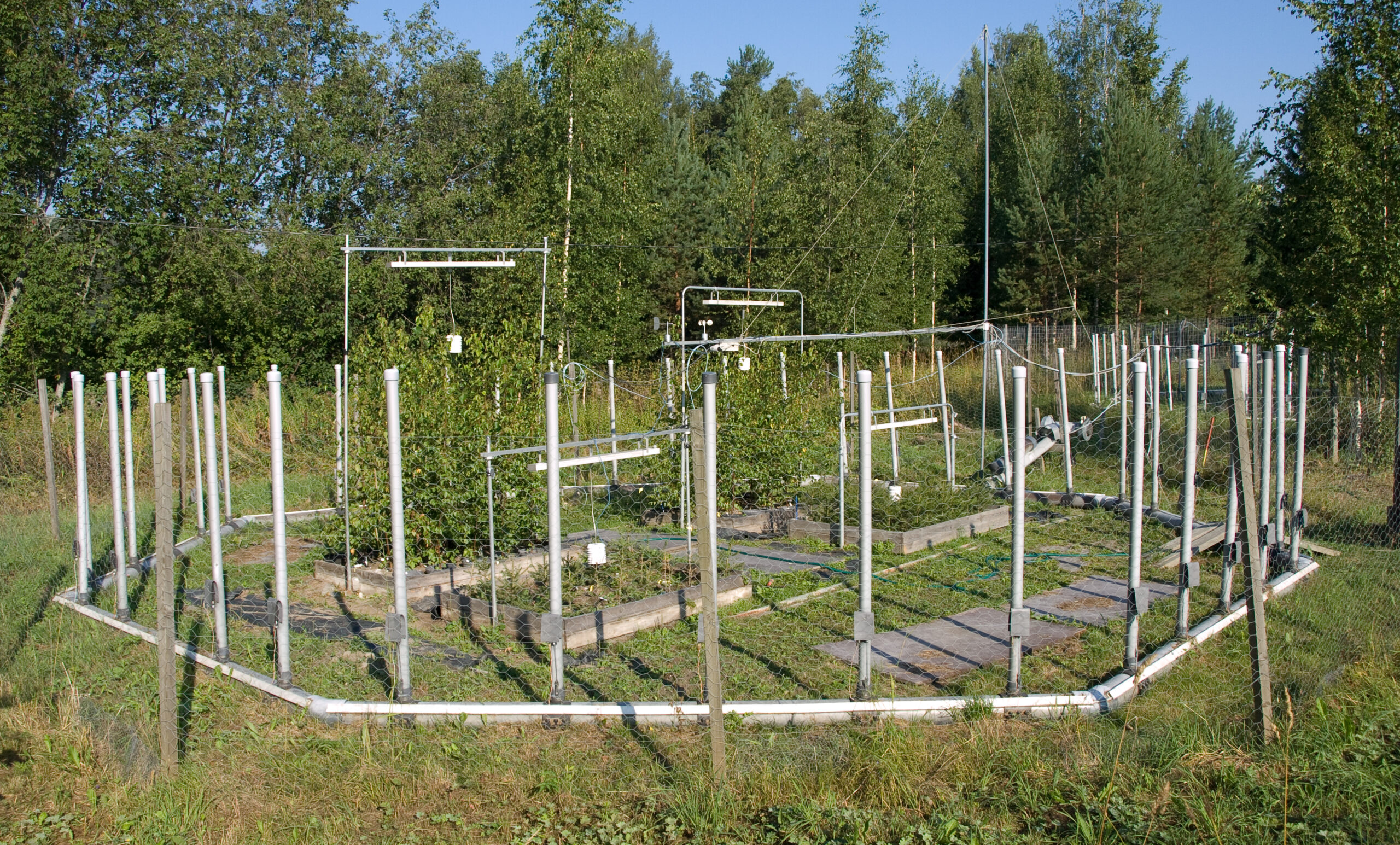
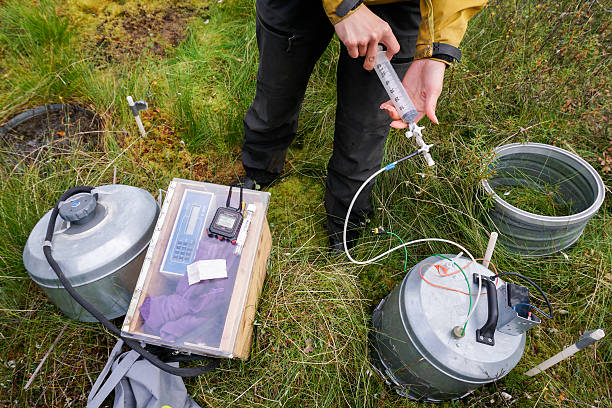
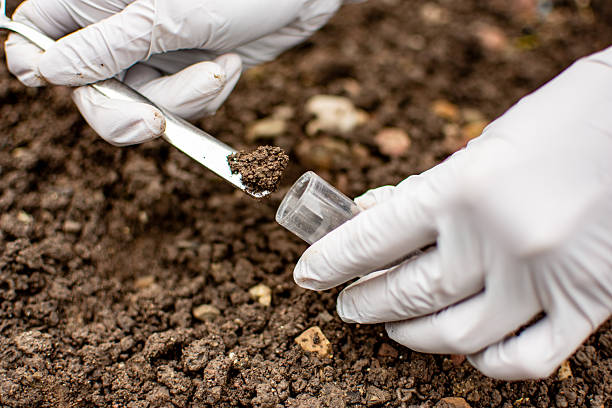
I have measured carbon moving in and out of soil in the field. So when I read about soil carbon credits, the measurement is the part I look at first, and it is harder than the tidy word suggests.
The problem is that soil carbon changes slowly and in small amounts, while soil itself varies enormously from one spot in a field to the next. The change you are trying to detect is smaller than the variation it is sitting inside. I have written separately about why that makes soil carbon so hard to measure, and why one study needed 650 samples to prove a change had happened at all.
This is different from a tree. A tree you can find, measure, and come back to. Soil carbon is spread thin through the ground, it moves, and it changes with the weather and the season. Two people sampling the same field can get different answers, and neither is wrong.
Because direct sampling is so expensive at scale, most large projects now combine a smaller amount of sampling with computer models and satellite data. That lowers the cost. It does not remove the underlying difficulty, because the models still have to be checked against real soil samples, and those still carry all the variation described above.

The Part That Ties It Together
Here is the detail that changed how I read the whole subject.
A real MRV system does not just produce a number for the carbon. It produces the number and a measure of how uncertain that number is. Then it subtracts some of the credits to account for the uncertainty.
A study describing one large MRV pipeline in the Journal of Environmental Management sets this out. The system takes in farm data, combines soil sampling with modelling to estimate both the carbon change and its uncertainty, then applies deductions based on that uncertainty and on leakage before any credits are issued.
Read that again, because it is the key to everything. The more uncertain the measurement, the fewer credits you are allowed to sell. A noisy, poorly controlled measurement is penalised directly, in credits, which is to say in money.
This is the point where my world and the market’s world meet. In measurement work, a result always comes with an uncertainty attached, and a result with large uncertainty is worth less. The carbon market has taken that idea and put a price on it. Better measurement means a smaller deduction and more sellable credits. Worse measurement means a bigger deduction and fewer.
So measurement quality is not a technical detail buried at the bottom of the process. It is the thing that decides how much the credit is worth.
What to Take From This
A soil carbon credit is a promise that a tonne of CO₂ is sitting in a field, that it is there because someone paid for it to be, and that it will stay. MRV is the system that checks the promise. Measurement is the hard part of MRV, because soil carbon changes are small and soil is variable, and the size of the uncertainty is subtracted straight from the credits.
None of this means soil carbon credits are worthless. It means the number on one is an estimate with an error attached, and the error is priced in. Anyone buying or selling should understand that a credit is only as good as the measurement behind it.
The rest of this series digs into the measurement itself: why soil carbon is so hard to measure, and the choice of how deep to sample and on what basis, which can move the answer on its own.