


Taking a soil sample sounds simple. Push something into the ground, pull it out, put the soil in a bag. Done.
The reality is more nuanced, and getting it wrong affects every analysis that follows. A disturbed sample tells you very little about how carbon, nutrients, and microbes are distributed through the soil profile. An undisturbed core sample preserves the structure, layering, and spatial relationships that make soil data meaningful.
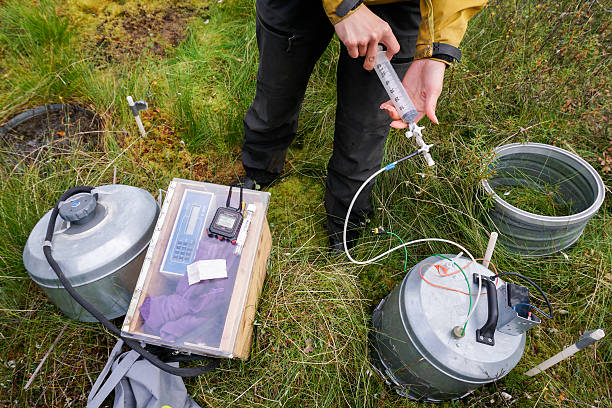
I collected soil samples in my field research as part of the laboratory analysis work alongside the continuous field measurements. That experience, combined with what I studied in biogeochemistry about soil carbon pools and measurement methods, gives me a practical understanding of what matters when choosing a soil sampling tool. This guide explains the main options and how to match them to your situation.
What Is a Soil Core Sampler?
A soil core sampler is a hollow tube or cylinder that is pushed or driven into the soil to extract a cylindrical column of soil with its structure as intact as possible. The core sample can then be sectioned by depth, weighed, dried, and analysed for organic carbon content, bulk density, nutrient levels, microbial activity, or other parameters.
The key word is undisturbed. An auger or spade sample mixes soil from different depths and destroys the structure. A core sampler preserves the vertical profile so you can analyse specific depth increments separately. For soil carbon research this matters enormously because carbon distribution changes significantly with depth and mixing samples from different horizons produces meaningless average values.
Types of Soil Sampling Tools
Soil augers are the most basic option. A spiral or bucket auger is screwed into the soil and withdrawn, bringing soil up with it. Simple hand augers are inexpensive and work well in loose, moist soils for collecting mixed samples for nutrient or pH testing where exact depth profiling is not critical. For carbon stock research where depth-specific undisturbed samples are needed, a basic auger is not sufficient.
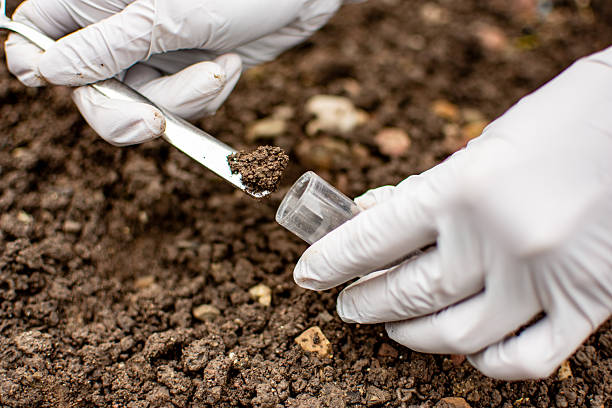
Soil core samplers use a thin-walled tube that is pushed or hammered into the soil. The tube walls are thin enough to minimise soil compression and disturbance during insertion. When withdrawn, the core remains inside the tube and can be extruded and sectioned in the field or transported to the laboratory intact in a plastic liner. These are the standard tool for bulk density measurements and depth-resolved carbon sampling.
Split core samplers have a tube that splits lengthwise, allowing the core to be examined and sampled from the side rather than extruded from the end. This is useful when you need to photograph the soil profile, identify horizon boundaries visually, or take precise subsamples from specific layers.
Bulk density kits use a core sampler of known internal volume combined with a slide hammer for consistent insertion force. Because the volume of soil extracted is precisely known, drying and weighing the sample gives you bulk density directly. This is essential for converting soil carbon concentration measurements to carbon stock estimates expressed per unit area.
Peat and wetland samplers are designed for saturated, compressible organic soils where standard samplers compress and distort the sample during insertion. Russian peat borers and Wardenaar cutters are the standard tools for sampling deep peat profiles. These are specialist instruments not commonly found on general retail platforms.
Shop Soil Sampling Tools on Amazon →
What Depth Do You Need to Sample?
This is the most important question to answer before choosing a sampler.
For surface soil carbon research in the top 30 cm, a simple push core or small hammer-driven core sampler handles most soils adequately. Extension rods allow deeper sampling with the same basic sampler.
For deeper carbon stock assessments to 1 metre or more, a more robust auger system with multiple extension rods and a slide hammer is needed. Full sampling kit systems from manufacturers like AMS provide everything for reaching depths of several metres in suitable soil conditions.
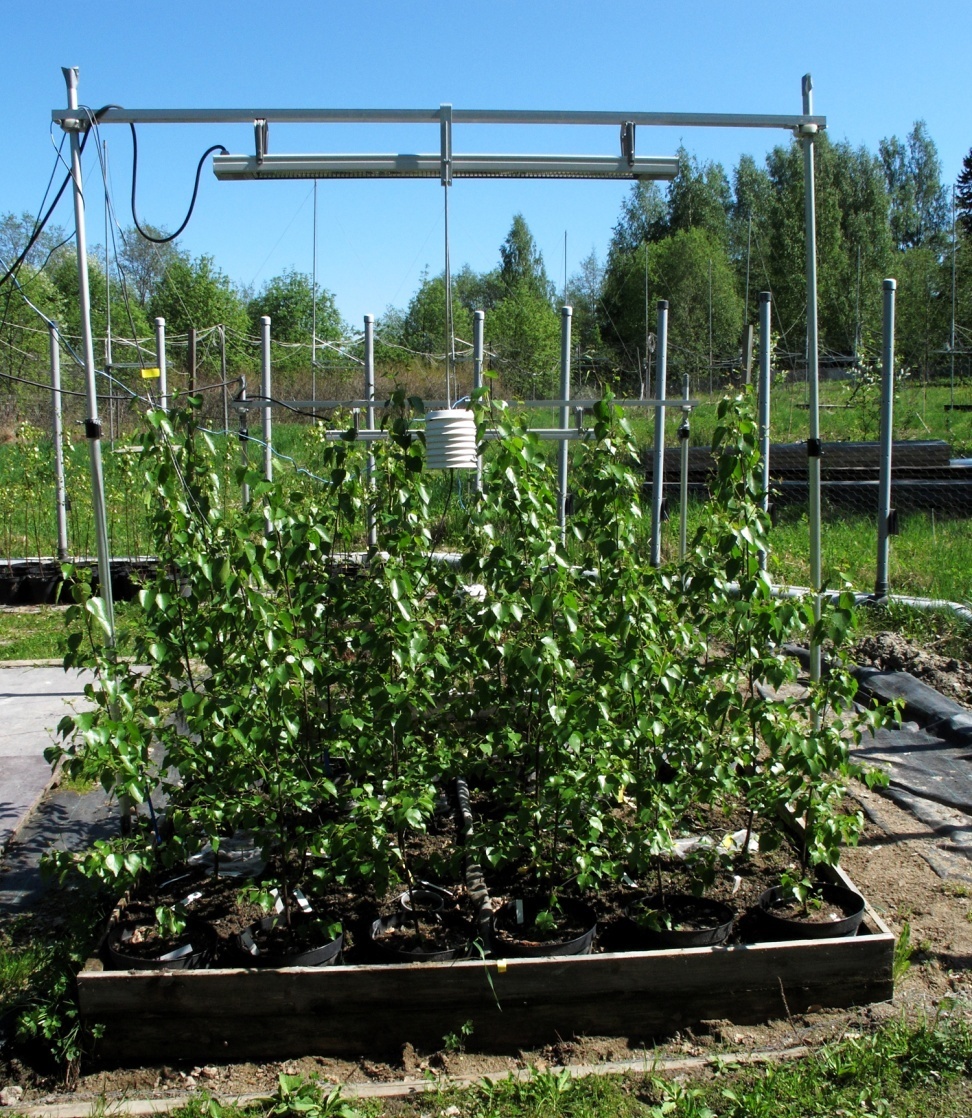
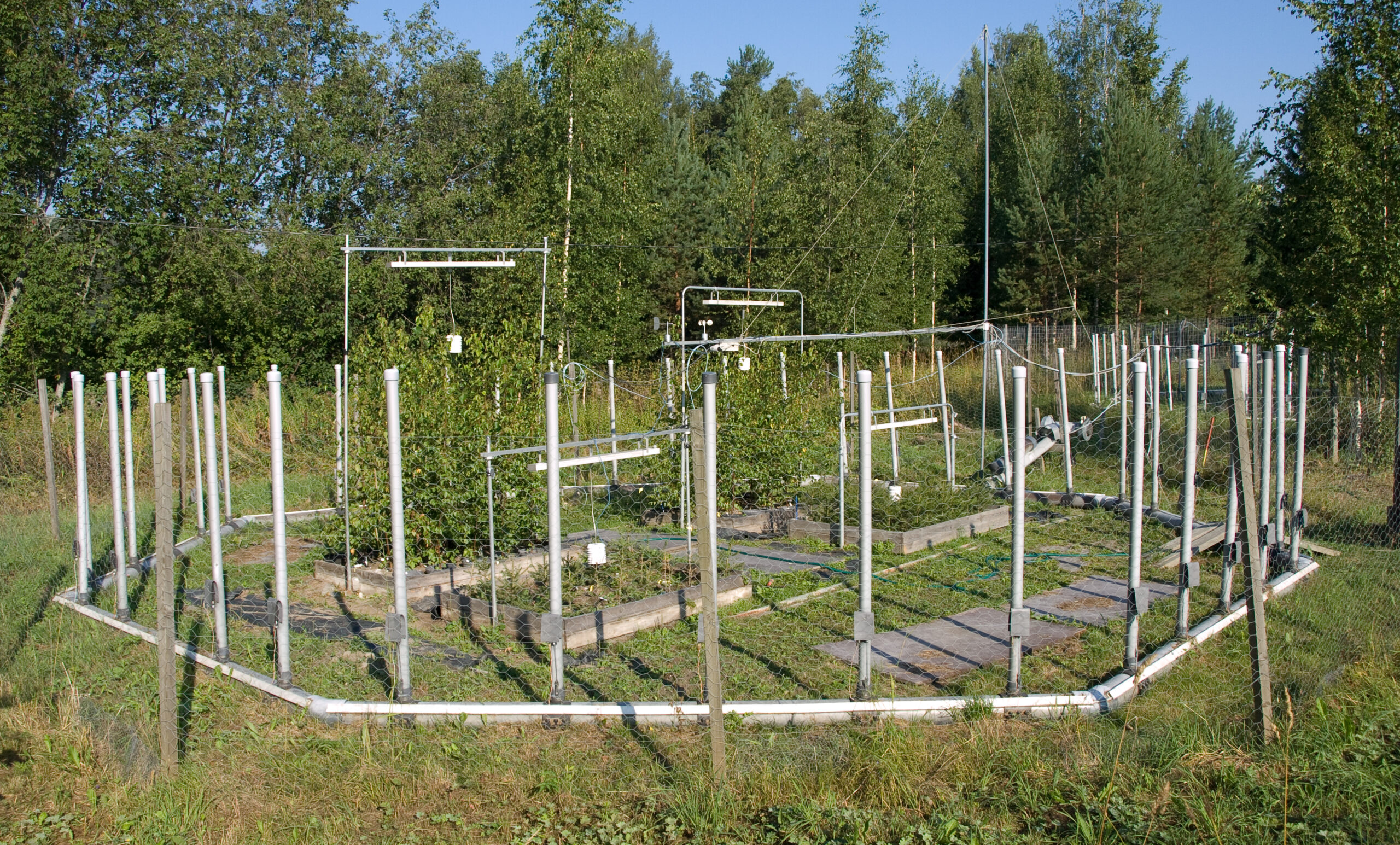
For shallow root zone sampling in experimental plots like mine, where I needed depth-resolved samples from the upper 10 to 15 cm to match my respiration measurements, a simple push core sampler of known diameter and depth gives clean, repeatable results without specialist equipment.
Where to Buy Soil Sampling Equipment
This is equipment that largely lives outside the mainstream retail market. The best options come from specialist suppliers.
AMS Samplers is one of the most established manufacturers of soil sampling equipment for research and professional use. Their kits range from simple hand augers to complete coring systems with extension rods, slide hammers, liners, and carrying cases. Available directly through ams-samplers.com and through scientific equipment distributors.
Forestry Suppliers stocks a range of soil sampling tools suitable for ecological and forestry research, including simple push corers and auger kits. Accessible through forestrysuppliers.com.
Amazon does stock some basic soil sampling tools. Simple hand augers, soil probe rods, and basic core samplers are available and suitable for shallow sampling in agricultural or garden contexts. For research-grade undisturbed core sampling, the specialist supplier route gives better equipment selection and quality assurance.
For Basic Sampling on Amazon
If you need a simple soil probe or basic auger for shallow sampling, testing pH or nutrients, or collecting mixed surface samples for general soil health assessment, Amazon has practical options at accessible prices.
Search for “soil sample probe” or “soil auger” and look for stainless steel construction with at least 4 stars and 100 reviews. These work well for agricultural sampling, garden soil testing, and basic field work where undisturbed core sampling is not the priority.
Shop Soil Sampling Tools on Amazon →
Things Worth Knowing Before You Buy
Do I need an undisturbed core or is a mixed sample sufficient?
For bulk density, carbon stock, and depth profile analysis you need an undisturbed core. For pH, nutrient, and general fertility testing a mixed auger sample is usually adequate and much simpler to collect.
What diameter core do I need?
Larger diameter cores give more material per sample, which is important for analyses requiring a minimum sample mass. Standard research core samplers range from 2.5 cm to 10 cm diameter. For most soil carbon analyses, a 5 cm diameter core at 10 cm depth increments gives sufficient material.
How many samples do I need per site?
Soil is inherently variable. Single cores are rarely representative of a plot or field. A minimum of 5 to 10 cores per sampling unit, composited or analysed individually, is standard practice for research applications. More cores give better spatial representation.
Can I use the same sampler for different soil types?
Stainless steel samplers handle most mineral soils well. Wet clay soils may require a mud auger to prevent clogging. Sandy soils lose structure easily and may need a core catcher at the base of the sampler to retain the sample on withdrawal. Organic and peat soils need specialist samplers designed for compressible material.