




Wind is the variable most field researchers think about last and regret ignoring first.
I made sure not to make that mistake.
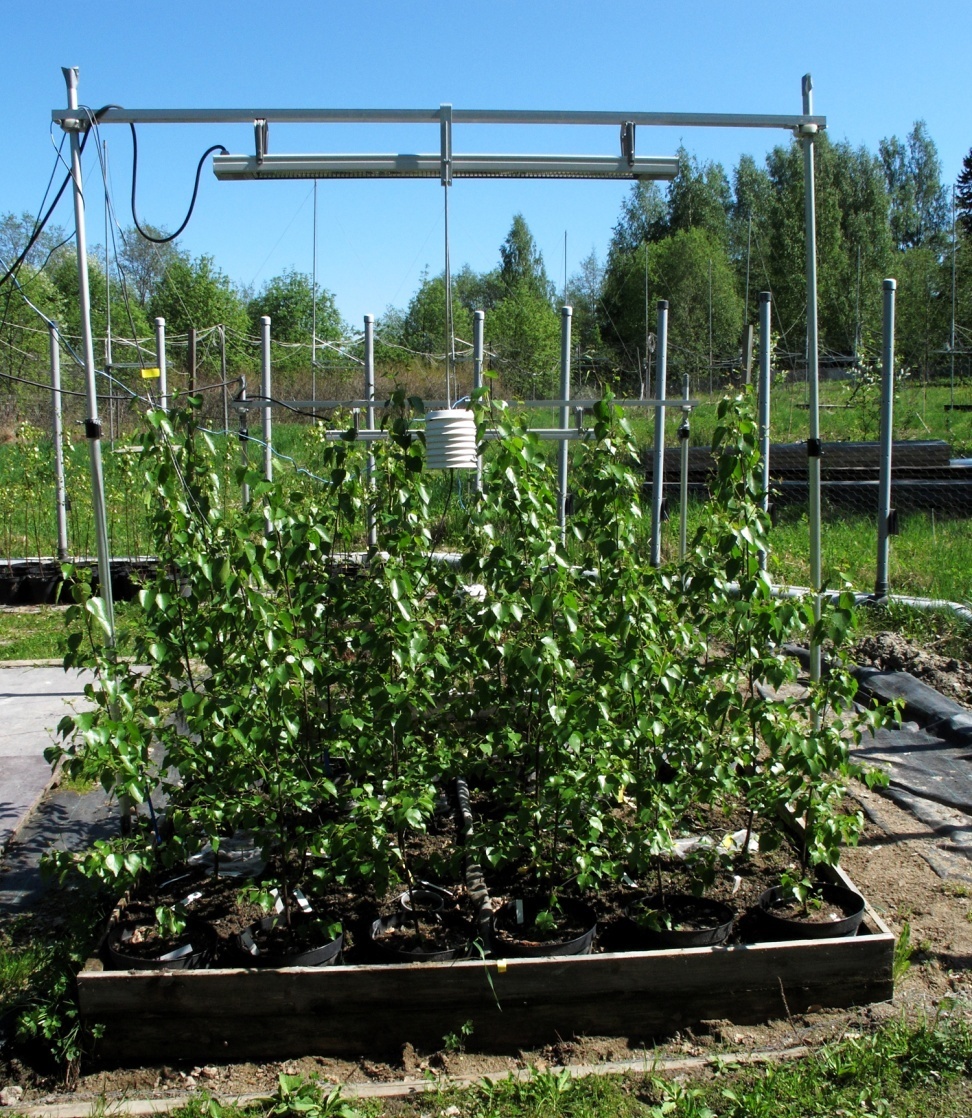
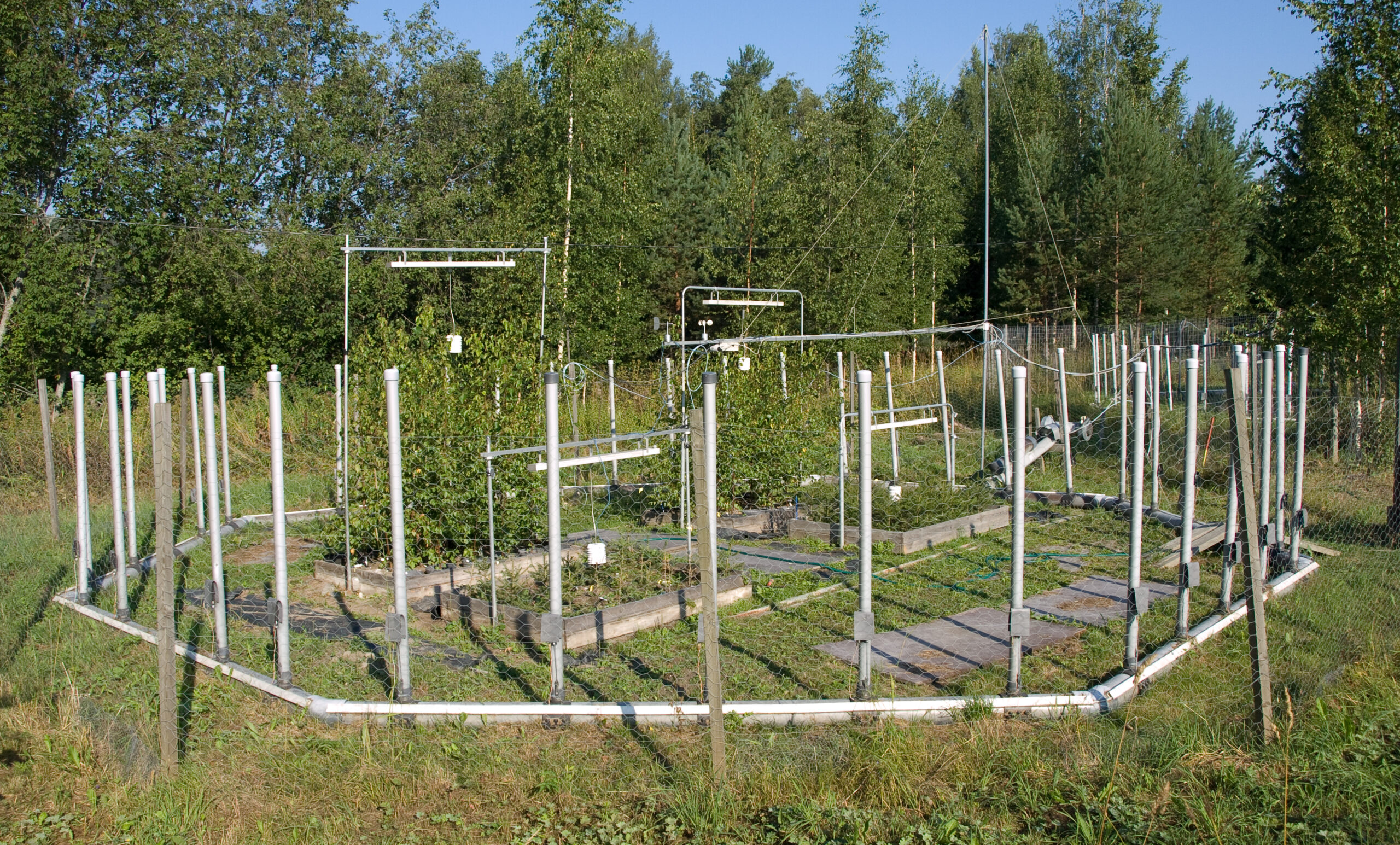
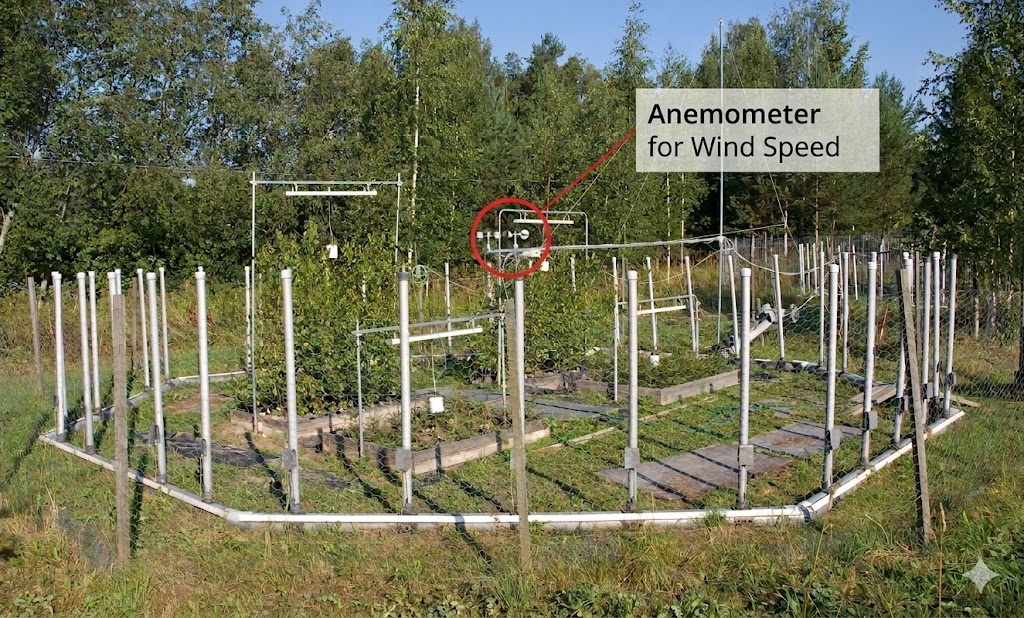
In my open-air field experiment, wind speed and direction were monitored continuously throughout the entire growing season. The reason was specific and practical. My experiment involved elevating ozone concentrations in treatment plots using a free-air fumigation system.
How effectively that ozone reached the target plants, and whether it drifted into control plots and contaminated the results, depended directly on wind conditions at any given moment. Without continuous wind monitoring, I would not have known whether my ozone treatments were actually working as intended.
That experience gave me a very concrete understanding of why wind sensors matter in field research. This article explains how they work, what types are available, and when you actually need them.
What Is an Anemometer?
An anemometer is an instrument that measures wind speed. The word comes from the Greek anemos meaning wind. Most anemometers also work alongside a wind vane, which measures wind direction, giving you a complete picture of airflow at the measurement point.
Together, wind speed and direction data tell you how air is moving across your field site. In weather forecasting this feeds into atmospheric models. In environmental field research it tells you something more immediate and practical, whether your experimental conditions are being maintained as designed and how atmospheric transport is affecting what you are measuring.
How Does a Wind Speed Sensor Work?
There are several types of anemometer, each using a different physical principle to convert wind movement into a measurable signal.
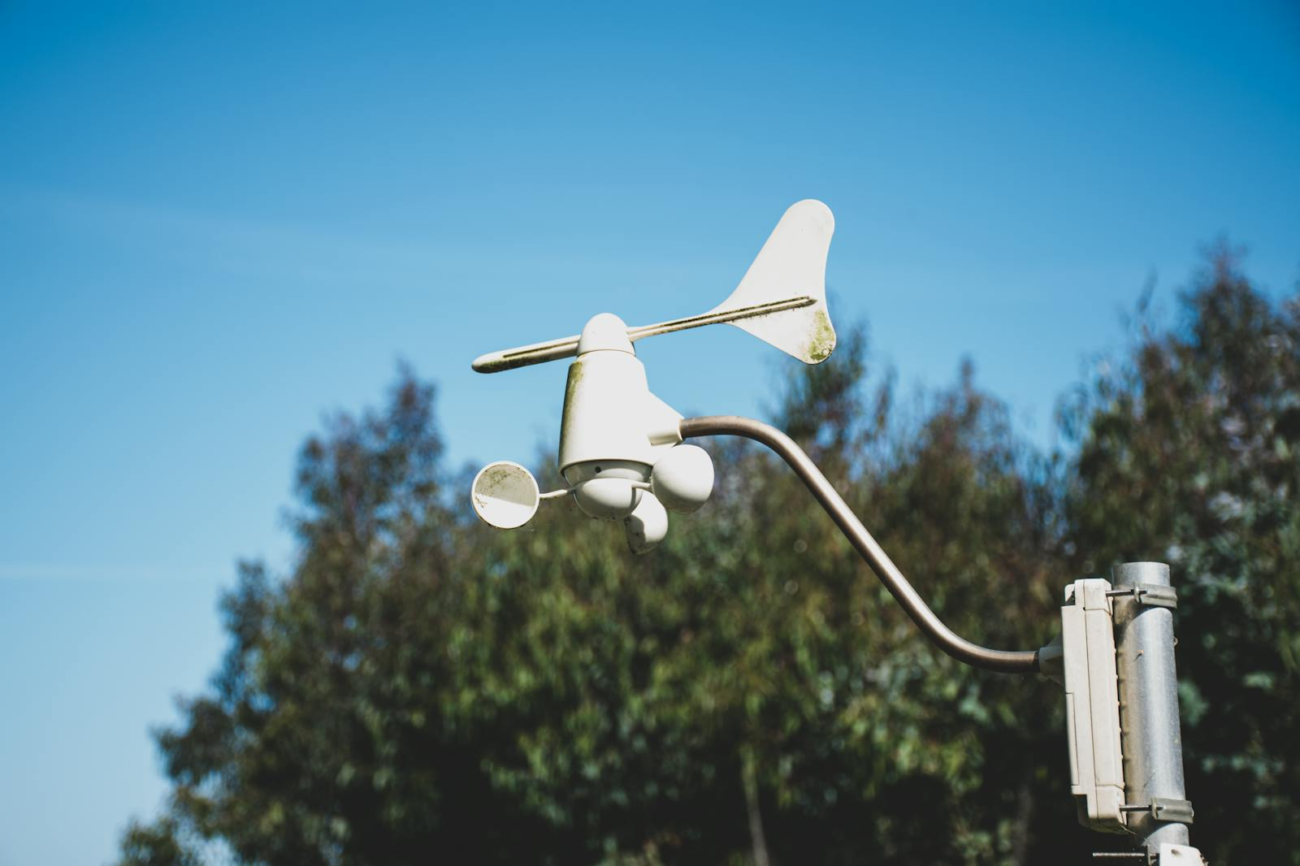
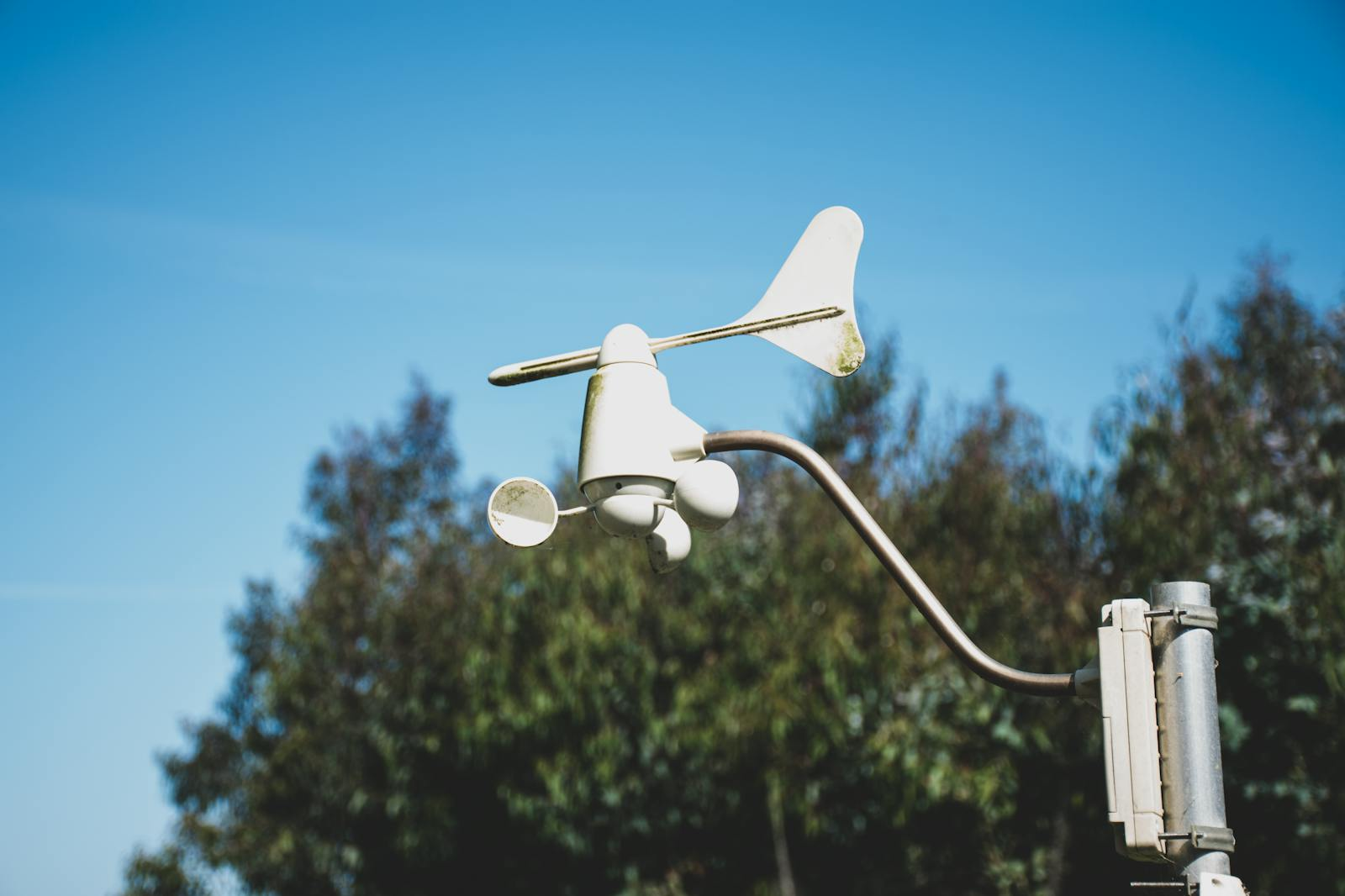
Cup anemometers are the most familiar type. Three or four hemispherical cups are mounted on horizontal arms that rotate around a vertical axis. Wind pushes the cups and causes the assembly to spin. The rotation speed is proportional to wind speed. A sensor counts the rotations per unit time and converts that to a wind speed value. Cup anemometers are robust, simple, and widely used in weather stations and long-term environmental monitoring setups. They are what I think of as the default choice for most field research applications.
Sonic anemometers use ultrasonic pulses rather than moving parts. Pairs of transducers send ultrasonic signals to each other across a fixed distance. Wind affects the travel time of those pulses. By measuring the difference in travel time between upwind and downwind directions, the instrument calculates wind speed and direction simultaneously with no moving parts to wear out or ice up. Sonic anemometers are the standard choice for eddy covariance flux towers where you need very high frequency three-dimensional wind measurements. They are more expensive than cup anemometers but far more capable for research applications requiring precision.
Vane anemometers combine a propeller or fan with a wind vane in a single handheld instrument. These are portable and commonly used for spot measurements rather than continuous monitoring. For a field researcher who needs to quickly check wind conditions at a specific location, a handheld vane anemometer is a practical tool.
Hot wire anemometers measure wind speed by detecting how much a heated wire is cooled by airflow. They are extremely sensitive and capable of measuring very low wind speeds and rapid fluctuations, but they are fragile and better suited to controlled laboratory conditions than outdoor field deployments.
Does an Anemometer Measure Wind Direction?
A standard cup anemometer measures wind speed only. Wind direction requires a separate instrument called a wind vane, which is an arrow-shaped device that aligns itself with the wind and reports the compass direction from which the wind is coming.
In most environmental monitoring setups, a cup anemometer and wind vane are mounted together on the same mast and connected to the same data logger, giving you both speed and direction in a single combined dataset. Sonic anemometers are the exception, they measure both speed and direction simultaneously without needing a separate vane because they capture three-dimensional airflow directly.
In my field experiment, both wind speed and direction were recorded continuously. Direction mattered as much as speed for interpreting ozone distribution. A consistent wind from one direction could mean that ozone from fumigated plots was drifting preferentially toward certain control plots, which would affect how I interpreted the results. Knowing the wind direction record for every measurement day was part of how I defended the validity of the treatment comparisons.
Why Are Anemometers Important in Environmental Field Research?
The obvious reason is weather characterisation. Knowing the wind conditions during an experiment helps you understand and explain variability in your results.
But there are more specific reasons that matter depending on your research design.
In any experiment involving gas treatment, whether that is elevated CO₂, ozone fumigation, or volatile compound dosing, wind determines how those gases move through the experimental space. A strong wind can dilute a treatment below its intended concentration. A wind shift can carry treatment gases into control areas. Without wind monitoring you cannot verify that your treatment delivery was consistent, which undermines your ability to draw conclusions from the data.
Wind also affects temperature measurements. Air temperature sensors need to be shielded from direct sunlight and rain but must also be ventilated so that air moves across them freely. In calm conditions, sensors can overheat inside their radiation shields if there is no natural airflow. Knowing wind conditions helps you identify periods where temperature readings may have been compromised.
In soil respiration measurements, strong wind events can affect gas diffusion at the soil surface and influence chamber readings. Having a wind record alongside respiration data helps identify measurements that may have been taken under unusual atmospheric conditions.
How Do Scientists Measure Wind Speed in Field Research?
For continuous long-term monitoring, scientists mount a cup anemometer and wind vane on a mast at a standardised height, typically 2 metres for near-surface meteorological measurements, though height varies by application. The instruments connect to a data logger that records wind speed and direction at defined intervals, commonly every 30 minutes for environmental monitoring.
For eddy covariance research, a sonic anemometer is mounted above the canopy and records at 10 to 20 measurements per second to capture the turbulent fluctuations that drive gas exchange between the ecosystem and atmosphere.
For portable spot measurements, a handheld vane anemometer gives a quick reading at any location without the need for permanent installation.
In my field experiment, wind monitoring was part of the continuous environmental monitoring system that fed data to the central computer in the field cabin. Wind speed and direction appeared on screen alongside temperature, humidity, soil moisture, and ozone concentration, giving a complete real-time picture of conditions across all plots at once.
What to Look for When Choosing a Wind Sensor
For most environmental field research applications, a cup anemometer with a wind vane is the practical starting point. Key things to consider are measurement range, starting threshold, accuracy at low wind speeds, durability in outdoor conditions, and compatibility with your data logger.
Starting threshold matters more than most people realise. A cup anemometer with a high starting threshold will not register very light winds, which can be a problem in sheltered sites or during calm periods. For forest or vegetation research where you are often measuring in partially sheltered conditions, choosing an instrument with a low starting threshold gives you a more complete wind record.
For research requiring high-frequency measurements or three-dimensional wind data, a sonic anemometer is the right choice despite the higher cost. The data quality and absence of moving parts justify the investment for long-term or precision research deployments.
If you want to track wind speed and direction at home or on a small site, a weather station is the easiest way to start. The Ambient Weather WS-2902 is a good basic option. It uses a cup anemometer and wind vane, the same type of sensor described above.
The WS-5000 costs more and uses an ultrasonic sensor with no moving parts, so there is nothing to wear out or freeze up.
Check the Ambient Weather WS-2902 on Amazon →
Check the Ambient Weather WS-5000 on Amazon →
Frequently Asked Questions
How does a wind speed sensor work?
Most cup anemometers work by counting how fast wind-driven cups rotate around a vertical axis. The rotation speed is proportional to wind speed. Sonic anemometers use ultrasonic pulses between transducers, measuring how wind affects pulse travel time to calculate speed and direction without any moving parts.
What does an anemometer measure?
Wind speed. When combined with a wind vane, which is usually mounted alongside it, it also gives wind direction. Sonic anemometers measure both simultaneously in three dimensions without needing a separate vane.
Does an anemometer measure temperature?
No. Temperature requires a separate sensor. In environmental monitoring setups, temperature and humidity sensors are typically mounted on the same mast as the anemometer and connected to the same data logger, but they are separate instruments measuring different parameters.
Why are anemometers important in field experiments?
Because wind affects how gases, heat, and moisture move across an experimental site. In my ozone fumigation experiment, wind speed and direction were critical for verifying that treatment gases were reaching target plots at the right concentration without drifting into control areas. Without that data, the validity of the treatment comparisons would have been harder to defend.
How do scientists measure wind in environmental research?
Typically with a cup anemometer and wind vane mounted at a standardised height and connected to a continuous data logger. For eddy covariance research, sonic anemometers recording at high frequency are the standard. For spot checks, handheld vane anemometers provide quick portable measurements.
What is the difference between a cup anemometer and a sonic anemometer?
Cup anemometers use rotating cups and are robust, affordable, and suitable for most long-term monitoring applications. Sonic anemometers use ultrasonic pulses, have no moving parts, measure in three dimensions, and record at much higher frequency. Sonic anemometers are more expensive and are the standard choice for precision flux research.
What height should an anemometer be mounted at?
The standard meteorological height for near-surface wind measurement is 10 metres. For field experiments measuring conditions close to vegetation, 2 metres is more common. For eddy covariance towers, the anemometer is mounted above the canopy, which can mean 20 to 40 metres or more depending on vegetation height.