



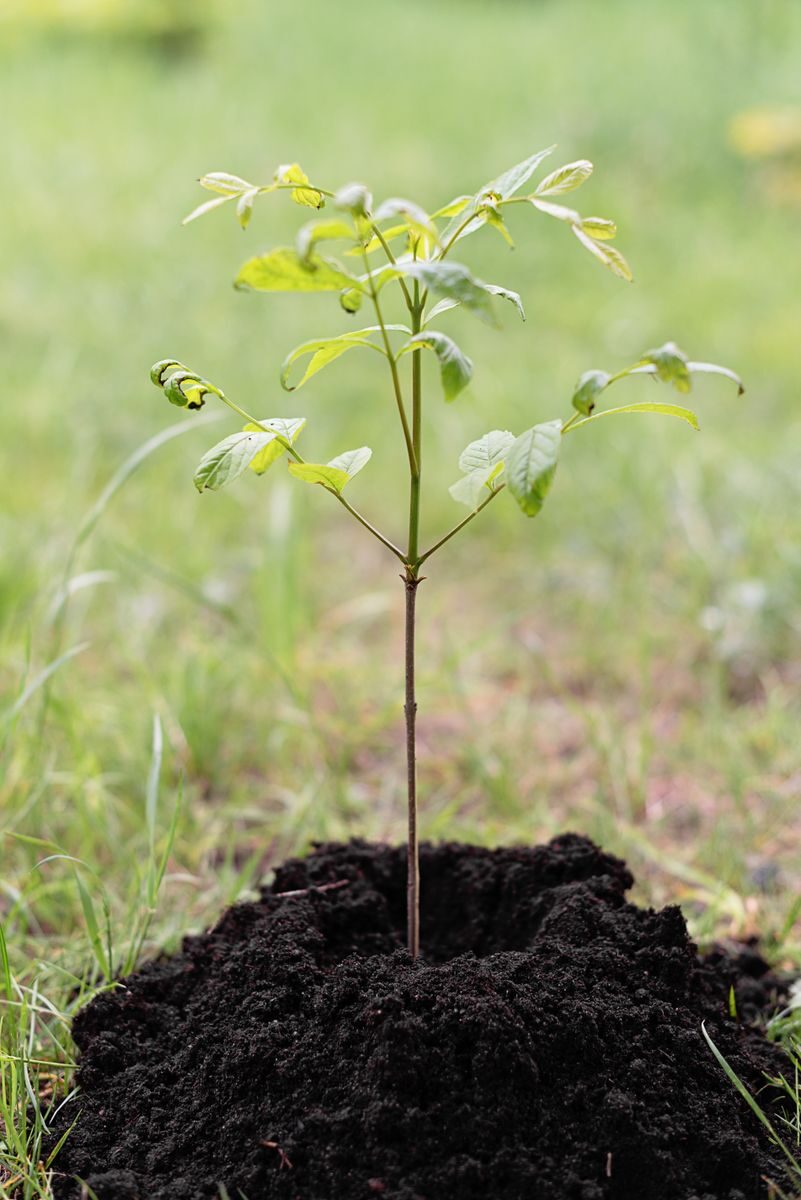
You planted a tree two years ago. You watered it, you looked after it, and it has barely changed. Same height. Same few branches. It is not dying, but it is not growing either. It just sits there, and you are starting to think you did something wrong.
Let me put your mind at ease. In most cases that tree is not failing. It is busy doing something you cannot see.
I have spent a season working with young trees myself…
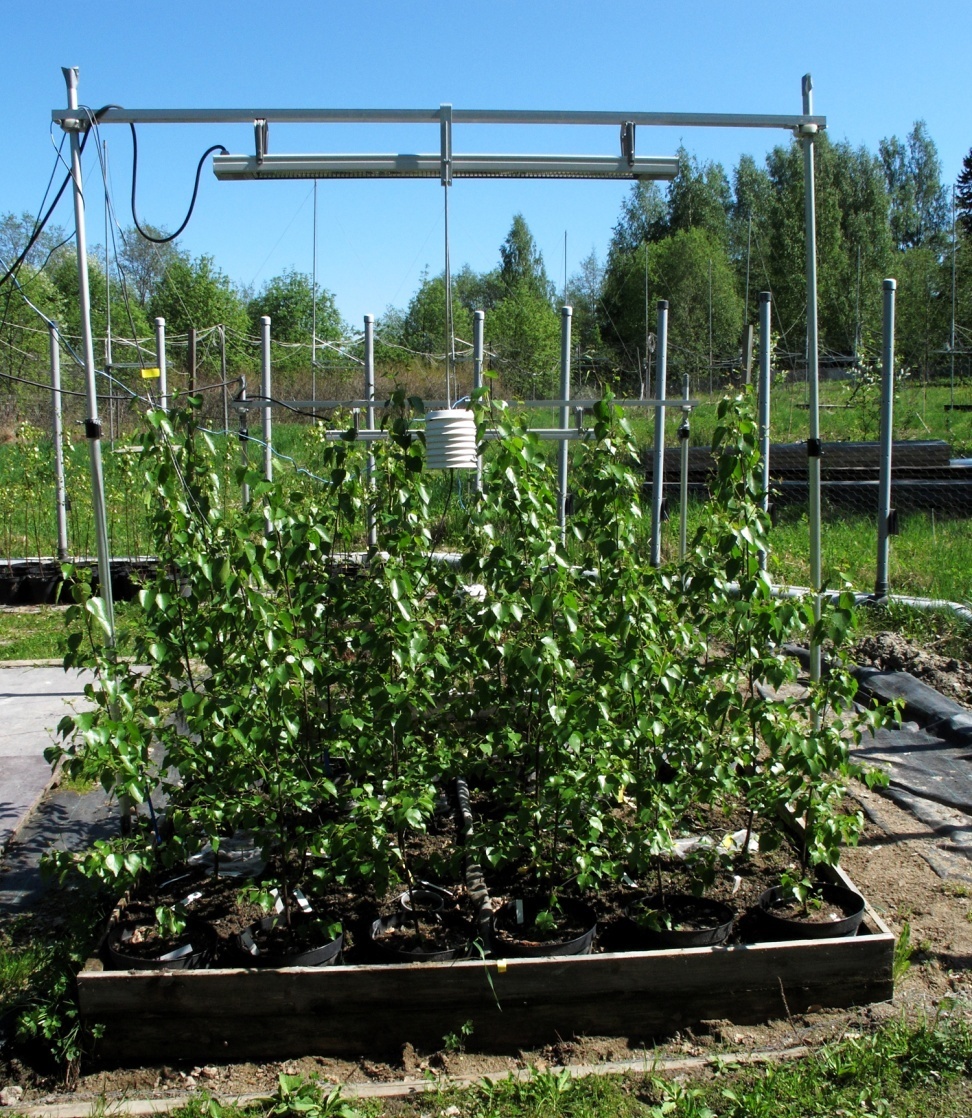
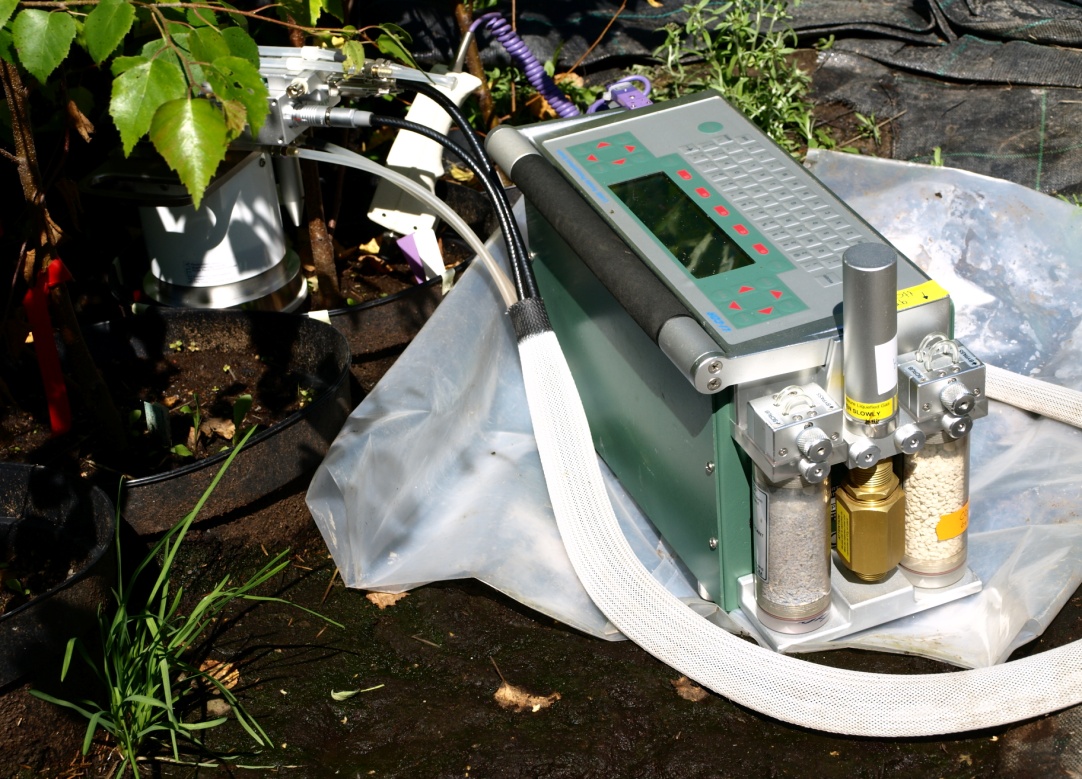
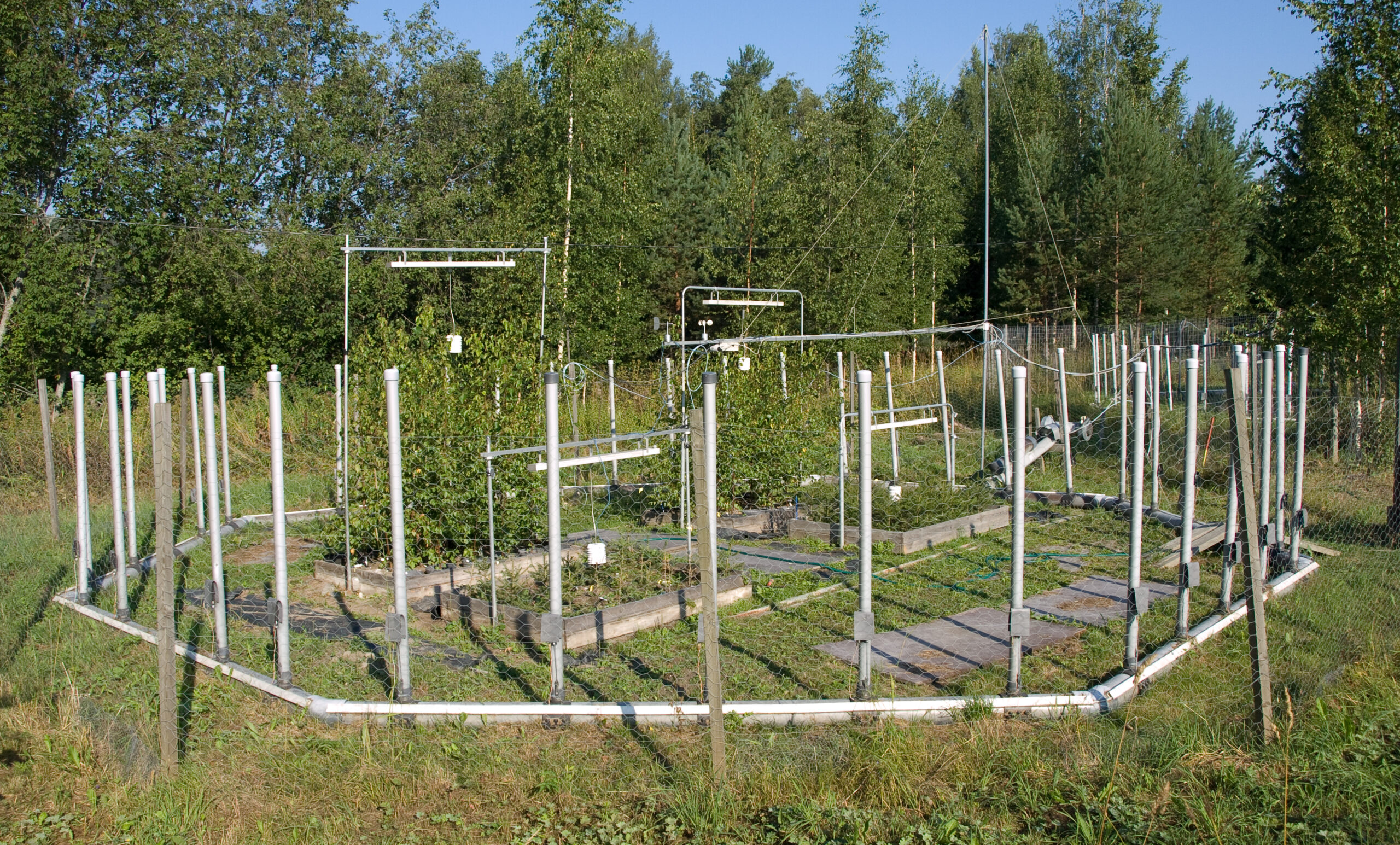
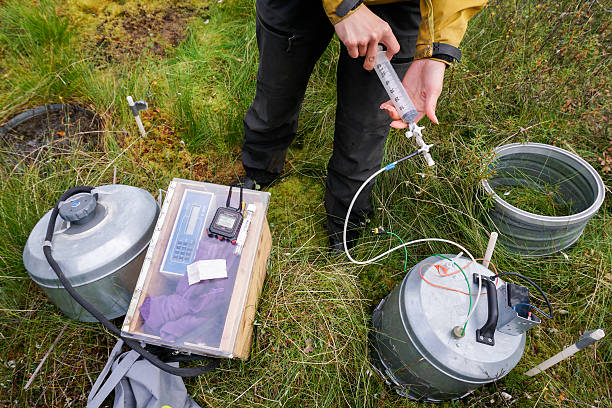
In my field research I looked after 192 young silver birch saplings planted out in an open-air experiment, and I measured their stems every three weeks for months. Two things from that work stayed with me, and both apply to your tree.
The first is how little visible change a young tree makes over weeks. So little that without calipers you would swear nothing was happening at all.
The second is how differently individual trees behave even when they are the same age, in the same soil, given the same conditions. Some pushed ahead. Others sat still. That is why I am slow to call a quiet young tree a failure.
Let me explain what is going on under your tree, and how to help it along.
Why a Young Tree Seems to Stop Growing
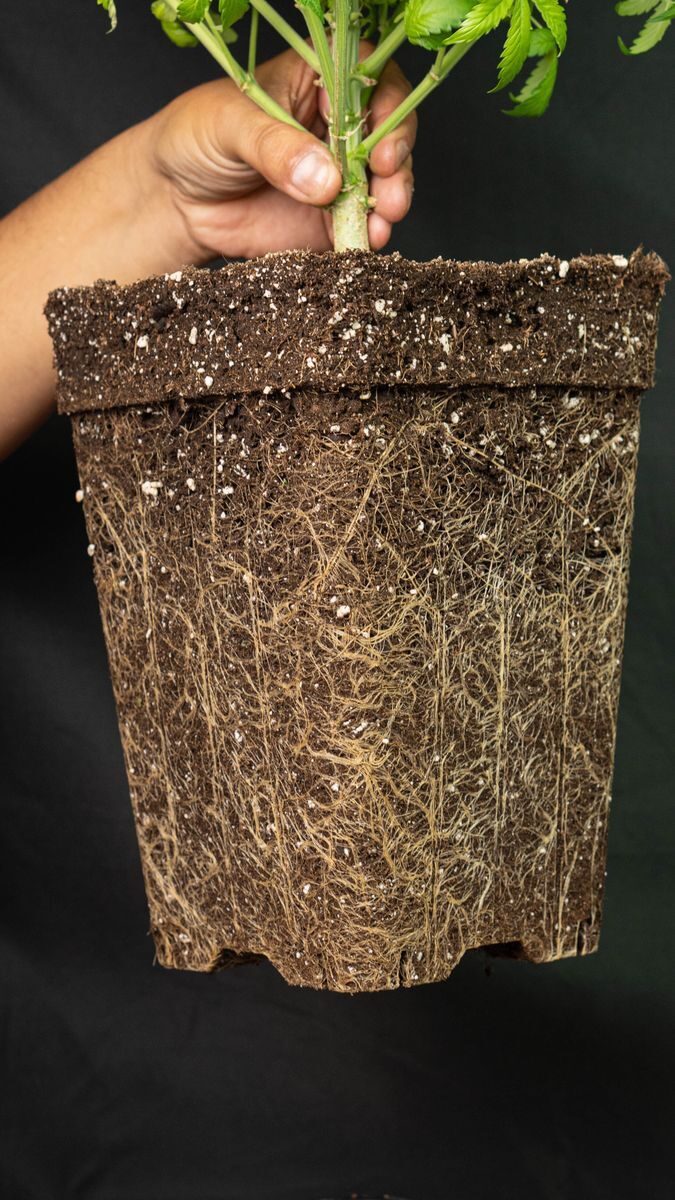
When a tree is dug up at the nursery to be sold, it loses most of its roots. A newly moved tree often keeps only 10 to 20 percent of the root system it had. The rest is left behind in the ground where it grew.
So your tree arrives with a full-sized top and a small fraction of the roots it needs to support it. Before it can grow taller, it has to rebuild that root system.
This is where the way trees spend their energy comes in, and it is the thing I most want you to understand. A tree has a limited budget of energy each year, and it spends it where the need is greatest. For the first few years after planting, that means roots, roots, and more roots.
So the tree looks like it has stopped. Above ground, almost nothing is happening, because nearly all of its energy is going underground into new roots you cannot see. It is not stuck. It is building its foundations. Once the roots catch up with the top, the tree starts putting energy back into growth you can see, and then it moves.
Tree specialists call this early stage transplant shock and establishment. Most trees that fail do so during it, so a tree that is simply pausing rather than declining is doing exactly what it should.
How Long Should It Take?
A common guide among tree people is that a tree needs roughly one year of establishment for every inch of trunk thickness. So a thin young whip may get going within a year or two, while a thicker tree bought at a larger size can take three, four, or more years before it grows away strongly.
Recovery is also uneven. You may see a little progress, then a hot dry spell sets it back, then it recovers again. That stop-start pattern is normal and does not mean you have done anything wrong.
Bigger trees take longer, because they had more top to support on fewer roots. This is one reason a smaller tree often overtakes a larger one planted at the same time. It settles in faster and spends less time in shock.
So two years with little visible growth sits well within normal, especially for anything but the smallest sapling. Your patience is doing more than you think.
When It Is Normal, and When to Worry
Most stuck young trees are fine. Here is how to tell a healthy pause from a real problem.
Signs it is settling in, and no cause for concern:
Growth is small, but the leaves it has look healthy and green.
It leafs out each spring, even if the new growth is short.
The twigs are flexible, and green underneath if you scratch the bark.
Signs something is wrong:
Leaves browning, wilting, or dropping through the season.
Whole branches bare, with dry twigs that snap easily.
It failed to leaf out in spring, or leafed out very late and thin.
The trunk is loose in the ground, or the tree was planted too deep.
Scratch a small twig with your thumbnail. Green and moist underneath means the tree is alive and most likely just settling in. Brown and dry across many twigs is the warning sign.
How to Help Your Tree Get Going
You cannot rush establishment, but you can make it easier for the tree and avoid the mistakes that hold it back.
– Water deeply and regularly, especially in the early years.
A young tree with few roots cannot reach far for water, so it needs steady moisture in the soil around it. Water slowly and deeply rather than a little and often, and keep it up through dry spells. This is the single most useful thing you can do.
– Mulch around the base, but not against the trunk.
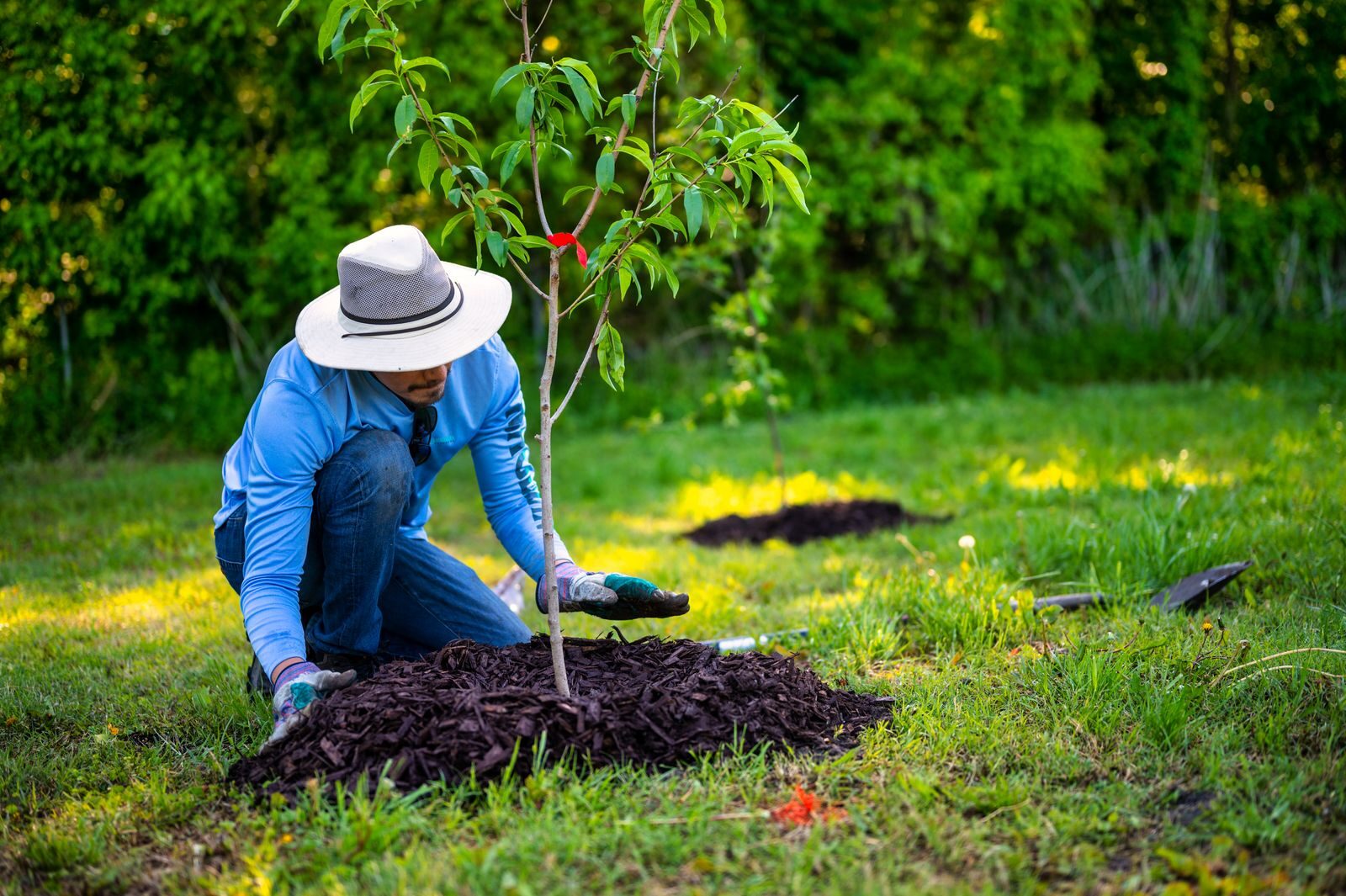
A ring of bark or wood chip holds moisture, keeps the roots cool, and stops grass competing for water. Keep it a few inches clear of the trunk itself.
– Do not feed it heavily.
Fertiliser pushes top growth that a small root system cannot support, and can make settling in harder. Let it root first. Decent soil and mulch are enough.
– Do not prune unless you have to.
Take off only dead or damaged branches. The tree needs its leaves to make the energy it is spending on roots.
– Check it was not planted too deep.
This is a common cause of a stalled tree. The point where the trunk flares out into the roots should sit at soil level, not buried. If it is too deep, lift it carefully and replant at the right height.
– Keep grass and weeds back.
They compete hard with a young tree for water and food. A clear, mulched circle around the base makes a real difference.
– Give it time.
Once the roots are established, growth speeds up on its own. Take a photo now and compare it in a year. You will often see more change than you expect.
What I Would Tell You About Your Tree
Measuring those birch saplings taught me something I keep coming back to. Growth you can see is only half the story in a young tree, and often the less useful half. I was recording changes so small that the eye could not catch them from one visit to the next, while the real work was going on below the soil where no ruler reaches.
So a tree that sits still for two years, with healthy leaves and living twigs, is usually not a failure. It is a slow investment paying itself back, building the roots that will carry decades of growth later.
The people who lose trees at this stage are often the ones who give up, dig them out, or panic and overwater and overfeed. The ones who succeed water steadily, mulch, keep the weeds back, and wait. Give your tree what it needs and the time to use it, and in most cases it will repay you. A tree that looks like it is doing nothing is usually a tree getting ready.
Frequently Asked Questions
Why is my newly planted tree not growing?
Most likely it is rebuilding its roots. When dug from the nursery a tree loses most of its root system, so for the first few years it spends nearly all its energy on new roots underground rather than growth above ground. It looks stuck, but it is laying the foundation for later growth.
How long does it take a planted tree to start growing?
A common guide is about one year of establishment for every inch of trunk thickness, so smaller trees get going in a year or two and larger ones can take three to five years. Progress is often uneven, with gains and setbacks, which is normal.
Is my tree in transplant shock or dying?
Scratch a small twig with your thumbnail. Green and moist underneath means it is alive and most likely just settling in. Brown and dry across many twigs, along with failure to leaf out in spring, is the warning sign. Healthy leaves and living twigs point to a normal pause.
Should I fertilise a tree that is not growing?
No, not heavily. Fertiliser pushes top growth that a small root system cannot support, and can set the tree back. Focus on steady watering and mulch, and let it root first. Feed only once it is growing away well.
Why do smaller trees often grow faster than bigger ones?
A smaller tree has less top to support on its reduced roots, so it settles in faster and spends less time in shock. A larger tree bought for instant effect often sits still for years while it catches up, and a smaller one planted at the same time can overtake it.
How much should I water a newly planted tree?
Deeply and regularly, especially in the first two or three years and through dry spells. A young tree has few roots and cannot reach far for water, so keep the soil around it steadily moist, watering slowly and deeply rather than a little and often. Avoid waterlogging it, though, since roots need air as well as water.