







You cannot see ozone damage happening.
A forest under chronic ozone stress looks completely normal from a distance. The trees are green, the canopy is full, and nothing appears wrong. I spent a full growing season measuring what was actually happening inside those trees and the data showed something very different from what the eye could see.
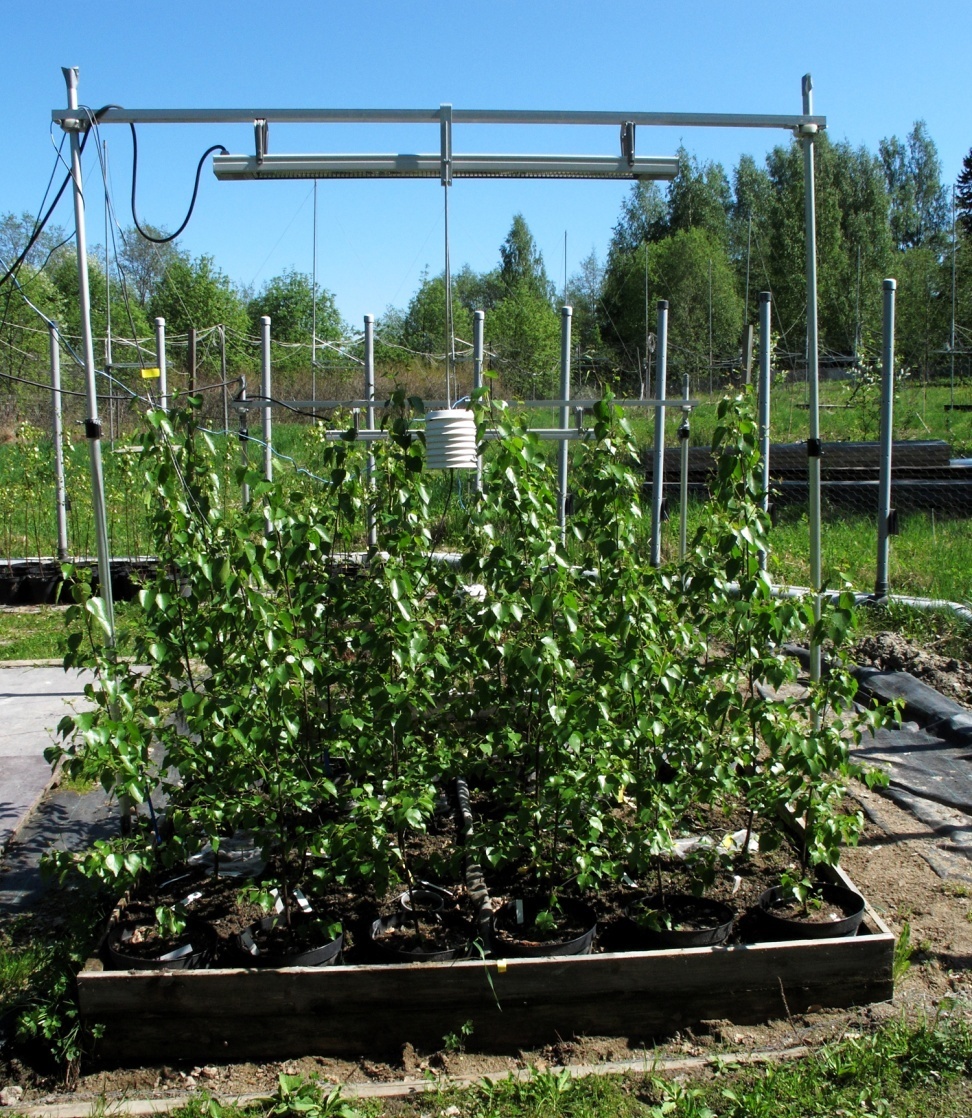
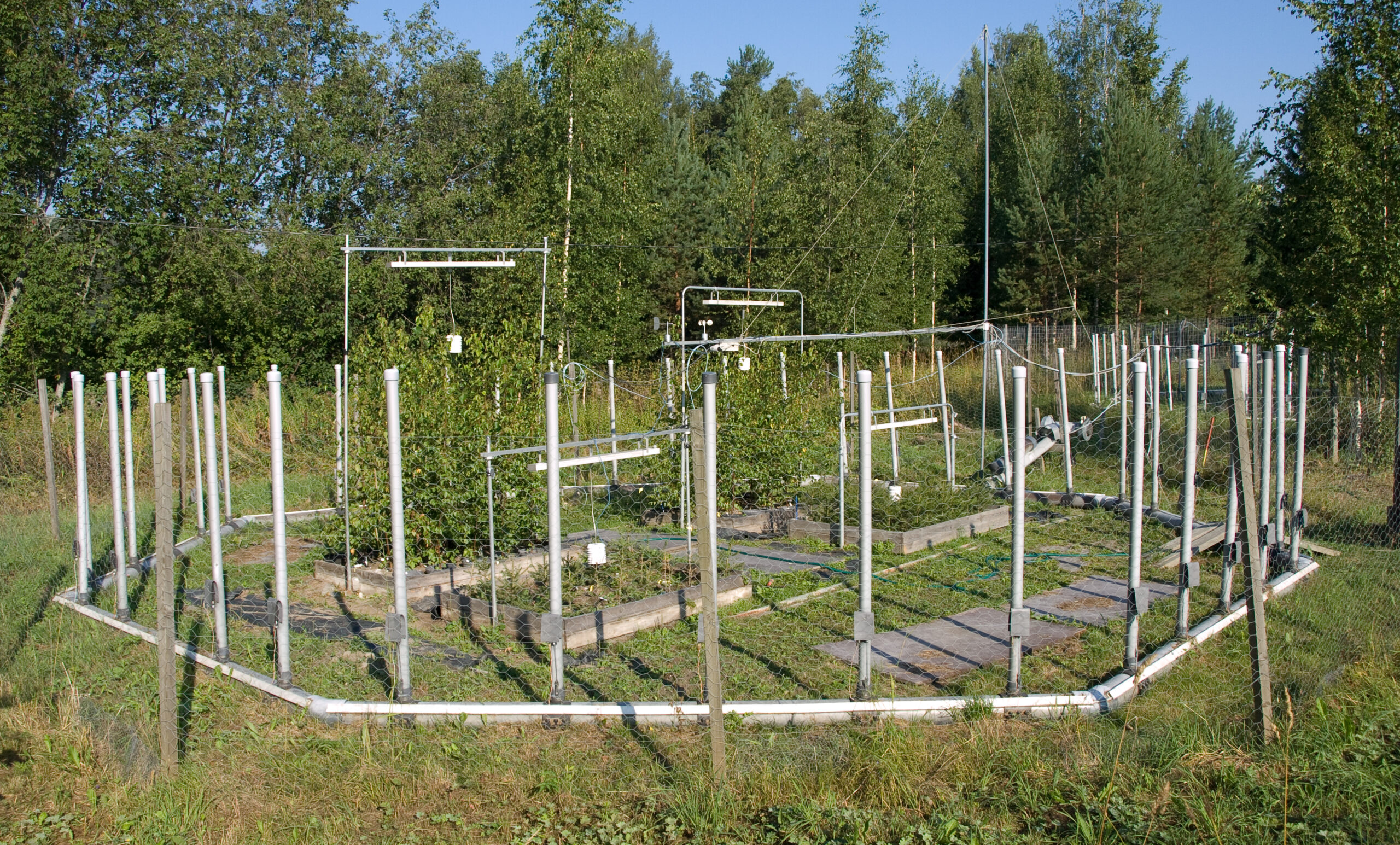
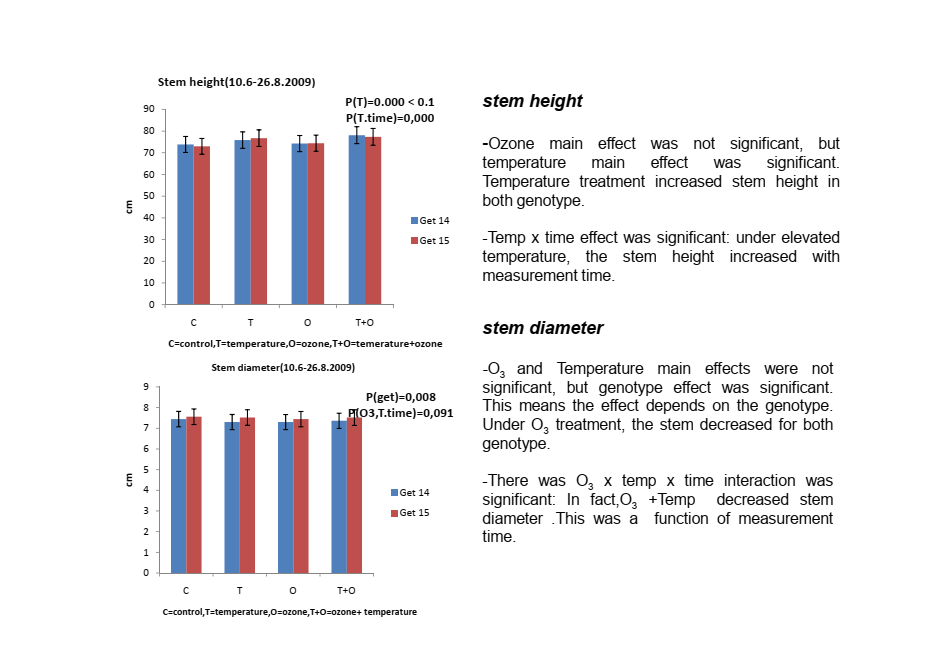
I ran a free-air ozone fumigation experiment on silver birch trees, elevating ozone concentrations to 1.4 times ambient levels across treatment plots while control plots received ambient air. Every few weeks I measured stem diameter on the same trees. By the end of the season, the ozone-treated trees had measurably thinner stems than the controls. Not dramatic. Not visible at a glance. But consistent, statistically significant, and exactly what ecotoxicological theory predicted.
That experience is why I can say with confidence that toxic substances do not need to kill a forest to damage it. Chronic, invisible, cumulative harm is how most pollution actually works. And understanding that mechanism is the first step toward recognising it in the real world.
This article explains how toxic substances enter and damage forest ecosystems, what happens at every level from individual tree cells to whole ecosystem carbon cycling, and why this matters whether you are a student, a researcher, a forest manager, or simply someone who wants to understand what is actually happening to the forests around you.
What Are Toxic Substances in the Environment?
A toxic substance is any chemical compound that causes harm to living organisms at sufficient concentrations. In forest ecosystems the most significant toxic substances enter through three pathways: the atmosphere, the soil, and water.
Atmospheric pollutants include tropospheric ozone, nitrogen oxides, sulphur dioxide, particulate matter, and heavy metals carried on dust particles. These enter forest ecosystems through the air and are absorbed directly by leaves through stomata, the same pores that regulate gas exchange for photosynthesis and transpiration.
Soil pollutants include heavy metals from industrial deposition, acidifying compounds from acid rain, persistent organic pollutants from agricultural and industrial sources, and excess nitrogen from atmospheric deposition. These accumulate over time, altering soil chemistry, affecting microbial communities, and eventually being taken up by tree roots.
Water-borne pollutants enter through rainfall, groundwater, and surface runoff, carrying dissolved toxic compounds into root zones and waterways running through forest ecosystems.
Of all these, tropospheric ozone is the toxic substance with the most extensively documented effects on forest trees globally, and the one I can speak to from direct field experience. If you work in forest monitoring, environmental impact assessment, or ecological research, understanding ozone toxicology gives you a framework for understanding how all atmospheric pollutants damage forest systems at a mechanistic level.
How Do Toxic Substances Actually Enter Trees?
Understanding the entry pathway is not just academic. It tells you which measurement tools you need, which tissues to sample, and at what point in the season damage is most likely to accumulate. If you are designing a pollution impact study or interpreting forest health data, the entry mechanism determines everything downstream.
Ozone enters through stomata. These are the microscopic pores on leaf surfaces that open during daylight hours to allow CO₂ in for photosynthesis and water vapour out through transpiration. Ozone, being a highly reactive gas, moves through these same openings along the same concentration gradient that drives CO₂ uptake.
Once inside the leaf, ozone reacts immediately with cell membranes, proteins, and antioxidant compounds in the apoplast, the fluid-filled space between cells. These reactions generate reactive oxygen species, highly unstable molecules that attack cellular structures. The tree responds by activating antioxidant defence systems and diverting carbon away from growth toward repair and protection.
This is the key toxicological mechanism. The tree is not killed outright by ozone. It is slowly drained of the carbon resources it would otherwise invest in growth, reproduction, and root development. The damage is chronic rather than acute, which is why a forest under ozone stress can look perfectly healthy while actually running a carbon deficit that compounds season after season.
I saw this in my own data. Trees in the elevated ozone treatment plots showed measurably reduced stem diameter growth compared to controls, particularly in genotype gt14. Visually the trees looked identical. But the measurements told a completely different story. My stem height and diameter charts from that season showed clearly how the carbon that should have gone into building wood was instead being diverted into oxidative stress defence. Those charts are shown below and they represent data that took an entire growing season of field measurements to produce.
Collecting that data was not as clean as a graph makes it look. Over the course of the season some leaves died naturally, particularly from the base of the branches, which affected total leaf count and leaf area measurements since I measured every leaf individually by length and width.
With 192 replicates across the experiment there was also the inevitable risk of eye error during leaf counting, skipping a leaf here or there during a long measurement session. That is exactly why using large numbers of replicates and applying statistical analysis with error margins matters so much in field research. The individual measurement imperfections become noise that the statistics absorb. The signal, the real treatment effect, still comes through clearly.
Trunk diameter measurements had their own challenges. A natural bump or irregularity on the bark could slightly affect the caliper reading at the same measurement point on a later date. The effect was minimal but real, and it is the kind of thing you only learn to account for by actually doing the measurements rather than reading about them.
Two weeks into the experiment I accidentally broke one of the plants and had to replace it immediately with a new specimen. Just one plant out of 192. Minimal effect on the overall dataset. But it is the kind of event that reminds you that field research is not a controlled laboratory. Things break. You adapt. You document it and let the statistics do their job.
How Do Toxins Affect Ecosystems Beyond the Individual Tree?
This is the question that matters most if you are thinking about forests at a landscape scale rather than individual tree physiology. The answer is that damage does not stay at the leaf level. It cascades.
When trees divert carbon to ozone defence rather than root growth, they feed less carbon to soil through root exudates and fine root turnover. Soil microbial communities that depend on those carbon inputs become less active. Decomposition rates slow. Nutrient cycling slows with it. The whole below-ground system becomes less productive in response to above-ground stress.
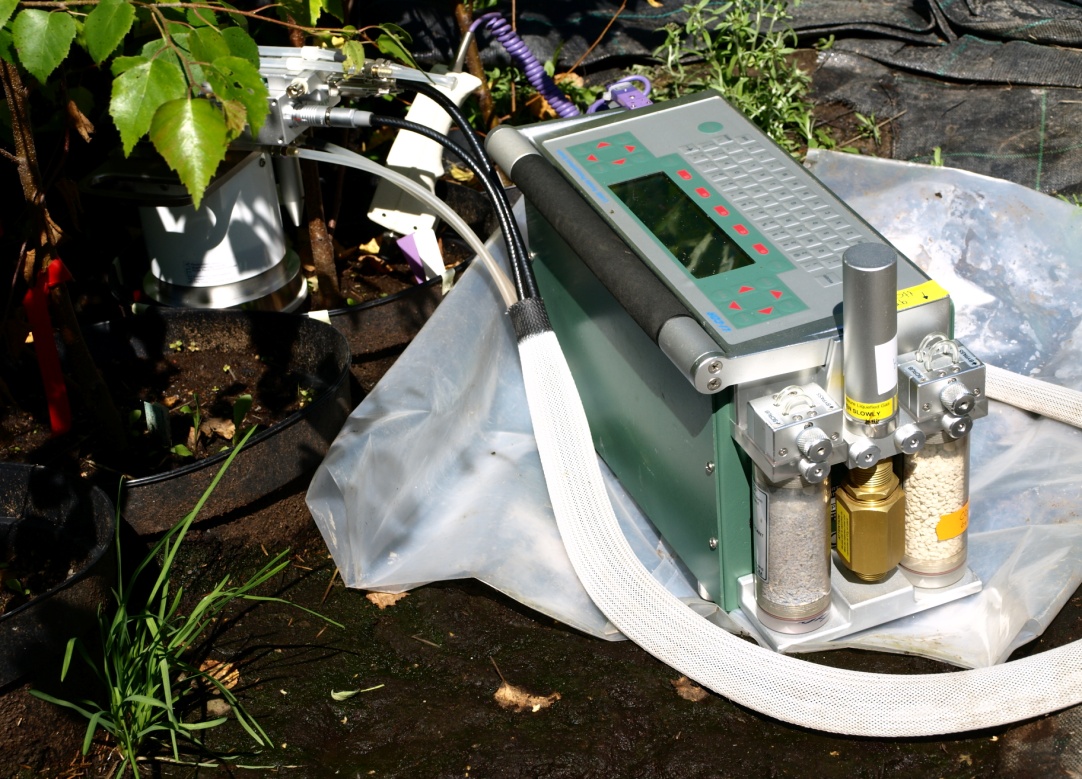
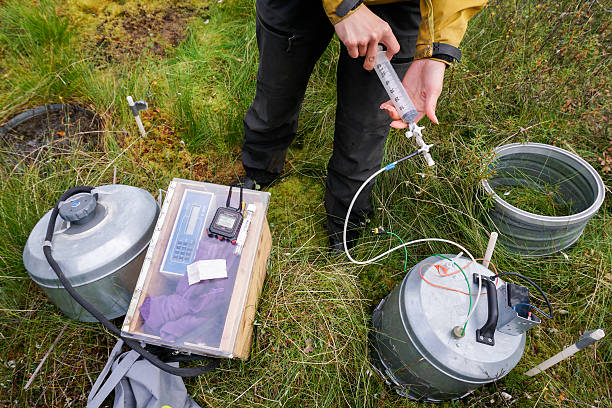
I measured soil CO₂ efflux in my experiment and what I found confirmed this connection. The soil respiration data showed how the root-microbe system responded to the combined stress of warming and ozone across both genotypes. The below-ground response was not independent of what was happening in the leaves above. The two systems were tightly coupled in ways that a study focusing only on above-ground measurements would have missed entirely.
Leaf litter quality also changes under ozone stress. Leaves that have been defending against oxidative damage have different chemical compositions than healthy leaves. This affects how quickly they decompose when they fall, which affects how quickly nutrients are released back into the soil. Ozone-stressed litter can decompose more slowly, locking nutrients in organic matter rather than cycling them back to the trees.
Mycorrhizal networks depend on carbon supplied by the trees they are connected to. When ozone stress reduces below-ground carbon allocation, the mycorrhizal network receives less fuel. Its ability to extend into new soil and deliver nutrients back to the tree is reduced. This creates a feedback loop where toxic stress reduces nutrient access, which further limits the tree’s ability to defend and recover.
At the ecosystem scale, prolonged ozone exposure reduces forest productivity, shifts species composition toward more ozone-tolerant species, reduces carbon sequestration capacity, and makes forests more vulnerable to secondary stresses like drought and pathogen attack.
How Does the Usage of Toxic Substances Affect an Ecosystem?
This question points to the human dimension of the problem and it is the one with the most direct policy relevance. Toxic substances rarely enter forest ecosystems naturally at damaging concentrations. They are almost always the product of human activity happening somewhere else entirely.
Tropospheric ozone is not emitted directly. It forms when nitrogen oxides from vehicle exhaust and industrial emissions react with volatile organic compounds in the presence of sunlight. Ozone damage to forests is therefore a consequence of urban and industrial air pollution, often affecting forests far downwind of the original emission sources. The forest has no connection to the city producing the pollution. It simply receives it.
In my field experiment I created elevated ozone artificially to simulate the concentrations that forests in polluted regions already experience naturally. The 1.4 times ambient concentration I used was not extreme. It reflects real-world ozone levels that forests in Europe regularly encounter during summer months. Research published in Biogeosciences found that ozone exposure reduces gross primary production across European forest sites by between 1 and 6 percent annually, with Mediterranean forests experiencing the greatest losses and boreal forests the least.
Heavy metal deposition follows a similar pattern. Smelters, mining operations, and coal burning release metals including lead, cadmium, and mercury into the atmosphere. These settle on forest soils downwind, accumulating over decades and eventually affecting soil biology, root function, and the entire nutrient cycling system. If you are assessing forest soil health in industrialised regions, historical heavy metal deposition is a baseline condition you need to account for, not an anomaly.
Acid rain, caused by sulphur dioxide and nitrogen oxide emissions dissolving in atmospheric moisture, has caused severe forest damage in Europe and North America by acidifying soils, leaching essential nutrients, and mobilising toxic aluminium ions that damage fine roots.
What Are Toxic Materials Found in Ecosystem Soils?
Soils accumulate toxic substances in ways that atmospheric monitoring does not capture and that are often invisible until soil health has already deteriorated significantly. If you manage forest land or work in environmental monitoring this matters because heavy metal accumulation and soil acidification are essentially permanent on human timescales. Prevention and early detection matter far more than remediation.
Heavy metals including lead, cadmium, zinc, copper, and nickel accumulate through atmospheric deposition from industrial and traffic sources. They bind to soil organic matter and clay particles, remaining long after the original pollution source has been removed. At high concentrations they damage fine root cells, inhibit mycorrhizal function, and reduce microbial diversity in ways that compromise the entire soil food web.
Excess nitrogen from atmospheric deposition is a more subtle but increasingly significant problem. Nitrogen is an essential nutrient but too much of it shifts competitive balances between species, acidifies soils over time, and can push forest ecosystems from nitrogen limitation into phosphorus limitation. This changes which nutrients constrain productivity and shifts plant community composition in ways that can take decades to become visible.
Persistent organic pollutants including pesticide residues, polycyclic aromatic hydrocarbons from combustion, and industrial chemicals accumulate in soil organic matter and can persist for decades. They affect soil microorganisms, earthworms, and other soil fauna in ways that disrupt decomposition and nutrient cycling.
In my field research, soil chemistry was part of the broader experimental context even though my specific measurements focused on CO₂ efflux and tree growth. The soil at the field site reflected decades of background atmospheric deposition, and understanding that background was essential for correctly interpreting what the ozone and warming treatments were doing on top of it.
Why Is Ecotoxicology Important for Forest Science?
Ecotoxicology is the scientific discipline that studies how toxic substances affect ecosystems at every level from individual organisms to whole communities and landscapes. For forest science it provides the framework for understanding, measuring, and predicting how pollutants damage forest health and carbon storage capacity.
Without ecotoxicological research we would not know the specific concentrations at which ozone begins to damage photosynthesis, the mechanisms by which heavy metals disrupt root function, or the threshold nitrogen deposition levels above which soil acidification accelerates. That knowledge underpins environmental regulation, emission limits, and forest management decisions.
My postgraduate training in ecotoxicology and risk assessment gave me the framework to design my field experiment with these mechanisms in mind. Choosing 1.4 times ambient ozone was not arbitrary. It was based on ecotoxicological dose-response knowledge about the concentrations at which measurable effects on tree growth and physiology begin to appear. The toxicology shaped the experimental design from the start, not as an afterthought.
For forest managers, land use planners, and environmental policymakers, ecotoxicological knowledge translates into practical decisions. Which forests are most at risk from urban ozone plumes. Where heavy metal deposition is compromising soil health. How nitrogen deposition is shifting species composition in protected forest areas. These are questions that only ecotoxicological monitoring and research can answer, and getting those answers right has direct consequences for how we manage the forests that store our carbon and sustain our biodiversity.
Frequently Asked Questions
How do toxic substances affect ecosystems?
They enter through air, soil, and water and disrupt biological processes at every level. In forests, atmospheric pollutants like ozone damage photosynthesis and divert carbon from growth to defence. Soil toxins including heavy metals and excess nitrogen disrupt microbial communities and root function. The effects cascade from individual trees through soil biology to whole ecosystem productivity and carbon storage. In my field experiment I measured this cascade directly, from ozone entry through leaves to changed soil respiration below ground.
What are toxic substances in the environment?
In forest ecosystems the main ones are tropospheric ozone formed from vehicle and industrial emissions, heavy metals deposited from industrial and traffic sources, acidifying compounds from sulphur dioxide and nitrogen oxide emissions, excess nitrogen from atmospheric deposition, and persistent organic pollutants from agricultural and industrial sources.
How can toxins affect ecosystems?
By disrupting the biological processes that keep ecosystems functioning. In forests this means reduced photosynthesis, diverted carbon allocation, weakened mycorrhizal networks, altered soil microbial communities, slower nutrient cycling, and reduced carbon sequestration. The damage is often chronic and cumulative rather than immediately visible, which is what makes it so difficult to detect without measurement.
How does the usage of toxic substances affect an ecosystem?
Most toxic substances reaching forest ecosystems come from human activities far from the forest itself. Vehicle emissions produce the nitrogen oxides that form ozone. Industrial processes deposit heavy metals and sulphur compounds. Agricultural runoff carries pesticides and excess nutrients. The ecosystem receives the pollution without being anywhere near its source.
What are toxic materials in the ecosystem?
Materials that cause harm to living organisms at sufficient concentrations. In soil these include heavy metals, acidifying compounds, excess nitrogen, and persistent organic pollutants. In the atmosphere the main forest toxin is tropospheric ozone. In water, dissolved metals, pesticides, and acidifying compounds are the primary concerns.
What is ecotoxicology?
Ecotoxicology is the scientific study of how toxic substances affect ecosystems, from individual organisms through populations and communities to whole landscapes. It combines toxicology, ecology, and environmental chemistry to understand, measure, and predict the effects of pollutants on natural systems. In forest science it provides the framework for understanding how atmospheric and soil pollutants damage tree health, soil biology, and ecosystem carbon cycling.