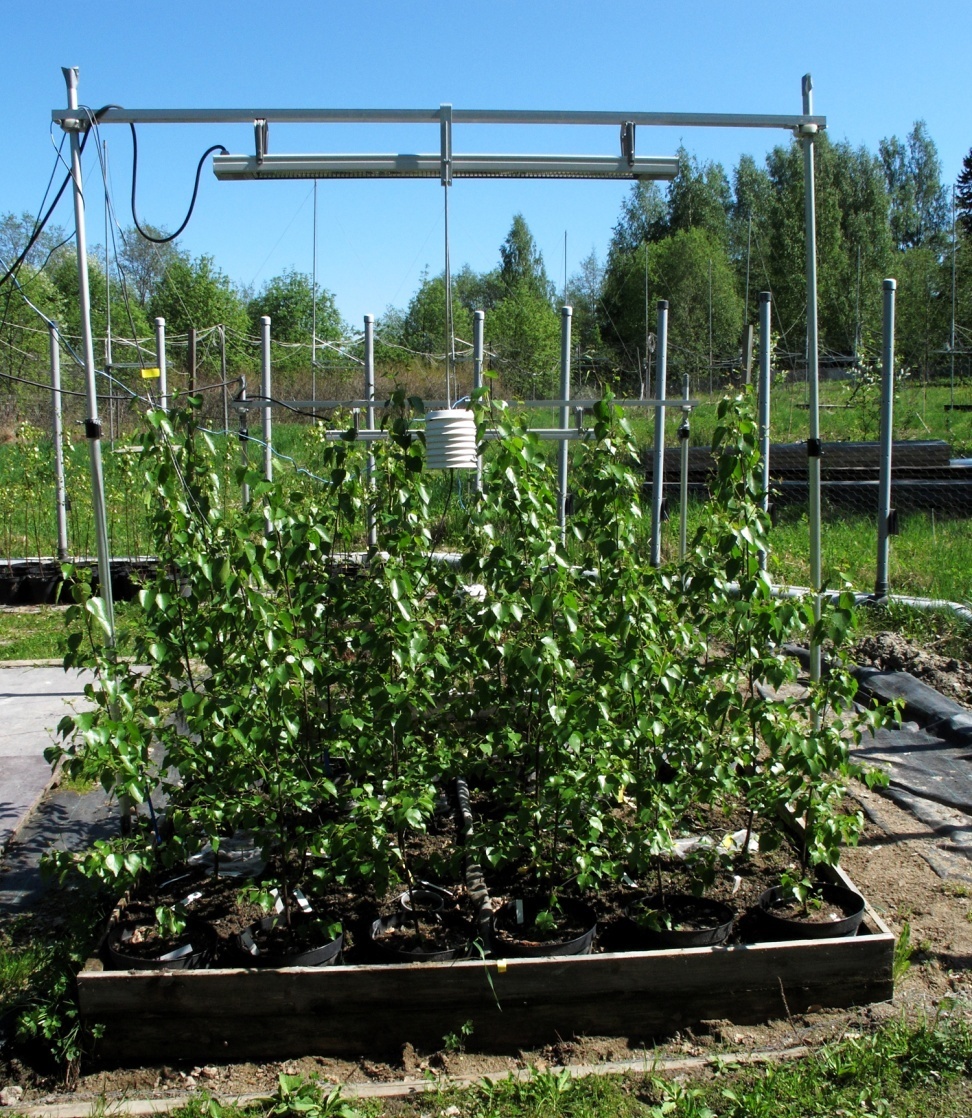
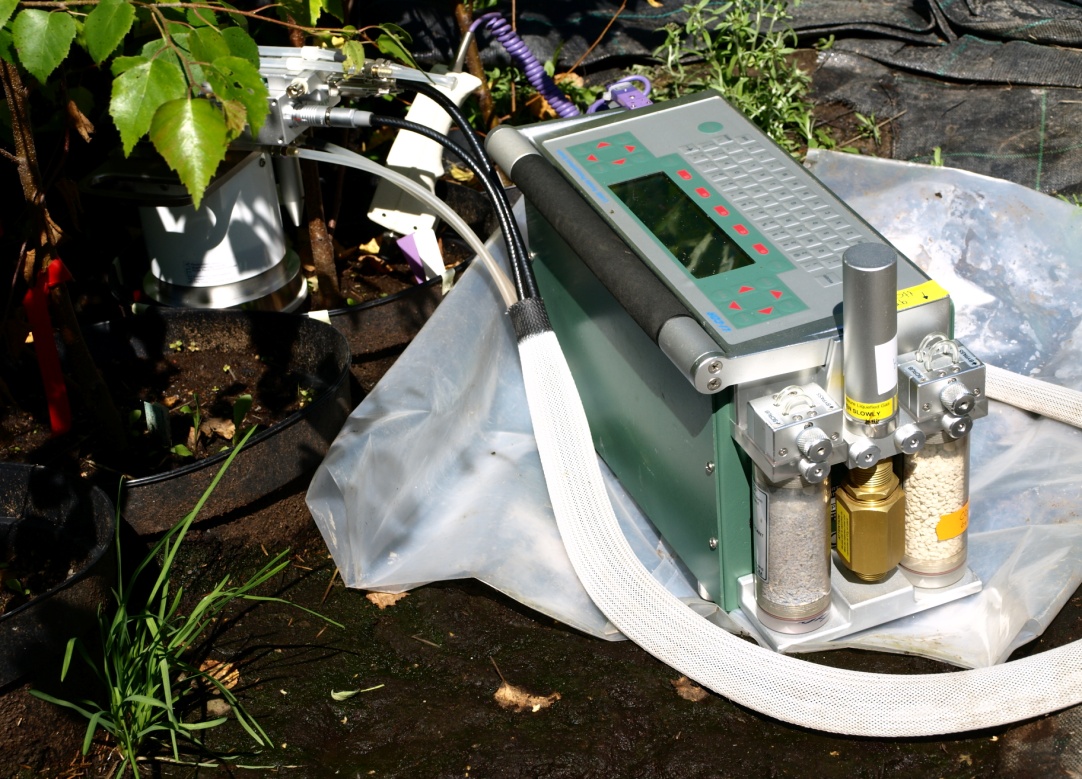
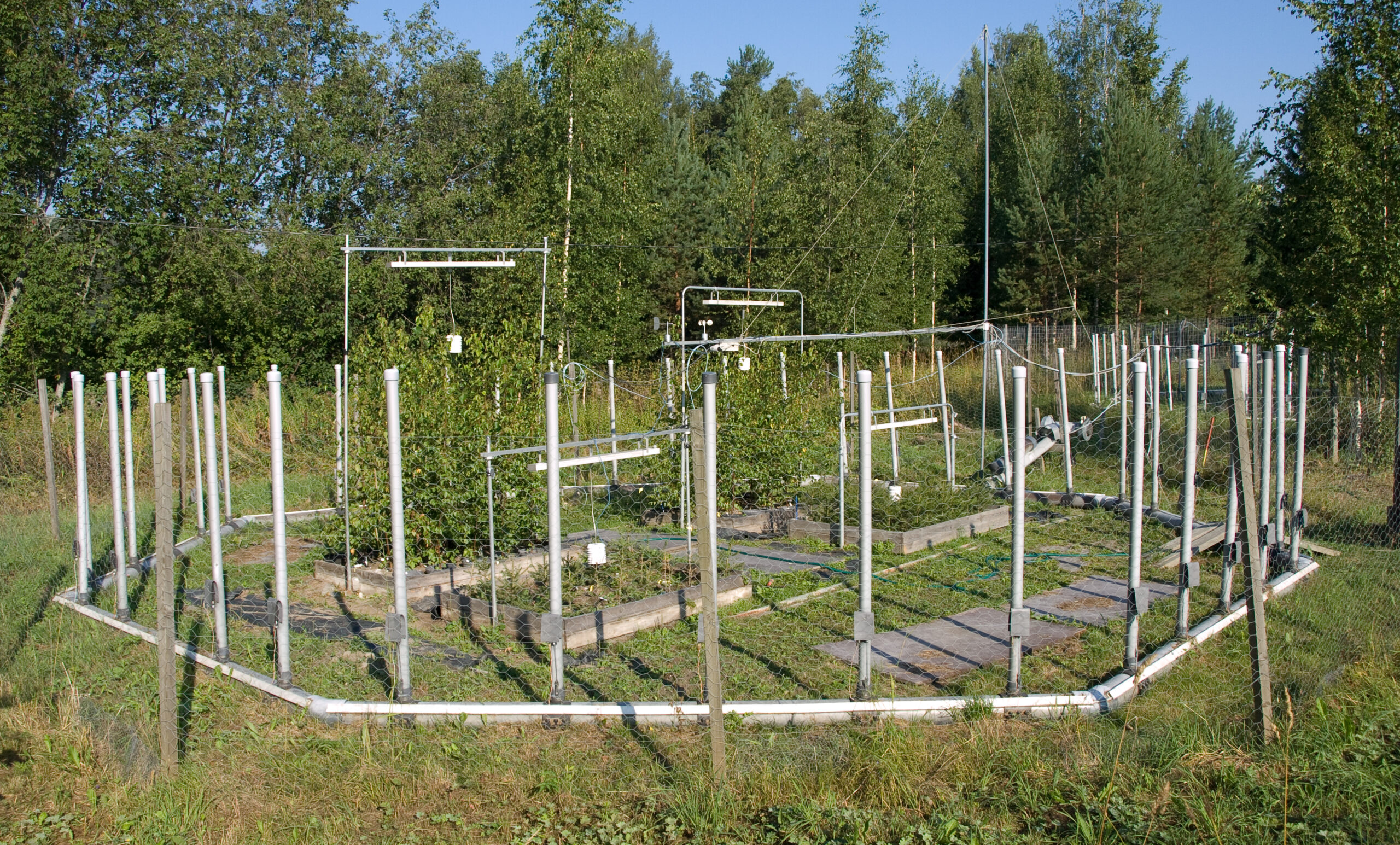
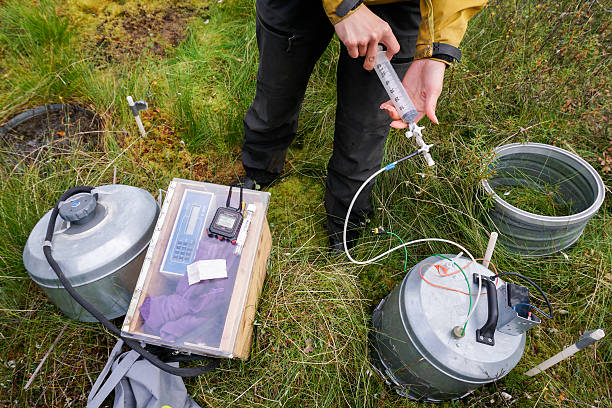
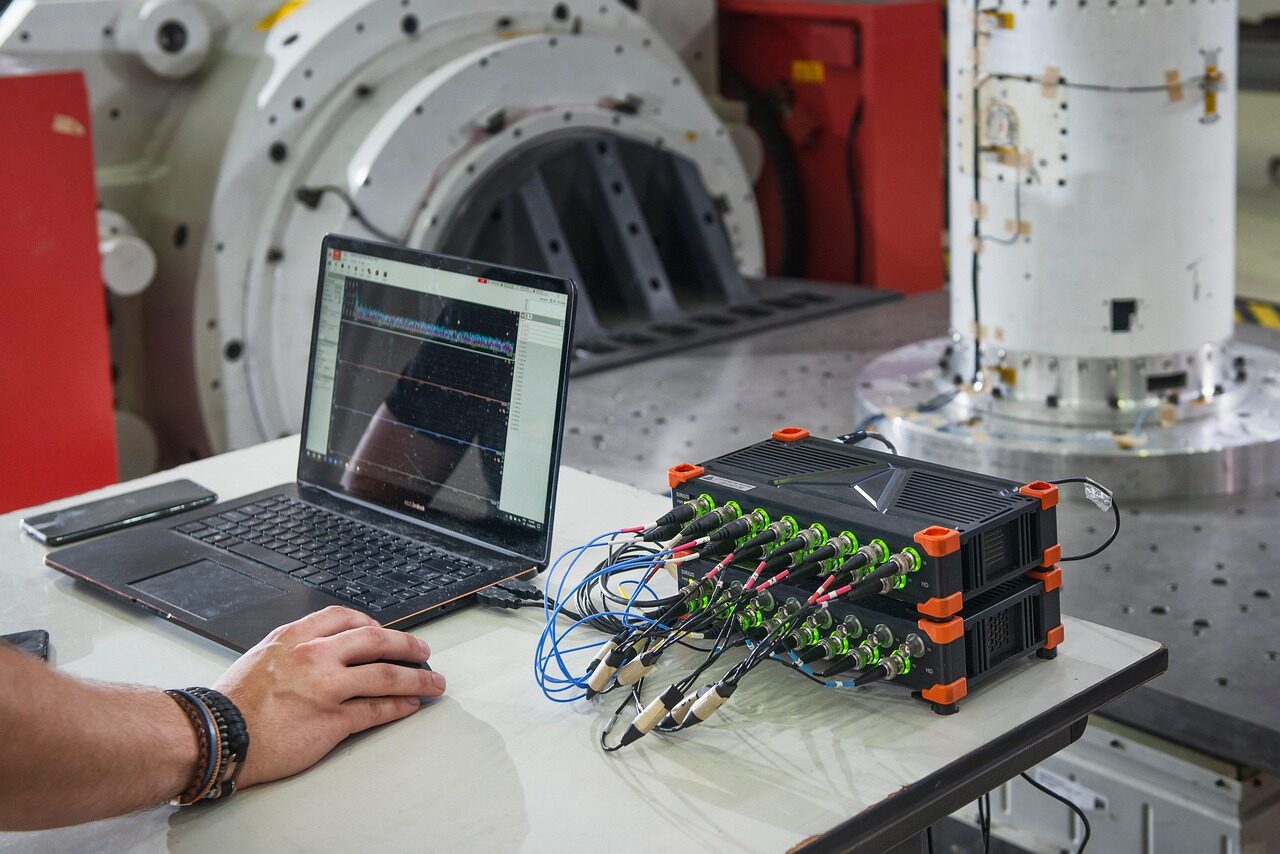



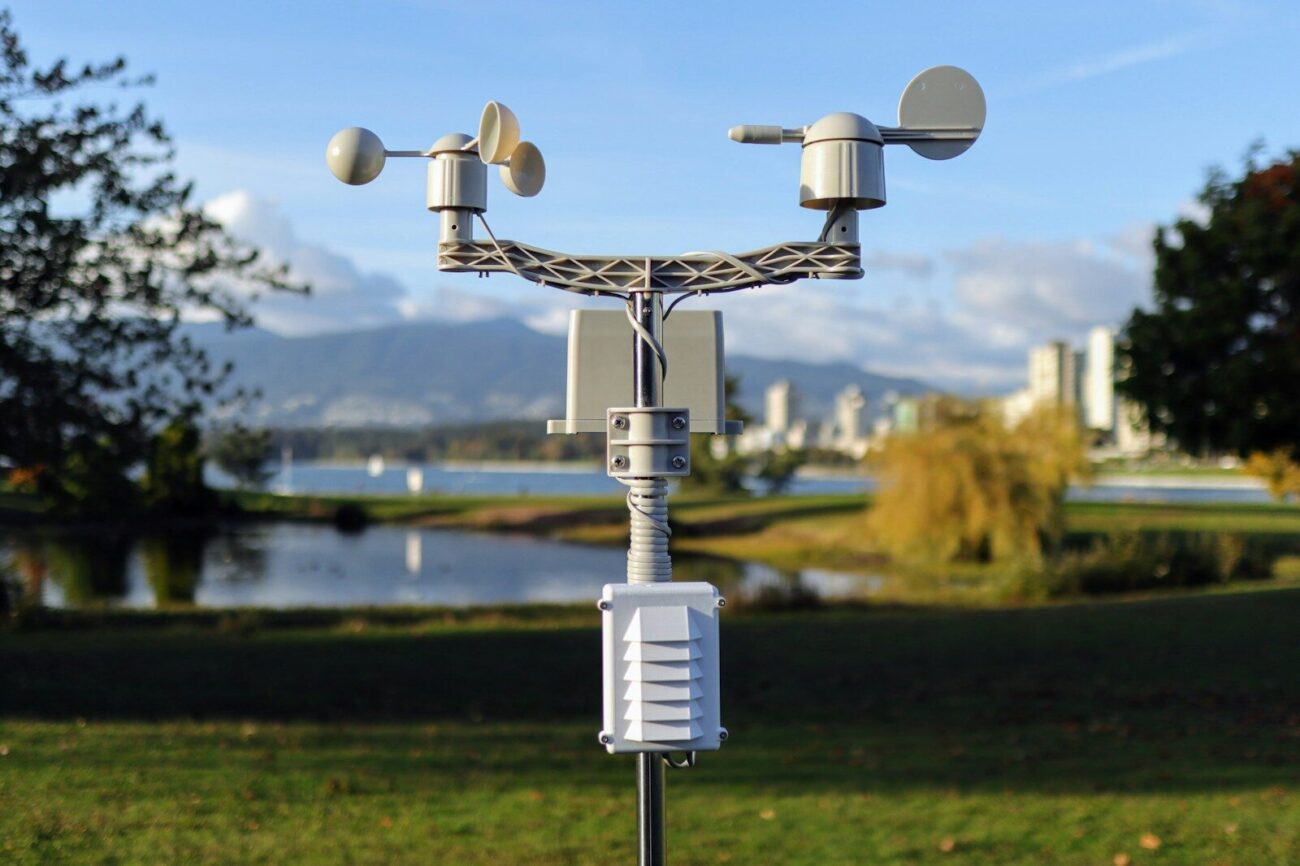
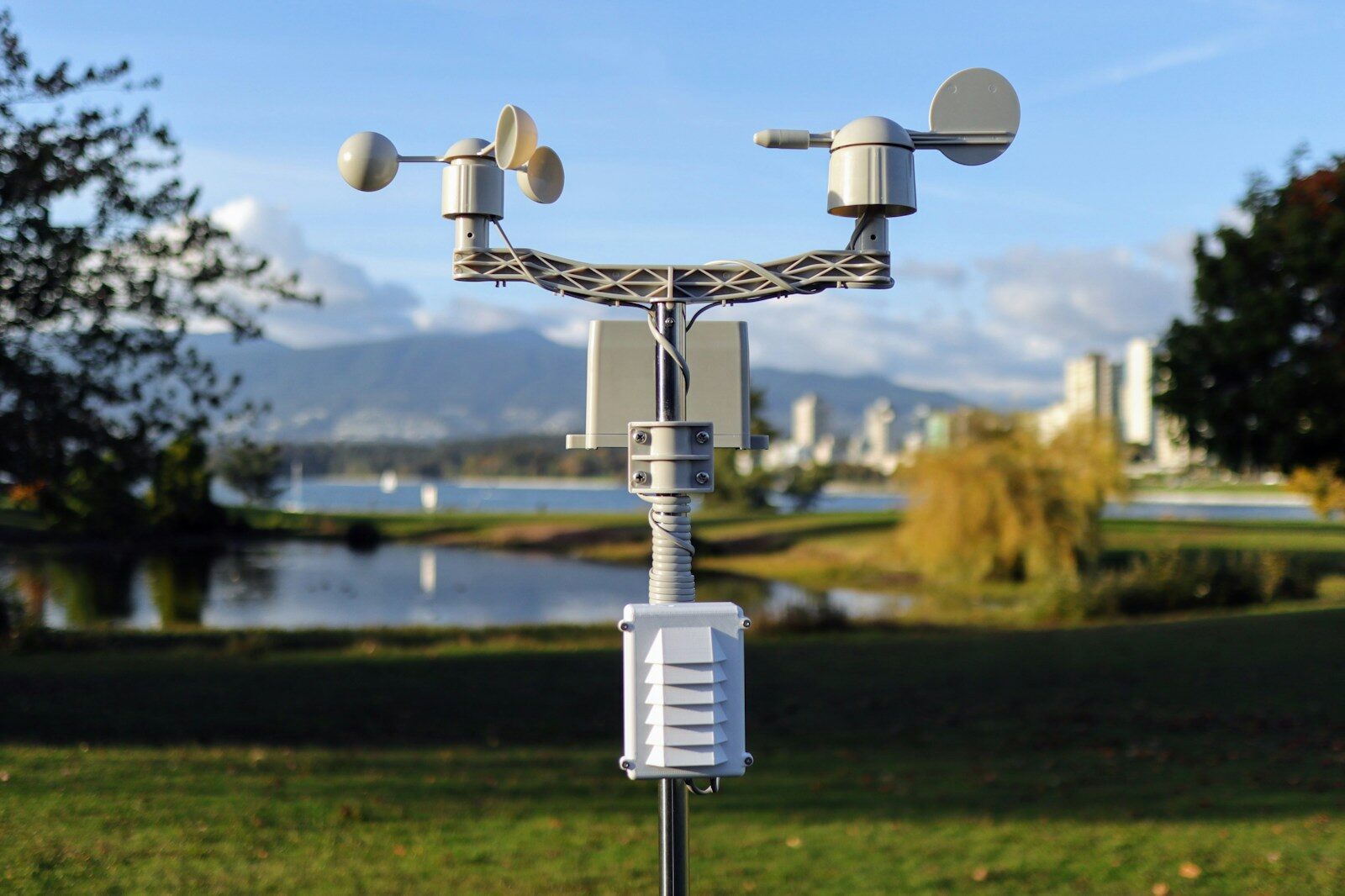
I spent a full growing season running continuous environmental monitoring across eight experimental plots. Temperature, humidity, soil moisture, wind, and ozone all feeding into a central system around the clock. That experience taught me exactly what separates a reliable data logger from one that creates problems at the wrong moment.
Before buying, I recommend reading my full guide on data loggers for environmental field research which explains how different types work and when each one suits different research contexts. This article focuses purely on the buying decision.
What Actually Matters on the Specification Sheet
Most data logger listings on Amazon look similar at first glance. Here is what to actually check before adding to cart.
Battery life is the variable most people underestimate. A logger that needs replacement every three weeks is impractical for any serious field deployment. Look for units rated for at least three to six months of continuous operation at your planned logging interval. If battery life is not clearly stated in the listing, that is a red flag.
Data capacity matters for longer deployments. At 30-minute logging intervals over six months, you generate around 8,700 readings per sensor channel. Most modern loggers handle this comfortably but check the specification if you are running multiple sensors at high frequency.
Download method determines how you retrieve your data in the field. USB download to a laptop is the most reliable and universal option. Bluetooth download via smartphone is convenient for quick checks. Avoid loggers that only work through proprietary cloud apps with no offline download option, if the app changes or the company disappears, your data access goes with it.
Accuracy varies significantly between price points. For temperature, look for plus or minus 0.5°C or better. For humidity, plus or minus 3% relative humidity is adequate for most ecological research applications.
Weather resistance for any logger deployed outdoors. IP54 handles rain splashes and is sufficient for most field setups when the logger is housed in a proper enclosure. IP65 or higher gives additional protection for exposed deployments.
Entry-Level vs Research-Grade: Where Amazon Fits
For entry-level temperature and humidity logging with one to four sensors, Amazon has genuinely good options at accessible prices. These suit student projects, short-term monitoring, and basic environmental recording where you need reliable data without a large budget.
For research-grade multi-channel systems that handle complex multi-sensor field experiments over full growing seasons, Amazon selection is limited and reviews are thin. Specialist scientific equipment suppliers are the better route for anything in this category.
What to Avoid
Loggers with fewer than 100 reviews for any unit priced above $50 deserve extra scrutiny before buying. Read the negative reviews specifically and look for patterns around connectivity failures, software problems, or units that stop logging unexpectedly. A sensor that drifts or fails silently mid-deployment is far more damaging to your research than one that simply breaks and gives an obvious error.
Avoid disposable single-use loggers for field research applications. These are designed for cold chain shipping monitoring and are not appropriate for scientific research where you need programmable logging intervals and reusable units.
My Recommendation on Amazon
For basic outdoor temperature monitoring in student projects and short-term field studies, the Elitech RC-5 is a practical entry-level option. It is IP65 waterproof, runs for up to six months on a single battery, stores 32,000 data points, and downloads directly via USB with no cable needed. At $19.99 it is one of the most accessible data loggers available with a meaningful track record of reviews.
It records temperature only, not humidity or other parameters. For multi-variable monitoring you need a more capable system. But for a simple reliable temperature record over a field season, it does the job at a price that fits most student budgets.
If you need humidity as well, the step up I would look at is the HOBO MX1101 from Onset. It records temperature to ±0.21 °C and relative humidity to about ±2%, and stores up to 84,650 measurements. You read the data on your phone over Bluetooth, so there is no cable to carry into the field. Unlike the Elitech, it is not a waterproof logger, so I would keep it under cover, in a greenhouse, a shed or inside an enclosure.