




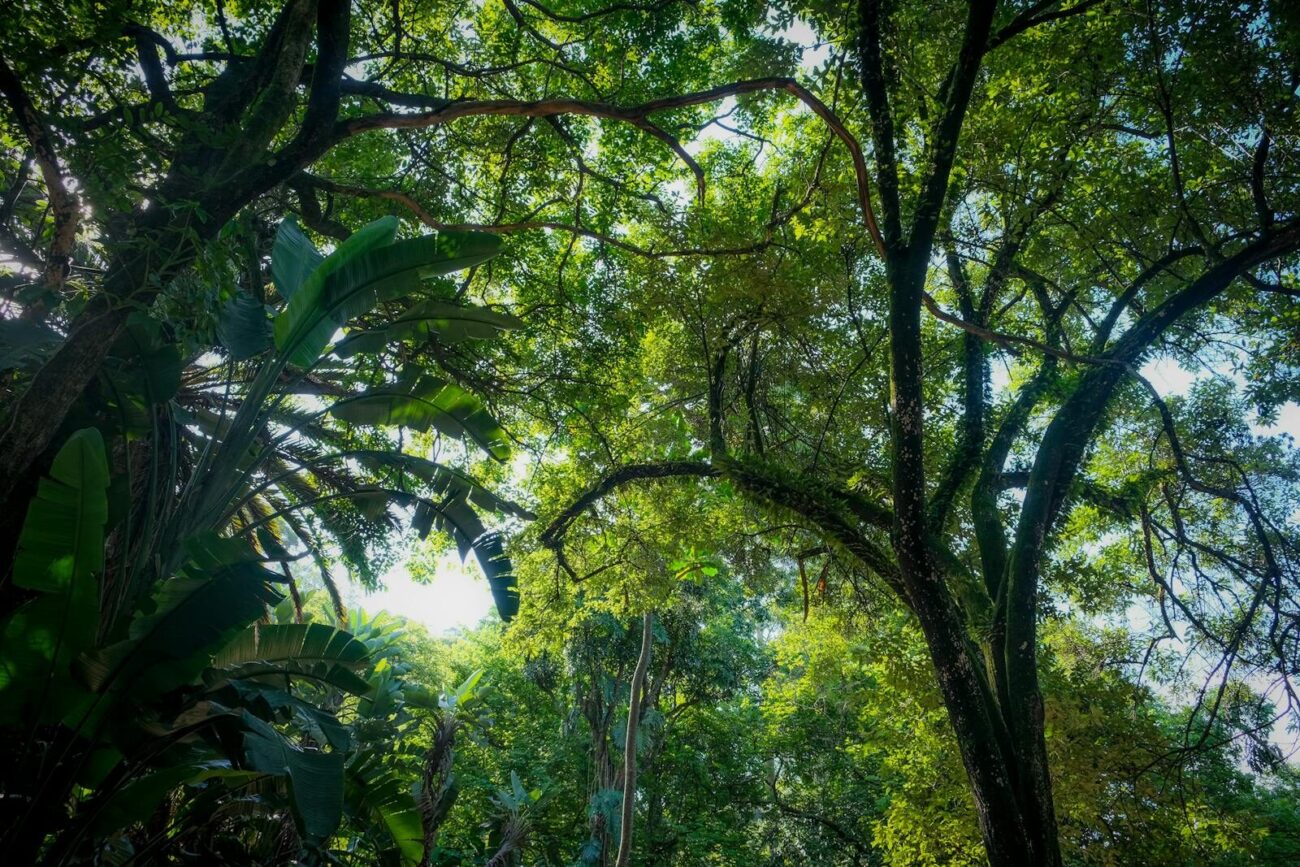

Trees are remarkably good at keeping secrets.
Everyone talks about how trees absorb CO₂. It is in every climate article, every school textbook, every corporate sustainability report. But nobody talks about what actually happens to that carbon once it gets inside the tree.
Where does it go?
How does the tree decide?
And why does any of that matter for the climate?
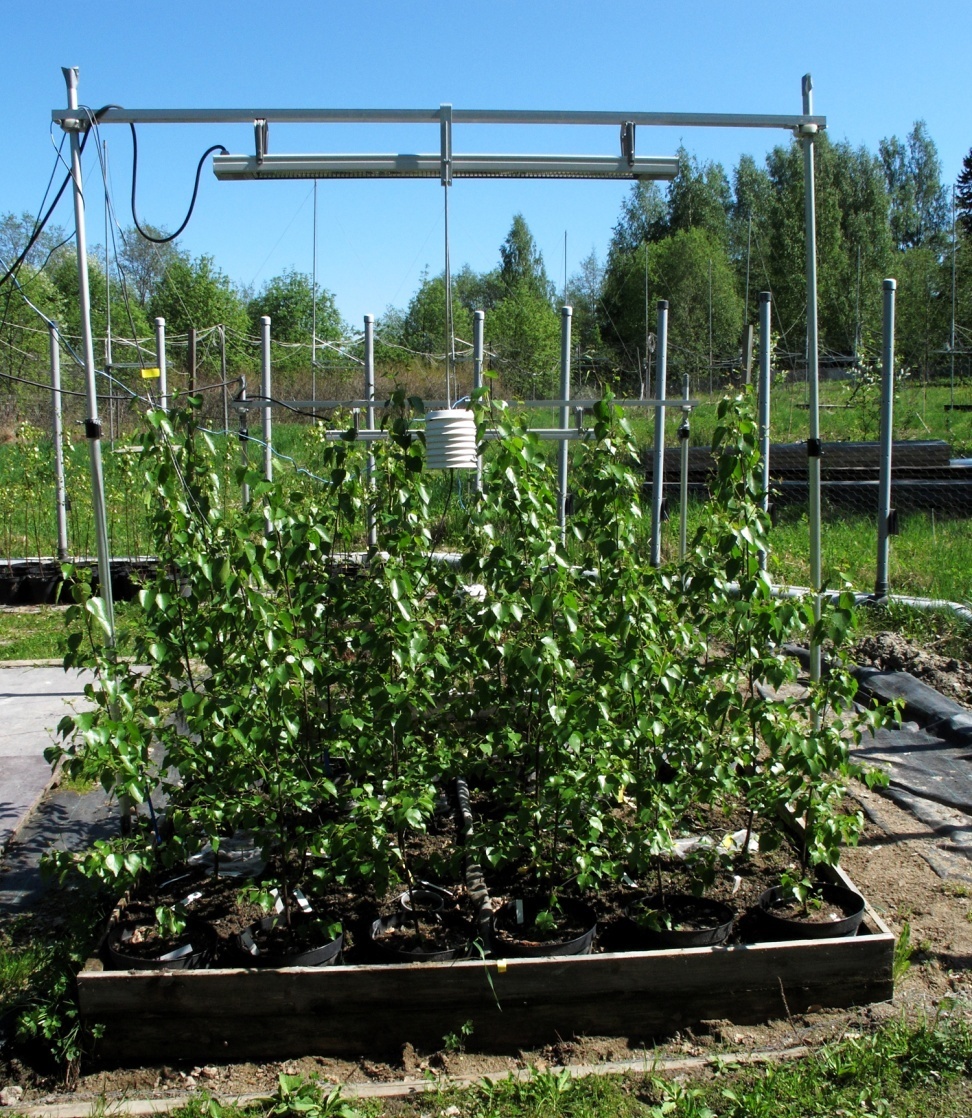
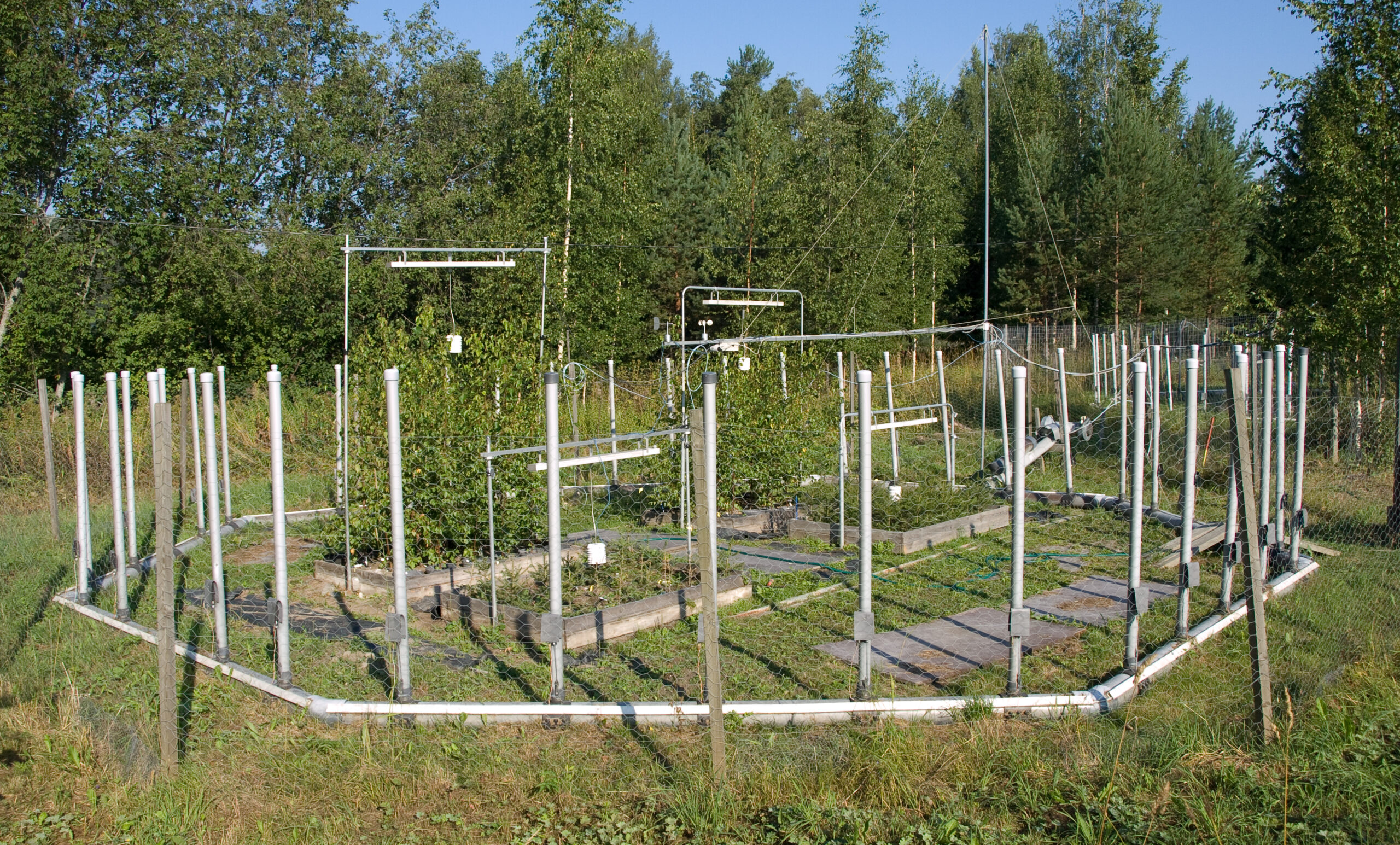
I got obsessed with this question during my postgraduate research on carbon allocation. Specifically on how warming and environmental stress change the way trees distribute carbon above and below ground. What I found flipped several assumptions I had walking in.
Trees Are Running a Carbon Budget
Think of a tree as a business with one income source, photosynthesis, and about a dozen competing departments all demanding a slice of the budget.
The leaves bring in the revenue. They pull CO₂ from the air, combine it with water using sunlight, and produce glucose. That glucose is essentially the currency the tree runs on. Every growth decision, every defence response, every root tip pushing into new soi, all of it gets paid for in carbon.
Now here is the part that surprises most people. A tree does not just store that carbon in its wood and call it done. Somewhere between 25 and 63% of all the carbon a tree fixes gets sent underground. Roots, root exudates, mycorrhizal fungi, soil microbes. More than half the carbon budget of a forest can end up below your feet rather than in the visible trunk above.
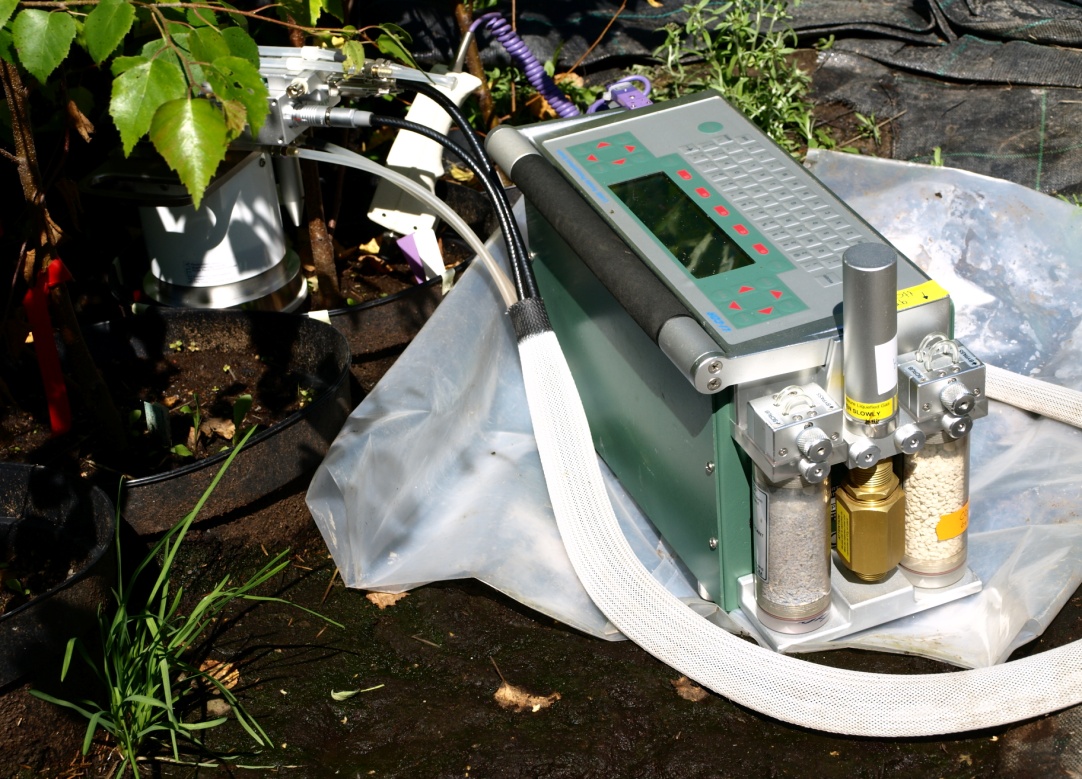
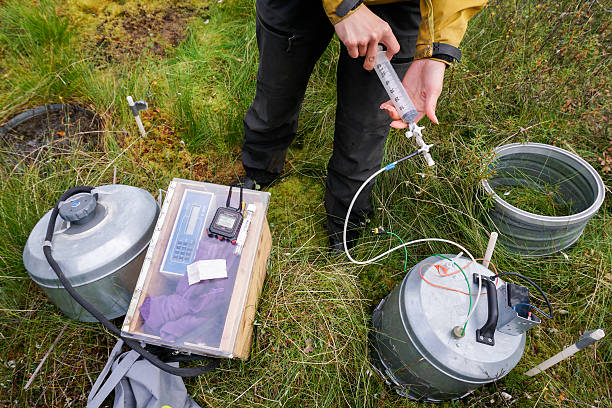
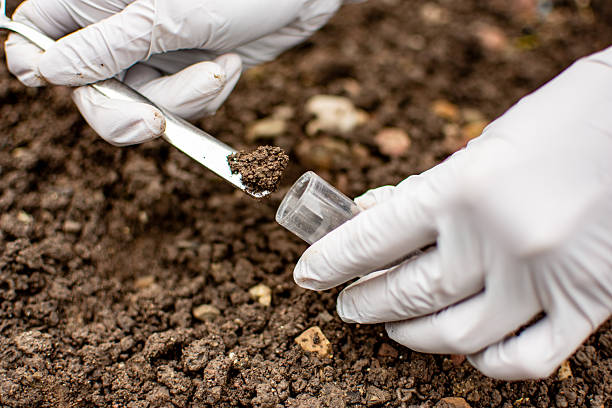
I spent a full growing season measuring what was coming back up from that underground system as CO₂ efflux. Watching those numbers shift across treatments gave me a very different picture of what a forest actually is.
So Where Exactly Does the Carbon Go?
Once glucose leaves the leaves through the phloem, the tree’s internal transport network, it gets directed to wherever demand is highest.
Some goes into building structural tissue. Cellulose, lignin, wood. This is the carbon that sticks around for decades or centuries and gets counted in carbon sequestration calculations.
Some goes into metabolic fuel. Root growth, defence compounds against insects and pathogens, reproduction, seed production. This carbon cycles through fairly quickly and returns to the atmosphere.
Some gets pushed out through fine roots as exudates, essentially feeding the soil microbial community directly. This is one of the least visible but most ecologically important carbon flows in a forest. Trees are effectively farming their own soil microbes by feeding them carbon, and getting better nutrient access in return.
And some just gets respired by the tree itself, released as CO₂ the way any living organism releases CO₂ when it metabolises. Not all carbon a tree fixes stays fixed.
Rich Soil vs Poor Soil Changes Everything
Here is something that genuinely caught me off guard when I first read the research on this.
In fertile soils with plenty of nutrients, trees allocate roughly 40% of their carbon budget to roots. In nutrient-poor soils, that figure can reach 300%. Three times more carbon going underground than going into above-ground wood.
The logic makes sense once you think about it. If nutrients are scarce, growing more roots to find them is a better investment than growing more wood. The tree is solving its most pressing resource constraint first. But from a carbon accounting perspective it completely changes the picture of what is happening in a poor-soil forest versus a rich-soil one.
This also explains something I observed in my field experiment. When I measured soil CO₂ efflux in warmed plots, respiration increased by 24 to 36% depending on which tree genotype was growing above the soil. Some of that was microbial activity speeding up with warmth. But part of it was the trees themselves sending more carbon underground in response to the changed conditions. The warming was shifting the allocation, not just the microbes.
Fast Growth Does Not Mean Most Carbon Stored
This is probably the most counterintuitive finding in tree carbon research and it has real implications for how we think about forests as climate tools.
A fast-growing young plantation sounds like the obvious choice for maximum carbon capture. More growth, more CO₂ absorbed, right?
Not necessarily. Research comparing young plantations with mature forests found that the plantations were actually sending more carbon underground to their roots, which correlated with faster above-ground growth. The investment in roots was driving the above-ground productivity, not the other way around. And carbon locked in deep stable root systems and old-growth wood persists far longer than carbon in fast-cycling young plantation biomass.
In my silver birch experiment, moderate warming pushed stem height growth up by about 9% at peak season. That sounds straightforwardly positive. But what was actually happening was a reallocation of carbon, less going to certain stress responses and more going to stem elongation. The total carbon budget had not necessarily increased. The tree had just shifted its priorities.
What Warming and Stress Actually Do
Climate change does not just turn up the photosynthesis dial and add more carbon to every pool. It changes the allocation decisions trees make.
Warming speeds up both photosynthesis and respiration. Whether the net result is more or less stored carbon depends on which one accelerates faster and in what conditions. At high latitudes with short growing seasons, moderate warming can extend the productive period and increase total carbon fixation. But it also heats the soil and accelerates decomposition, releasing carbon that was previously stable.
Ozone is a good example of a stressor that forces a reallocation. When trees are under ozone stress they divert carbon toward antioxidant defence compounds and leaf repair. That carbon is no longer available for growth or root investment. In my research, genotypes that were more sensitive to ozone showed measurable reductions in stem diameter, consistent with that kind of defensive reallocation pulling resources away from structural growth.
When I combined warming with elevated ozone in the experiment, the negative ozone effects were partially cancelled out. Warming appeared to help the trees cope, possibly by increasing overall carbon availability enough to fund both defence and growth simultaneously.
Why This Matters Beyond the Lab
If you are thinking about carbon sequestration at a landscape scale, allocation patterns matter enormously.
Old forests are not just big carbon stores because they are old. They store carbon in dense, stable wood and in deep soil organic matter that has been building for centuries. Fast young forests cycle carbon quickly but may not accumulate the long-term stable pools that actually matter for climate.
For bioenergy, a genotype that allocates heavily to stems produces more harvestable biomass. One that allocates heavily to roots builds more soil organic matter but gives you less above-ground yield. Knowing which genotype you are working with changes the management decision completely.
And for climate models, representing carbon allocation accurately is one of the hardest and most consequential problems in forest science. Get the allocation rules wrong and your projections for how much carbon forests will hold under future warming scenarios are going to be off in ways that matter.
Frequently Asked Questions
What is carbon allocation?
It is how a tree splits the carbon it captures from the air between its different parts and needs. Wood, roots, leaves, defence, soil organisms. The tree makes these trade-offs continuously based on what is most limiting its growth or survival at any given time.
How do trees remove carbon dioxide from the atmosphere?
Through photosynthesis in the leaves. CO₂ gets converted into glucose, which the tree uses to build tissue and fuel its metabolism. Carbon locked into long-lived wood and stable soil organic matter stays out of the atmosphere for decades or centuries.
What kind of tree absorbs the most carbon?
Fast-growing broadleaved species and large conifers fix the most carbon per year in terms of gross uptake. But long-term storage depends on wood density, lifespan, and how much carbon ends up in stable pools. A slow-growing oak at 500 years old may have stored far more carbon in total than a fast-growing birch harvested every 20 years.
How do trees use carbon dioxide to grow?
CO₂ is the raw ingredient for glucose production in photosynthesis. That glucose funds everything, cell division, tissue building, root extension, defence. No CO₂, no photosynthesis, no growth.
Does warming increase or decrease tree carbon storage?
Both, depending on conditions. Warming can extend the growing season and increase carbon fixation. But it also speeds up soil respiration and decomposition. In my field experiment, just 0.9°C of warming increased soil CO₂ efflux by 24 to 36%. The soil was releasing stored carbon faster than it might otherwise have done, partially offsetting any gains above ground.
Why do trees send more carbon to roots in poor soils?
Because nutrients become the limiting factor rather than carbon. More extensive roots access more nutrients, which supports faster growth overall. The tree invests where the return is highest given what is currently scarce.
How does carbon storage relate to tree growth rate?
Not as directly as most people assume. Fast growth cycles carbon quickly through short-lived tissues. Slow growth in dense long-lived wood can result in more stable long-term storage per unit of carbon fixed. The relationship shifts with species, age, soil fertility, and climate.