



Stem Diameter & Girth Converter
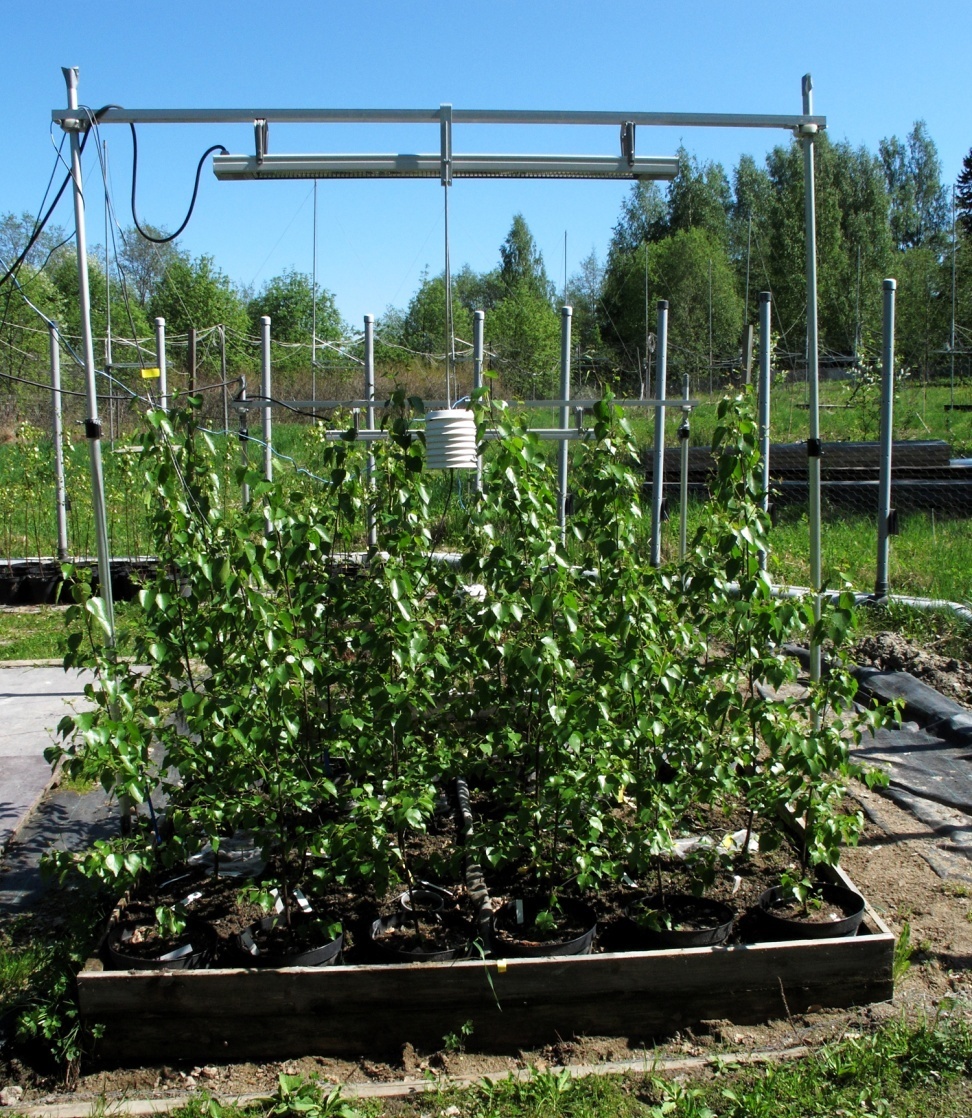
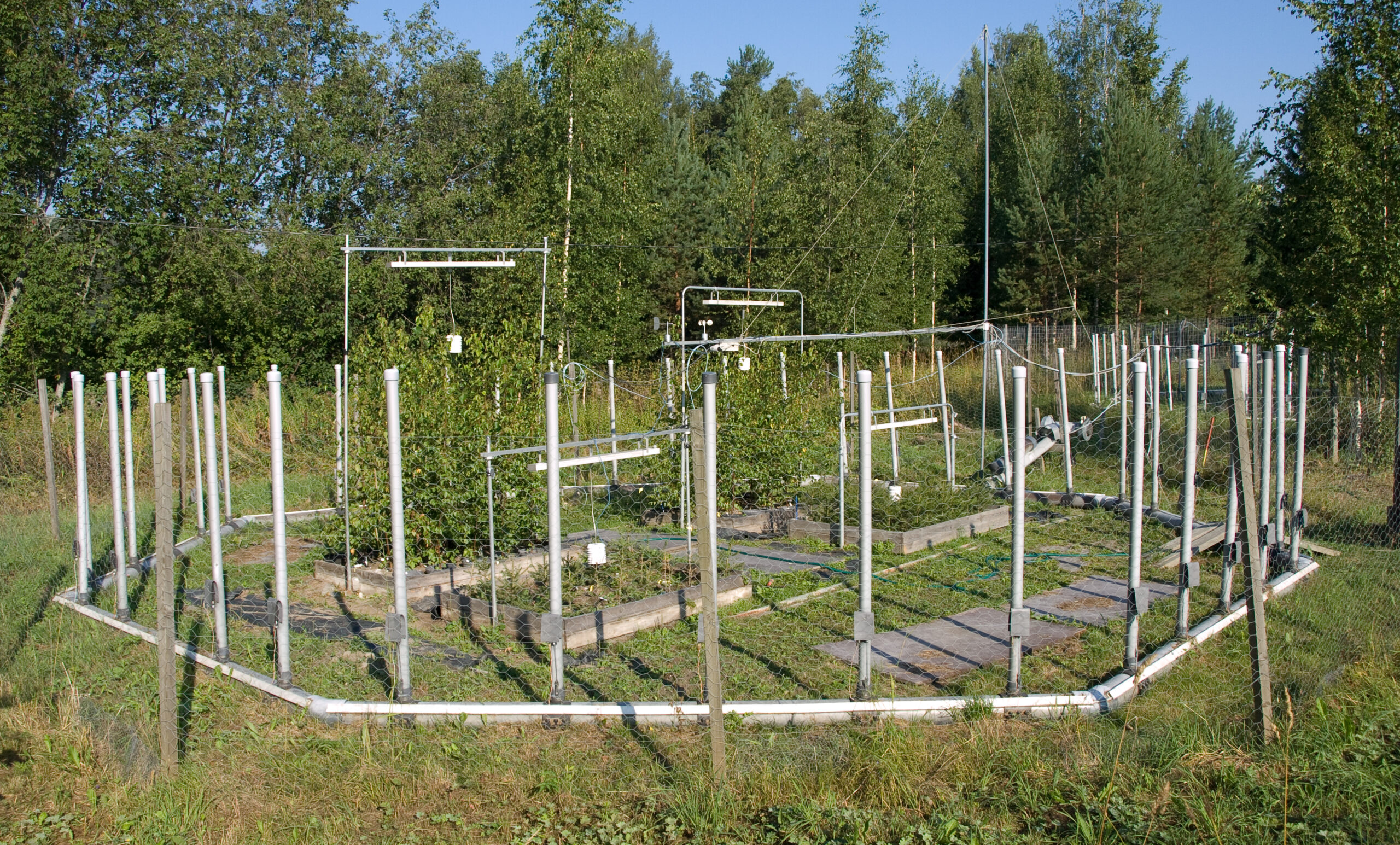
This tool was built by Serge (MSc) using established science and government sources. My academic background covers Biogeochemistry, Forest Science, Environmental Biology, and Plant Biology, and my field research directly measured soil carbon and tree growth in open-air experiments. My tools are for educational purposes and give practical guidance, not professional advice.
Foresters often measure a trunk with a tape around it, which gives the girth, but growth is usually discussed as diameter. This converter turns one into the other, so you can record whichever you measured and still compare like with like. These are exact conversions.
How This Works
Girth is the distance around the trunk, and diameter is the distance across it. They are linked by a fixed number, pi, which is about 3.1416. Diameter is girth divided by pi, and girth is diameter multiplied by pi. So if you wrap a tape around a trunk and read the girth, this tool gives you the matching diameter, and the other way round.
Understanding Your Result
Use whichever measure suits you, but stay consistent. If you track a young tree over years, always measure the same way at the same marked height, then use this converter only if you need to compare with a figure given in the other unit. The conversion itself is exact, so it adds no error, but your tape reading should be taken snugly and level around the trunk for a fair result.
Important Note
The conversion is exact and assumes a round trunk, which most are close to. A trunk that is oval or has bumps will give a slightly different diameter depending on where you measure, so for careful work measure diameter across the widest point and again at right angles and take the average. For simple tracking of growth over time, a consistent tape girth at the same marked spot works perfectly well.
Scientific Basis
Measuring trunk diameter, often as diameter at breast height, is a standard method in forestry. The United States Department of Agriculture Forest Service uses trunk diameter measurement as a core part of its national forest monitoring. See the official source below.
- USDA Forest Service, Forest Inventory and Analysis (trunk diameter measurement in forestry)
Related Reading
For tracking a young tree's growth over its first three years, see my Tree Establishment Tracker and my Tree Growth Rate Calculator.
This converter is for general educational use. The conversion is exact for a round trunk. It is not a substitute for professional tree measurement.