



Soil Texture Estimator
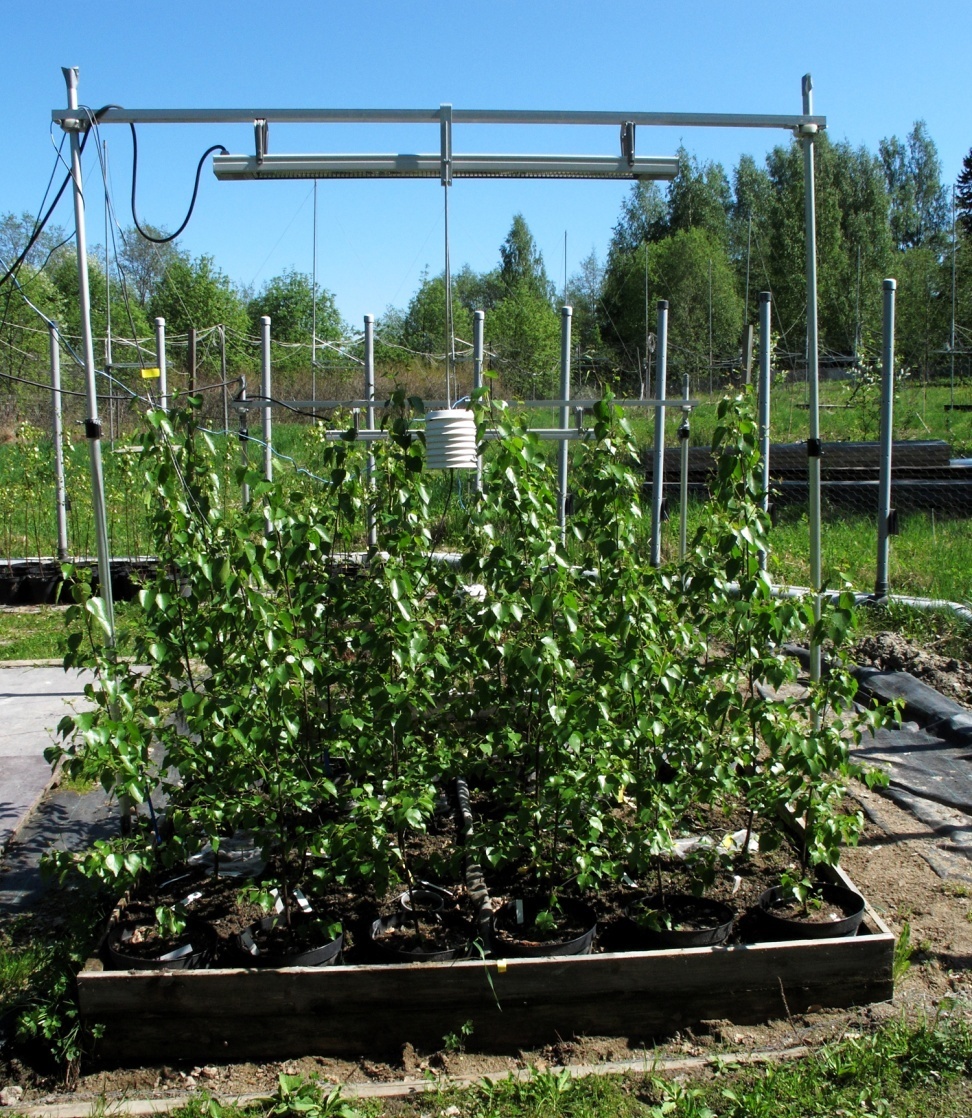
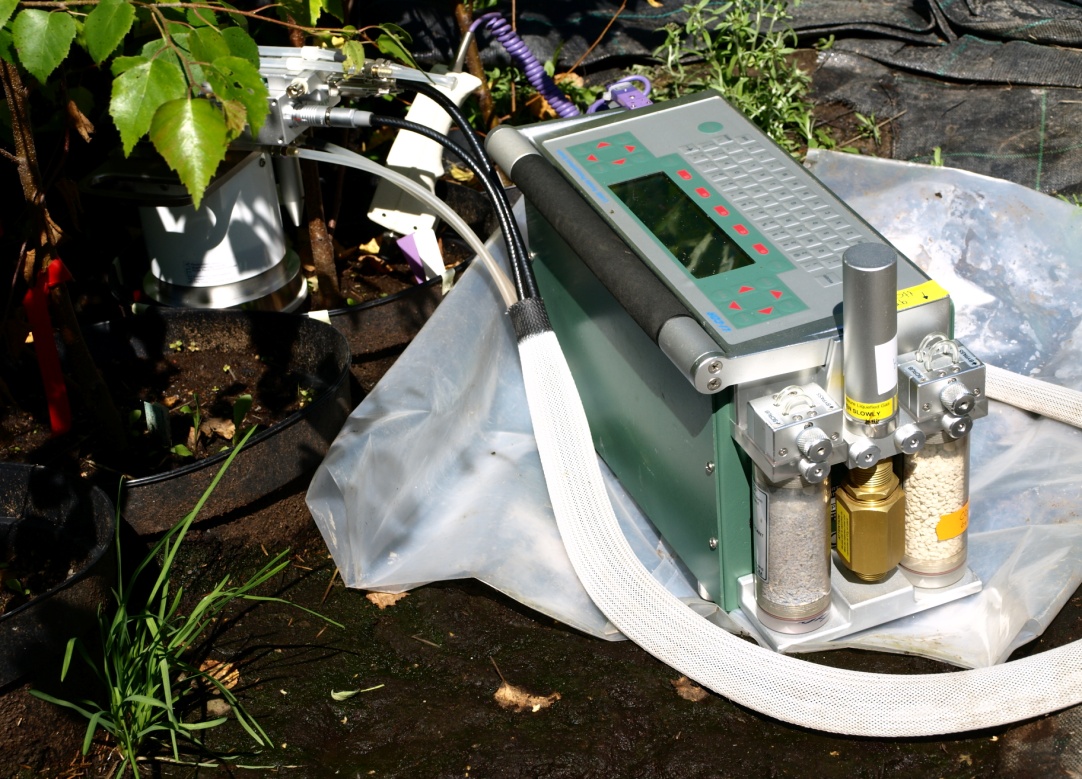
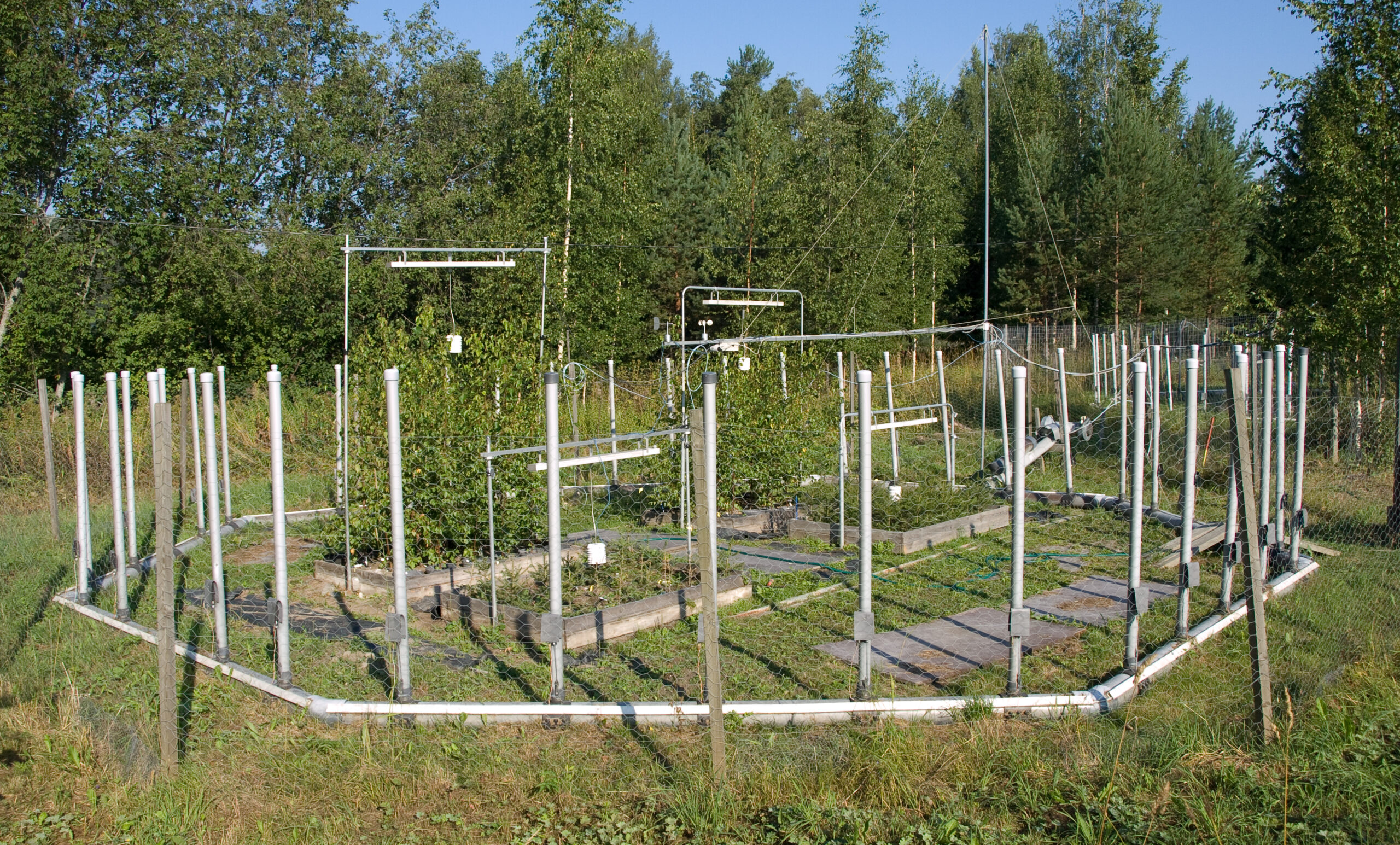
This tool was built by Serge (MSc) using established science and government sources. My academic background covers Biogeochemistry, Forest Science, Environmental Biology, and Plant Biology, and my field research directly measured soil carbon and tree growth in open-air experiments. My tools are for educational purposes and give practical guidance, not professional advice.
Knowing whether your soil is sandy, loamy, or clay tells you a lot about how it drains, holds water, and behaves. You can estimate it with a simple jar test at home. Let a soil sample settle in water, measure the layers, and this tool estimates your soil texture. It is an estimate to guide you, not a lab analysis.
How This Works
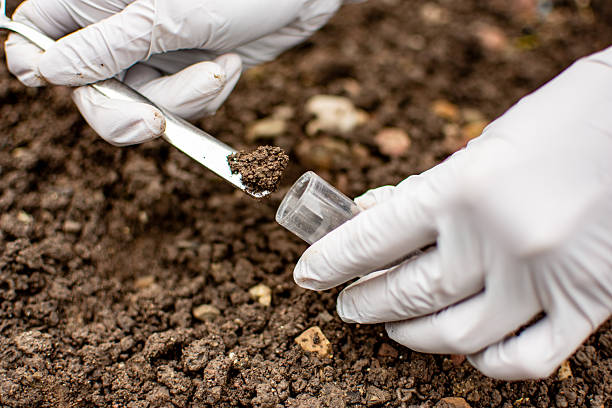
Fill a clear jar about one third with soil, top up with water, add a little dish soap, shake well, and let it settle for a day. The particles settle in layers by size: sand sinks first at the bottom, then silt, then clay on top. Measure the height of each layer in millimetres and enter them here. The tool works out each layer as a percentage of the total and estimates your soil texture from those proportions.
Understanding Your Result
The result names your likely soil type and what it means for you. Sandy soils drain fast and dry out quickly, so they need organic matter to hold water. Clay soils hold water and nutrients but drain slowly and compact easily, so they need organic matter to open them up. Loam, a balance of all three, is the easiest to work with. Whatever your type, adding organic matter is the common improvement.
Important Limitations
This is an estimate from a home test, not a laboratory measurement. The jar test is rough: reading the layer boundaries is not always clear, organic matter can float and confuse the reading, and a single sample may not represent a whole garden. Use the result as a general guide to how your soil behaves, and take samples from a few spots for a fairer picture. For precise texture, a soil laboratory is the proper route.
Scientific Basis
Soil is classified by the proportions of sand, silt, and clay it contains. The United States Department of Agriculture Natural Resources Conservation Service defines these soil texture classes and the particle sizes behind them. See the official source below.
- USDA NRCS, Soil Texture Calculator and classes (sand, silt, and clay texture classes)
Related Reading
For reading your soil's condition and fixing common problems, see my Soil Fix Decision Sheet and my soil articles.
This estimator is for general educational use. It gives a rough soil texture from a home jar test and is not a substitute for laboratory soil analysis.