




Soil Amendment Calculator
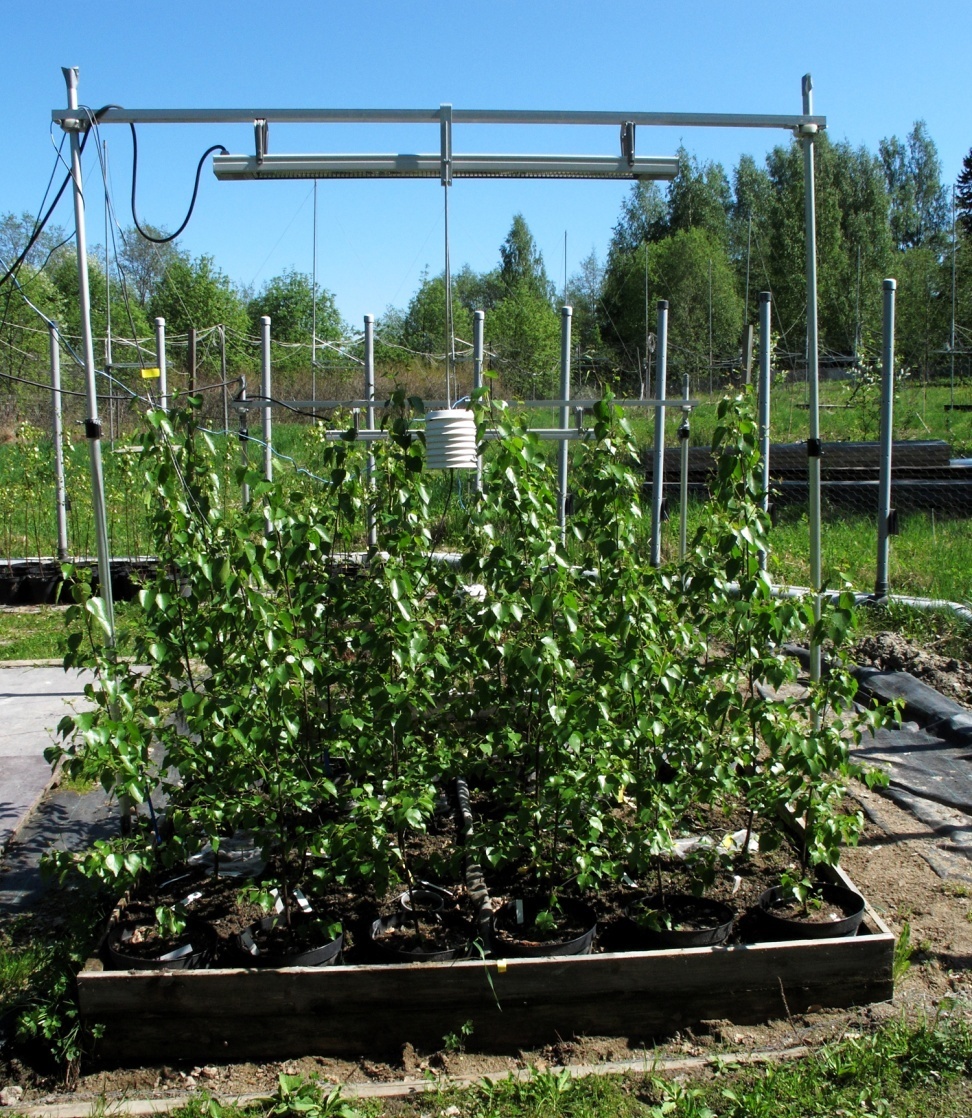
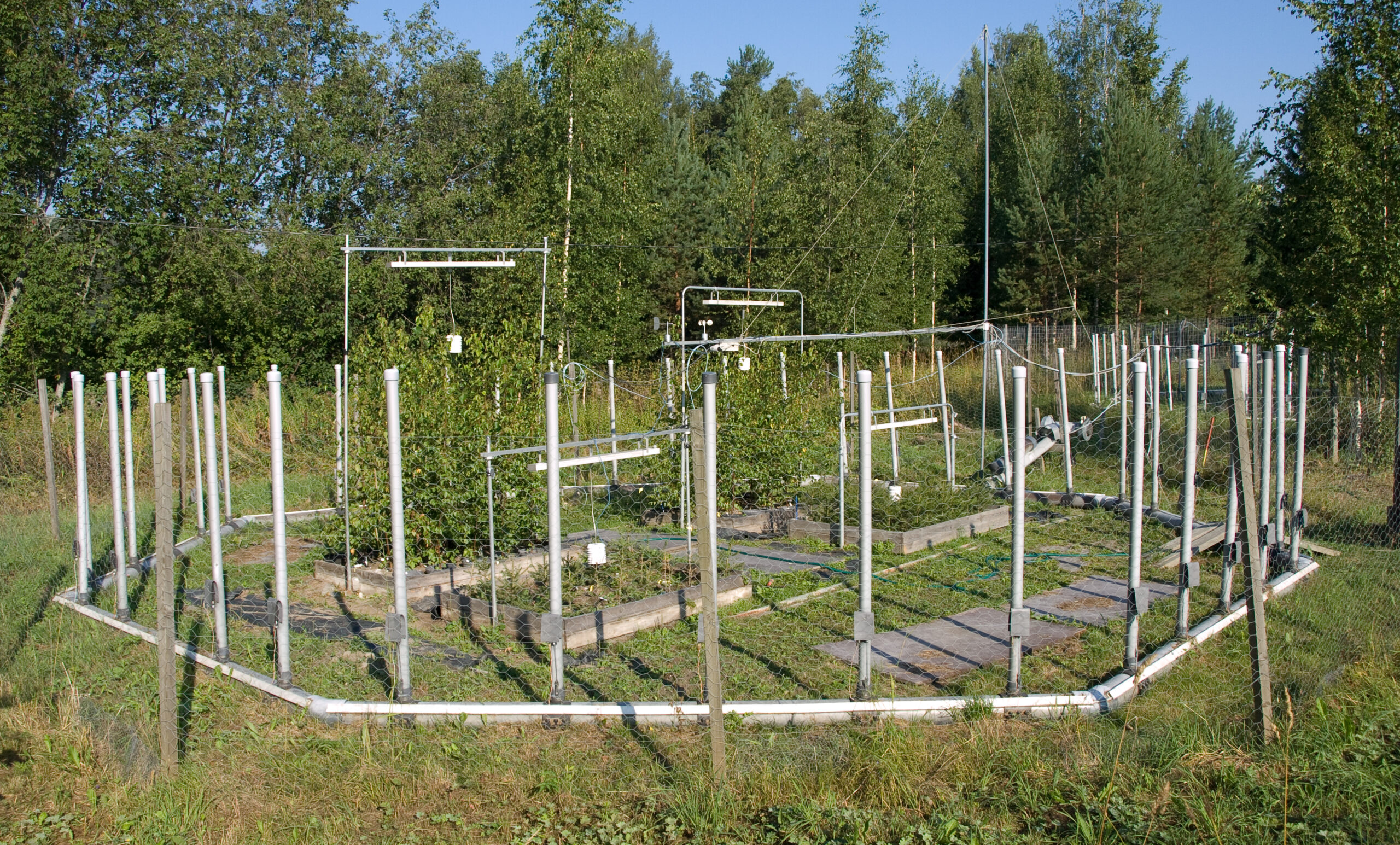
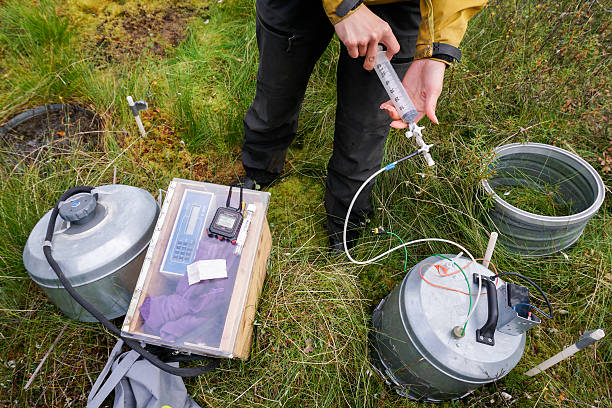
This tool was built by Serge (MSc) using established science and government sources. My academic background covers Biogeochemistry, Forest Science, Environmental Biology, and Plant Biology, and my field research directly measured soil carbon and tree growth in open-air experiments. My tools are for educational purposes and give practical guidance, not professional advice.
Adding organic matter is the single most useful thing you can do for most soils. It feeds soil life, helps sandy soil hold water, and helps clay soil drain. This tool estimates how much compost or organic matter to spread over a bed, based on its area and how much improvement it needs. It gives a range to aim for, not an exact prescription, because soils and materials vary.
How This Works
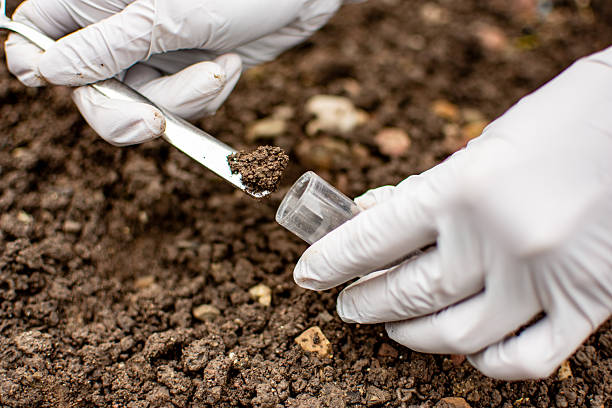
Compost is spread as a layer over the soil and worked into the top few inches. The right thickness of that layer depends on how much your soil needs. A soil in good condition needs only a thin top-up each year. An average soil benefits from a moderate layer. A poor or degraded soil needs a thicker layer to start building it up. This tool takes your bed area and turns the recommended layer thickness into a volume of compost to spread, given as a range.
Understanding Your Result
The result is the rough volume of compost to spread over your bed, as a range in litres and in wheelbarrow loads. Aim within that range. Spread it evenly and work it into the top 15 to 20 centimetres (6 to 8 inches) of soil. For a poor soil, the higher end of the range in the first year makes sense, dropping to a thinner maintenance layer in later years as the soil improves.
Important Limitations
This is an estimate to guide you, not a precise prescription. It covers adding organic matter, which helps almost any soil, but it does not tell you about specific nutrients or pH, which need a soil test to judge properly. The amount of compost you can safely add also depends on your soil and what you grow, and adding very large amounts year after year can cause nutrient build-up. If you have added heavy compost for several years, a soil test is worth doing. Use this to plan a sensible layer, not to replace testing.
Scientific Basis
The layer thicknesses this tool uses come from established guidance. The United States Department of Agriculture Natural Resources Conservation Service, in its guidance on soil health for urban and small-scale growing, notes that adding a layer of compost of roughly two to four inches is a common recommendation for improving degraded soils, with lighter amounts to maintain soil already in good condition. See the official source below.
Related Reading
For how to read your soil and match a problem to its cause and fix, see my Soil Fix Decision Sheet and my soil articles.
This calculator is for general educational use. It gives an estimate to help you plan how much compost to add, and is not a substitute for a soil test or professional advice. The right amount depends on your own soil and conditions.