


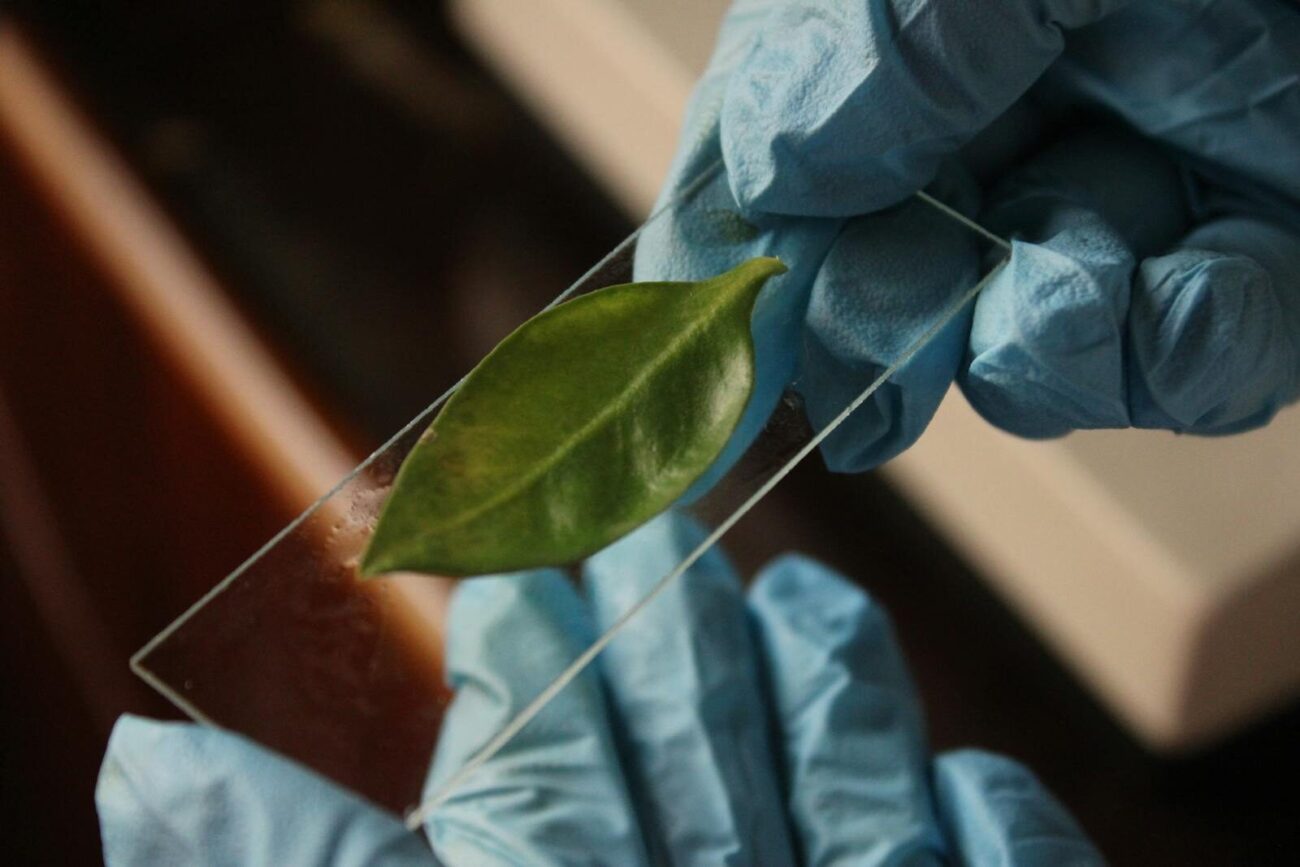
Measuring leaf area by hand is one of those field tasks that sounds manageable until you are actually doing it at scale.
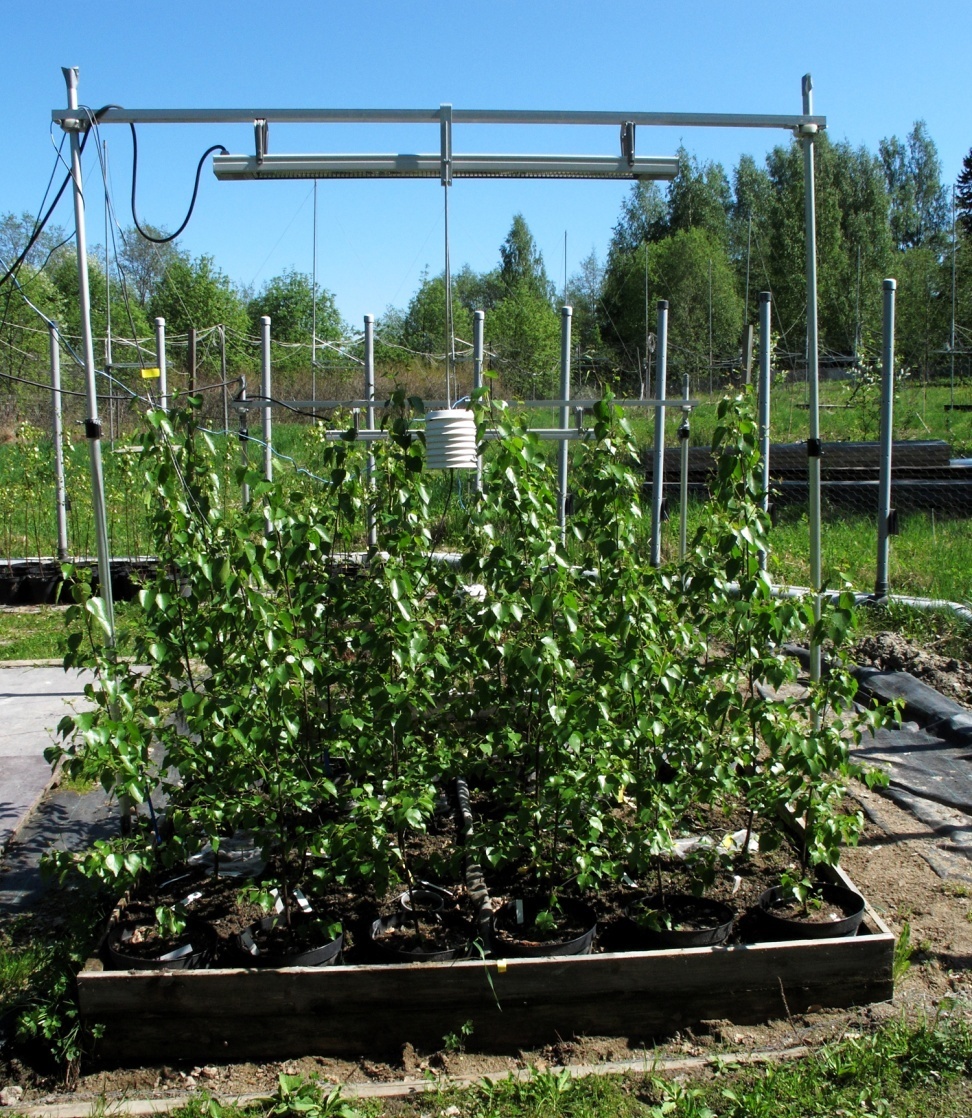
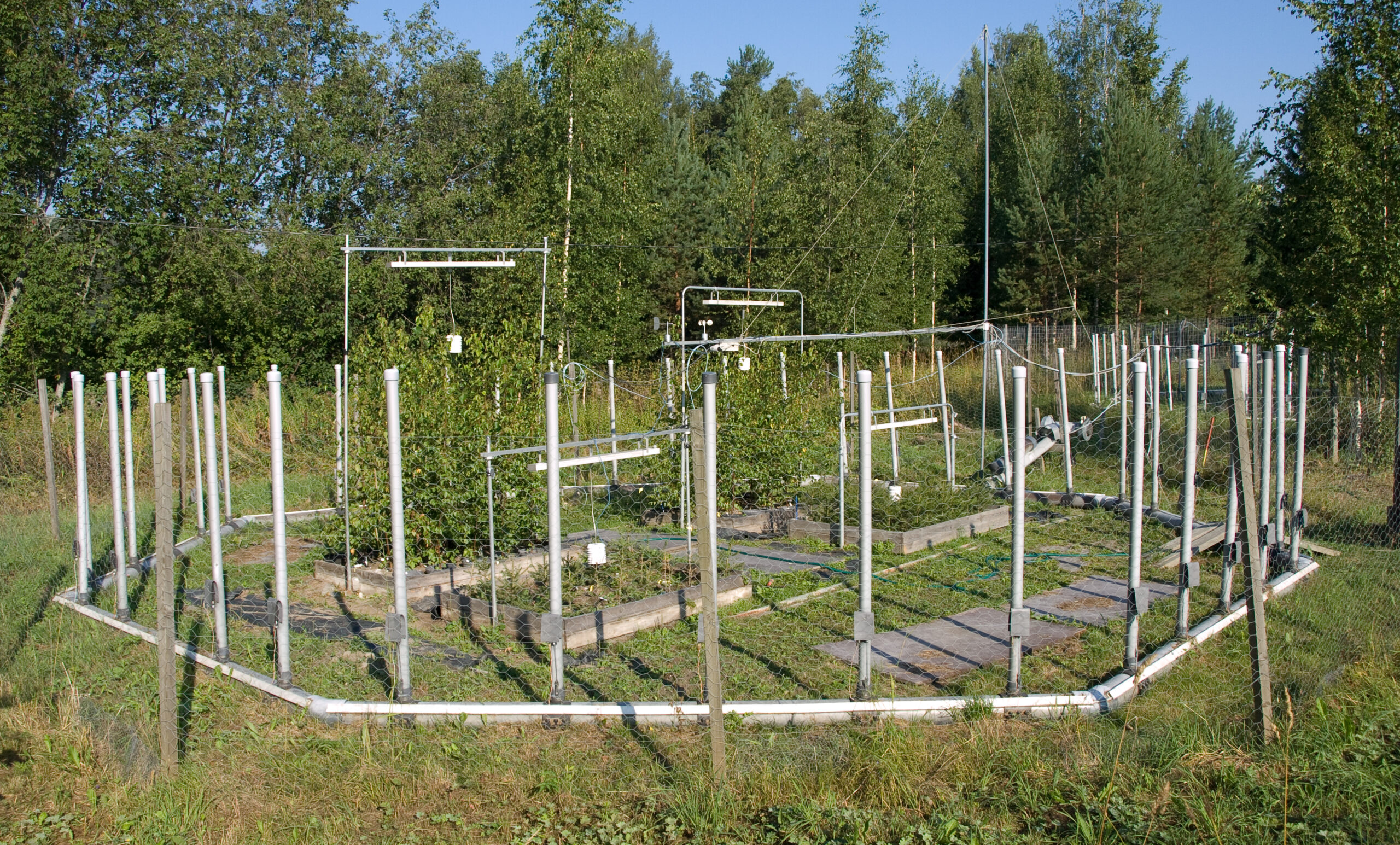
In my field experiment I measured leaf length and width on every leaf of selected branches every three weeks, entered the values into an Excel file with a correction factor formula, then validated the whole dataset against leaf scans processed in image analysis software. It worked. The data was reliable. But it took a significant amount of time per measurement session across 192 trees.
A handheld leaf area meter does in seconds what that entire workflow took hours to accomplish. This article explains how these instruments work, what types are available, and how to decide whether investing in one makes sense for your situation or whether a free alternative serves you just as well.
What Is a Leaf Area Meter?
A leaf area meter is an instrument that measures the surface area of a leaf directly and automatically, typically in square centimetres. Rather than measuring length and width and applying a correction factor, you pass the leaf through or place it on the instrument and it calculates area from the actual leaf shape.
This matters because leaves are rarely simple rectangles or ovals. The correction factor approach assumes a consistent shape across all leaves and all measurement dates, which introduces systematic error particularly when leaf shape changes under different treatment conditions. A leaf area meter measures actual area regardless of shape, which eliminates that source of error entirely.
How Does a Leaf Area Meter Work?
Most handheld leaf area meters use one of two measurement principles.
Laser scanning instruments pass a laser beam across the leaf surface and calculate area from the shadow or reflection pattern. The CI-202 and CI-203 from CID Bio-Science are examples of this type. You feed the leaf through a slot and the instrument calculates area in real time as the leaf passes through. These are fast, accurate to within 1% for most leaf types, and handle irregular shapes well.
Image-based instruments like the LI-3000C from LICOR use a sensor array that captures the leaf silhouette as it passes through the measurement head. Area is calculated from the pixel count of the leaf image. LICOR instruments in particular are widely used in research settings because of their established accuracy and compatibility with data logging systems.
Both approaches are considerably faster and more reproducible than manual ruler methods for most leaf sizes and shapes. The main limitation is very small leaves, below about 1 cm², where edge effects reduce accuracy, and very large leaves that exceed the measurement window of the instrument.
Types of Leaf Area Meters
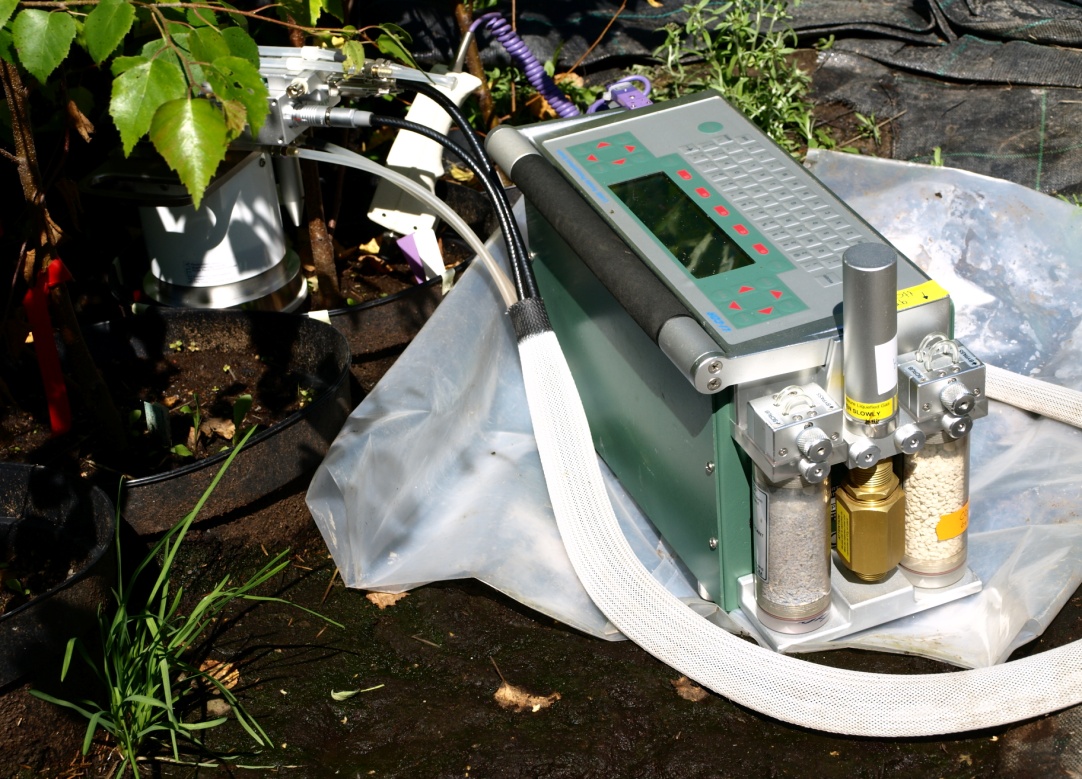
Portable scanning meters like the CI-202 are the most common choice for field research. They are battery operated, self-contained, and can measure hundreds of leaves per hour. Data is stored internally and downloaded to a computer after the field session. These suit research programmes where leaf area is a primary variable and measurement throughput matters.
Bench-top systems like the LI-3100C are faster and more accurate than handheld instruments but require a power supply and are not suitable for field use without a generator. For laboratory-based work where samples are brought back from the field, bench-top systems offer the highest throughput and accuracy.
Smartphone apps like Easy Leaf Area and LeafByte offer a low-cost alternative using colour segmentation from camera photos. I covered these in detail in the leaf area measurement guide on this site. They suit occasional measurements and student projects where professional instrument costs are prohibitive.
How to Choose the Right Measurement Method
The honest answer is that most researchers and students do not need a professional leaf area meter. Here is how to think through which approach actually fits your situation.
You probably need a professional leaf area meter if:
Leaf area is a primary variable in a funded research programme
You are measuring hundreds of samples per session repeatedly throughout a season
Measurement accuracy to within 1% is required for your research question
You need automated data storage with timestamps for large datasets
A free or low-cost method is probably sufficient if:
You are a student measuring a moderate number of samples for a project
You are doing exploratory or monitoring work where relative changes matter more than absolute accuracy
Your leaves have a fairly regular shape where a correction factor performs well
Budget is a constraint
The manual ruler and Excel method I used in my own field research is genuinely adequate for most experimental work with small to medium sample numbers. Combined with image validation on a reference subset it produces reliable, publishable data at no equipment cost beyond a ruler and a laptop.
ImageJ with flatbed scanning gives research-grade accuracy at no software cost and is the right choice for lab-based work where samples come back from the field for processing.
Smartphone apps are the most portable free option and suit fieldwork where instant results matter more than laboratory precision.
Professional handheld meters from established manufacturers like LICOR and CID Bio-Science are available through scientific instrument suppliers for programmes where throughput and precision justify the investment. These instruments are validated against international standards and have established user communities in forest and crop science research.
The most important thing is matching the method to the research question. Overinvesting in a professional instrument for a project that a ruler and ImageJ would serve equally well is as much of a problem as underinvesting in accuracy for research that demands it.
Frequently Asked Questions
What is a leaf area meter used for?
Measuring the surface area of leaves in plant science, forestry, agriculture, and ecological research. It provides a direct measurement of the photosynthetically active surface of a leaf, which relates to carbon assimilation capacity, water use, and plant growth responses to environmental conditions.
How accurate are handheld leaf area meters?
Research-grade instruments like the CI-202 and LI-3000C are accurate to within 1% for most leaf sizes and shapes. Accuracy decreases for very small leaves below 1 cm² and for leaves with complex lobed shapes that create edge measurement challenges.
What is the difference between a leaf area meter and measuring leaf area manually?
A leaf area meter measures actual leaf shape directly and automatically. Manual methods measure length and width and apply a correction factor that assumes a consistent leaf shape. For leaves with variable or irregular shapes, a leaf area meter is more accurate. For regular-shaped leaves in small numbers, manual methods with image validation give comparable results.
Can I measure leaf area with a smartphone?
Yes, using apps like Easy Leaf Area or LeafByte which use colour segmentation from camera photos. These are free and practical for occasional or student use but less accurate than dedicated instruments for research requiring precise absolute values.
Why is leaf surface area important in plant research?
Leaf area determines how much light a plant can intercept for photosynthesis, how much water it loses through transpiration, and how much CO₂ it can absorb for carbon fixation. In environmental stress research, changes in leaf area under different treatments reflect how the plant is allocating carbon and responding physiologically to the stressor.
What free alternatives exist to professional leaf area meters?
ImageJ with flatbed scanning gives research-grade accuracy at no cost. Easy Leaf Area and LeafByte use smartphone photos and are free to download. Manual ruler measurement with species-specific correction factors and Excel calculation is reliable for moderate sample numbers. All three are covered in detail in the leaf area measurement guide on this site.