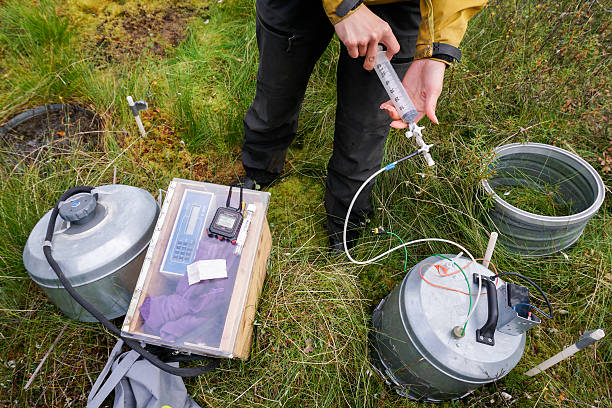
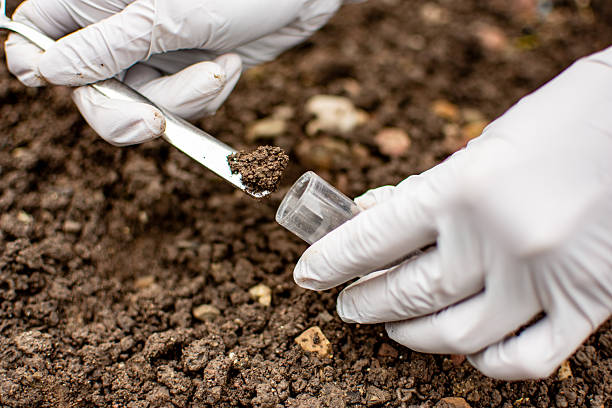



Soil moisture was one of the variables I recorded continuously throughout my field experiment. Not because it was the main focus of my research, but because without it I could not interpret my soil respiration data reliably. Moisture and temperature together explain most of the short-term variation in soil CO₂ efflux. Miss one and your analysis becomes guesswork.
That practical experience taught me to think carefully about what a soil moisture sensor is actually for before choosing one. This guide focuses on the buying decision, which type suits which situation and what to look for on the specification sheet.
The Main Types and How They Differ
Capacitance sensors measure the dielectric permittivity of the soil, which changes with water content. They are the most widely used type in both research and agricultural monitoring because they are affordable, reasonably accurate, and connect easily to standard data loggers. Most commercial soil moisture sensors you will find on Amazon fall into this category. They require calibration for different soil types to give accurate absolute values but perform well for tracking relative changes over time.
TDR sensors (time domain reflectometry) send an electromagnetic pulse along probes inserted in the soil and measure how long the pulse takes to return. The travel time reflects the soil dielectric constant which correlates with water content. TDR sensors are more accurate than capacitance sensors, particularly across different soil types, but are considerably more expensive and require more technical setup.
Tensiometers measure soil water potential rather than volumetric water content. They tell you how hard the plant or microbial community has to work to extract water from the soil rather than how much water is there. For plant stress and irrigation research, water potential is often more relevant than volumetric content. For carbon cycling and decomposition research, volumetric content is usually what you need.
Gypsum blocks are the simplest and cheapest option. Electrical resistance between two electrodes embedded in a gypsum block changes with the moisture of the surrounding soil. They are accurate at low moisture levels but less reliable at high moisture. For long-term monitoring on a tight budget they are a practical starting point.
What I Used in My Field Experiment
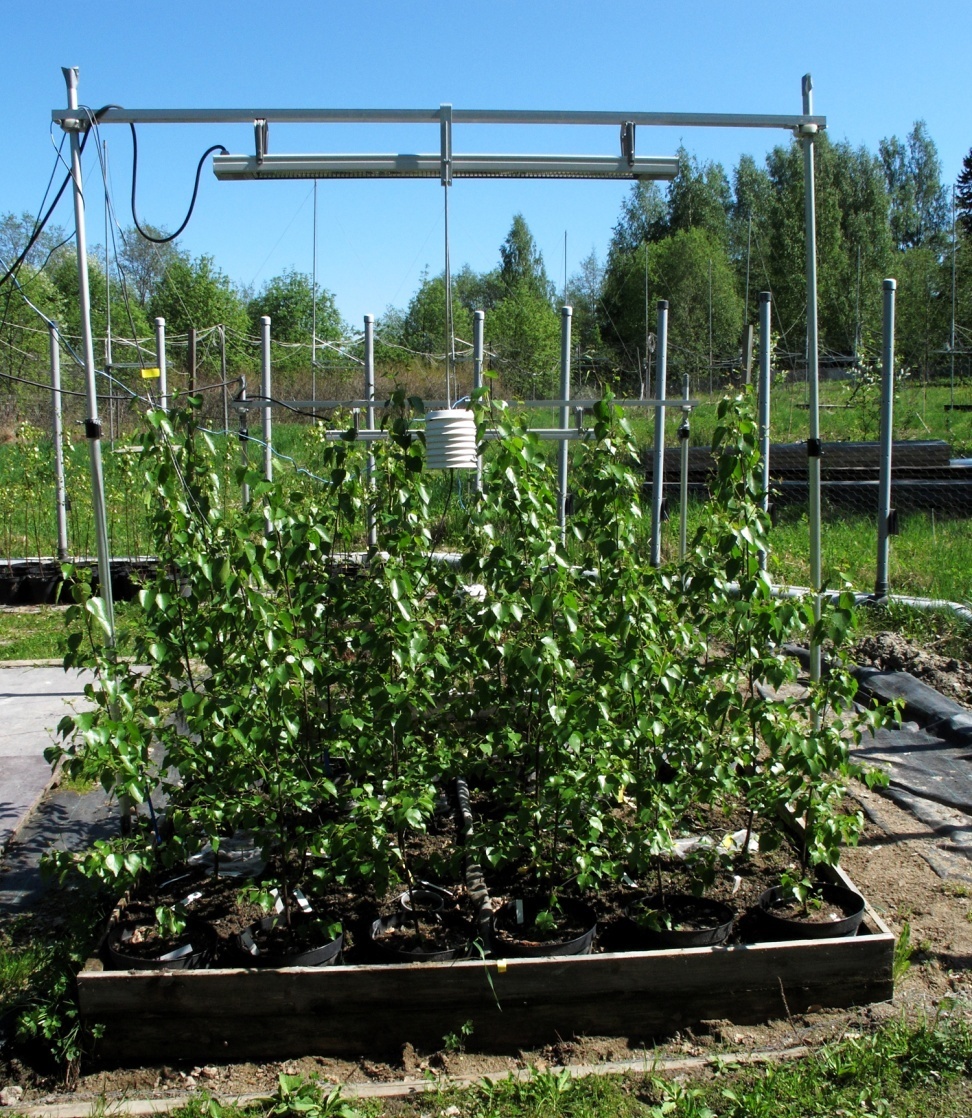
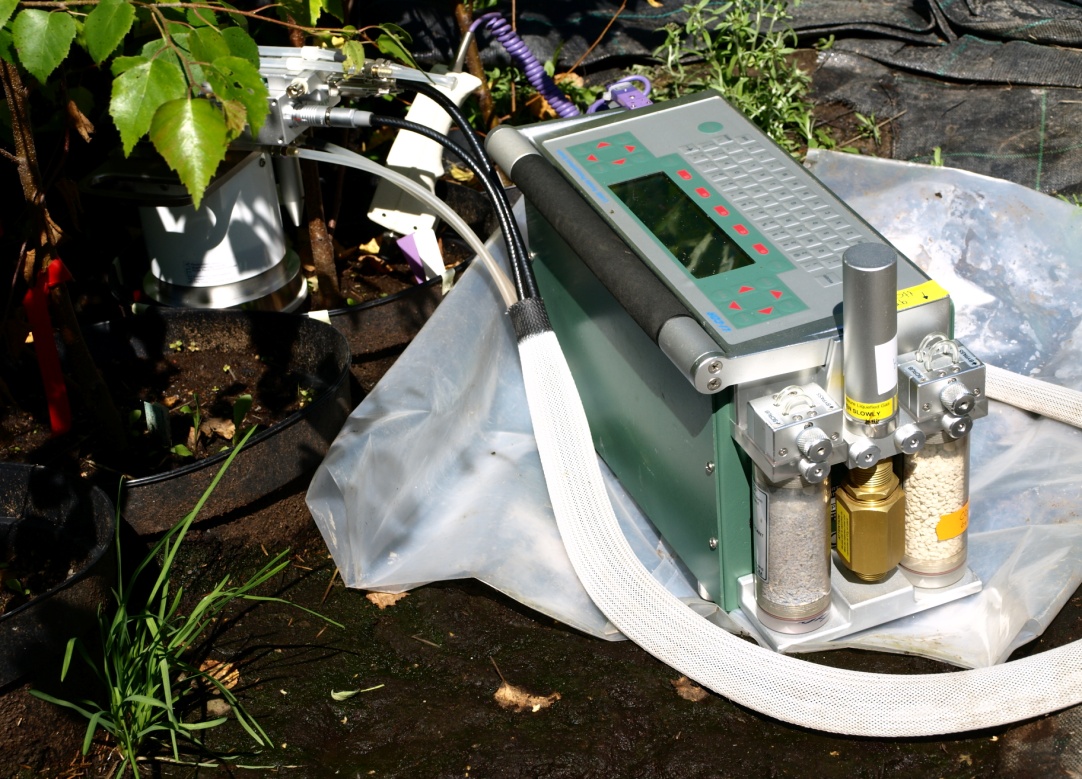
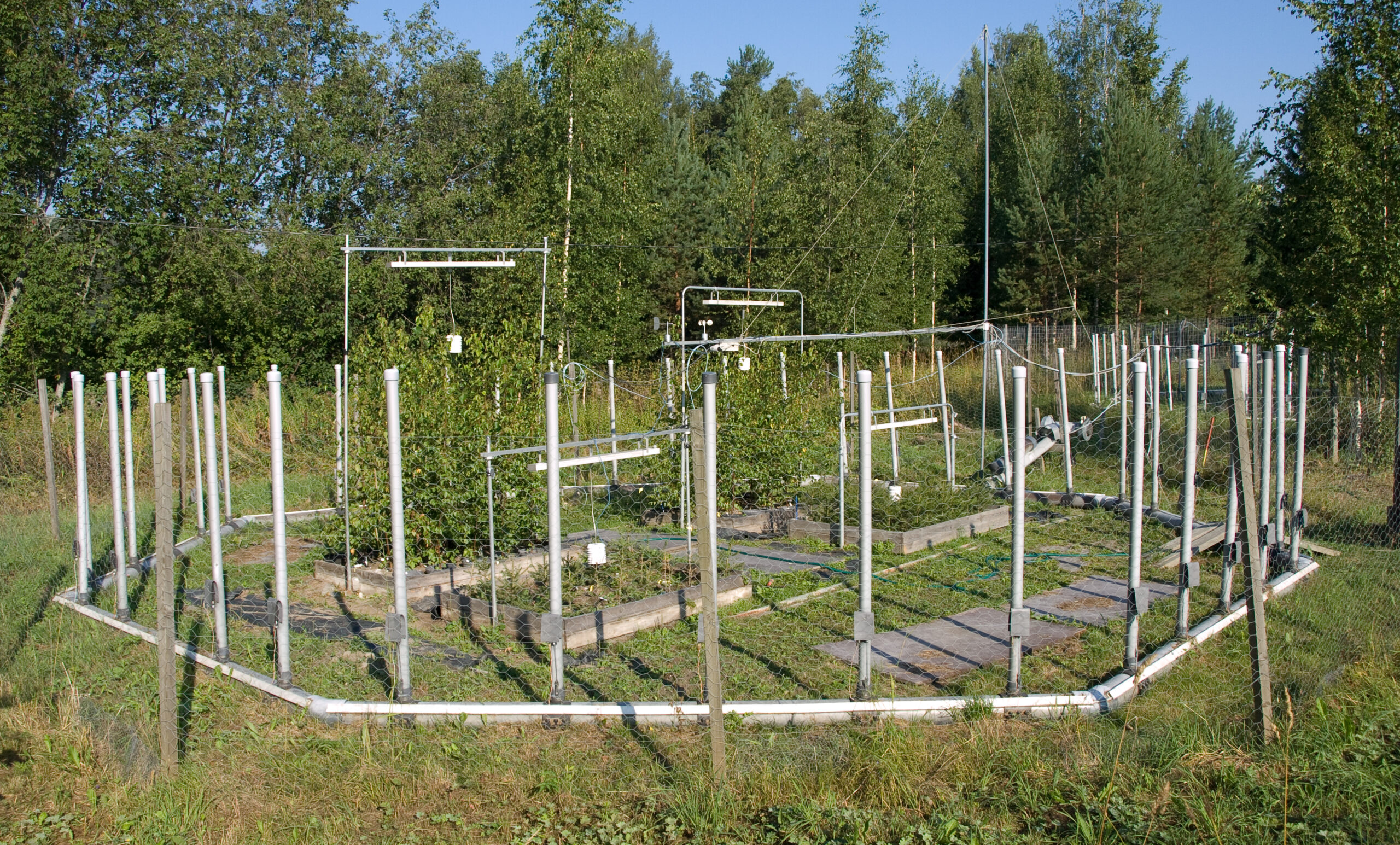
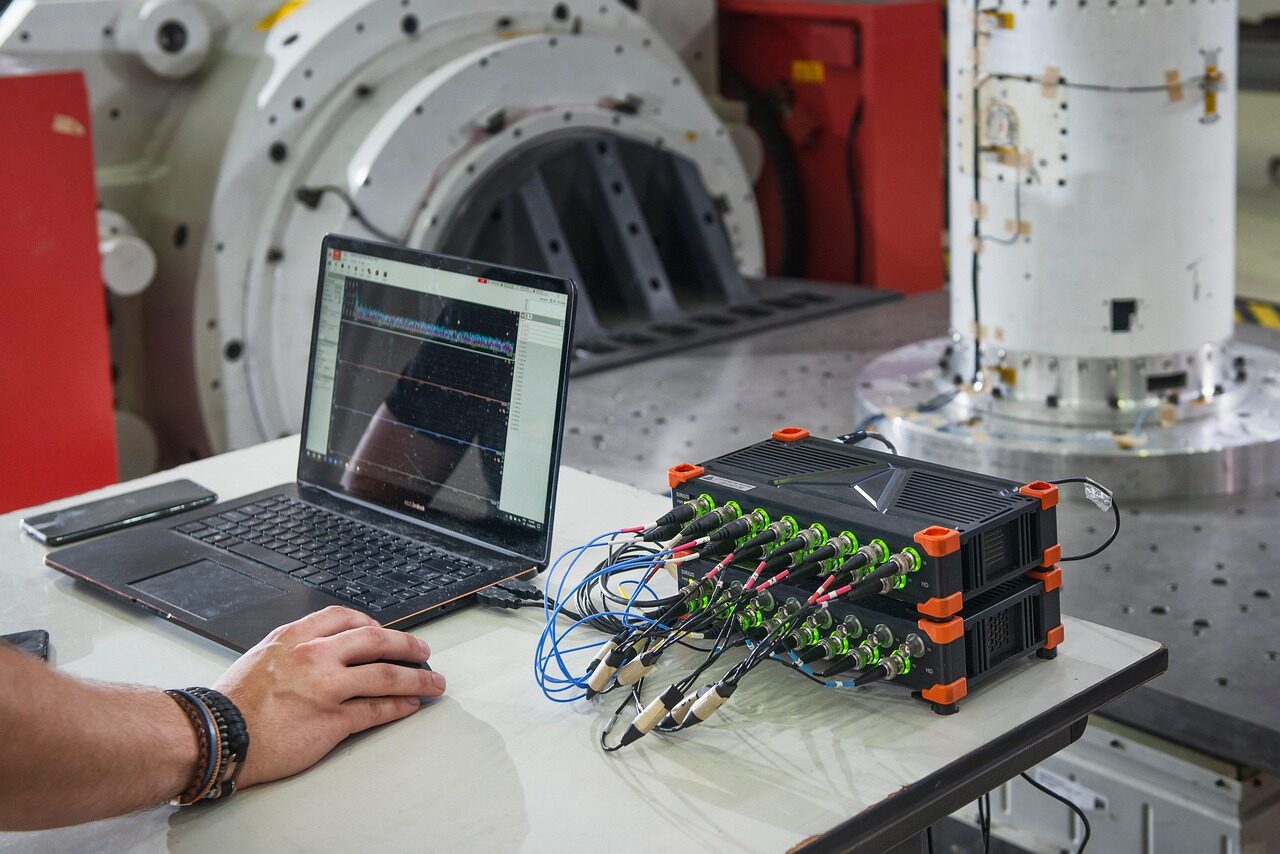
In my experiment soil moisture was recorded continuously using sensors connected to the central data logging system in the field cabin. The sensors were inserted at a consistent depth in each subplot and recorded automatically at regular intervals throughout the growing season.
The key thing I learned from that setup is that consistent placement matters as much as sensor quality. A high-accuracy sensor installed at slightly different depths across plots introduces spatial variability that masks real treatment effects. I marked insertion depth on every sensor cable before deployment and checked placement at each site visit.
I also learned to record soil moisture and soil temperature together every time. On dry days the temperature effect on respiration was often suppressed by moisture limitation. Without the moisture record I could not have separated those effects in the analysis.
What to Look for When Buying
Output type.
Analog voltage output sensors connect to most data loggers directly. Digital output sensors using SDI-12 or I2C protocols are cleaner for multi-sensor systems. Check compatibility with your logger before buying.
Measurement range.
Most agricultural and research sensors cover 0 to 100% volumetric water content. Check the resolution at the moisture levels typical for your soil type. Sandy soils operate at low moisture levels where some sensors lose accuracy.
Calibration.
Generic calibration works reasonably well for mineral soils. Organic-rich soils and peat need soil-specific calibration for accurate absolute values. If you only need relative changes over time, generic calibration is usually sufficient.
Probe length.
Determines the measurement depth and integration volume. Shorter probes measure a smaller soil volume and are more sensitive to surface conditions. Longer probes average over a larger depth.
Durability.
Look for probes rated for continuous soil burial over months or years. Connector quality is critical, the junction between probe and cable is where most field sensor failures occur.
Things Worth Knowing Before You Buy
Do I need volumetric water content or water potential?
For carbon cycling, decomposition, and most plant growth research, volumetric water content is what you need. For irrigation management and plant stress research, water potential from a tensiometer is more informative.
How many sensors do I need?
One per subplot or treatment replicate at minimum for experimental research. For basic monitoring of a single site, one sensor at your target depth is a starting point, though two depths gives a more complete picture of the soil water profile.
Can I use a simple garden moisture meter for research?
The cheap no-battery resistance meters sold for houseplants give a qualitative indication of wet versus dry and nothing more. They are not suitable for research where quantitative or comparative moisture data is needed.
How often should I check sensor readings?
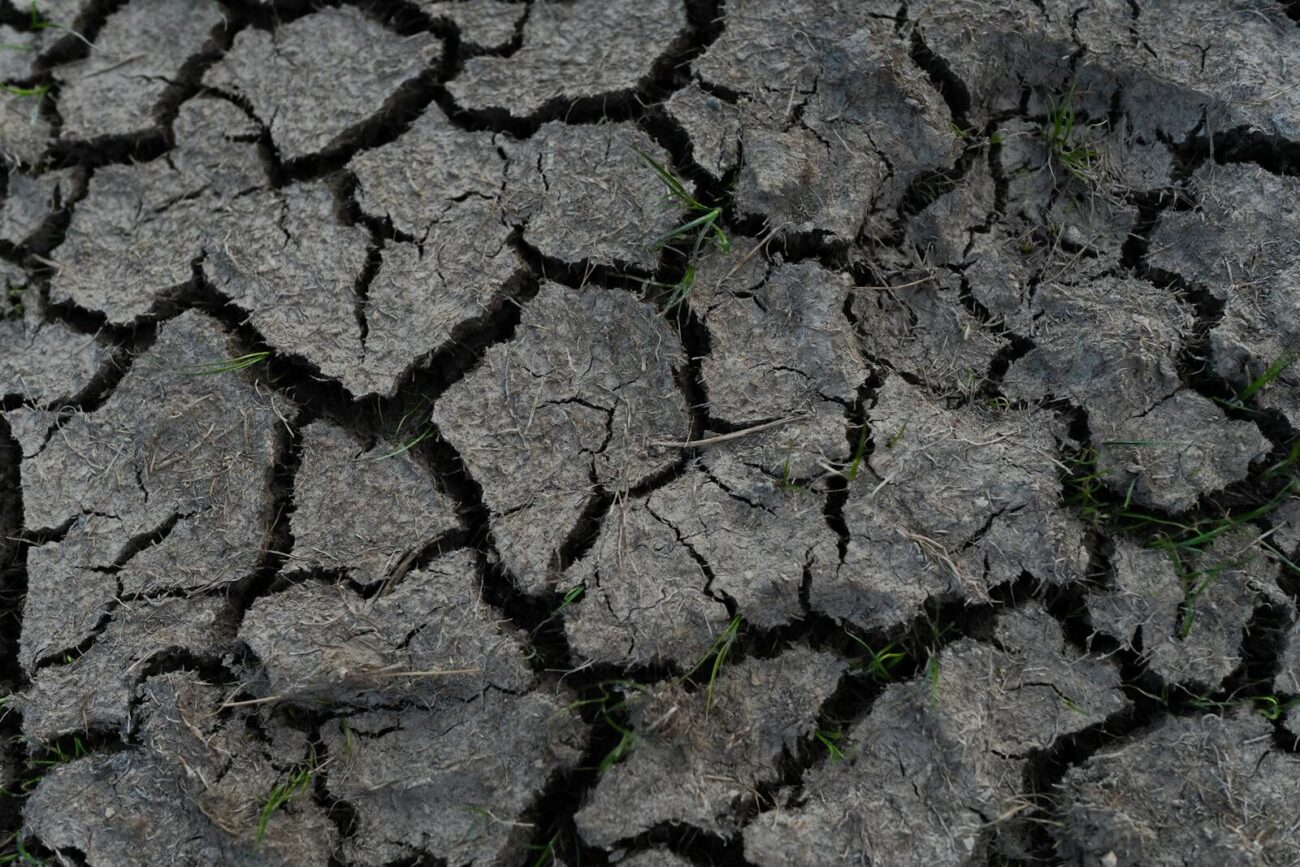
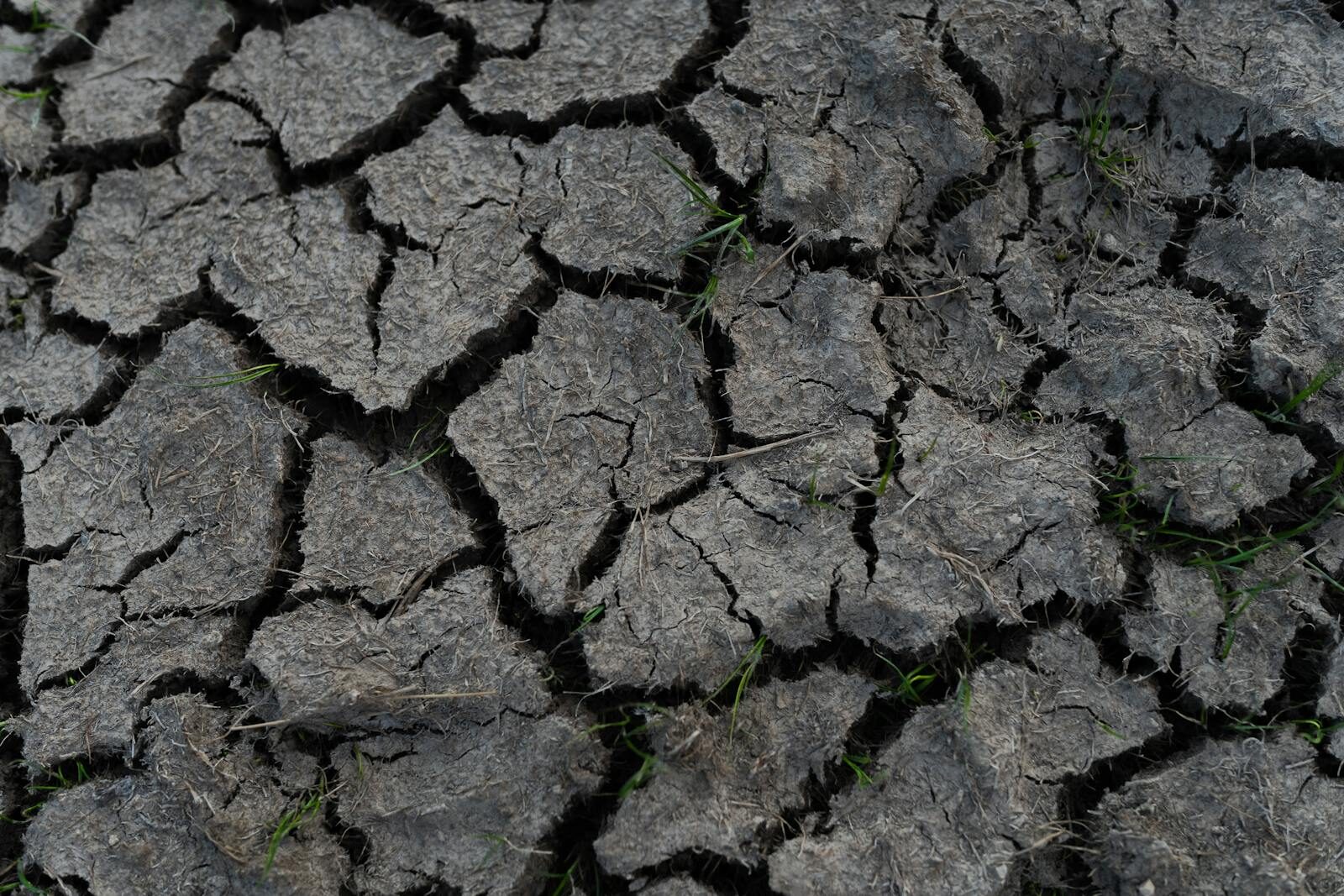
In my setup I checked moisture data every time I visited the field site. Sensors can drift, fail, or become air-gapped from the soil if frost or dry conditions cause soil shrinkage. Regular checks catch problems before they affect your dataset.
For Home Gardeners and Plant Enthusiasts
If you are monitoring soil moisture for home plants, garden beds, or small-scale growing projects rather than scientific research, a simple soil moisture meter gives you a reliable indication of when to water without any technical setup. The Dr.meter is one of the most reviewed options in this category and works well for everyday plant care.