


After spending a full growing season measuring stem diameter by hand on 192 trees every three weeks, I have a very practical understanding of when automated stem monitoring is worth the investment and when it is not.
A dendrometer band records stem growth continuously without anyone being present. That sounds straightforwardly useful until you look at what they actually cost, where to buy them, and whether your research question genuinely requires that level of temporal resolution. This guide cuts through those questions clearly.
Are Dendrometer Bands Available on Amazon?
Straightforwardly, no. Not in any meaningful sense for research applications.
A search for dendrometer bands on Amazon returns pocket tree calipers and general forestry measuring tools, none of which are dendrometer bands. This is not surprising. Dendrometer bands are specialist scientific instruments designed for research institutions, long-term forest monitoring programmes, and university field stations. They are sold through specialist scientific equipment suppliers, not general retail platforms.
This matters if you are trying to buy one quickly or on a tight budget. The options are more limited and more expensive than most buyers expect going in.
Where to Actually Buy Dendrometer Bands
Specialist forestry and scientific equipment suppliers are the primary source. Companies including Ecomatik, UMS, and Planteflex manufacture research-grade electronic band and point dendrometers and sell directly or through distributors. Prices for electronic systems typically start from several hundred euros or dollars and go considerably higher for multi-sensor research setups with data logging integration.
The Smithsonian Institution uses a simple manual band dendrometer system across its large-scale forest monitoring plots that is available through Forestry Suppliers. This is a stainless steel band with a vernier gauge that you read manually at each site visit. It is the most affordable genuine dendrometer option and is used in serious long-term research, just without the continuous automated recording of electronic systems.
Open-source dendrometer systems based on Arduino microcontrollers have been developed by research groups and published openly. If you have electronics skills these offer a low-cost path to automated stem monitoring. The designs and components are freely available online.
How to Choose the Right Approach for Your Situation
Rather than pointing you toward a specific product that may not suit your needs, here is how I would think through the decision.
You need an electronic dendrometer band if your research question requires continuous sub-daily resolution of stem growth or water status changes. Drought response studies, climate warming experiments tracking real-time growth dynamics, or any work where the timing of growth matters as much as the total amount. Budget for specialist supplier pricing and data logger integration.
You need a manual band dendrometer if you are monitoring seasonal growth across many trees at multiple sites where electronic systems would be impractical to maintain. The Smithsonian-style manual band is affordable, durable, and used in published long-term forest research. Read it at each site visit and record manually.
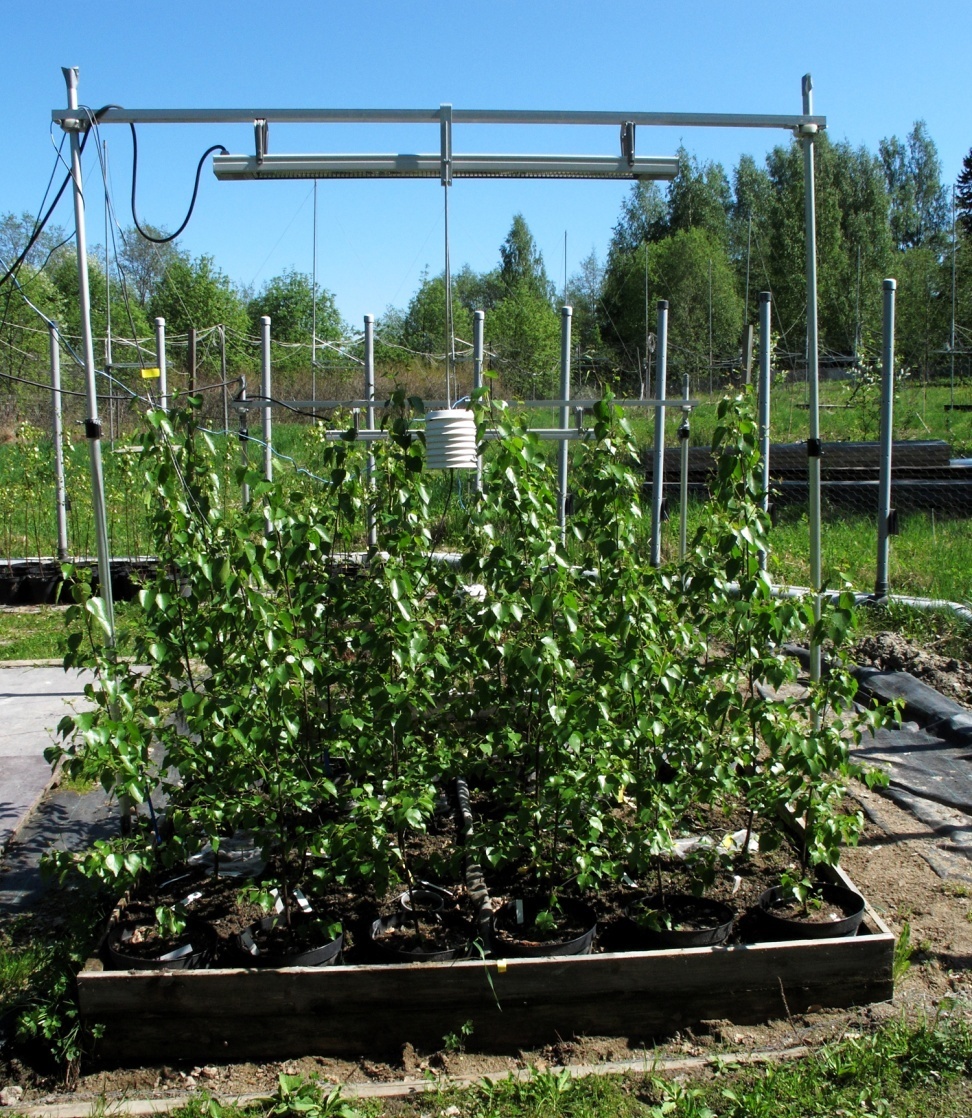
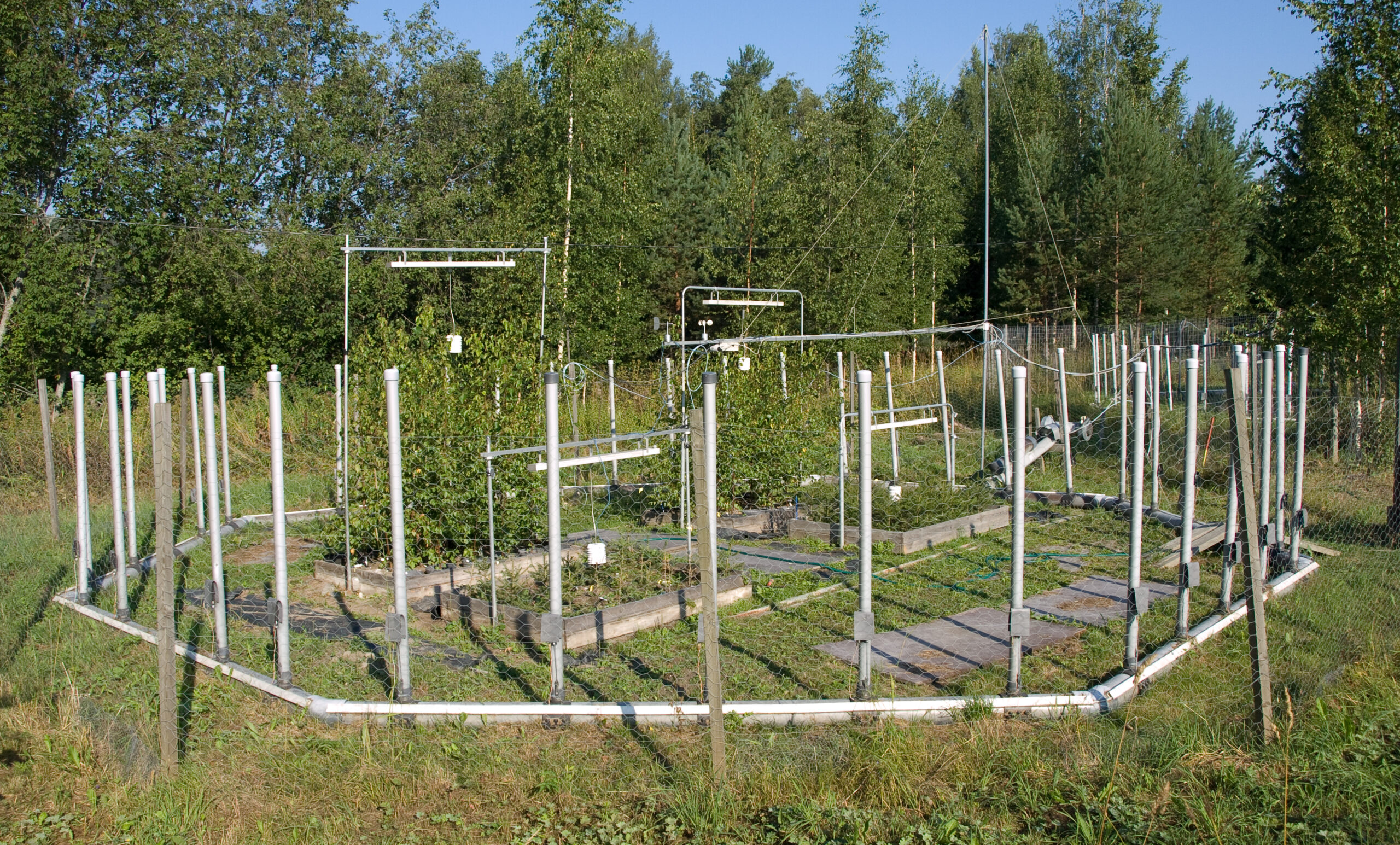
You do not need a dendrometer at all if you are running a short-term experimental study with small trees where a Vernier caliper at marked points gives you the measurement precision you need. This is exactly the approach I used in my own field research and it produced reliable, publishable results at a fraction of the cost of electronic monitoring.
The decision really comes down to whether your research question requires continuous data or whether periodic snapshots are sufficient. Most experimental studies with treatment comparisons over a single growing season are well served by periodic caliper measurements. Long-term monitoring of established trees is where dendrometers earn their cost.
Where to Find Dendrometer Systems
For manual band dendrometers used in serious long-term forest monitoring, Forestry Suppliers stocks the Smithsonian-style stainless steel band system used in published research programmes. Their catalogue is available directly at forestrysuppliers.com.
For electronic automated systems with continuous data logging output, Ecomatik and UMS manufacture research-grade band and point dendrometers and supply directly to institutions and individual researchers. Open-source Arduino-based designs are also freely available online for researchers with electronics experience who want a lower-cost automated option.
For simple portable stem diameter measurement in the field without continuous monitoring, your existing caliper or a DBH tape covers most experimental research needs at a fraction of the cost.
Frequently Asked Questions
How much do dendrometer bands cost?
Manual band systems start from around 30 to 80 USD through specialist forestry suppliers. Electronic automated systems with data logger output start from several hundred USD and go considerably higher for multi-sensor research setups.
What is the difference between a dendrometer band and a tree caliper?
A dendrometer band wraps around the trunk and records continuous stem circumference changes over time. A tree caliper measures diameter at a single point in time when you visit the tree. One is for continuous automated monitoring, the other is for periodic manual measurement.
Is a dendrometer worth buying for a student project?
Usually not. For most student projects measuring stem growth over a season, a Vernier caliper at marked points and a structured datasheet produces adequate results at minimal cost. Electronic dendrometers are most valuable for research requiring continuous high-resolution temporal data.
Do dendrometer bands damage trees?
No, when installed correctly. They apply minimal pressure and are designed to accommodate growth without restricting the stem. They are routinely left on trees for multiple years in long-term monitoring programmes without causing measurable damage.
Can I use a dendrometer band on a sapling?
Most standard bands require a minimum stem diameter of around 5 to 10 cm. For smaller experimental saplings, a Vernier caliper at a marked point is more practical and accurate than a band dendrometer.