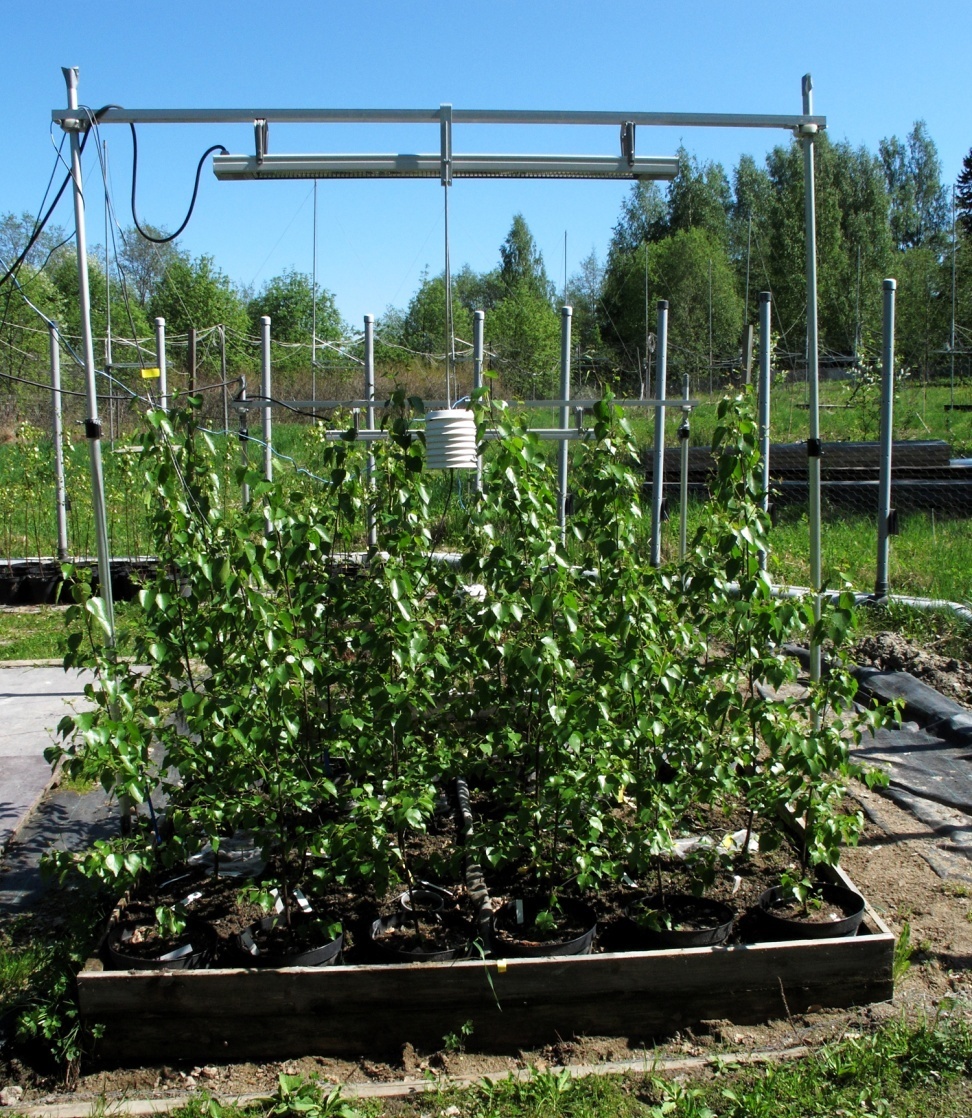
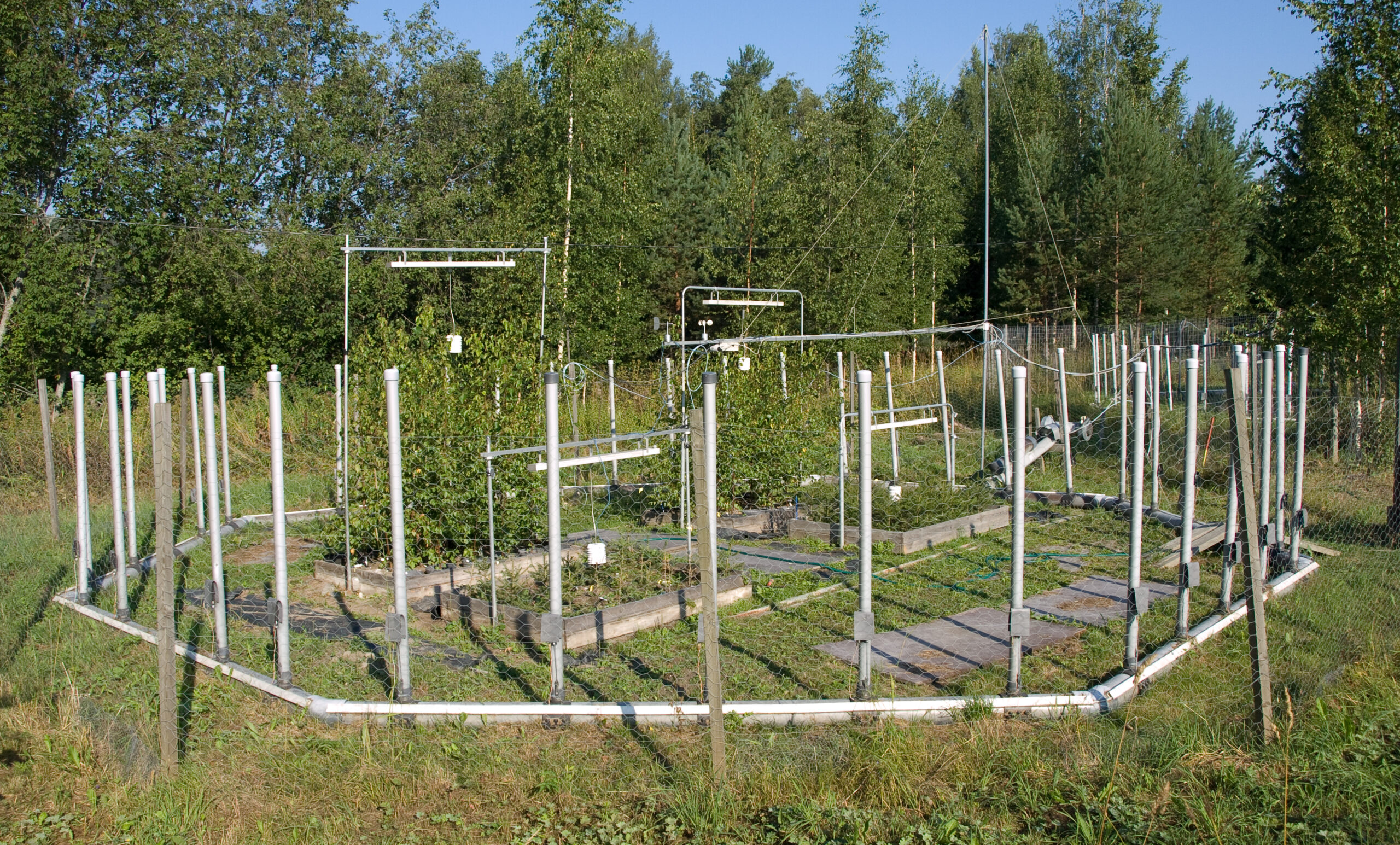



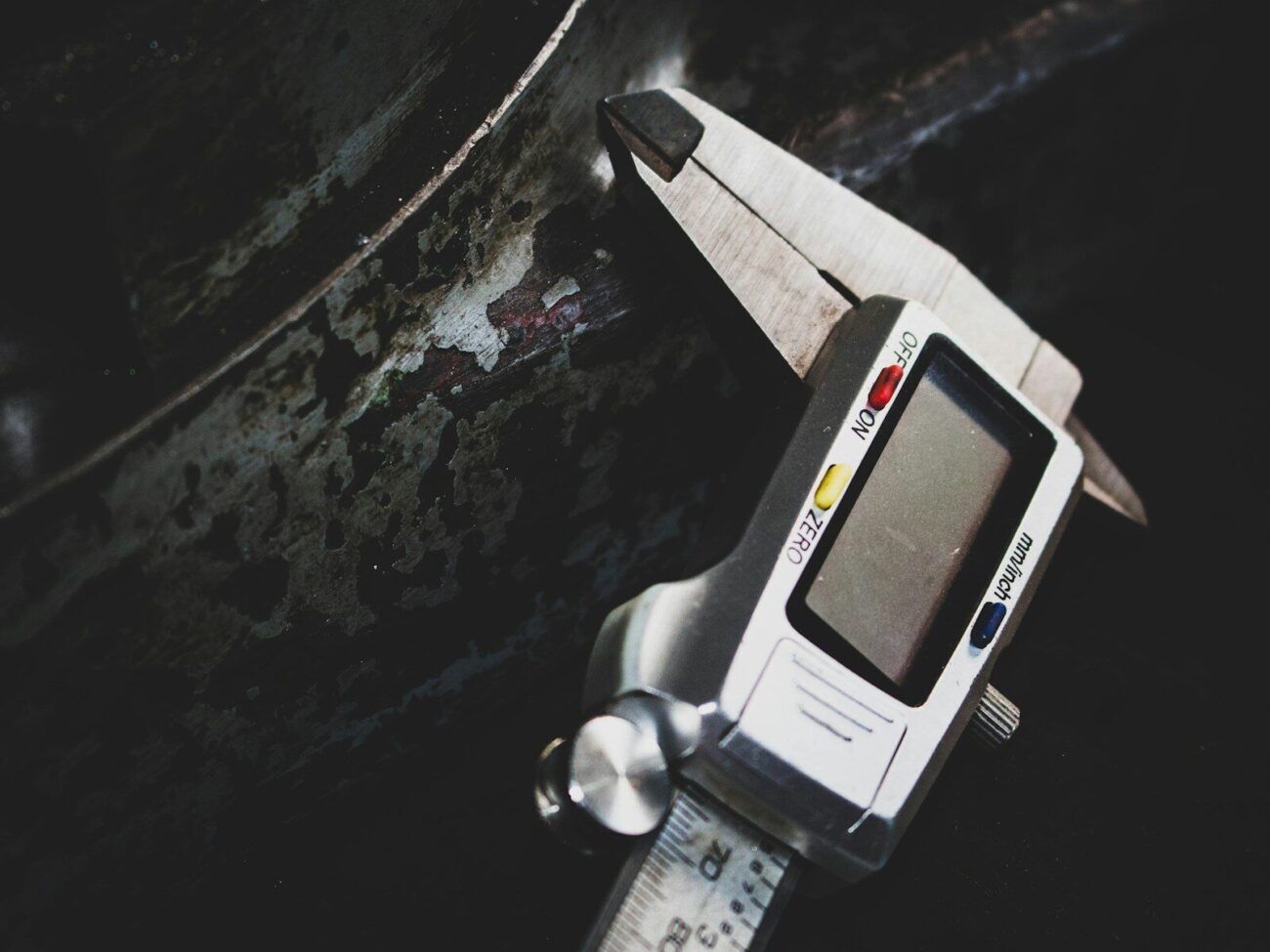
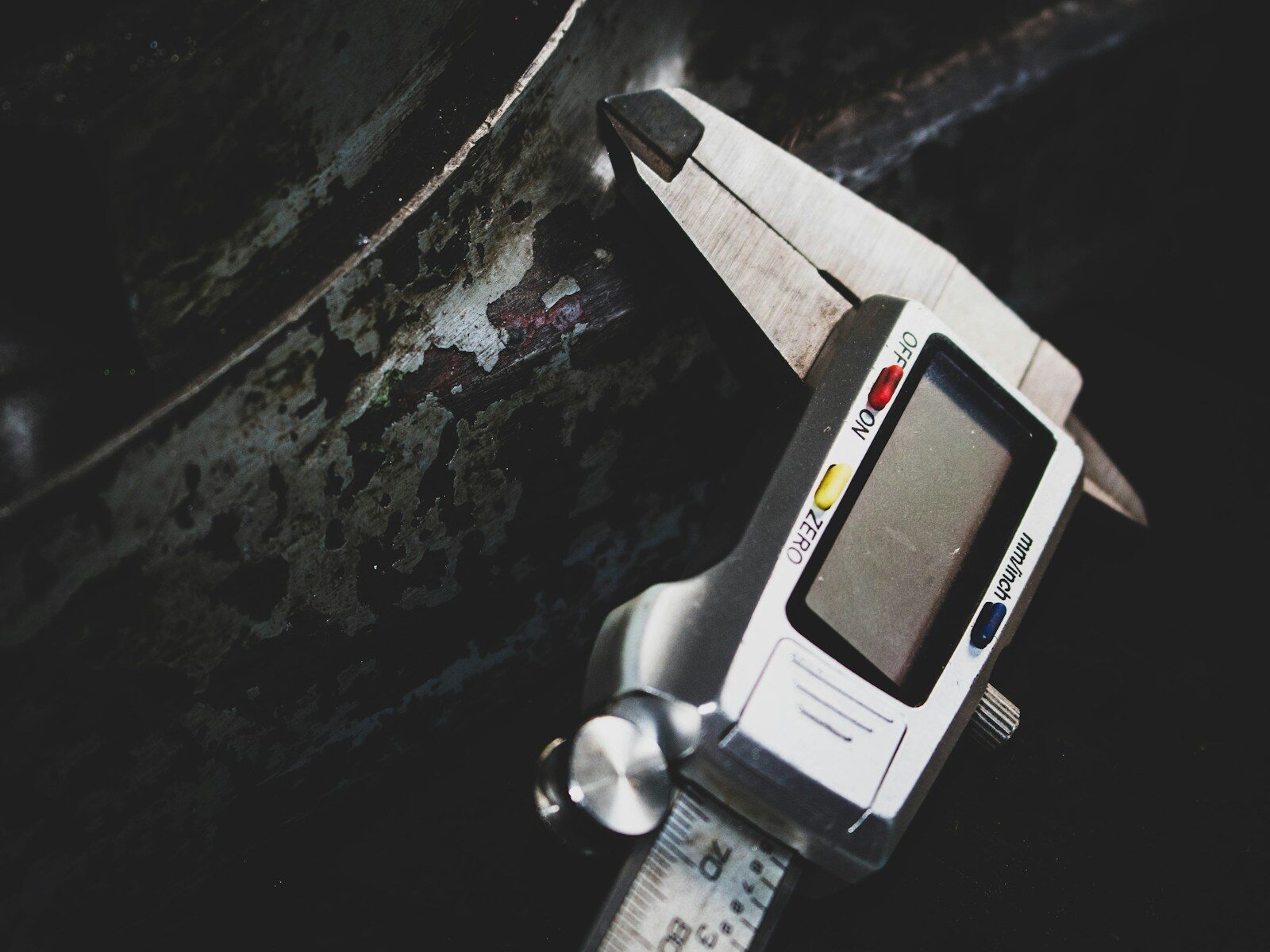
I have used a Vernier caliper more times than I can count. Across 192 experimental trees, every three weeks, throughout an entire growing season. That adds up to thousands of individual measurements. After that kind of field experience you develop very clear opinions about what makes a caliper good or frustrating to use in real outdoor conditions.
This guide covers what Vernier calipers and digital tree calipers are, how they differ, and what to look for when buying one for forest research or ecological fieldwork.
What Is a Vernier Caliper?
A Vernier caliper is a precision measuring instrument that uses two scales, a main scale and a sliding Vernier scale, to measure dimensions more accurately than a standard ruler. It can measure external dimensions like stem diameter, internal dimensions like pipe bore, and depth.
The Vernier scale works by subdividing the smallest division on the main scale into finer increments. A standard Vernier caliper reads to 0.1 mm precision. A more precise version reads to 0.05 mm or 0.02 mm. For tree stem diameter measurements in research, 0.1 mm resolution is more than sufficient.
In my field experiment I used a Vernier caliper at a fixed marked point on each tree stem. The marked point was essential. Measuring at exactly the same location every time is what allows you to track genuine growth rather than measurement variability. That discipline of consistent placement matters as much as the instrument itself.
Vernier Caliper vs Digital Caliper: What Is the Difference?
A traditional Vernier caliper requires you to read two scales simultaneously and align them visually to get a measurement. It takes practice to read reliably and quickly, particularly in the field where light conditions vary and you are working fast across many trees.
A digital caliper replaces the Vernier scale with an electronic display that shows the measurement directly. No visual alignment, no mental arithmetic, no misreading. You open the jaws, place them on the stem, and read the number.
For field research where you are taking hundreds of measurements in a single day, the time and error reduction from a digital display is genuinely significant. I used a traditional Vernier caliper in my experiment because that was the instrument available. If I were setting up the same study again I would use a digital caliper without hesitation.
The trade-off is battery dependence. A traditional Vernier caliper works in any conditions without power. A digital caliper needs a battery and can fail in very cold or wet conditions if not rated for outdoor use. For serious field research, choose a digital caliper with an IP rating for water and dust resistance.
Shop Digital Calipers on Amazon →
What Is a Forestry Caliper or Tree Caliper?
A forestry caliper, also called a tree caliper or timber caliper, is a specialised instrument designed specifically for measuring tree stem diameter. It consists of a graduated beam with one fixed arm and one sliding arm. You place the fixed arm against one side of the stem, slide the other arm to the opposite side, and read the diameter directly from the graduated scale.
Unlike a Vernier caliper which measures from a single point, a forestry caliper spans the full diameter of the stem in a single placement. This makes it faster for larger diameter stems and more natural to use standing beside a tree than crouching with a small caliper.
Forestry calipers are the standard instrument in professional forest inventory work where large numbers of trees need to be measured quickly. Digital versions with electronic readouts and Bluetooth data transfer to tablets or smartphones are increasingly used in modern inventory programmes, reducing transcription errors and speeding up data processing significantly.
For experimental research with small saplings where precise repeated measurements at marked points are needed, a standard Vernier or digital caliper is more appropriate. For inventory work with established trees, a forestry caliper covers more ground faster.
What to Look for When Buying
For a Vernier or digital caliper:
Jaw width matters for larger stems. A standard caliper with 150 mm capacity is fine for saplings and small experimental trees. For stems above about 50 mm diameter you need a wider capacity caliper or a forestry-specific instrument.
For field use, stainless steel construction handles moisture and dirt better than cheaper carbon fibre alternatives. An IP54 or higher rating on a digital caliper means it can handle splashes and light rain without failing.
Resolution of 0.1 mm is sufficient for most tree growth research. Finer resolution is not necessary and adds cost without benefit in this application.
A locking screw that fixes the measurement before you read it is useful when measuring alone, allowing you to lock the position and read without the jaws shifting.
For a forestry caliper:
Beam length determines the maximum diameter you can measure. A 60 cm beam covers most inventory work. For very large old-growth trees a longer beam is needed.
Lightweight aluminium construction reduces fatigue over a long measurement day. A hinged or folding design makes transport easier.
Digital forestry calipers with Bluetooth output are worth the additional cost for any programme measuring hundreds of trees per day where manual data recording creates a significant bottleneck.
Do Calipers Need to Be Calibrated?
Yes, and this is something I paid close attention to in my own measurements.
Before each measurement session, check your caliper by closing the jaws completely and verifying it reads zero. If it does not, adjust the zero on a digital caliper or note the offset on a traditional one. A caliper that drifts from zero introduces a systematic error across every measurement in your dataset.
For research where you are tracking small growth increments over time, even a 0.2 mm zero drift becomes meaningful when you are looking for differences of one to two millimetres between treatment groups. Checking zero at the start of every field session takes ten seconds and protects the integrity of your entire dataset.
Frequently Asked Questions
What is a Vernier caliper used for in forest research?
Measuring stem diameter at a fixed marked point on experimental trees. It gives precise diameter readings to 0.1 mm resolution, allowing small growth increments to be tracked reliably across measurement dates throughout a growing season.
Are digital calipers more accurate than Vernier calipers?
They offer the same measurement resolution but digital calipers eliminate reading errors from visual scale alignment. For field use with many measurements per day, digital calipers reduce errors significantly and are faster to read.
What is a forestry caliper used for?
Measuring tree stem diameter in forest inventory and research. The spanning arm design allows direct diameter measurement across a stem without wrapping a tape around it, making it faster for larger established trees than a standard caliper.
Do digital calipers need to be calibrated?
They need to be zeroed before use and checked periodically for drift. A full calibration against a certified reference standard is recommended for research applications where measurement accuracy is critical.
What does 2.5 caliper mean for a tree?
In the context of nursery stock and planting specifications, caliper refers to trunk diameter measured at a standardised height above ground. A 2.5 caliper tree has a trunk diameter of 2.5 inches at that measurement point, indicating a well-established specimen suitable for transplanting.
Which caliper is best for tree stem measurements in field research?
For experimental work with small saplings, a digital caliper with stainless steel construction and at least IP54 water resistance gives the best combination of precision, speed, and durability. For inventory work with established trees, a digital forestry caliper with Bluetooth data output is the most efficient option.