
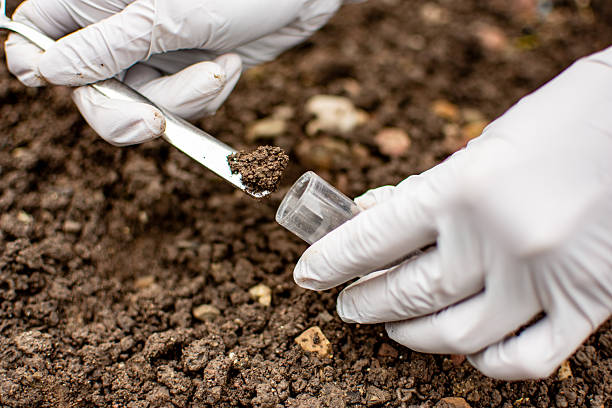




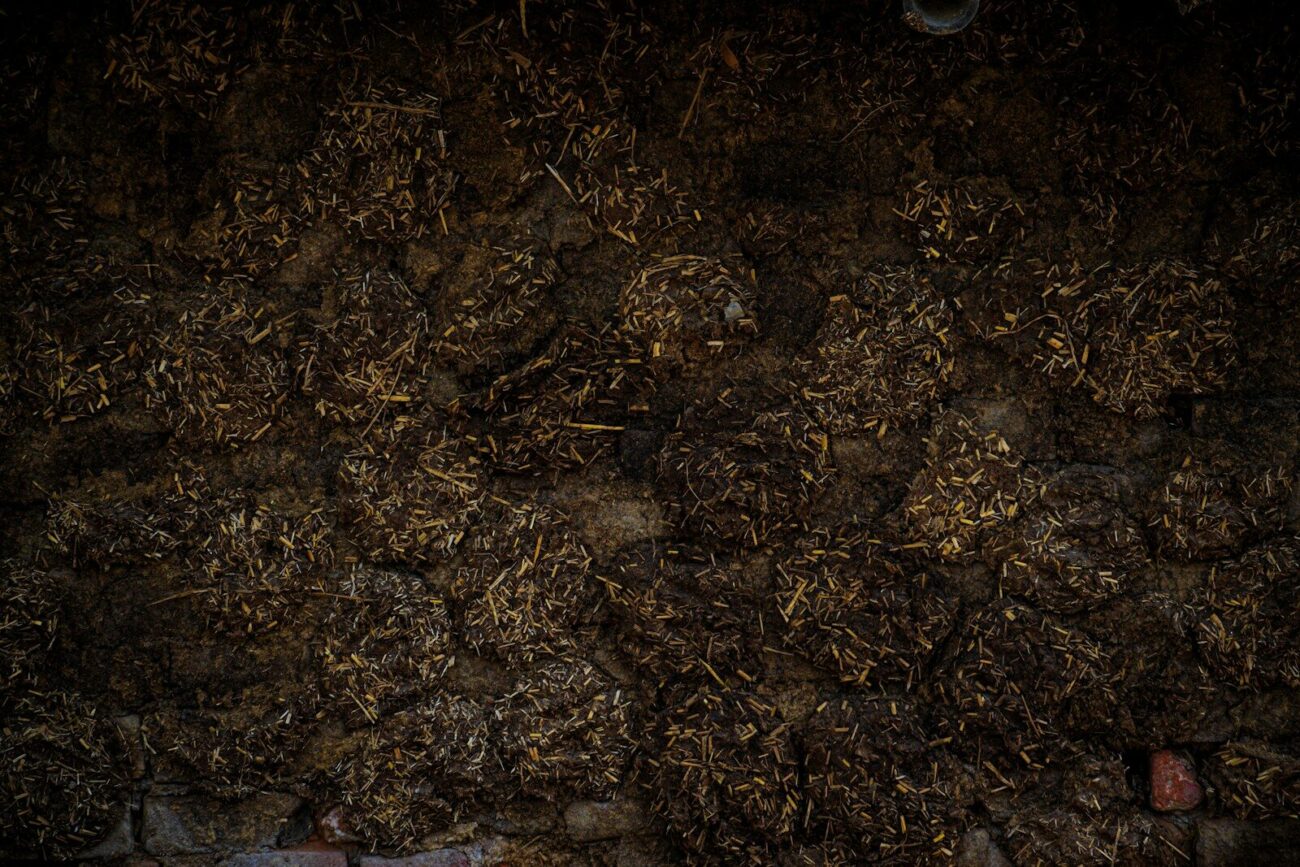

Why does one patch of land flourish with vibrant plant growth while another, seemingly identical plot, struggles to support even basic vegetation?
I remember being asked this question, and it stayed with me because it challenges what we usually assume about soil.
During my own research on soil processes and ecosystem studies, I kept noticing the same simple idea again and again: things that look the same on the surface can be very different underneath.
To the naked eye, soil appears to be a static mixture of weathered rock and decaying leaves. But in reality, it is one of the most complex and dynamic biological systems on Earth.
Believe it or not, the real driver of fertility is not the soil itself, but the microbial life within it. Soil is not just a passive layer beneath plants, it is a living system where billions of microorganisms per gram continuously break down organic matter, release nutrients, reshape soil structure, and regulate key cycles like carbon and nitrogen flow.
In this article, I will take you step by step through that hidden world. I will start with how many microbes live in soil. Then I will explain how they make nutrients available, how soil is formed, and how its structure is built.
Finally, I will show how plants and microbes work together in an invisible exchange system beneath our feet.
What Lives in a Small Amount of Soil?
Before understanding what microbes do, it helps to understand just how many of them exist.
A single gram of healthy soil, barely a teaspoon, can contain up to one billion bacteria, extensive fungal networks stretching for kilometers, and thousands of microscopic organisms. What we call “soil” is actually a densely packed living universe, even though it appears lifeless from the surface.
Nutrient Bioavailability: The Process of Mineralization
At some point, I began thinking about how plants actually get food.
The answer surprised me, they don’t eat dead leaves or organic debris directly. Inside that material are nutrients like nitrogen, phosphorus, and sulfur, but they are locked in complex organic forms.
Microbes act like natural processors. They release enzymes that break down this material into simple inorganic nutrients such as nitrate and ammonium, which plants can actually absorb.
Without this invisible breakdown process, nutrients would remain trapped in waste, and plant life would slowly collapse.
Soil Formation and Pedogenesis
It is easy to think soil is just crushed rock, but it is actually something that is continuously being built.
Microbes play a quiet but powerful role in this creation.
Some release organic acids that slowly dissolve rock minerals, freeing elements like potassium and calcium. Others transform dead organic matter into humus, a dark, stable substance that holds water, stores nutrients, and keeps soil fertile over long periods.
In a sense, soil is not just old material, it is something still under construction.
Building Soil Structure
As I explored soil systems further, I realized microbes are not only chemical processors, they are also builders.
Fungi grow long, thread-like networks that physically bind soil particles together. At the same time, bacteria produce sticky compounds that act like natural glue.
Together, they form soil aggregates, which are small clumps of soil. These clumps create space for air, water, and roots to move through.
What looks like simple dirt is actually a well-organized structure shaped by tiny living organisms.
How Biofertilizers Help Solve Fertilizer Problems
In agriculture, we often try to improve soil using chemical fertilizers. But nature already has its own system.
Some microbes, like Rhizobium, can take nitrogen gas from the air and convert it into forms plants can use. Others release phosphorus trapped in minerals using organic acids.
These living systems called biofertilizers, continuously recycle nutrients without the need for synthetic inputs.
It becomes clear that soil fertility is not something we “add,” but something that already exists as a biological process.
The Rhizosphere: The Great Exchange
The most fascinating part of this system happens right where plant roots meet soil, the rhizosphere.
This small area is very active. Plants release sugars into the soil, feeding microbial communities. In return, microbes supply nutrients, protect roots from disease, and improve nutrient uptake.
Fungi known as mycorrhizae extend this system even further, spreading long networks underground that reach far beyond the plant’s roots. Through these networks, water and nutrients can be transported from distant parts of the soil.
What I once thought of as isolated plants is actually a deeply connected underground exchange system, quietly supporting entire ecosystems.
Soil Carbon Cycling: Measuring the Soil Heartbeat
How do these tiny microorganisms influence the chemical makeup of our planet and even the global climate? It mostly comes down to Respiration.
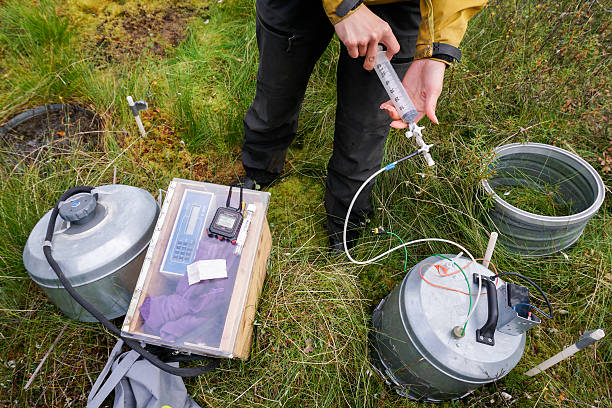
Just like us, microbes need to breathe. As they work hard to decompose organic matter, they “exhale” carbon dioxide back into the atmosphere. This is a massive part of the global carbon cycle. To understand how forests will react to a changing climate, we have to capture real-time data on how the soil “breathes.”
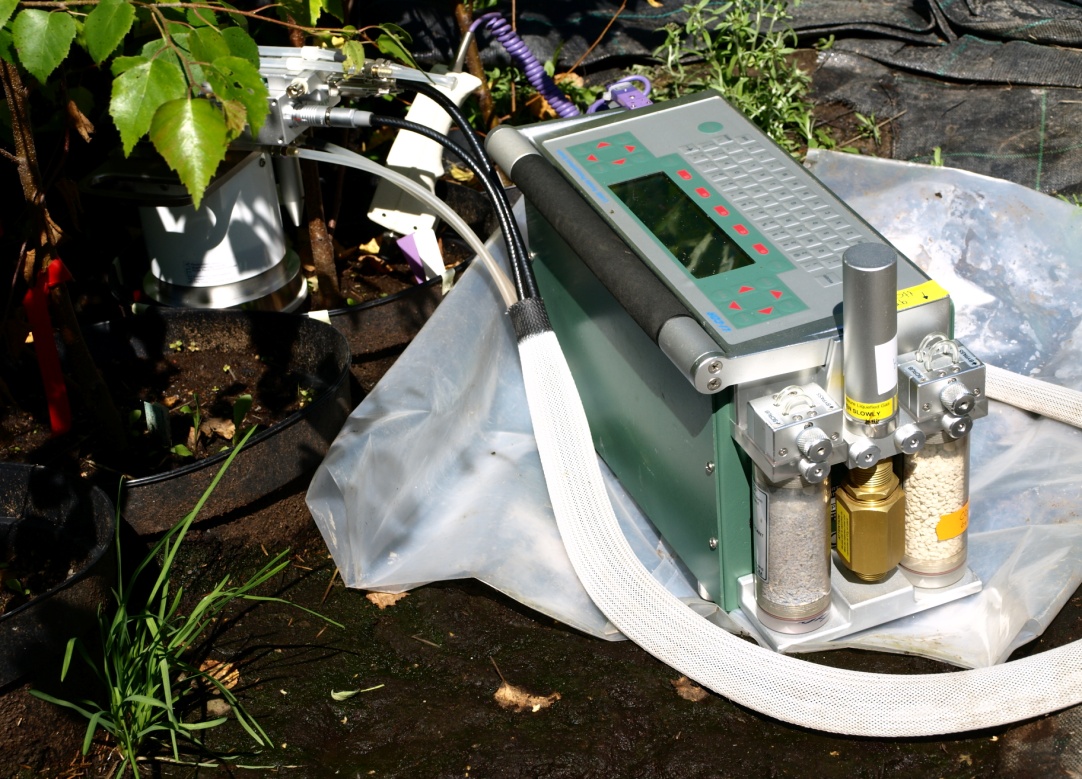
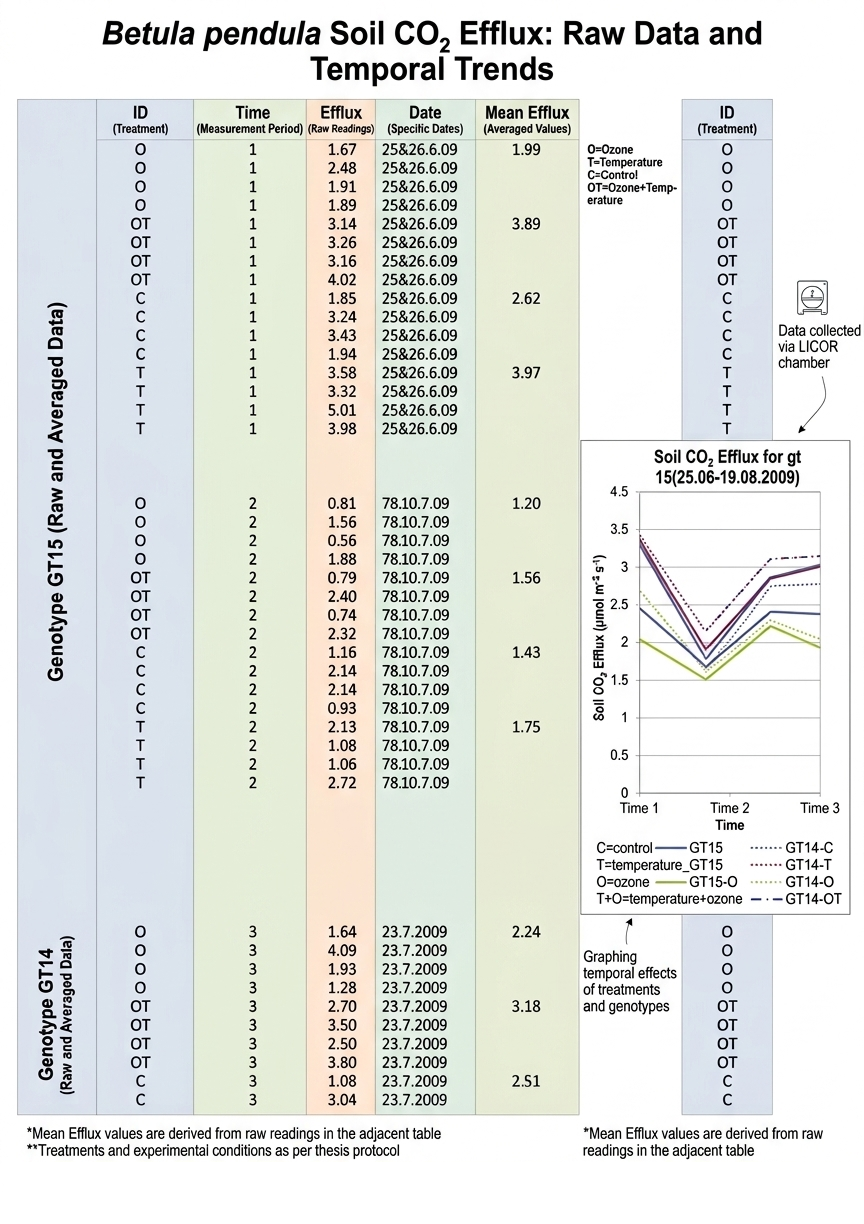
During my research, I used high-precision tools like the LI-COR chamber to measure this soil respiration directly. This is a key part of environmental monitoring, where we track real-time changes to understand ecosystem health.
Factors Influencing Microbial Success: Temperature and Stress
What do microbes actually need to stay productive? Think of soil like a biological engine. Just like a car engine, if it gets too hot, too dry, or loses air flow, it starts to fail.
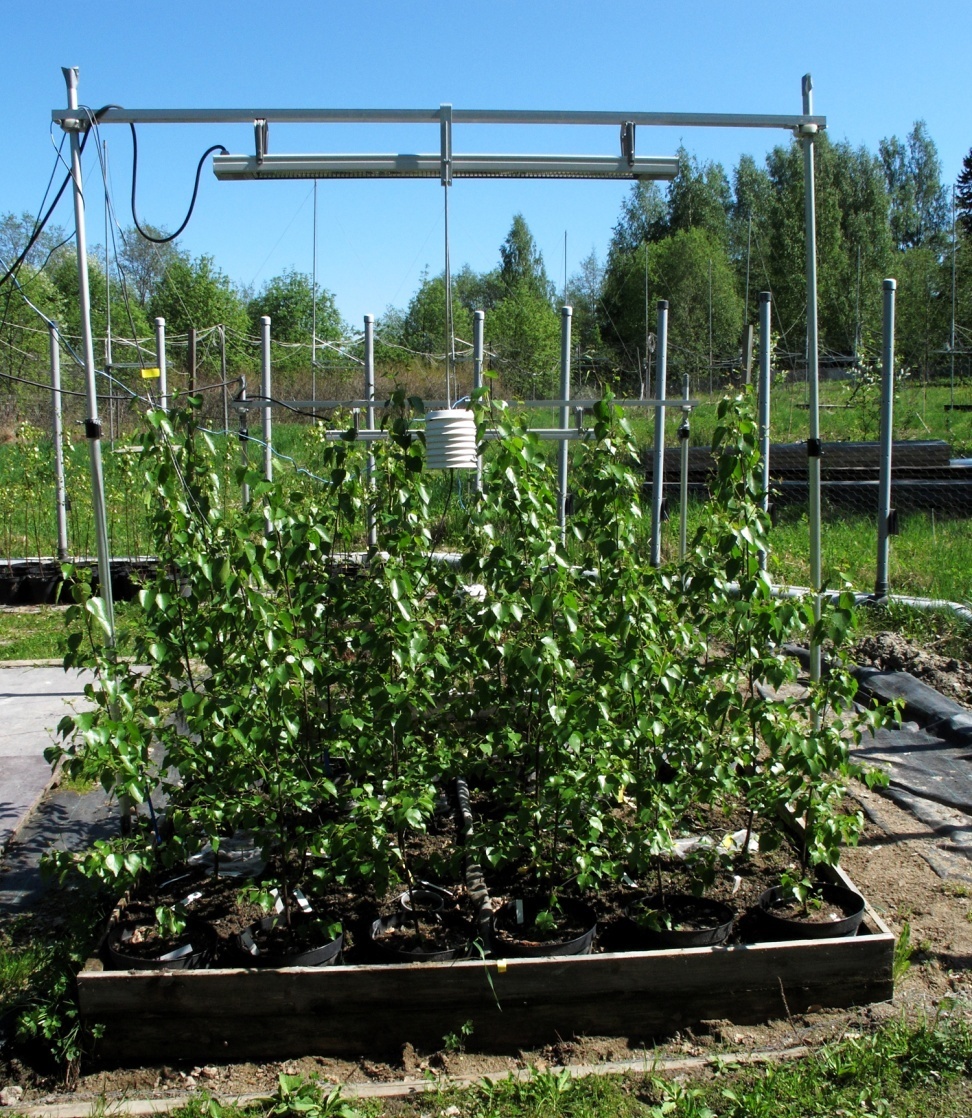
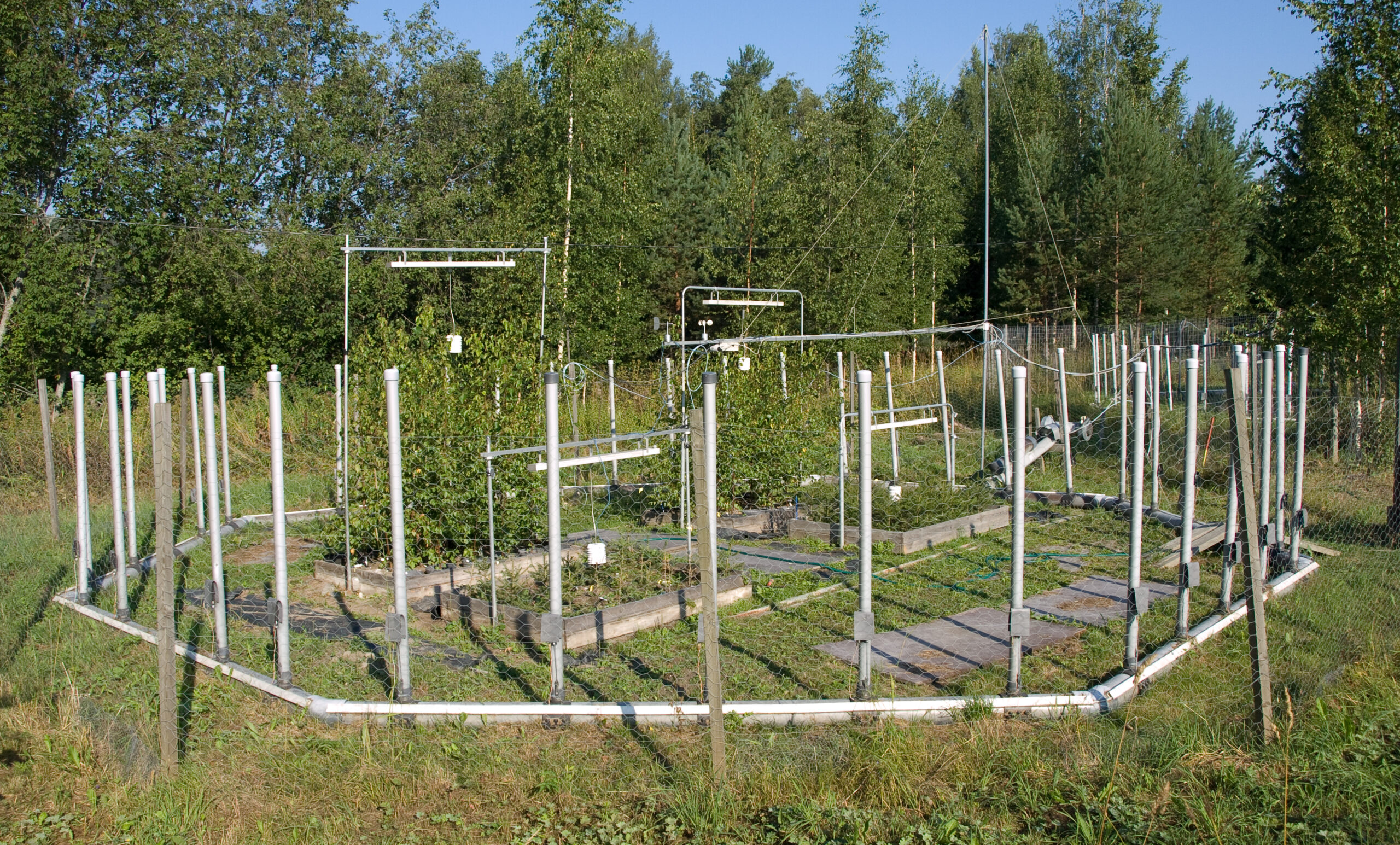
In the field, microbial activity is a “moving target.” Even a tiny shift in the weather can change how fast nutrients are recycled. This is why, during my fieldwork, we didn’t just watch the soil, we manipulated the environment to see how it reacted.
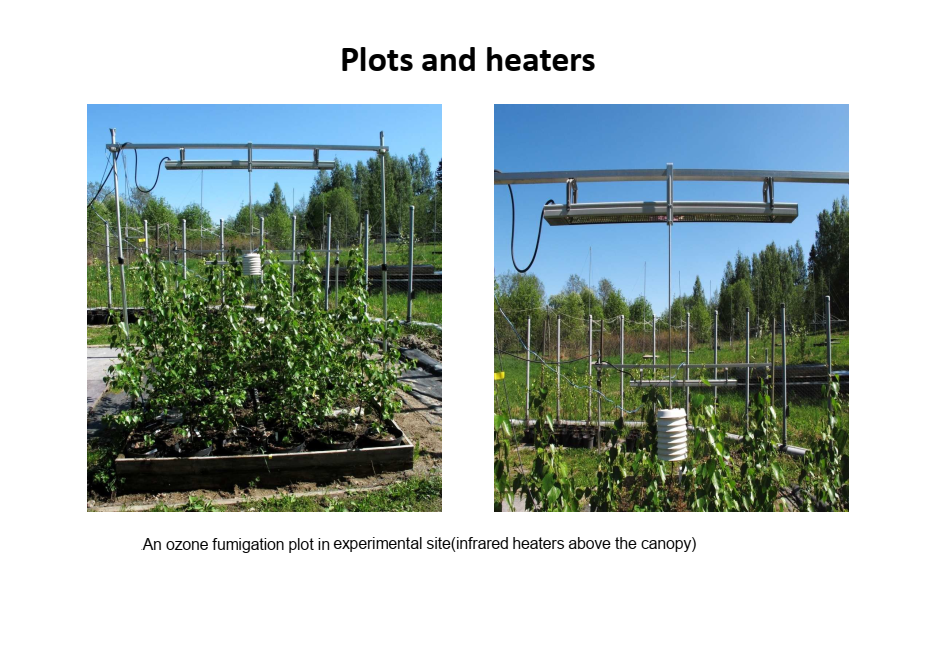
Temperature: Warmer conditions generally increase metabolic rates, potentially leading to faster nutrient release but also higher carbon loss.
Moisture: Microbes require a film of water to move and transport nutrients; in drought, the biological engine effectively shuts down.
Oxygen: Aerobic microbes, the most efficient decomposers require the air pockets provided by healthy soil structure.
Conclusion: Why Microbes Are Essential
Without microbes, soil would be nutrient-locked. Organic material would pile up without breaking down, and plants would starve.
They form the hidden biological engine that keeps our planet productive. While specific results, like those seen in my Silver Birch studies depend on the ecosystem, the core principles of microbial nutrient cycling remain the foundation of all fertile land.
FAQs
How do microbes enrich the fertility of the soil?
They drive the decomposition of organic matter, transforming complex waste into inorganic, plant-available nutrients like nitrates and phosphates.
How do microbes lead to the creation of soils?
They contribute to the weathering of rocks through acid secretion and create “humus” by processing organic residues, turning raw minerals into fertile topsoil.
How do microorganisms contribute to the reduction of soil matter?
They secrete enzymes that break down organic polymers into smaller molecules, effectively recycling “waste” back into the ecosystem.
How do microbes help cycle nutrients in the Serengeti?
In the Serengeti, microbes rapidly process animal waste and decaying grasses, returning nitrogen to the soil to support the next cycle of vegetation.
Can microbes help solve the world’s fertilizer problems?
Yes. By using biofertilizers (living microbial inoculants), we can fix nitrogen from the air and unlock soil phosphorus naturally, reducing the need for chemical fertilizers.
What do microbes need to live and grow?
They require a balance of moisture, a carbon-based food source (organic matter), specific temperature ranges, and oxygen.