




Environmental monitoring is the process of observing and measuring the environment to track changes in air, water, soil, and living organisms. Monitoring helps scientists, governments, and industries understand the health of ecosystems and take action before problems become serious.
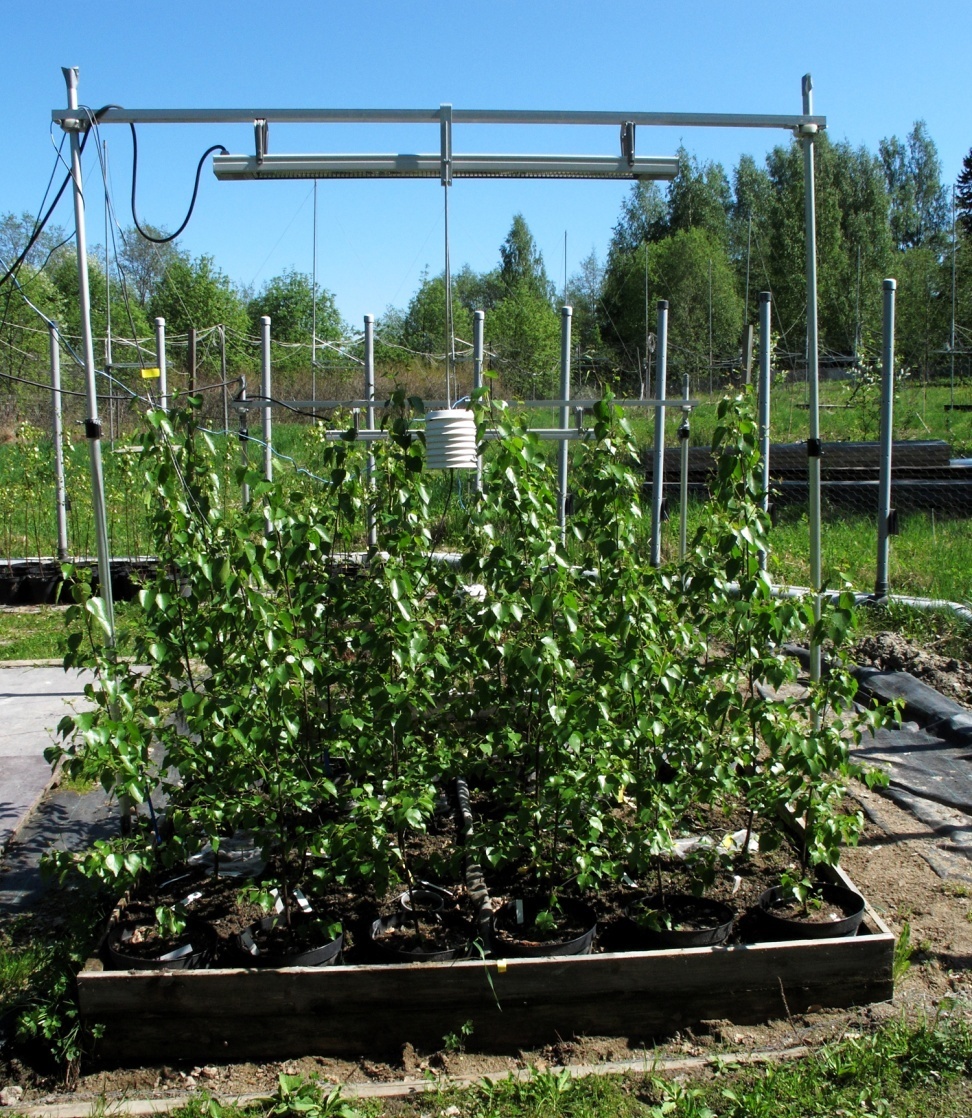
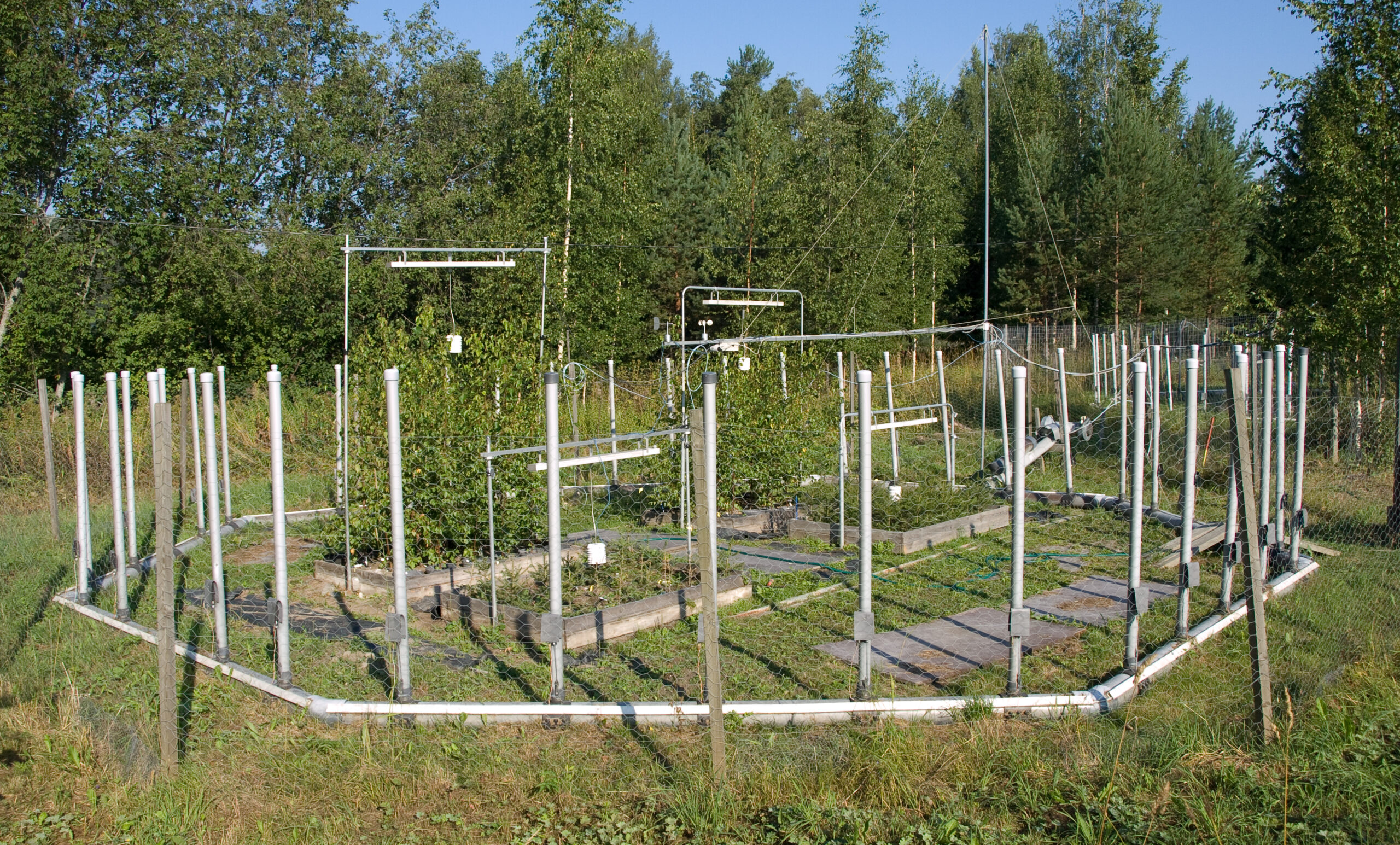
I conducted field research on silver birch trees (Betula pendula), studying how moderate warming (+0.9°C) and elevated ozone affected tree growth and soil CO₂ release. This research shows why systematic monitoring is essential for understanding real environmental changes.
More About Environmental Monitoring
Environmental monitoring is not just taking a single measurement. It is a planned, repeated process that shows trends over time.
Key points of a monitoring program:
Where (Spatial scale): Sensors or sampling points must represent the whole area. In my study, I measured two birch genotypes in separate subplots to track genotype-specific responses.
How often (Temporal scale): Data should be collected frequently enough to show changes. I measured tree height and diameter every three weeks and soil CO₂ monthly.
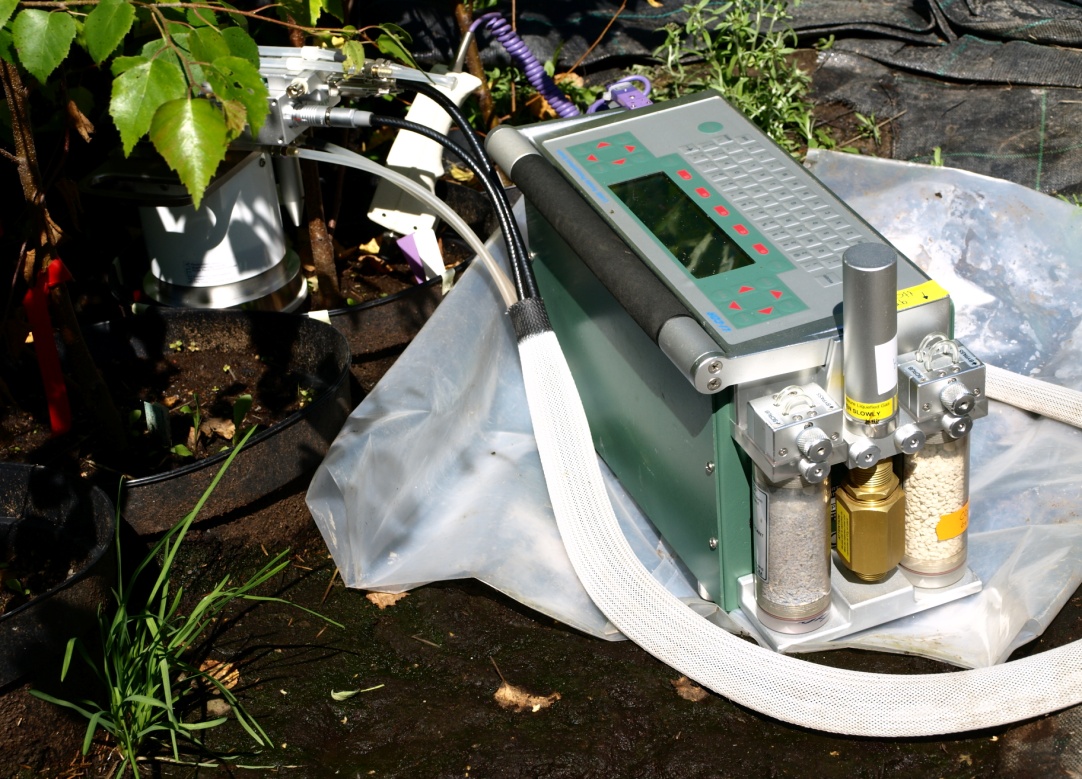
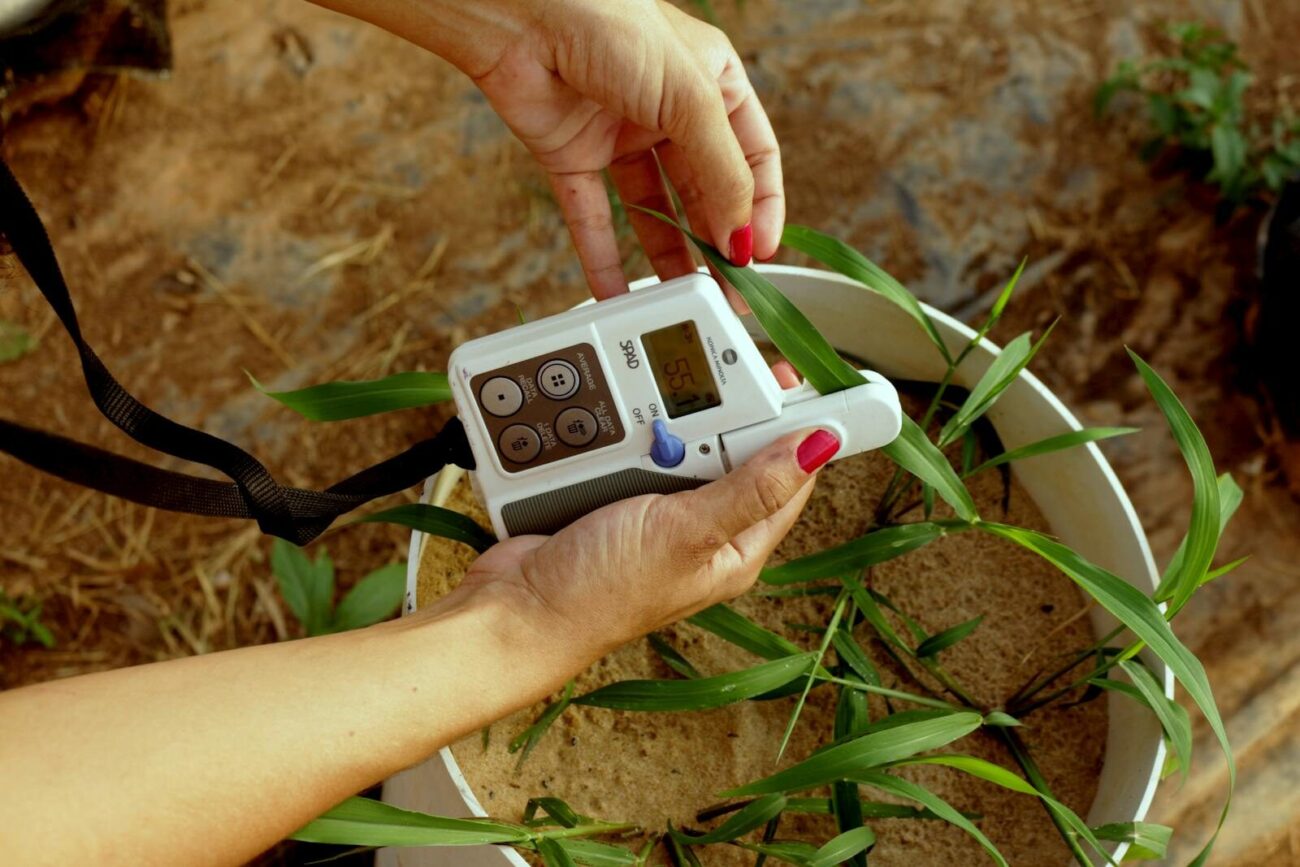
Accuracy: Use reliable tools like the LICOR 6400 for soil CO₂ instead of cheap sensors.
With proper monitoring, decisions about environmental management are based on evidence, not assumptions.
Environmental Monitoring Systems and Tools
An environmental monitoring system combines instruments, software, and methods to track the environment automatically or manually.
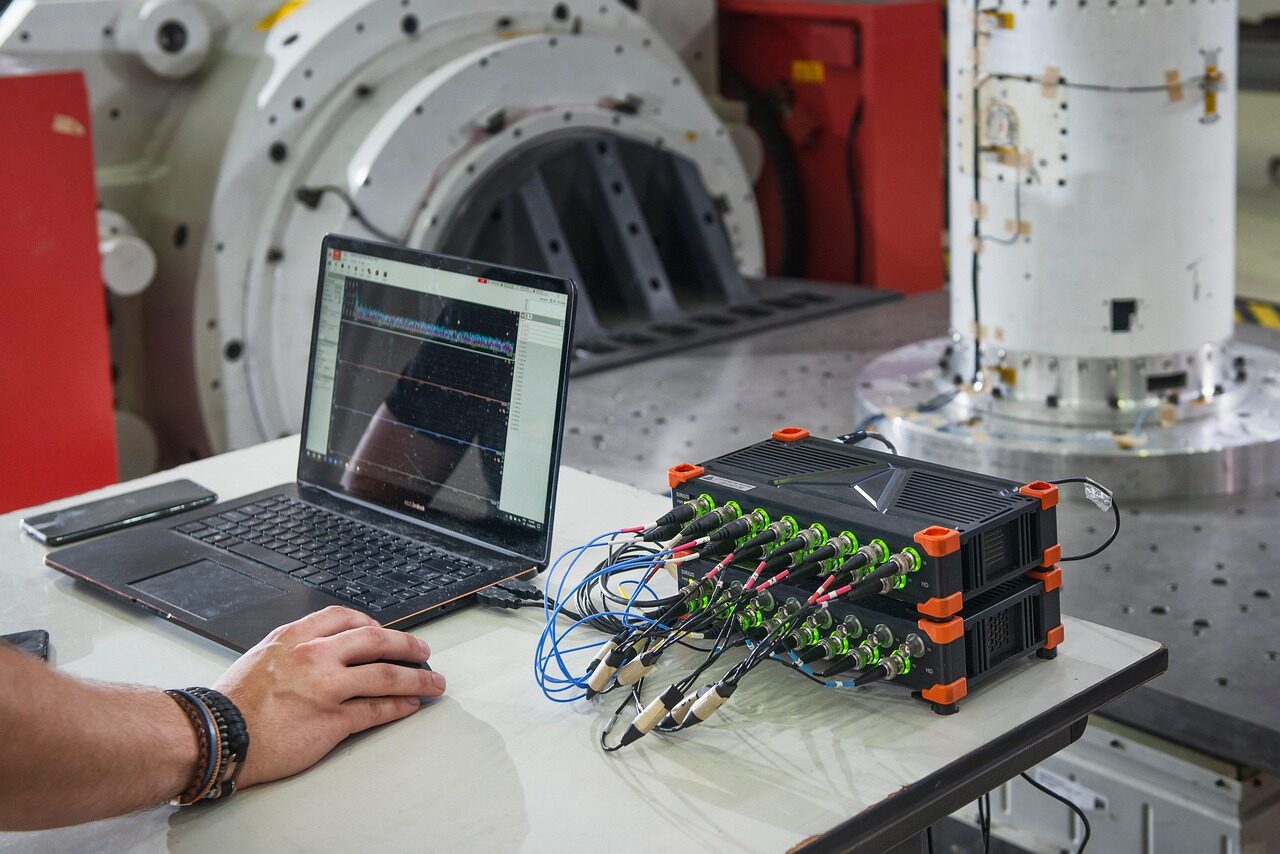
Automated data loggers: Record soil moisture, temperature, and air quality continuously.
Free-Air Controlled Exposure (FACE) systems: Apply gases like ozone in natural field conditions to study their effects on plants.
Digital twins: Computer models use monitoring data to predict future ecosystem changes.
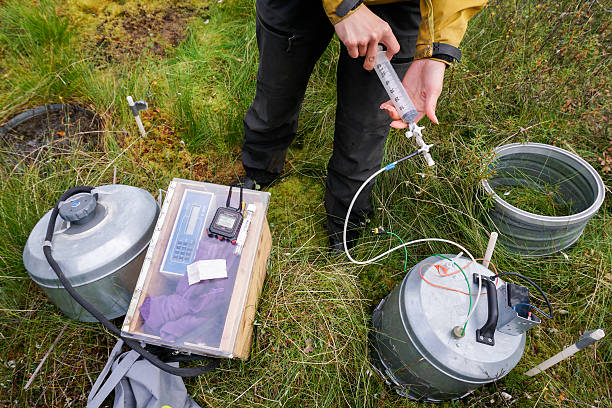
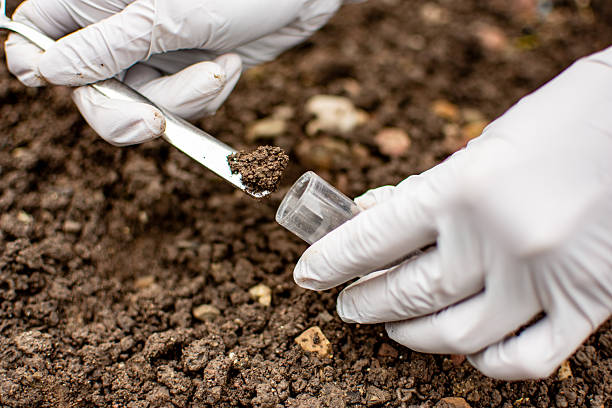
Environmental monitoring tools can include gas analyzers, water test kits, soil probes, and biological sensors like plant or microbial measurements.
The 4 Types of Environmental Monitoring
Environmental monitoring is usually divided into four main types:
I. Air Quality Monitoring
Measures gases (O₃, NOₓ, CO₂) and particles.
Important for understanding pollution and protecting plants, animals, and humans.
Example from my research: Elevated ozone (33.4 ppb) reduced stem diameter in one birch genotype (gt14), showing that air pollutants can harm forests.
II. Water Quality Monitoring
Checks chemical, physical, and biological conditions.
Chemical: Detects metals or fertilizers.
Physical: Measures temperature and clarity.
Biological: Tracks microorganisms and indicator species.
Example: Soil moisture was controlled in my experiment to study tree responses accurately.
III. Soil and Biogeochemical Monitoring
Measures nutrients, moisture, and carbon fluxes.
Soil is a major carbon storage system, but disturbances can release CO₂.
n my study, warming increased soil CO₂ by 36% in gt15 and 24% in gt14.
IV. Biotic Monitoring
Observes living organisms as indicators of ecosystem health.
Example: I measured tree height, stem diameter, leaf number, and leaf area. Warming increased stem height but affected leaf area differently for each genotype.
These four types together provide a complete picture of ecosystem health.
Why Environmental Monitoring Matters
Monitoring helps in several important ways:
Protecting public health: Detects harmful pollutants in air or water before they reach people.
Regulatory compliance: Shows industries follow rules set by agencies like the EPA or WHO.
Climate and carbon management: Measures carbon storage and CO₂ emissions. My research showed ozone-stressed trees produced less wood, affecting carbon storage.
Monitoring is essential for sustainable management of forests, water bodies, and urban areas.
How Environmental Monitoring Works
Step 1: Planning: Decide what to monitor, where, and how often.
Step 2: Data collection: Use tools like gas analyzers, water kits, soil probes, or living organisms as sensors.
Step 3: Analysis: Compare data over time to detect trends.
Step 4: Action: Use findings to protect ecosystems, regulate pollutants, or improve practices.
In my experiment, I measured growth, leaf area, and soil CO₂ monthly to detect changes caused by temperature and ozone.
Examples of Environmental Monitoring
Air quality stations measuring smog in cities.
Water testing near factories for heavy metals.
Soil CO₂ flux measurements in forests (like my silver birch study).
Biological monitoring of trees, mosses, or microbes to detect pollution.
Environmental Monitoring Programs
A monitoring program is a structured, ongoing plan to collect environmental data.
Example: My study was a program tracking tree growth and soil respiration under controlled temperature and ozone.
Programs usually define frequency, instruments, parameters, and reporting methods.
Programs are different from one-time assessments because they show trends over time, not just a snapshot.
Environmental Monitoring Regulations
Agencies like EPA and WHO set standards for air, water, and soil quality.
Monitoring ensures compliance with environmental laws.
Data from monitoring can also support carbon offset programs or sustainable forestry.
How Environmental Monitoring Supports Public Health
Detects toxic pollutants before they harm people.
Monitors microbial contamination in water or air.
Provides early warnings for unsafe conditions.
In my research, controlling environmental variables allowed me to study the health of trees and soil, indirectly supporting ecosystem health.
Conclusion
Environmental monitoring is essential for:
Understanding ecosystem health.
Protecting humans and wildlife.
Managing natural resources and climate.
My research on silver birch trees showed that even small changes in temperature and ozone can affect growth and soil carbon, emphasizing the importance of long-term, structured monitoring programs.
FAQs
What is environmental monitoring?
It is the repeated collection of data on air, water, soil, and living things to track environmental changes over time.
What are environmental monitoring systems?
Systems combine instruments, sensors, and software to continuously measure environmental parameters.
What are environmental monitoring tools?
Tools include gas analyzers, soil probes, water kits, automated sensors, and biological indicators like trees or microbes.
What are the 4 types of environmental monitoring?
Air quality, water quality, soil/biogeochemical, and biotic monitoring.
What is an environmental monitoring program?
A structured, ongoing plan that defines what, where, and how environmental data are collected.
What are examples of environmental monitoring?
Air stations for smog, water testing near factories, soil CO₂ flux in forests, and biological monitoring of plants or microbes.
How does environmental monitoring support public health?
It detects pollutants or microbes early, preventing harm to humans and animals.
Why is environmental monitoring important?
It informs decisions for conservation, pollution control, regulatory compliance, and climate management.
How do environmental monitoring systems work?
Sensors collect data, software logs and analyzes it, and results guide environmental management decisions.
What environmental parameters need to be monitored?
Air gases, water chemistry, soil nutrients, moisture, carbon flux, and the health of living organisms.