


About BioFluxCore
Understanding Ecosystem Flux from Soil to Atmosphere
Hello and welcome!
I’m Serge, an environmental researcher with an MSc in Environmental Biology and Biogeochemistry (UEF). My academic background in Plant Biology and Biochemistry focuses on the biological and chemical processes that regulate ecosystem health.
I founded BioFluxCore to document and share research on forest systems, soil carbon dynamics, and the developing bio-economy. My focus is on translating complex environmental data into clear, usable knowledge grounded in real-world measurement.
Field Experience & Methodology
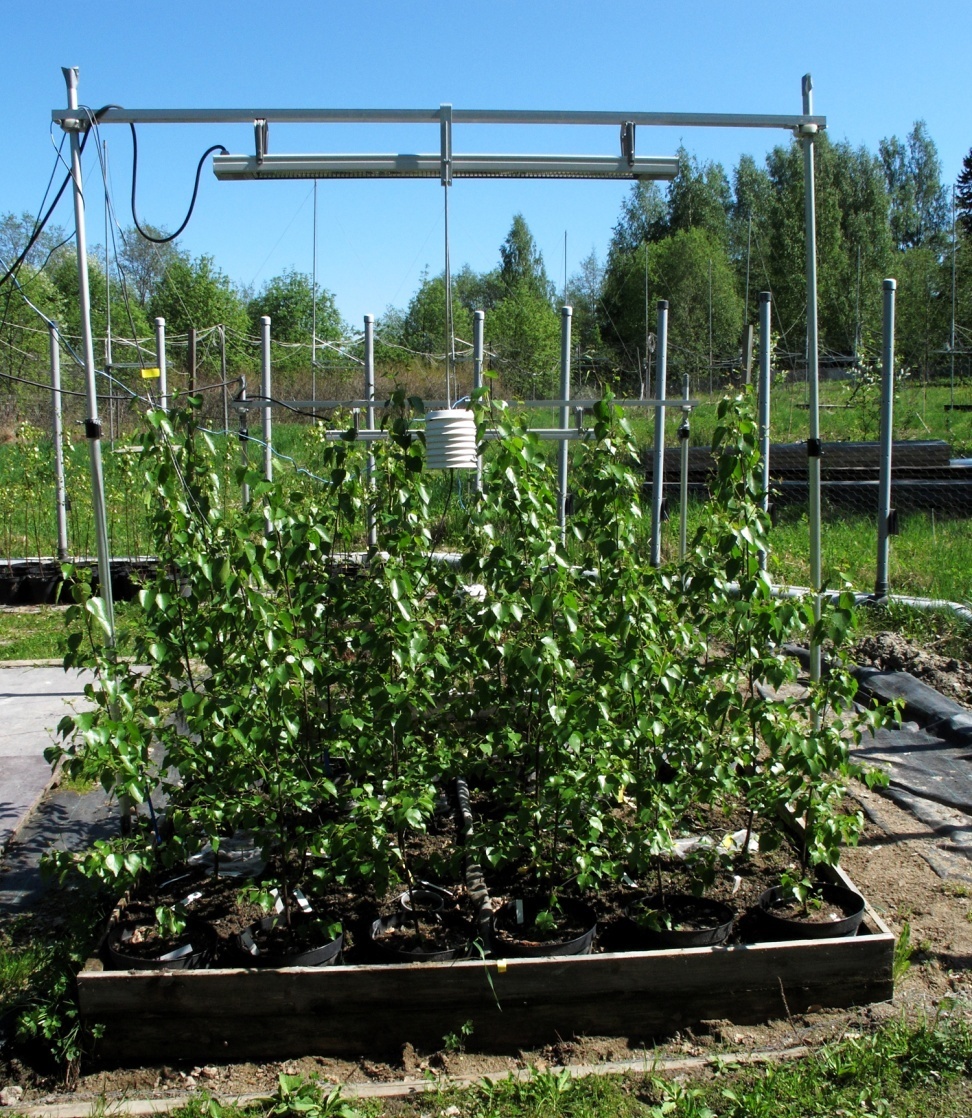
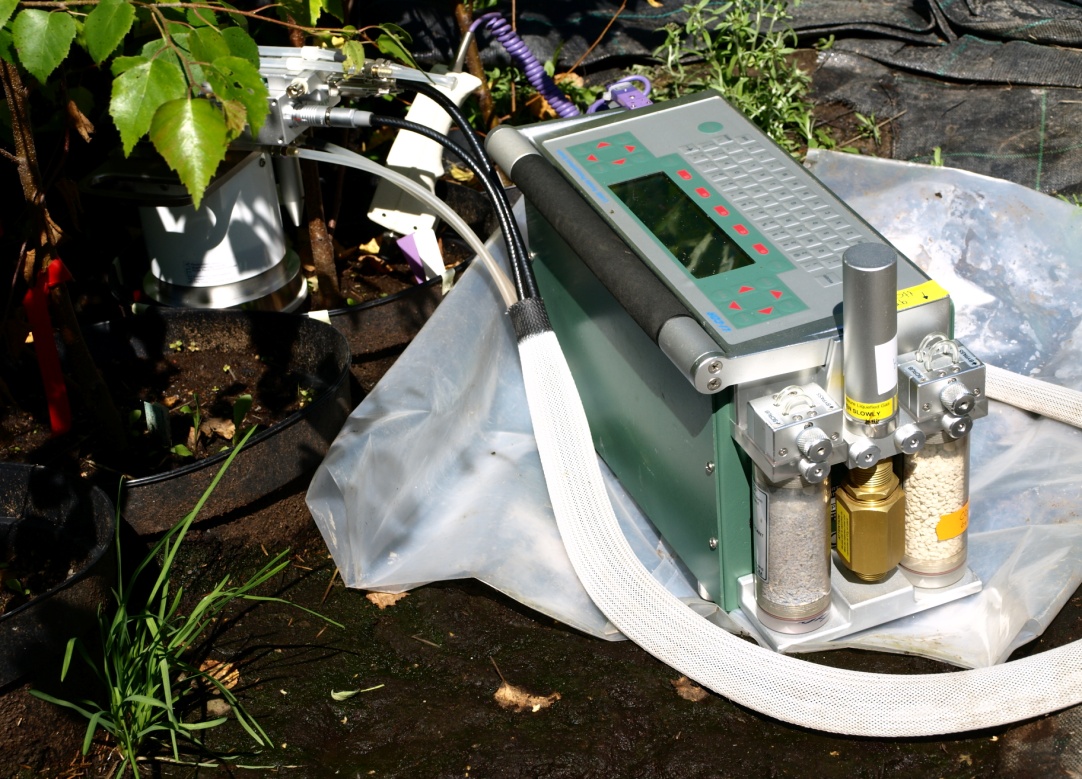
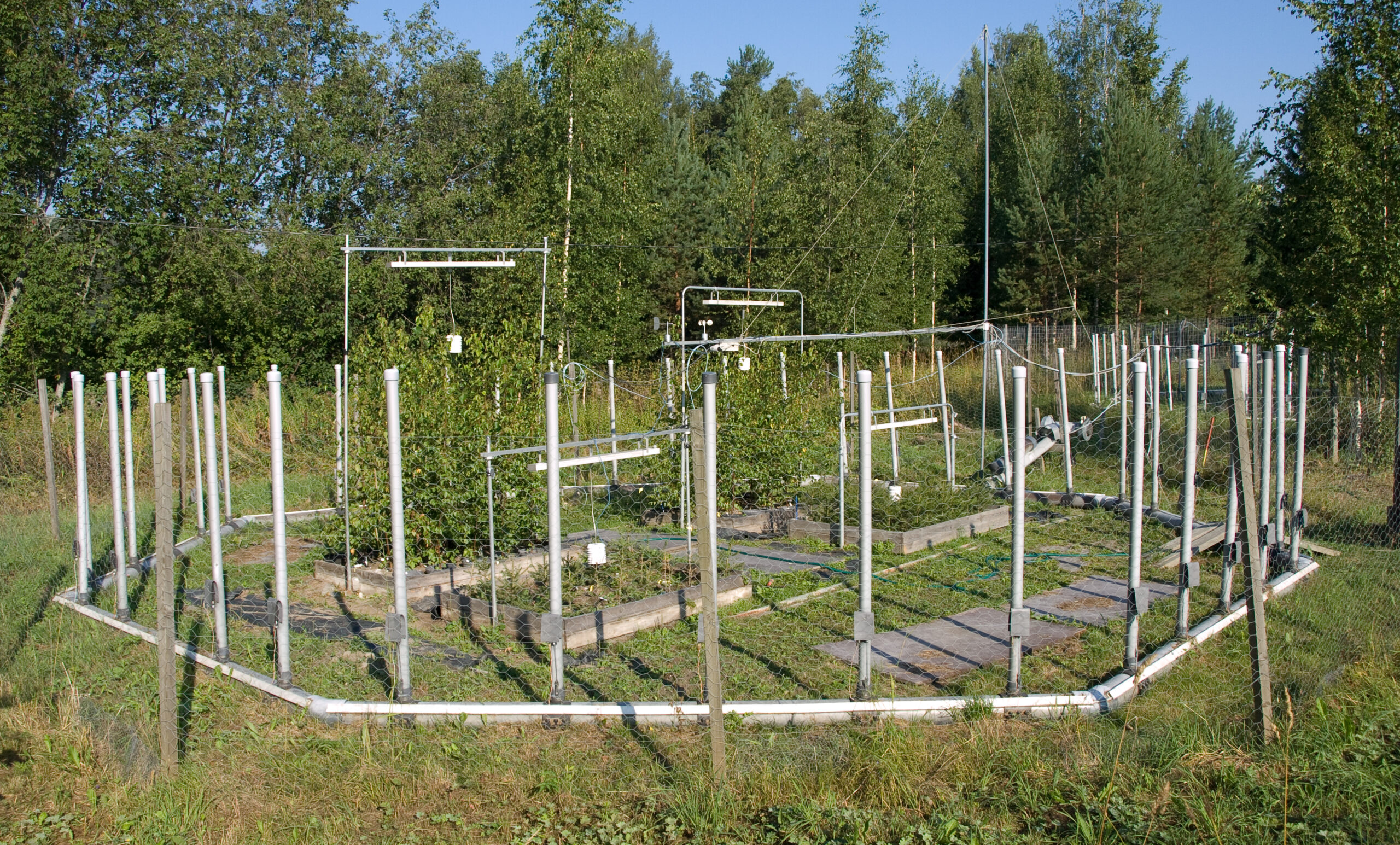
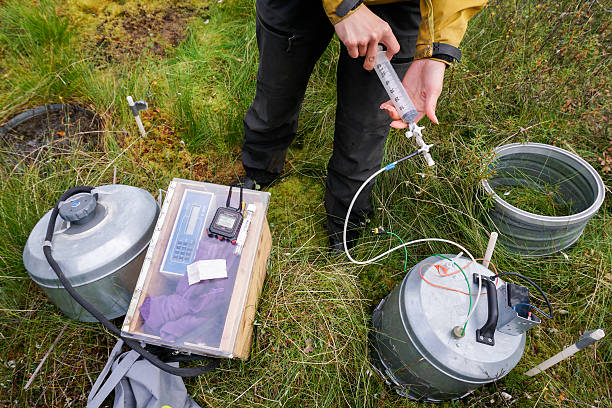
My work is rooted in direct field measurements at open-air research sites, where environmental variables can be observed under natural conditions. I have hands-on experience using high-precision instrumentation to monitor greenhouse gas exchange and atmospheric impacts on vegetation.
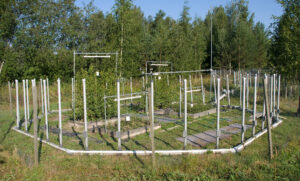
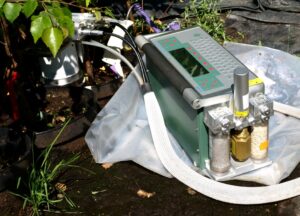
By working with professional-grade tools, I focus on quantifying how trees and soils respond to environmental stressors. This type of ground-based data is essential for understanding the chemical flux between soil systems and the atmosphere.
What You’ll Find Here
Forest & Tree Science
Analysis of how environmental stressors such as ozone influence tree growth, biomass production, and genetic resilience.
Soil & Carbon Systems
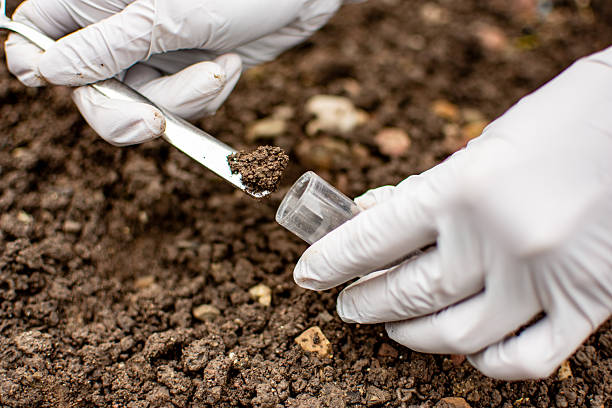
Detailed exploration of soil respiration, carbon cycling, and the biogeochemical processes that regulate ecosystem balance.
Environmental Monitoring
Guides and insights on scientific instrumentation, field methods, and data collection techniques used in ecological research.
Bioenergy & Biofuels
Evaluation of biomass crops and the efficiency of bioenergy systems within a sustainable, carbon-conscious framework.
Specialized Graduate Training & Seminars
Beyond my core academic research, I have completed specialized graduate-level training, practicals, and seminars in the following technical domains:
-
Atmosphere–Biosphere Interactions: Advanced study of gas and energy exchange, with a focus on eddy covariance principles.
-
Environmental Data Analytics: Application of data-mining techniques to identify patterns and trends within environmental research datasets.
-
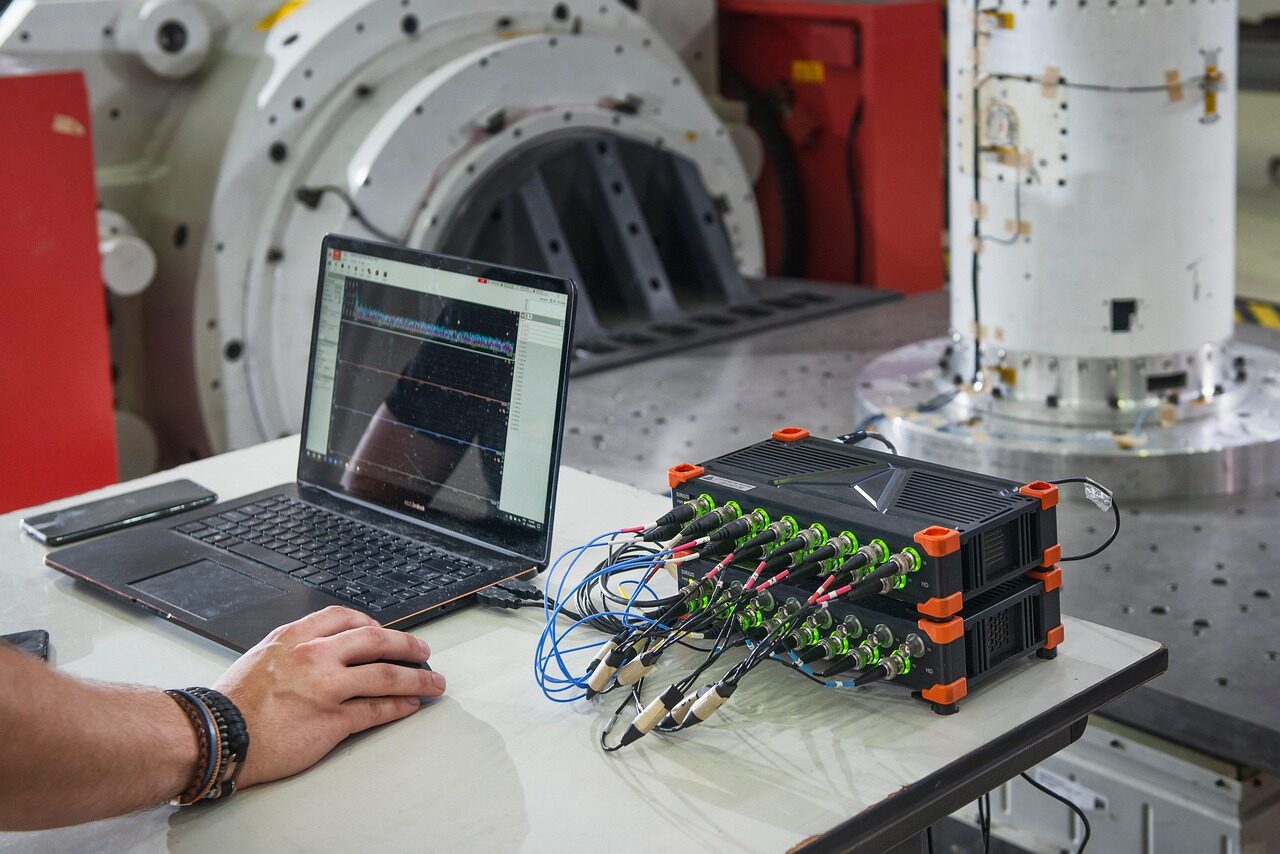
Measurement Integrity: Specialized training in the quality control of chemical and environmental measurements, focusing on standardized concepts and methods.
-
Acoustic Environments: Technical evaluation and control of environmental and occupational noise.
-
Environmental Risk Assessment: Interdisciplinary study of the distribution and effects of particulate air pollution.
-
Water Resource Management: Strategic assessment and management of water-related environmental risks.
-
Indoor Environmental Science: Assessment of indoor microbial exposure and its associated environmental impacts.
Objective
Effective environmental management depends on accurate, evidence-based data. My goal is to provide clear, data-driven perspectives on ecosystem processes, helping improve decision-making in forestry, soil systems, and sustainable energy.