





Could a forest that looks healthy actually be under stress?
Even when the trees look green and strong, they might be struggling inside. I’ve spent a lot of time in field plots with Silver Birch trees, observing how they respond to the air around them. The data show that a tree can look fine on the outside while its internal systems are under real stress.
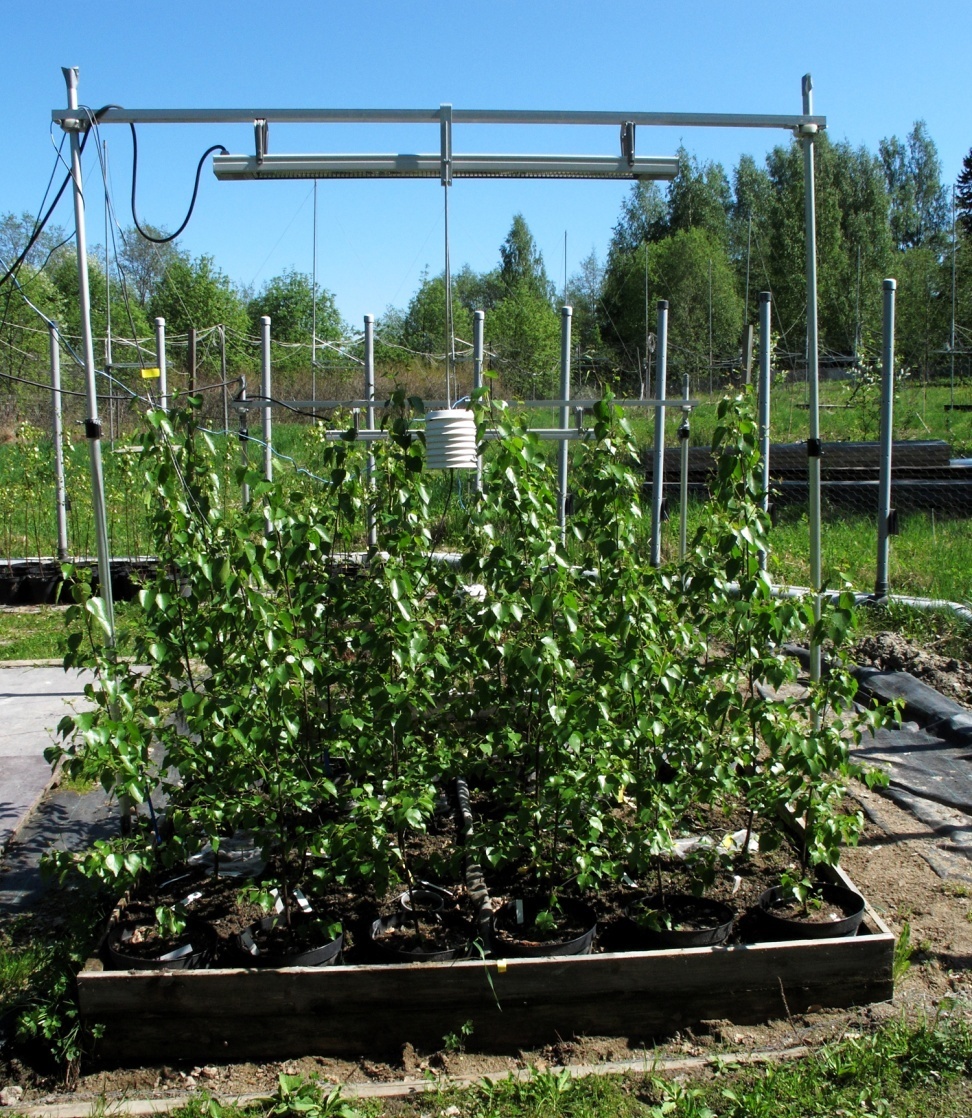
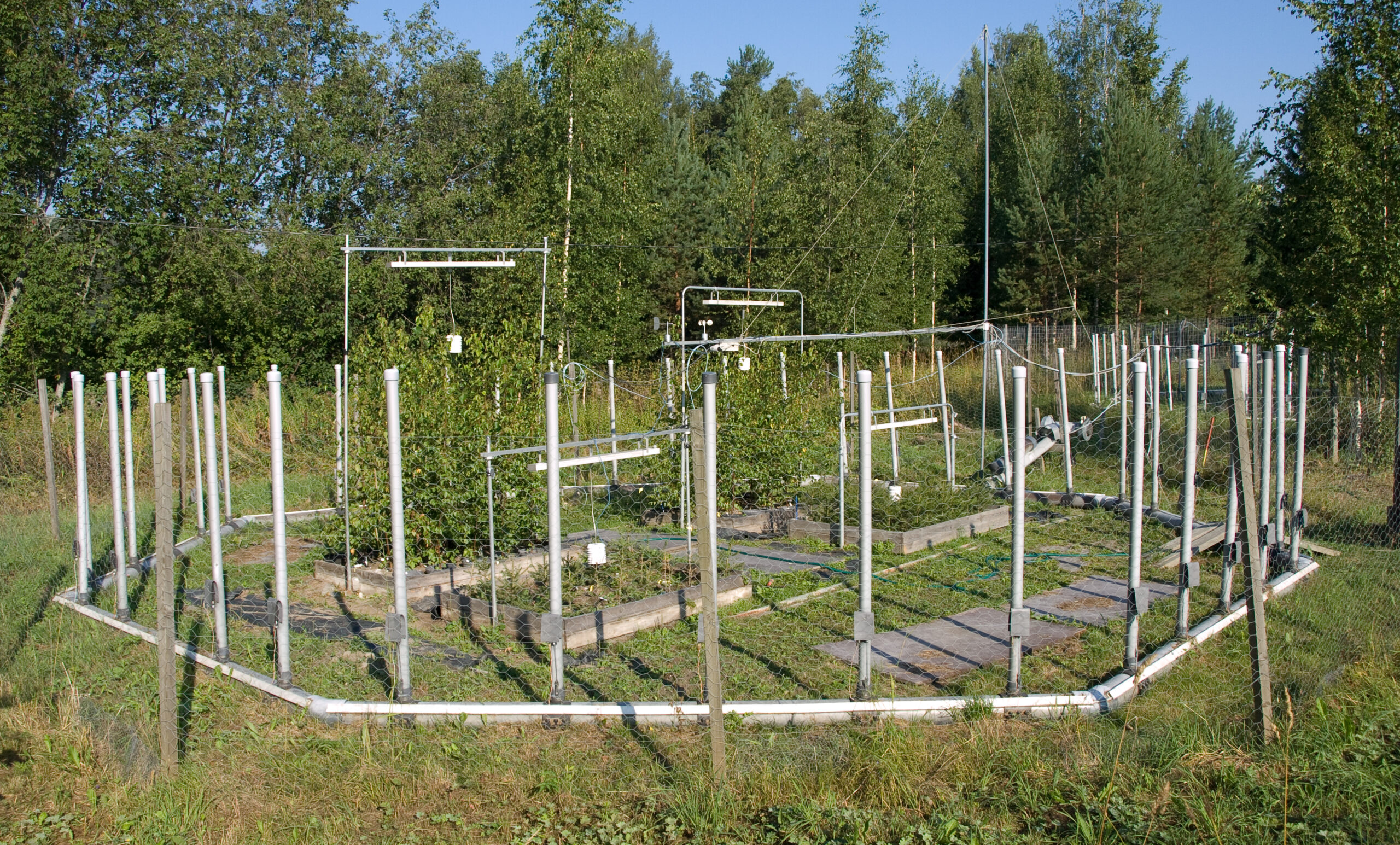
In our experiments, we raise ozone levels to 1.4 times normal. This lets us see how trees handle extra stress while still growing in natural conditions. The results show clear ways that the trees respond to the higher ozone.
What is Tropospheric Ozone?
We often talk about the ozone layer high in the atmosphere, the one that shields us from harmful UV rays. That layer is a real lifesaver. Ground-level ozone, or tropospheric ozone, is a completely different character. Instead of protecting life, it can be a bit of a troublemaker for plants, animals, and humans. It doesn’t come straight out of a car exhaust; rather, it forms when nitrogen oxides (NOₓ) mix with volatile organic compounds (VOCs) under strong sunlight. On hot, sunny days, especially in cities with traffic and industry, it builds up like an uninvited guest at a party.
For trees, this “guest” isn’t welcome at all. Ozone sneaks in through the leaves and immediately starts causing chemical stress, messing with cell functions and photosynthesis. Over time, this stress forces the tree to spend energy repairing damage instead of growing. Leaves may not work as efficiently, stems can end up thinner, and overall growth slows. So even when a forest looks green and healthy from a distance, ground-level ozone may be quietly putting it under pressure. It’s a subtle, invisible challenge that trees have to manage every day.
Stomata: How Leaves Take in Carbon and Struggle with Ozone
Leaves have tiny pores called stomata. These pores let the tree take in carbon dioxide (CO₂) so it can perform photosynthesis and grow. I remember kneeling in a field plot, scanning a Silver Birch leaf, and noticing how active these small openings were. They work constantly to help the tree breathe and gather energy.
Ozone can enter through the stomata whenever they are open. Once inside, it produces reactive molecules called Reactive Oxygen Species (ROS) that damage proteins and cell membranes. This is not just minor stress; it harms the leaf cells and makes it harder for the tree to function.
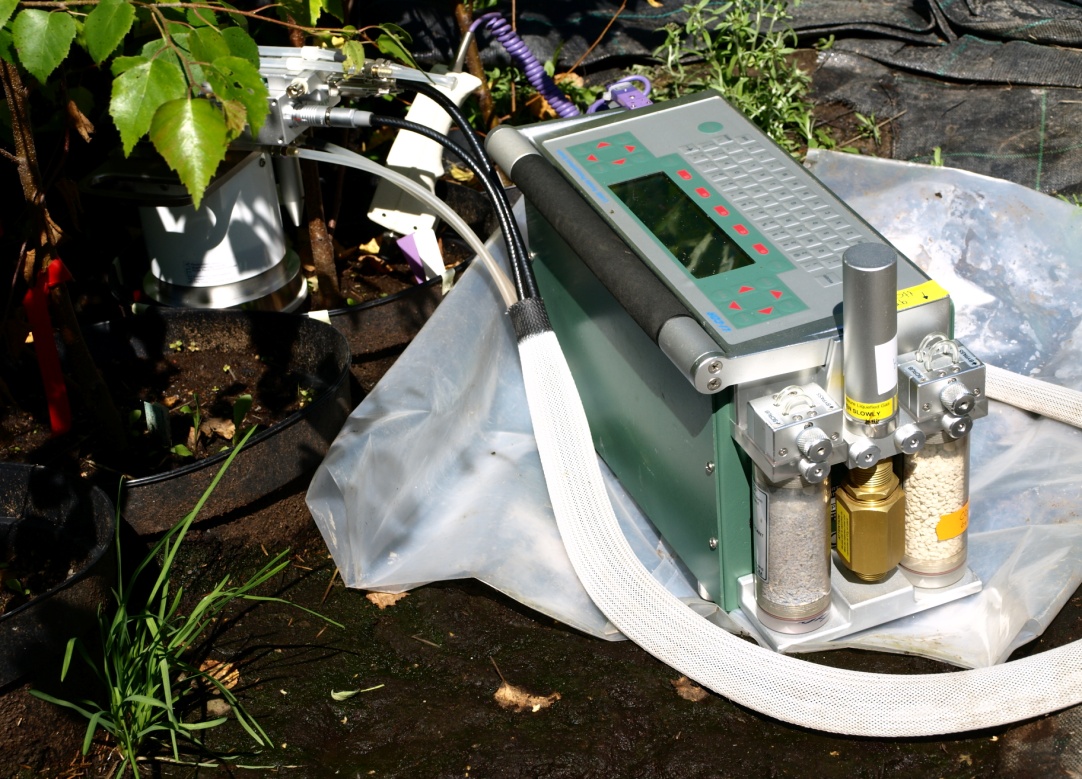
High ozone can also cause “stomatal sluggishness.” Normally, stomata open and close quickly in response to sunlight or dry conditions to save water. Under ozone stress, they react too slowly or stay open when they should be closed. Sensors in our experiments showed stomata lagging behind changes in sunlight. This makes the tree lose water while taking in more ozone and reduces its ability to grow efficiently.
Where Did the Wood Go? The “Carbon Tax”
After a summer of ozone exposure in our field experiment, the Silver Birch trees looked fine from a distance. They were still tall and leafy, and at first glance, everything seemed normal. But the real story showed up when we measured the stems with vernier calipers. The trees that had been exposed to ozone had noticeably thinner trunks.
Every tree has a limited “carbon budget.” Normally, that carbon goes into building strong, thick wood. Although we didn’t study the biochemical processes directly, the results suggest that the trees had to redirect much of their carbon toward repairs. They likely produced antioxidants, similar to Vitamin C, to fix the damage inside their leaves.
You could think of it as an “atmospheric carbon tax.” Instead of investing energy in thicker trunks, each tree was spending it just to keep its leaves alive and functioning. From a distance, the trees looked healthy, but the measurements revealed the hidden cost of ozone stress on their growth.
How We Measured the Trees’ Response
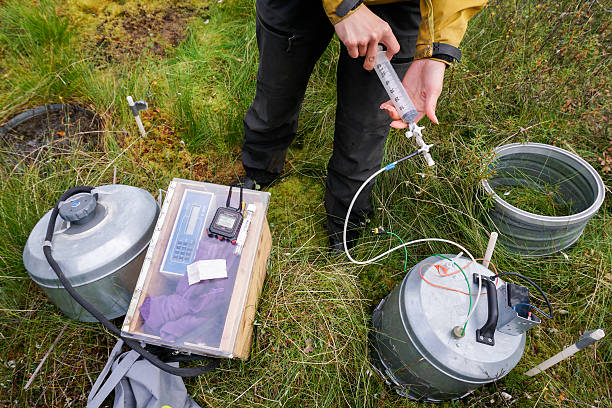
To understand how ozone affected the trees, we used several specialized tools in the field.
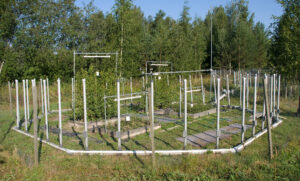
FACE Systems (Free-Air Controlled Exposure): Pipes released ozone into the open air around the trees, allowing us to study them under natural conditions rather than inside a greenhouse.
Leaf Scanners: These measured the exact surface area of each leaf, showing how much “breathing space” the tree had lost.
Porometry: Sensors tracked the leaf’s “breath” and showed how stomata responded or failed to respond under ozone stress.
From the measurements, it became clear that just looking at a tree’s height did not tell the full story. The real evidence was in the stem diameter and the behavior of the leaves. Even trees that looked healthy were struggling internally, and these tools made it possible to see those hidden effects.
Conclusion
Tropospheric ozone is a silent drain on forest productivity. From the way it enters through the stomata to the way it thins out the stem growth, the effects are significant. Field observations show that ozone doesn’t just affect the leaves; it changes the entire way a tree manages its energy.
By monitoring these shifts in real-time, we can get a much clearer picture of how our forests will hold up in a changing atmosphere.
FAQs
Is “bad” ozone the same as the ozone hole?
No. Ozone high up in the atmosphere protects us from harmful UV rays, so it’s good. Ground-level ozone, where we and the trees live, is harmful. It’s the same molecule, but in the wrong place it can damage living tissue.
Does ozone affect the stem if it enters through the leaves?
Yes. In our experiments, trees exposed to ozone had thinner trunks. The trees had to use their carbon to repair leaf damage instead of growing wood. It’s like a “carbon tax” that slows down stem growth.
Can trees protect themselves by closing their stomata?
They can, but it’s not a perfect solution. Closing stomata blocks ozone, but it also stops the tree from taking in CO₂, which it needs to grow. Holding stomata shut for too long slows photosynthesis and reduces growth.
What is “stomatal sluggishness”?
Normally, stomata open and close quickly depending on light and water. Under ozone stress, we saw them respond slowly or stay open when they should close. This makes the tree lose water and take in more ozone, stressing it even more.
Can ozone kill mold, bed bugs, or roaches?
Yes, ozone is strong enough to kill pests, but the concentrations needed can also harm humans and plants. Trees can be damaged at much lower levels than cleaning machines use.
How does ozone form?
Ozone forms when nitrogen oxides (NOₓ) from cars and volatile organic compounds (VOCs) react in sunlight. This is why ozone and smog are worse on hot, sunny days.
Does ozone have a smell?
Yes. It has a sharp, metallic scent, like after lightning or near a photocopier. In the field, if I can smell it, I know the ozone is high enough to affect the trees.