



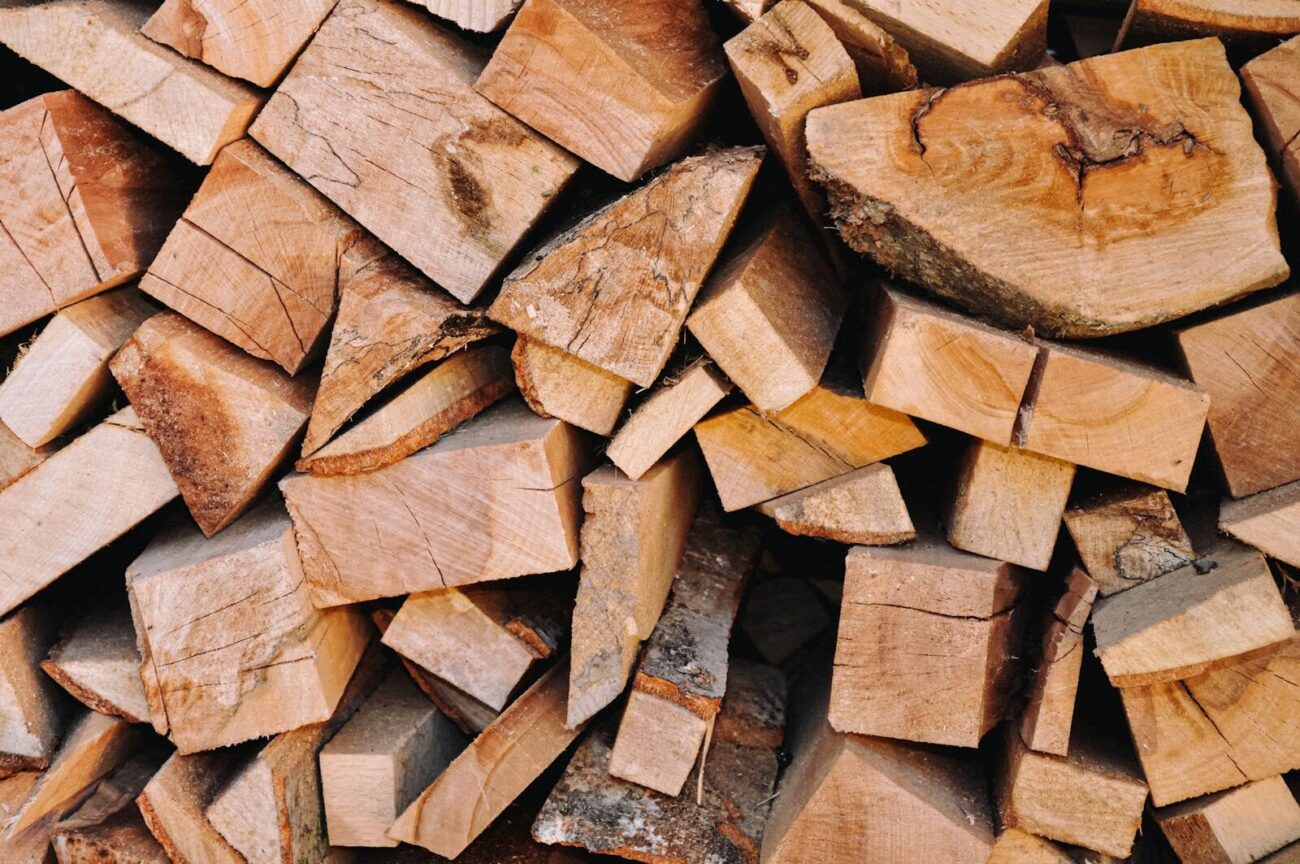
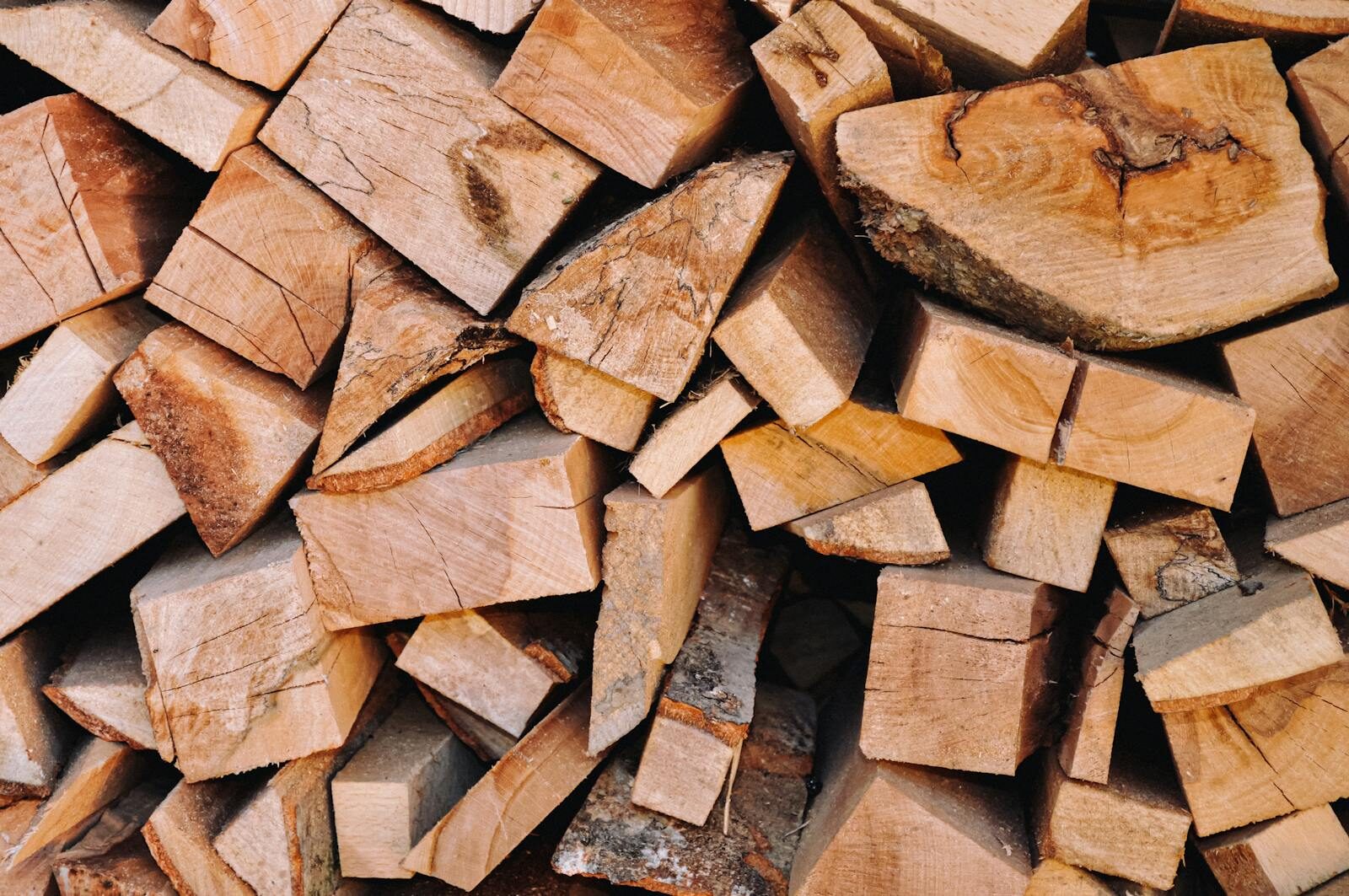
Measuring the quality of bulk biomass is not as simple as grabbing a handful from the top of a pile and testing it. Wood chips and pellets are heterogeneous materials. Moisture content, particle size, and contamination vary significantly through a bulk load. A sample taken from the surface tells you nothing reliable about what is underneath.
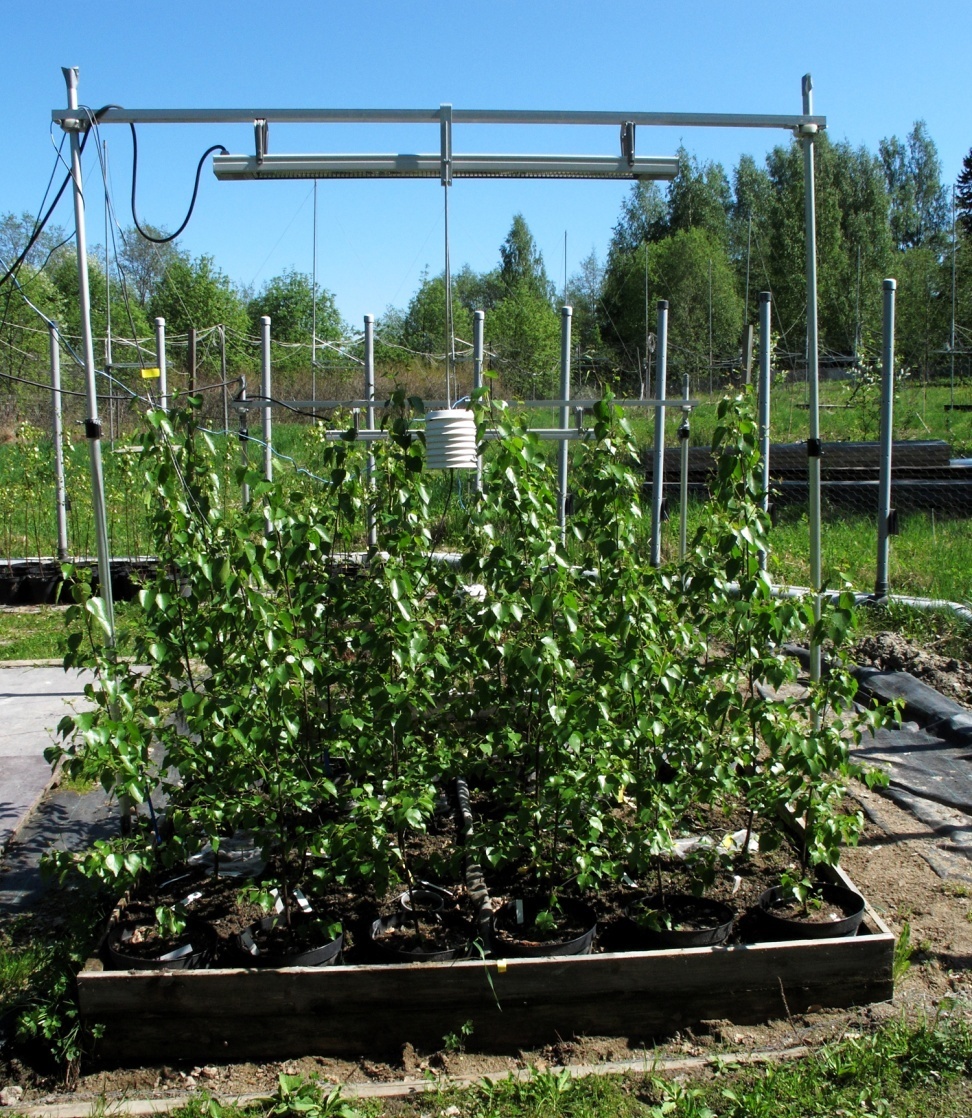
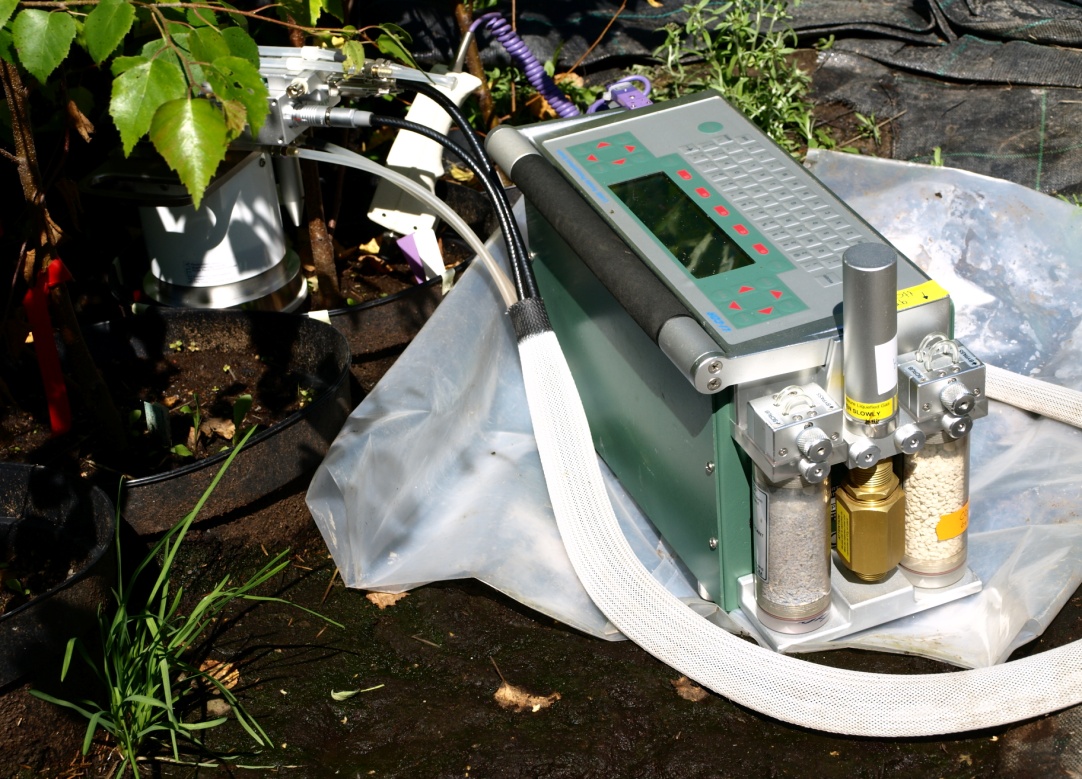
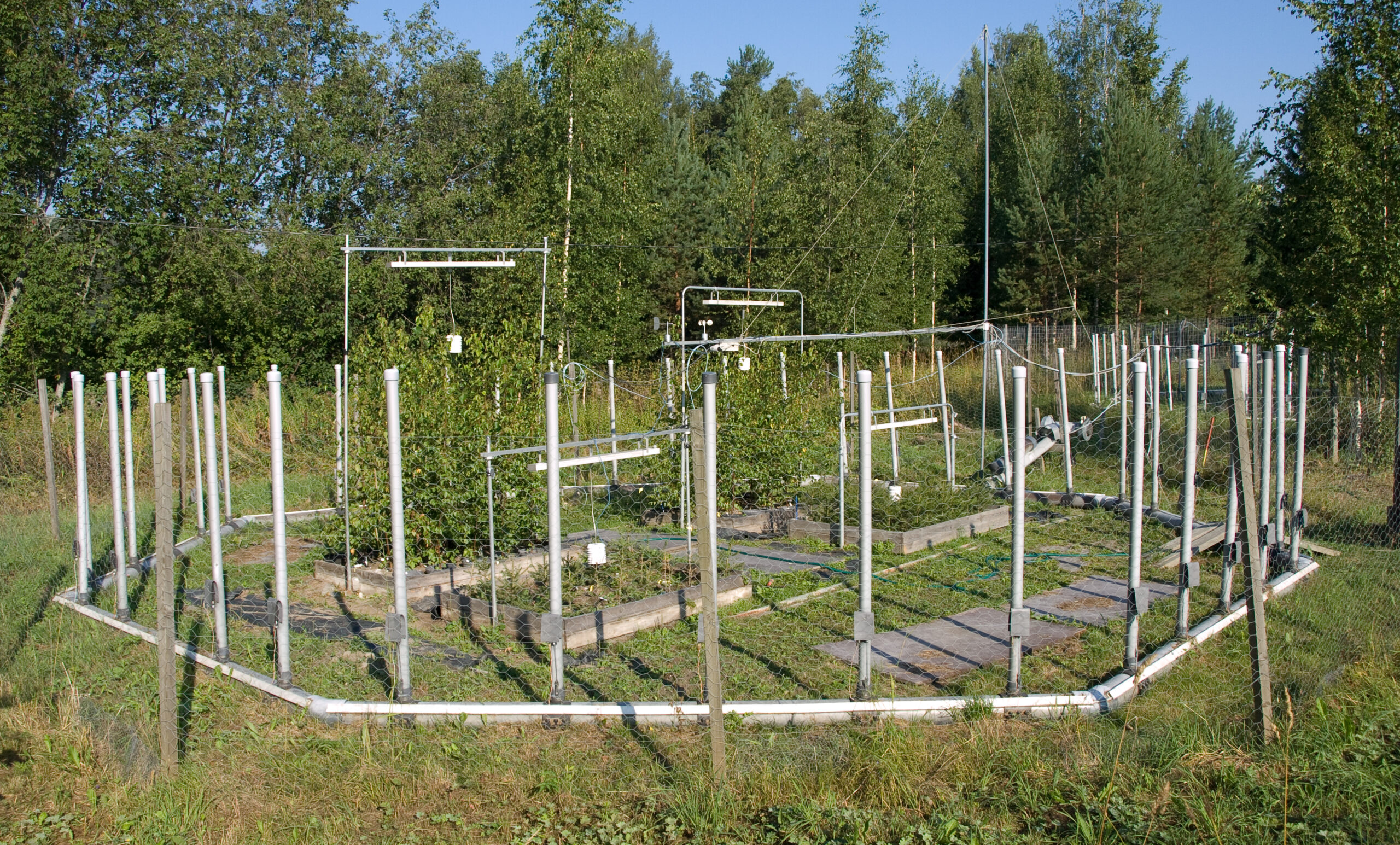
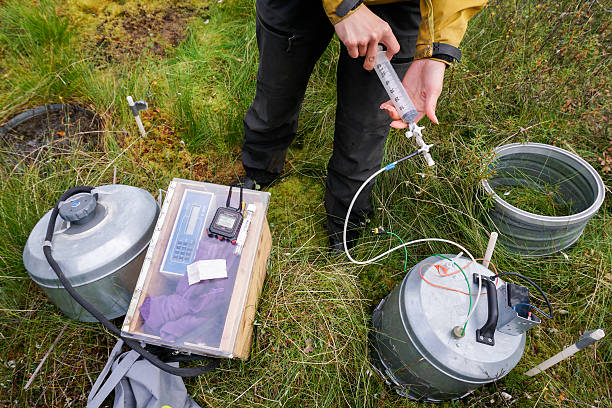
In my field research I measured stem diameter and height on 192 silver birch trees throughout a full growing season. Silver birch is a widely used short rotation biomass crop in Northern Europe. The growth measurements I took feed directly into above-ground biomass yield estimates using allometric equations, the same framework biomass producers use to calculate harvestable dry matter from a stand. Accurate feedstock sampling is what connects that yield estimate to actual quality assessment. Whether you are testing a batch of wood chips for a biomass boiler or assessing pellet quality for a fuel supplier, the sampling method determines whether your results mean anything.
This guide covers the main tools used for wood chip and pellet sampling and what to look for when buying.
Why Sampling Method Matters
Bulk biomass loads are rarely uniform. Moisture content at the bottom of a wood chip pile can be significantly higher than at the surface due to compression and limited air circulation. Fine particles and dust tend to settle toward the bottom. Foreign material and contamination is unevenly distributed.
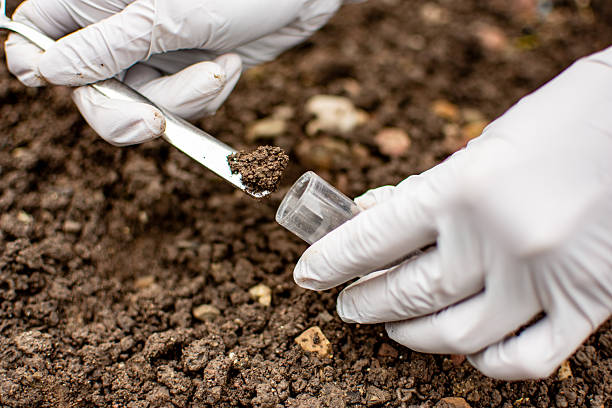
A representative sample requires taking multiple sub-samples from different locations and depths throughout the load and combining them into a composite sample for testing. The sampling tool you use determines how consistently and safely you can reach different depths and locations within the bulk material.
For small quantities and research applications, this can be done manually with simple tools. For commercial biomass quality assessment, standardised sampling protocols and dedicated sampling equipment are required to produce results that meet quality certification standards.
Types of Sampling Tools
Grain probes and sampling spears are hollow tubes with an opening along the side that allow material to enter when the probe is inserted into bulk material and rotated. They are the most widely used tool for sampling loose granular materials including wood pellets, wood chips, and agricultural residues. Insert the probe, rotate to open the sample chamber, withdraw, and empty the sample into a collection bag. Multiple insertions at different locations and depths across the load give a representative composite sample.
Bulk bag samplers are designed for sampling material in sacks, bulk bags, and containers. A pointed sampler is pushed through the bag wall and withdrawn with a sample of material inside. For pellets delivered in bulk bags, this is the practical sampling approach without opening and repacking the entire bag.
Pneumatic and mechanical sampling systems are used at industrial scale for continuous sampling of conveyor-fed biomass streams. These are specialist systems well beyond the scope of most research or small-scale commercial applications.
Manual scoops and shovels are the simplest approach for surface sampling of open loads. They give no depth penetration and are only suitable for small homogeneous samples where depth variation is not a concern.
Sampling Standards Worth Knowing
For commercial biomass quality assessment, sampling should follow established standards. ISO 18135 covers solid biofuels sampling and specifies how many sub-samples to take, how to combine them into a composite, and how to reduce the composite to a laboratory sample. Following a recognised standard is important if your results will be used for quality certification, fuel payment, or regulatory compliance.
For research applications where you are characterising feedstock for your own analysis, the key principle is taking enough sub-samples from enough locations to represent the variation within the load. A minimum of 10 to 20 sub-samples from different depths and positions is a practical starting point for most research sampling situations.
What to Look for When Buying
Material.
Stainless steel construction resists corrosion from wet biomass and is easier to clean between samples than aluminium or plastic alternatives.
Length.
Match the probe length to the depth of the material you are sampling. For standard bulk bags and small piles, a 1 metre probe is usually adequate. For deep storage piles or large containers, longer probes or extension rods are needed.
Opening design.
Probes with a single slot opening along the length collect a column sample representing multiple depths in one insertion. Probes with a tip opening only collect from the deepest point. For representative sampling, a slot or multiple opening design gives better results.
Ease of cleaning.
Biomass material compacts inside probe tubes. A probe that can be disassembled or has a push-rod for clearing the tube makes cleaning between samples practical rather than frustrating.
Sample volume.
Check the internal volume of the probe and whether it collects enough material per insertion for your testing needs. For moisture testing, a minimum of 100 to 200 g per composite sample is typically required.
What Is Available to Buy
Grain and biomass sampling probes are available through agricultural equipment suppliers, scientific equipment distributors, and general retail platforms. Stainless steel grain probes suitable for wood pellet and chip sampling start from around $20 to $60 for basic single-tube designs and go higher for multi-compartment and heavy-duty versions.
For research and small-scale commercial use, a stainless steel grain probe of appropriate length with a tare function and easy cleaning design covers most wood chip and pellet sampling needs at an accessible price point.
“For wood chip and pellet sampling, a three zone stainless steel grain probe sampler works well for bags and smaller bulk quantities. The three slot design collects material from different depths in a single insertion, which is exactly the multi-depth sampling principle your quality assessment needs. For larger bulk loads and commercial scale sampling, specialist agricultural equipment suppliers carry longer probes and heavy duty systems with extension rods.”
Shop Biomass Sampling Probes on Amazon →
Common Questions About Biomass Sampling
How many sub-samples do I need for a representative composite?
For research applications, a minimum of 10 sub-samples from different locations and depths gives a reasonable representation of variation within a load. For commercial quality certification following ISO 18135, the required number depends on load size and is specified in the standard.
Can I use a grain probe for wood chips as well as pellets?
Yes for most grain probe designs, though very coarse wood chips with large particle sizes may not enter the probe opening cleanly. For fine chips and pellets, standard grain probes work well. For coarse chips, a wider diameter probe or manual sampling with a scoop may be more practical.
How do I combine sub-samples into a composite?
Empty each sub-sample into a clean container and mix thoroughly. For large composite samples, use a riffle divider or cone and quartering method to reduce the composite to a manageable laboratory sample size while maintaining representativeness.
Does sampling tool material affect results?
It should not for moisture content testing. For chemical analysis or trace element testing, stainless steel is preferable to avoid contamination from other metals. Always clean the probe thoroughly between samples from different loads to avoid cross-contamination.