




Most conversations about soil carbon focus on the big climate picture. How much can we store. Whether it can offset emissions. What policies should incentivise it.
All of that matters. But before any of it makes sense, you need to understand what soil organic carbon actually is at ground level. Literally. What it is made of, what it does for the soil itself, and why farmers, foresters, and land managers should care about it just as much as climate scientists do.
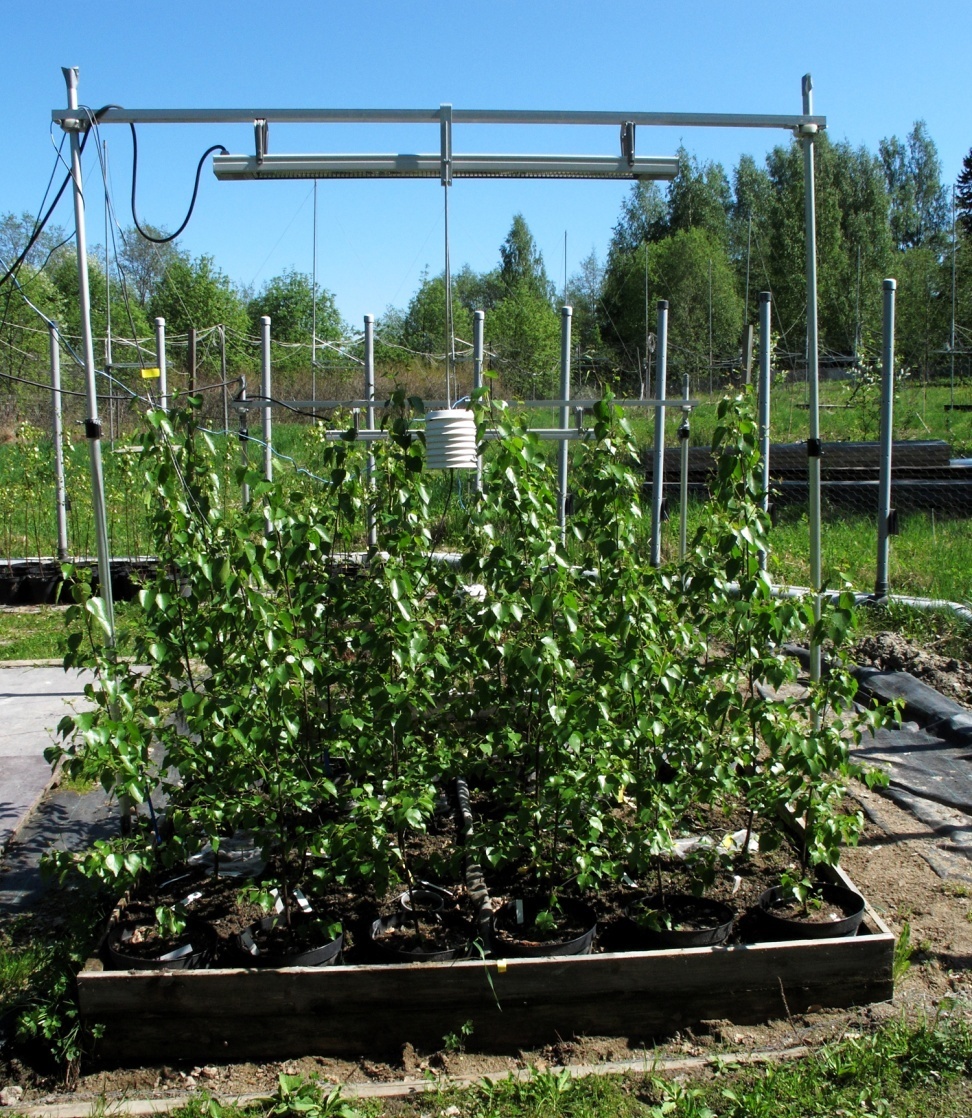
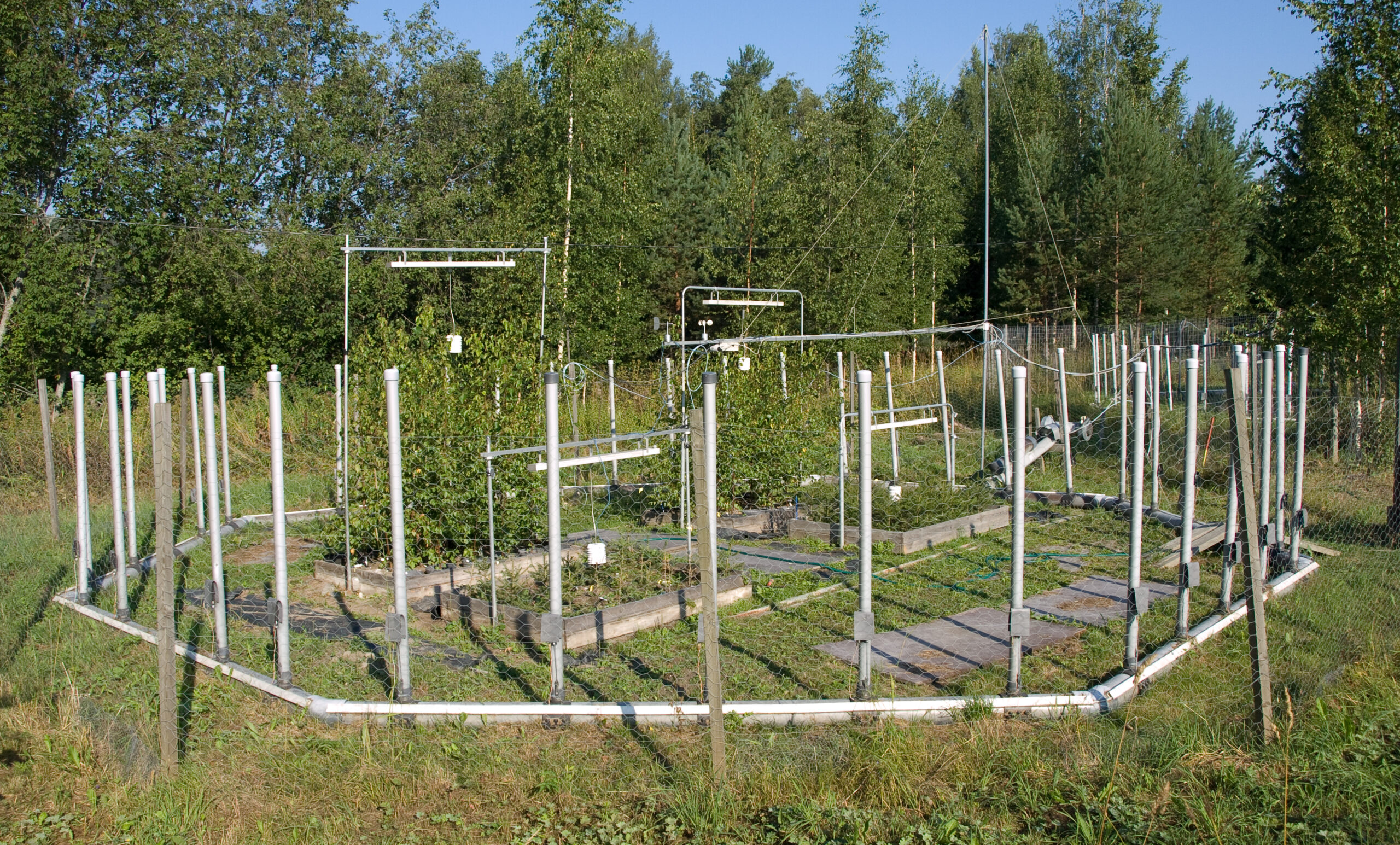
I spent a full growing season measuring how carbon moved through soil in a field experiment, watching the numbers shift with temperature and season. What I learned there convinced me that soil organic carbon is not just a climate metric. It is the foundation of healthy land. And in many places, we are losing it fast.
What Is Soil Organic Carbon?
Soil organic carbon, or SOC, is the carbon stored within organic matter in soil. That organic matter comes from things that were once alive. Dead plant roots. Decomposed leaves. Fungal threads. Microbial cells that lived and died over centuries. All of it breaks down over time and releases carbon into the soil in various forms.
Some of that carbon cycles through quickly, released back into the atmosphere within months. But some gets stabilised, bound to mineral particles or transformed into humus, and stays in the soil for decades or centuries.
If you want to understand how that carbon gets into soil through plants and root systems, I covered that process in detail in my article on soil carbon sequestration. This article is about what that carbon actually is once it is there, what it does, and how to build more of it.
Here is something that genuinely surprised me early in my research. Soils hold around three times more carbon than the entire atmosphere. More than all living plants and trees combined. The numbers are staggering when you sit with them.
What Is the Difference Between Soil Organic Carbon and Soil Organic Matter?
This is one of the most searched questions on this topic and the confusion is completely understandable.
Soil organic matter is the broader term. It includes everything decomposing in the soil, carbon, nitrogen, hydrogen, oxygen, and other elements. Soil organic carbon is specifically the carbon fraction of that organic matter.
Since carbon makes up roughly 58% of organic matter by weight, scientists often measure SOC as a practical proxy for the whole. So when a lab report says your soil is 2% organic matter, your SOC is roughly 1.16%.
They are related but not the same thing. Organic matter is the full picture. Organic carbon is the part that tells you most about carbon storage and climate impact.
Is Soil Organic Carbon Good or Bad?
It is unambiguously good, and I say that having looked at a lot of data up close.
High SOC levels mean better soil structure, better water retention, better nutrient cycling, and more carbon stored away from the atmosphere. Soils rich in organic carbon are more fertile, more drought-resilient, and more productive over the long term.
The only context where organic carbon levels might be considered a concern is in very specific situations like certain construction or engineering applications where high organic content can affect load-bearing capacity. But for agriculture, forestry, and climate purposes, more SOC is almost always better.
The real problem is not that SOC is bad. The problem is that we have lost enormous amounts of it. Some cultivated soils have lost 50 to 70% of their original organic carbon through centuries of tillage and intensive farming. That carbon did not disappear. It went into the atmosphere as CO₂.
How Is Soil Organic Carbon Measured?
This is where things get genuinely interesting, and genuinely difficult.
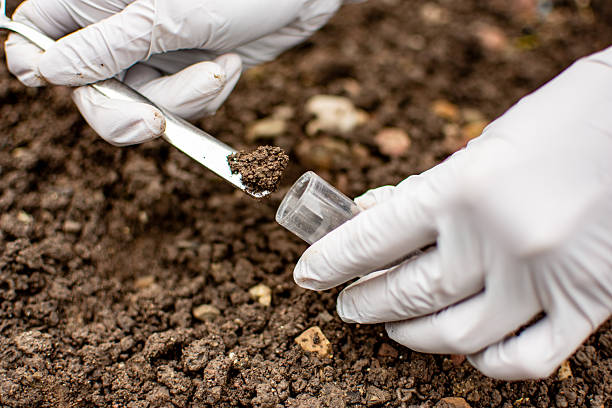
The most common field method is loss on ignition, where a soil sample is heated to burn off all organic matter and the weight difference tells you how much was present. Another widely used approach is the Walkley-Black wet oxidation technique, which uses chemical reactions to estimate carbon content. More sophisticated laboratory methods use elemental analysers that combust samples and measure the CO₂ released directly.
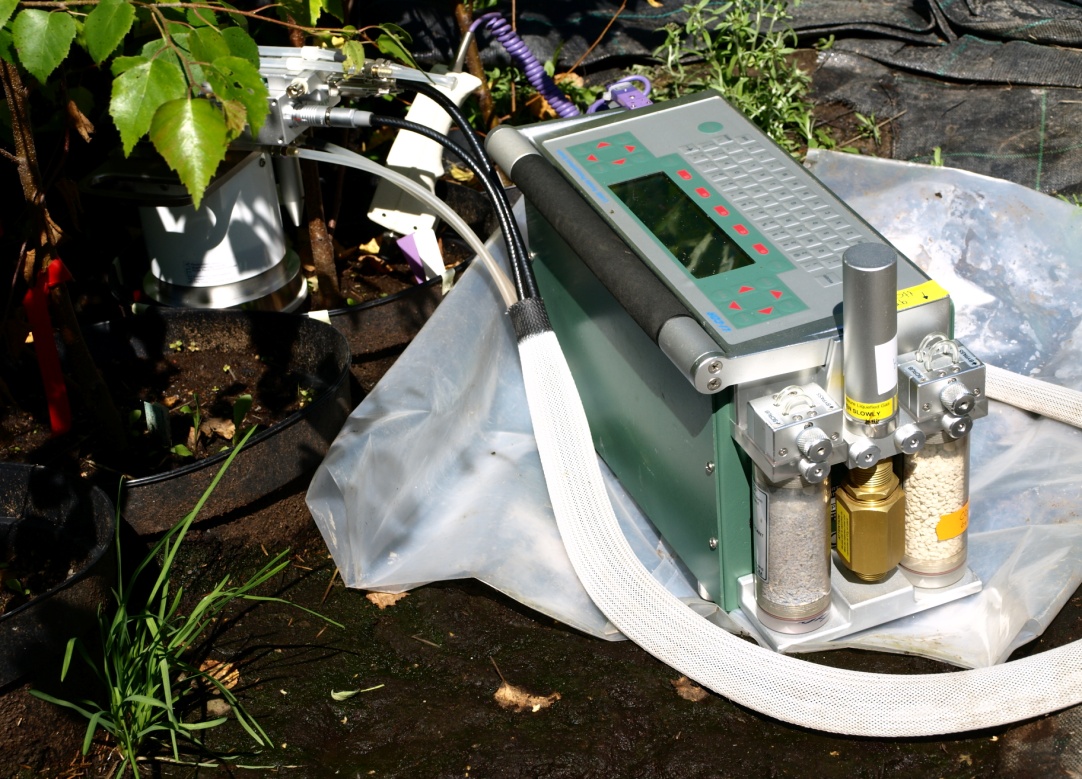
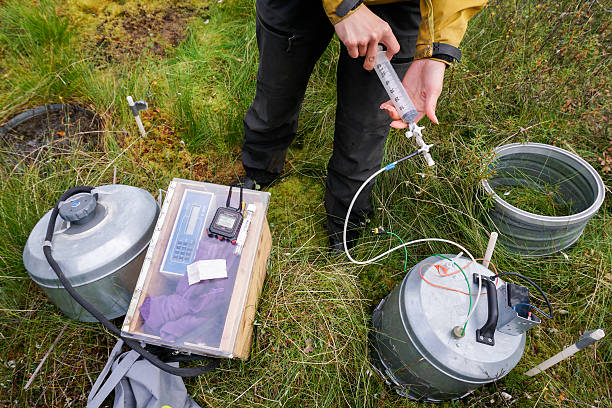
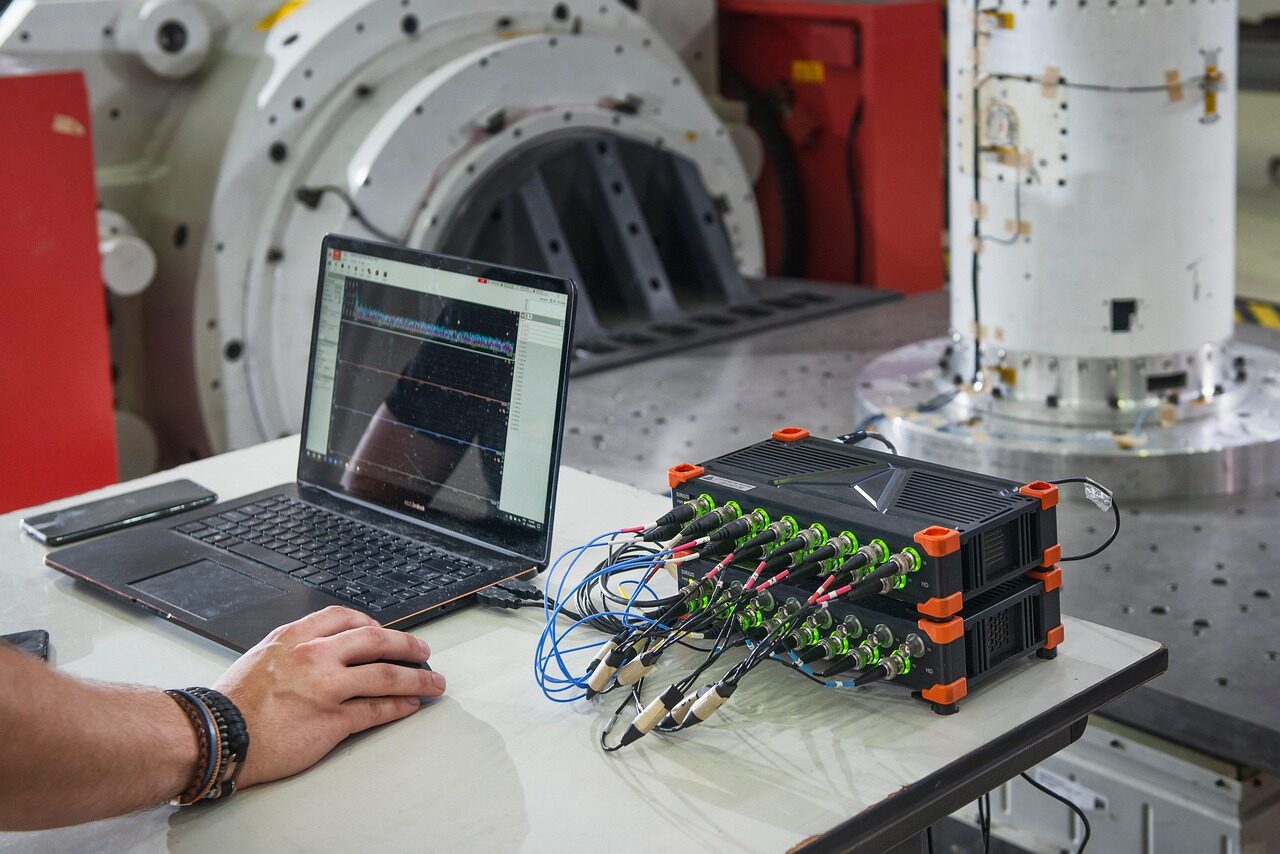
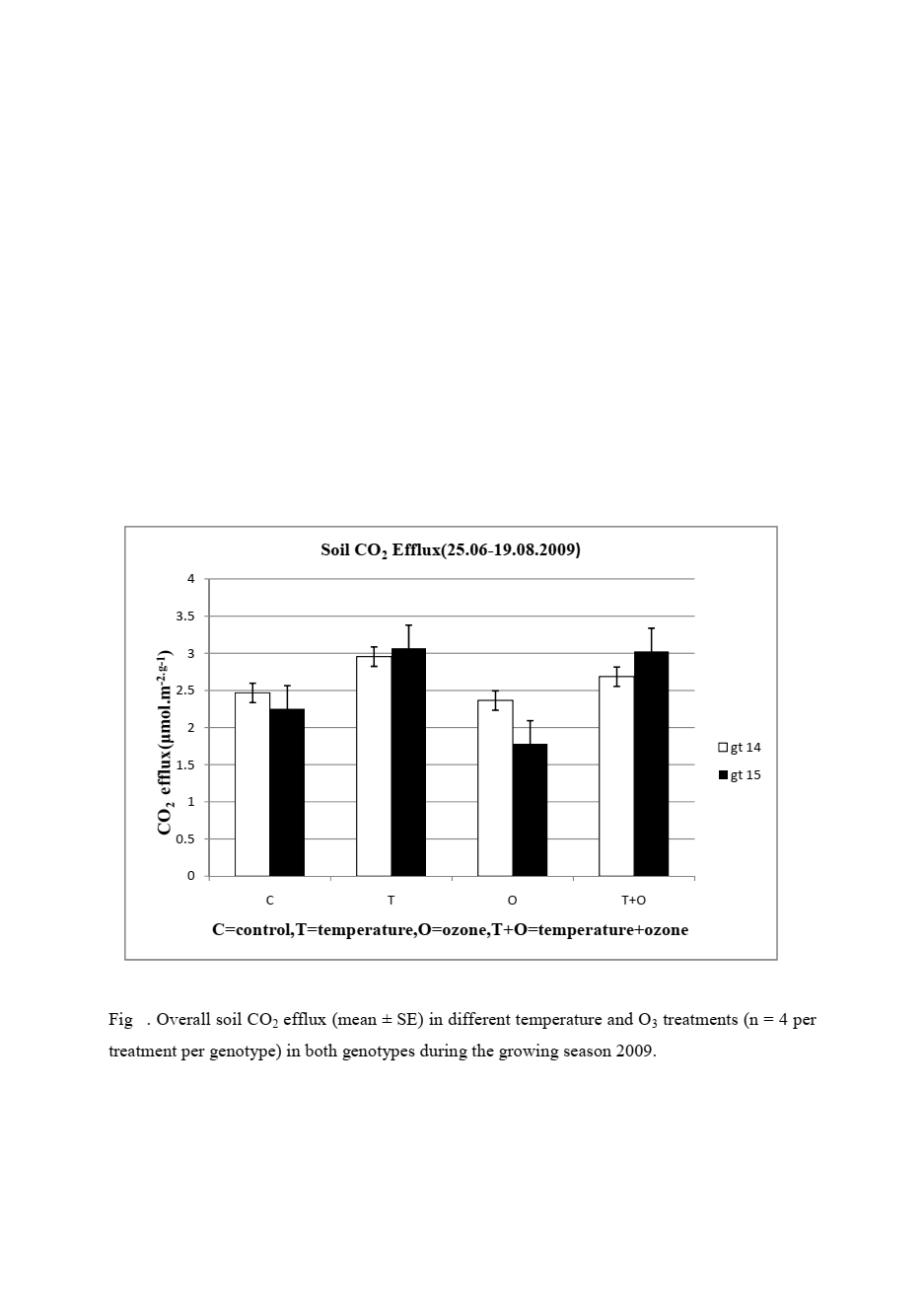
In my own research I measured soil respiration rather than SOC directly. I used a LICOR 6400-09 soil CO₂ flux chamber placed on the soil surface to record how much carbon dioxide the soil was releasing. That is a real-time indicator of how actively organic carbon is being broken down. When efflux goes up, stored carbon is being lost. It does not tell you the total stock but it tells you which direction things are moving, and in my warmed experimental plots, things were moving in the wrong direction.
The challenge with measuring SOC is that soil is not uniform. Carbon content varies enormously within a single field, between soil depths, across seasons, and between soil types. Getting a truly representative measurement requires careful sampling design, multiple cores, and repeated measurements over time.
How to Increase Soil Organic Carbon
This is the practical question most people are really asking, and there are real proven answers.
Reduce tillage. Every time soil is ploughed, aggregates break apart, oxygen rushes in, and microbes break down carbon that was previously protected. Switching to no-till or minimum tillage is one of the most evidence-backed ways to preserve and build SOC. It sounds almost too simple. It is genuinely effective.
Use cover crops. Keeping living roots in the soil between growing seasons feeds the soil food web continuously and adds fresh organic carbon inputs year-round.
Add compost and organic amendments. Direct additions of organic matter improve microbial activity and build SOC over time. This is especially important on soils that have been heavily depleted.
Try agroforestry. Combining trees with crops brings deep permanent root systems into agricultural land, creating diverse and deep carbon inputs that annual crops alone cannot match.
Consider biochar. Biochar is a form of carbon produced from biomass that is highly resistant to decomposition. Unlike fresh organic matter, it does not cycle through quickly. It contributes to long-term SOC stocks and also improves soil water retention and structure at the same time. I find the biochar research particularly compelling given how it connects biomass, carbon storage, and soil health in one intervention.
What Does Soil Organic Matter Do for Plant Growth?
A lot, and this is often the part that gets left out of the climate conversation.
Organic matter acts as a biological glue, binding soil particles into aggregates that create structure. That structure means better drainage, better aeration for roots, and better resistance to compaction and erosion.
It feeds the underground food web. Soil microbes, fungi, earthworms, and nematodes all depend on organic carbon as an energy source. When SOC declines, that entire web weakens, and plant growth suffers as a result.
It also holds water. Organic matter can hold several times its own weight in water. Soils rich in SOC are measurably more drought-resilient. This is becoming increasingly important as dry spells become more frequent and severe in many farming regions.
And it releases nutrients slowly. As organic matter decomposes, it releases nitrogen, phosphorus, and other nutrients in forms plants can use. Soils high in organic carbon tend to need less synthetic fertiliser input over time.
Which Soil Has the Highest Organic Carbon Content?
Peatlands and wetland soils are at the top. These ecosystems accumulate organic matter over thousands of years because waterlogged, low-oxygen conditions dramatically slow decomposition. Some peat soils are 40 to 60% organic carbon by weight.
After peatlands, boreal forest soils and temperate grassland soils tend to be high in SOC, particularly in cold climates where decomposition is slow. Prairie soils in North America and the steppes of Central Asia built up extraordinary SOC stocks over millennia under perennial grass cover.
Sandy soils and arid soils tend to have the lowest organic carbon content. Dry, warm conditions accelerate decomposition, and sparse vegetation means fewer organic inputs in the first place.
Agricultural soils sit somewhere in the middle but often at the lower end of their potential, because farming practices have historically depleted them.
Why Is Soil Organic Carbon Important for Climate Change?
The relationship runs in two directions, and both matter.
First, soils with high SOC act as carbon sinks. They hold carbon that would otherwise be in the atmosphere contributing to warming. Building SOC globally is one of the most promising natural climate solutions available.
Second, when SOC is lost through warming, tillage, or land use change, it releases CO₂ and directly worsens climate change. In my field experiment, raising air temperature by just 0.9°C caused soil CO₂ efflux to increase by 24 to 36% depending on which tree genotype was growing above the soil.
The soil was releasing stored carbon faster than it was accumulating it. That kind of feedback, where warming causes carbon loss which causes more warming, is exactly what climate scientists are most concerned about at a global scale.
Managing SOC well is therefore both a mitigation strategy and an adaptation strategy. It reduces emissions and makes soils more resilient to the climate stress that is already coming.
Frequently Asked Questions
What should soil organic matter be for healthy soil?
For most agricultural soils, organic matter levels above 3% are considered healthy, which corresponds to roughly 1.7% organic carbon. Many intensively farmed soils have fallen well below 1%. Peatlands and forest soils can reach 10% or higher naturally.
Where does soil organic carbon come from?
Primarily from plants. Root turnover, leaf litter, and root exudates are the main inputs. Microbial biomass also contributes significantly as microbes live, die, and are incorporated into the soil. Animal remains and manure add organic carbon too, though in smaller quantities in most ecosystems.
Can soil be carbon dated?
Yes. Radiocarbon dating can be applied to soil organic carbon to estimate its age, which tells scientists how long carbon has been stored and how stable it is. Older carbon ages generally indicate more stable, protected SOC fractions.
Does soil organic matter increase water holding capacity?
Yes, significantly. This is one of the most practically important properties of SOC for farmers and land managers. Each 1% increase in soil organic matter can increase the water holding capacity of a soil by roughly 20,000 litres per hectare. On degraded soils, rebuilding organic matter can meaningfully reduce irrigation needs and improve drought resilience.
Does soil release carbon dioxide?
Yes, constantly. Soil respiration is a natural process where microbes and roots release CO₂ as they break down organic matter and respire. The key question for climate is whether that release is greater or smaller than the carbon inputs from plants. In healthy, well-managed soils, inputs and outputs are roughly balanced or inputs exceed outputs. In degraded or warming soils, outputs can exceed inputs, turning the soil from a carbon sink into a carbon source.
How much of soil organic matter is carbon?
Approximately 58%. This is why scientists use a conversion factor of 1.72 to convert between organic carbon and organic matter measurements. If your soil test reports 2% organic matter, your soil organic carbon is roughly 1.16%.