





Why do some ecosystems support a rich variety of life while others become simpler and less stable over time?
Often, the difference is not a single event but a cumulative buildup of smaller, persistent pressures. Slight increases in temperature, gradual drying of soils, or long-term exposure to pollutants can slowly reshape how ecosystems function.
These pressures, known as environmental stressors, influence not only which species survive but also how ecosystems behave as a functional whole.
For researchers and ecologists like me, studying environmental stress is necessary to understand how Earth’s land stores carbon over time. In northern forests (the boreal biome), these ecosystems act like a huge “carbon storage system.” They take in carbon dioxide (CO₂) from the air and store it in trees, plants, and soil for long periods.
But when environmental stress increases, such as warming temperatures, drought, wildfires, or insect outbreaks, the system becomes weaker.
If the stress gets too strong, forests may use more energy just to survive than they can store as carbon.
At that point, they may stop being strong carbon “sinks,” meaning they store less carbon, or they can even start releasing carbon back into the atmosphere.
The Filtering Effect: How Stress Decides What Survives
Environmental stress, like drought or air pollution, works like a filter in nature. Every living thing has a range of conditions where it can live comfortably, called its “ecological niche.” When the environment changes too much, this filter starts to take effect.
This usually does not happen suddenly. Instead, it happens slowly in steps:
Individual stress
Living things use more energy just to survive, so they have less energy for growth and repair.
Population decline
Because they grow and reproduce less, some sensitive species start to disappear.
Simpler communities
As these sensitive species vanish, they are replaced by a few tough species that can survive almost anywhere.
Normally, different species compete in a balanced way. But under stress, this balance changes. For example, in a warming forest, trees that can photosynthesize better in heat become more common. Over time, this reduces the variety of species and changes the whole ecosystem, including the insects and birds that depend on it.
What I learned from my field experiments: The Below-Ground Connection
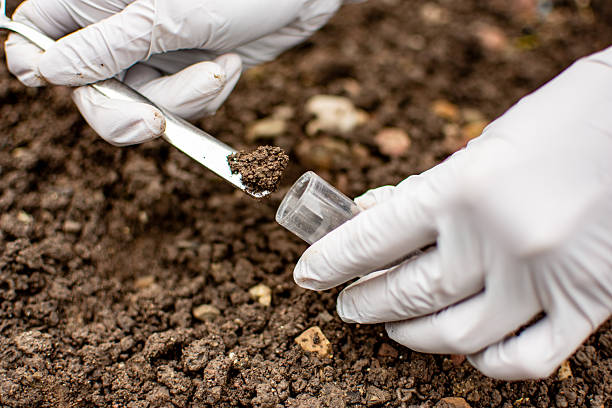
A significant portion of biodiversity exists below the surface in soil systems that are frequently overlooked. During my research works, it became clear that what we see above ground is only half the story. Soil microorganisms and fungi play a critical role in nutrient cycling; when environmental stressors hit, these communities are the “first responders.”
Primary Research Insight: Warming and Ozone
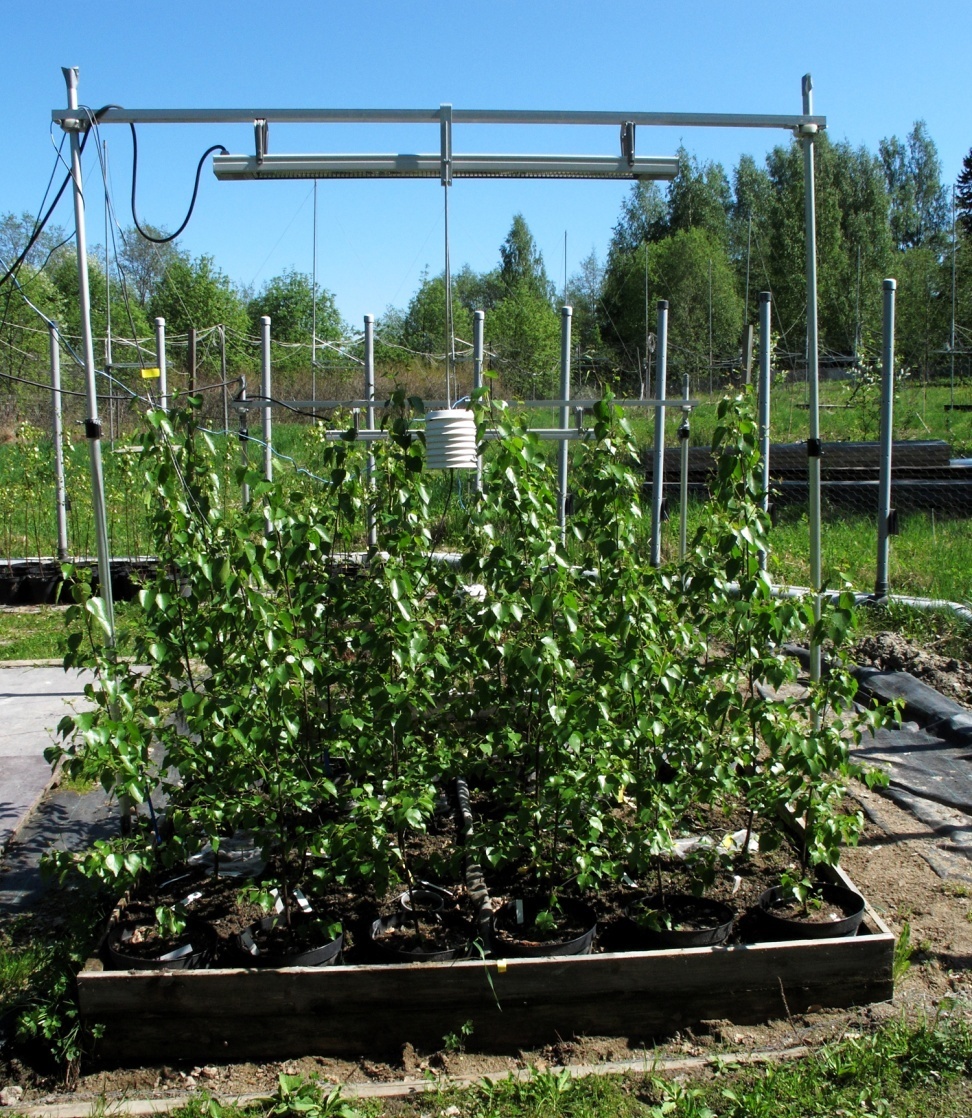
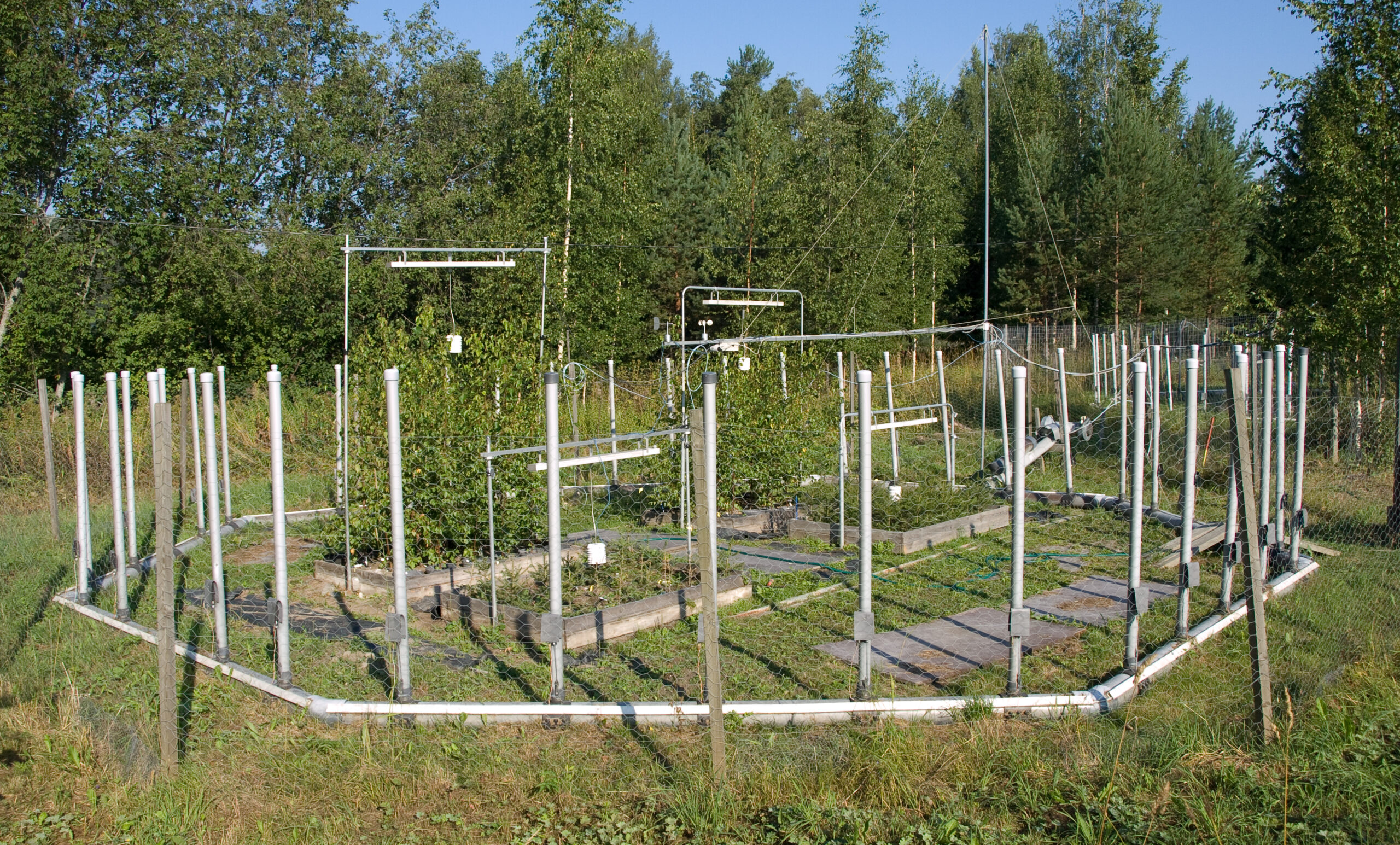
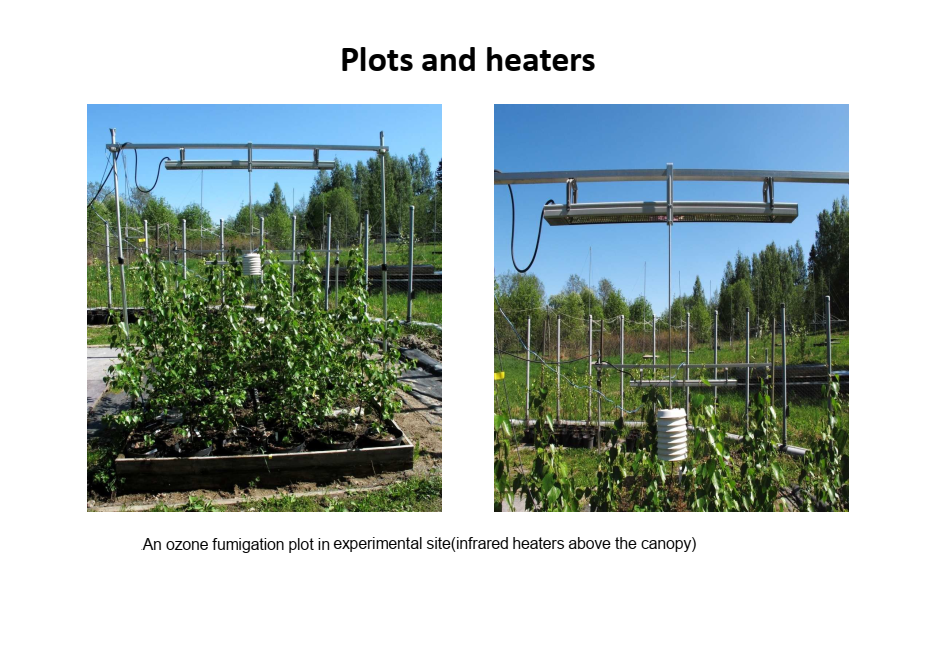
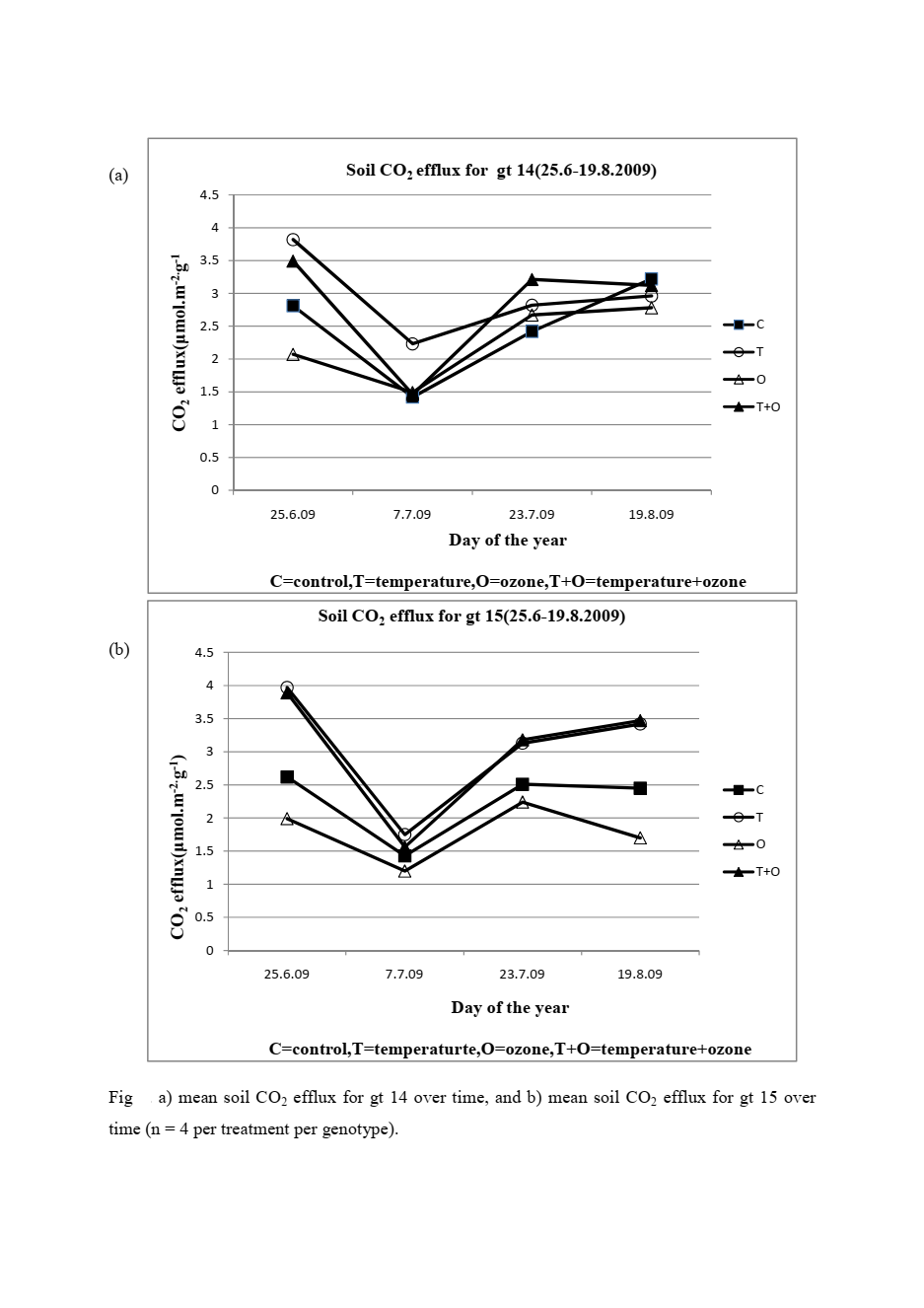
In my study of Silver Birch (Betula pendula), I utilized a specialized experimental setup to simulate future climate conditions. By using infrared heaters to raise the temperature by 0.9°C and an ozone fumigation system, we created a controlled environment to observe stress in real-time.
Experimental Setup: Infrared heaters (warming) + Ozone fumigation system.
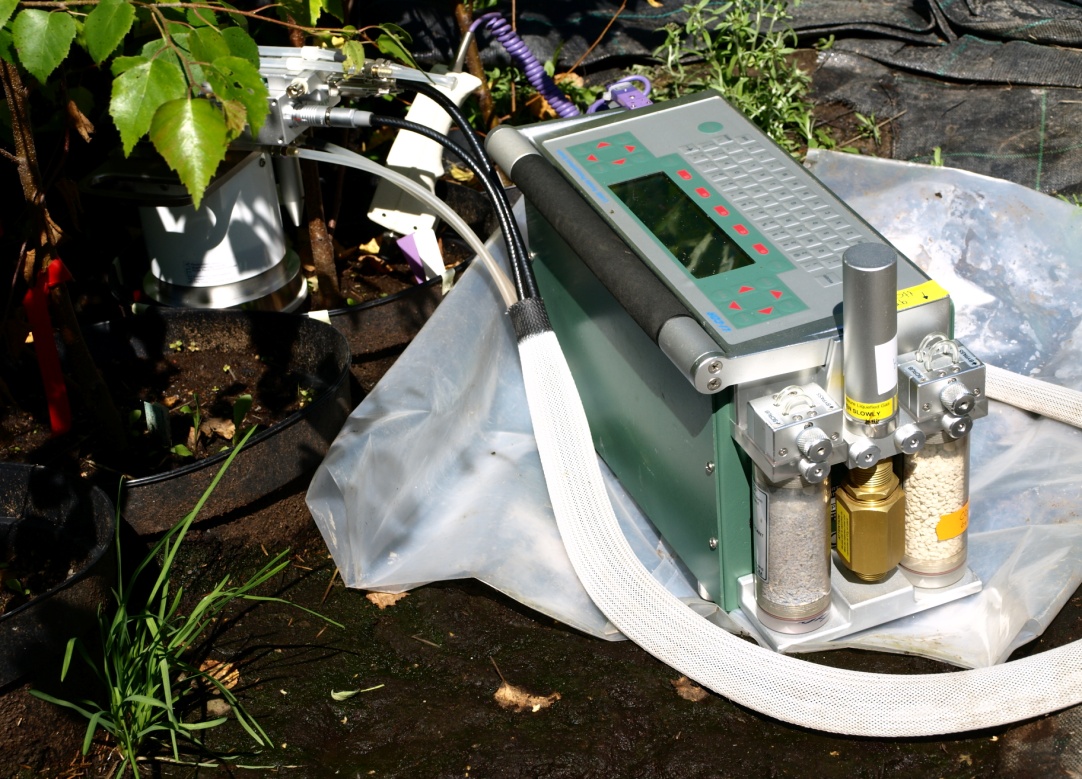
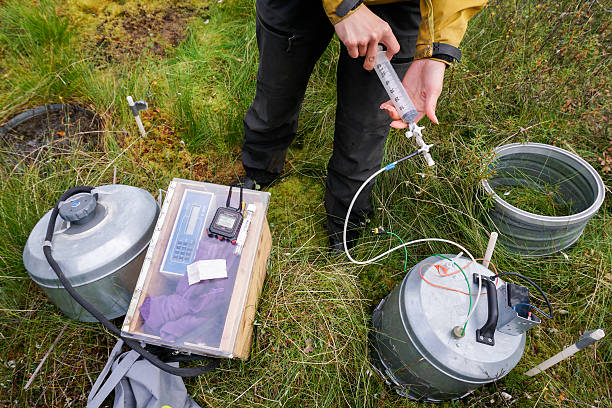
Key Finding: Even a sub-1°C increase triggered a strong increase in soil efflux in specific genotypes.
This increase in underground activity shows an important effect. A tree may still look like it is growing normally above ground, but soil microbes become more active and break down organic matter faster. This releases more carbon back into the air.
If the soil loses more carbon than the tree absorbs, the ecosystem changes from storing carbon to releasing it.
Major Stressors: Wildfires, Drought, and Pollution
Stress usually does not happen alone. It often comes from several pressures at the same time, which makes damage to biodiversity worse.
Wildfires and sudden disturbances
Wildfires are strong, fast events. Many forests can recover from fire, but today’s fires are happening more often, which makes recovery harder. Very high heat can also damage soil and kill microbes that help new trees grow.
Effects of ozone (O₃)
Ozone in the lower atmosphere can harm how plants make food from sunlight. When this happens, plants use more energy to protect themselves instead of growing. From my observations, this makes plants weaker and more affected by other problems like drought or insects.
How Biodiversity Helps Environments Endure Stress
Biodiversity works like a safety system for nature. In a diverse ecosystem, different species respond differently to stress. Some are more sensitive, while others can tolerate harsh conditions. This is called functional redundancy.
For example, if a heatwave affects one species, another species that can handle higher temperatures may take over its role, such as filtering water or storing carbon.
Ecosystems with low biodiversity do not have this backup. If key species are lost, there are fewer others that can replace them. This makes the system more likely to break down or change into a simpler and less productive state.
Summary
FAQs
How do environmental stressors affect biodiversity in an ecosystem?
They push conditions like heat or pollutants, beyond what certain species can tolerate, filtering out sensitive organisms and leaving a simpler, less stable system.
How does biodiversity help an environment to endure through stress?
Higher biodiversity provides “functional overlap.” If one species declines, others can perform the same ecological roles, maintaining the system’s stability.
How does wildfire affect biodiversity?
While small fires can clear debris and help some species, high-intensity fires can sterilize soil and permanently alter the species composition of an area.
Why specifically do environmental stresses reduce biological diversity?
Stress narrows the “survival window.” As conditions become more extreme, fewer species possess the specialized adaptations required to survive.