



How do scientists control a reactive gas like ozone in a real forest without closing the ecosystem inside a chamber?
In environmental monitoring, this is done using ozone enrichment systems.
An ozone enrichment system is a field-based setup that produces and delivers controlled amounts of ozone (O₃) into open-air ecosystems. It is used in environmental research to study how vegetation, soil processes, and ecosystem function respond to controlled changes in atmospheric chemistry while natural conditions remain intact.
These systems are not limited to one type of experiment. They are also used in studies on plant stress physiology, forest productivity, air pollution impacts, and long-term ecosystem carbon balance. The common requirement is the same: controlled, measurable ozone exposure in real outdoor environments.
At the core of every ozone enrichment system is the ozone generator. This is the main production unit that converts oxygen (O₂) into ozone using electrical discharge. From there, ozone is transported through tubing and released into field plots through perforated distribution pipes.
Together, the generator, tubing network, and monitoring instruments form a continuous system that regulates ozone delivery under changing environmental conditions.
In simple terms, ozone enrichment systems provide controlled ozone exposure in real ecosystems, with the ozone generator acting as the central production tool.
Role of Ozone Enrichment Systems in Environmental Monitoring
Ozone enrichment systems are used whenever researchers need to understand how living ecosystems respond to changes in atmospheric composition under natural conditions.
In environmental monitoring, this can include forest response studies, plant physiology experiments, carbon cycle research, and assessments of pollutant sensitivity. The system allows exposure control without isolating the ecosystem from its natural environment.
Unlike laboratory setups, these systems operate in open air. Trees grow in natural soil, wind moves freely through the canopy, and sunlight varies naturally throughout the day. The only controlled factor is ozone concentration.
This balance between control and natural variability is what makes the system useful for field-based environmental studies.
Ozone Generation: The Core Unit of the System
The ozone generator is the central technical component of the system.
It produces ozone by applying high-voltage electrical discharge to oxygen (O₂), splitting it into individual oxygen atoms that recombine into ozone (O₃). Because ozone is highly reactive, it must be delivered immediately after production.
In field applications, the generator is typically placed inside a protected control cabin. This ensures stable operation and protects the equipment from environmental conditions such as moisture, dust, and temperature fluctuations.
From my research experience, the ozone generator was not operating as a standalone device. It was directly connected to a computer-based control system that monitored ozone concentration in real time.
The system adjusted ozone output continuously based on feedback from field sensors. This was necessary because ozone levels in open air change quickly due to wind, temperature, and sunlight-driven chemical reactions.
The goal was not simply to produce ozone, but to maintain stable and measurable exposure across the field plots throughout the experiment period.
Distribution System: Delivering Ozone Into Field Plots
Once ozone is produced, it must be distributed evenly across the experimental area.
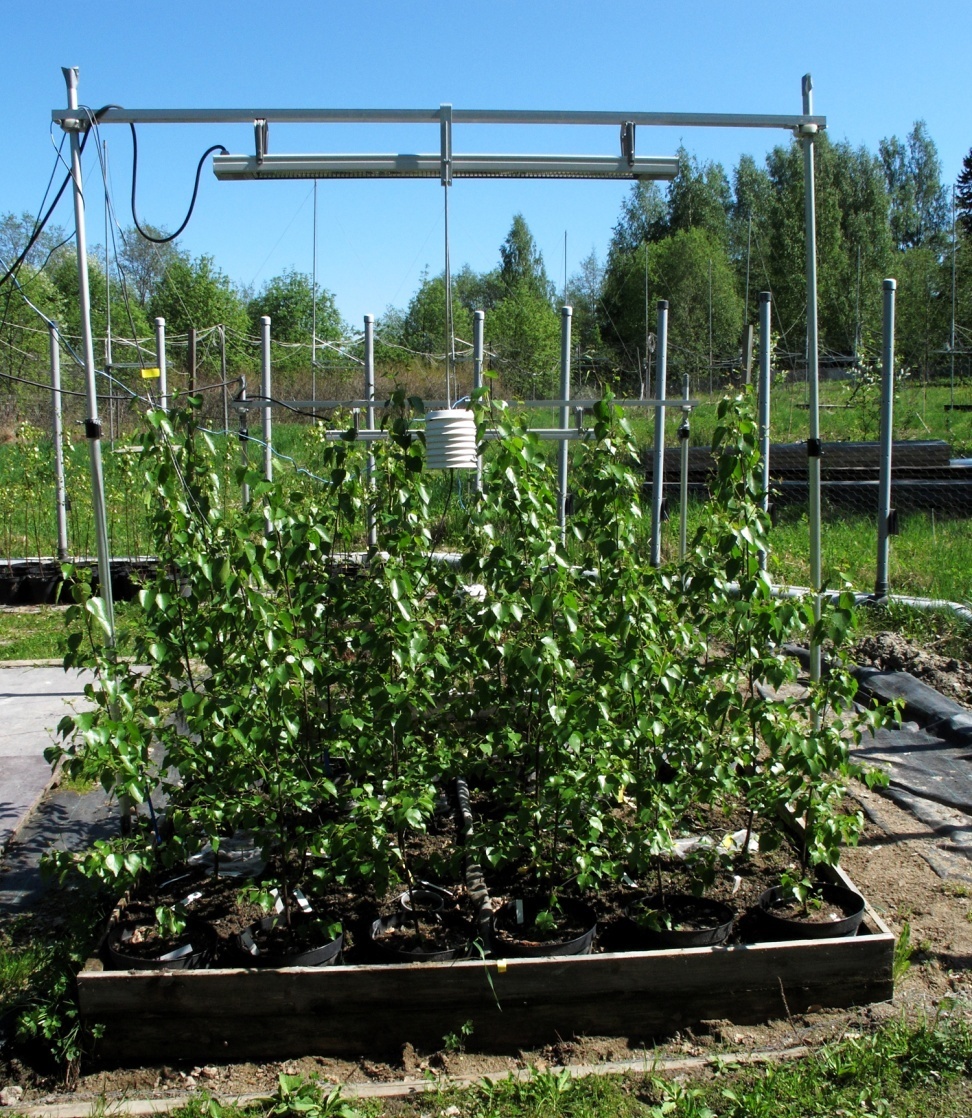
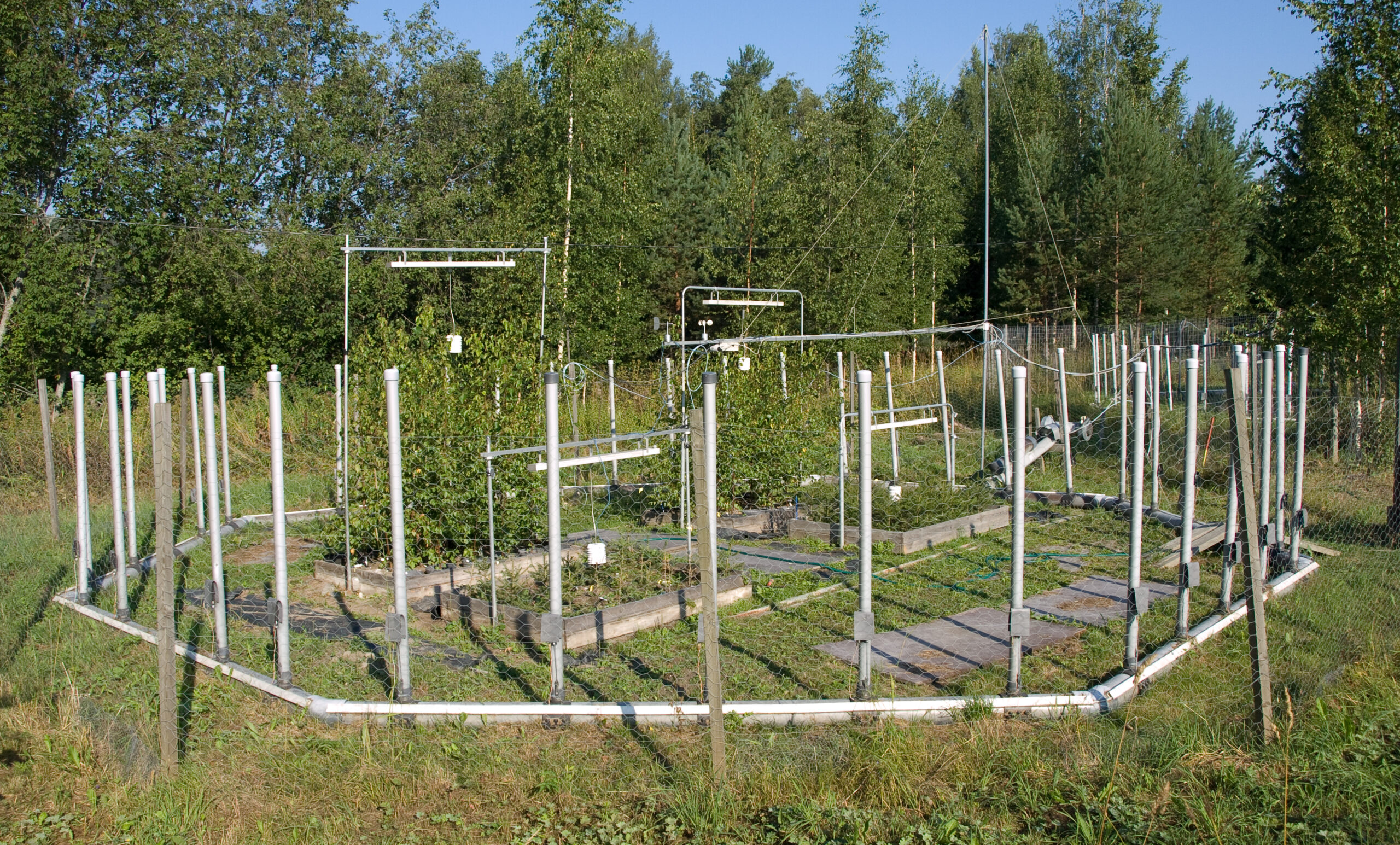
In my field setup, ozone moved from the generator in the control cabin through a network of tubes leading into the experimental plots. These tubes were connected to perforated pipes placed directly within the vegetation zone.
The pipes contained small, evenly spaced holes that released ozone gradually into the surrounding air. This created a diffuse exposure field rather than a single concentrated source.
The placement of these pipes was designed to surround the vegetation structure rather than point at individual plants. This helped maintain spatial balance in exposure across each plot.
The system operated continuously during exposure periods, providing a steady flow of ozone rather than intermittent release. This reduced short-term fluctuations and improved exposure consistency.
Why Wind Is Part of the System
In open-field experiments, wind is not an external disturbance to eliminate. It is part of the system behavior.
Once ozone is released from the pipes, it mixes immediately with surrounding air. Wind helps distribute ozone across the canopy and soil surface, making exposure more uniform.
At the same time, wind introduces variability. Changes in speed or direction can alter local ozone concentration within the plot.
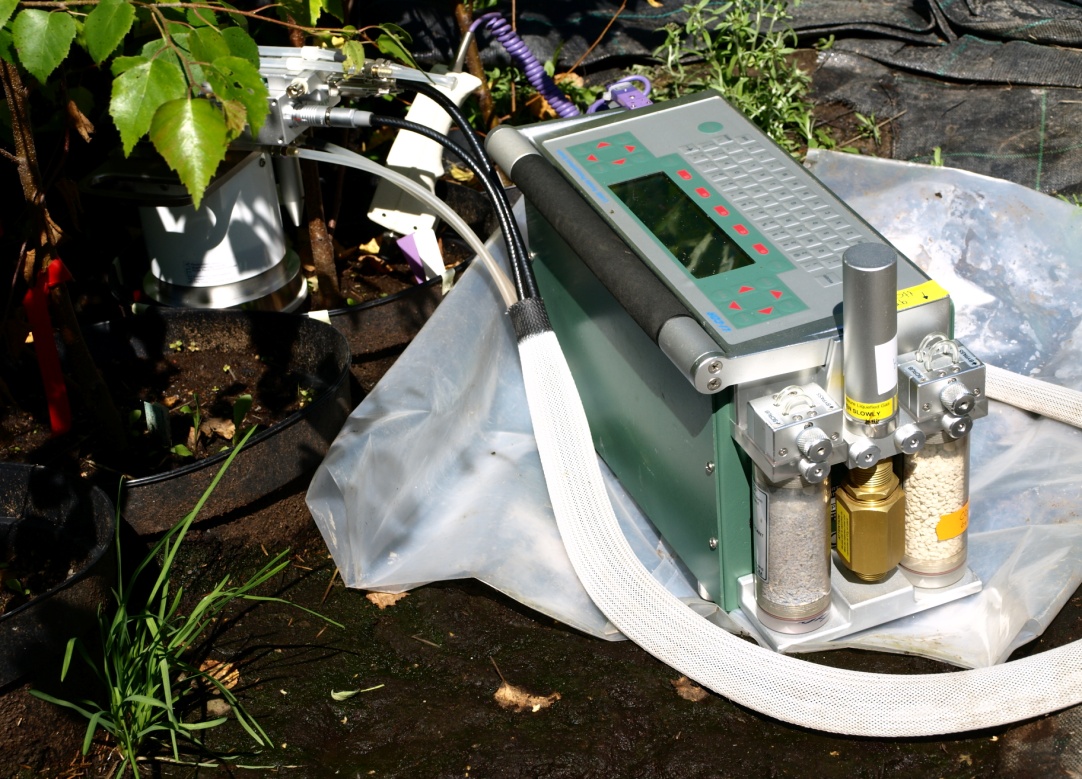
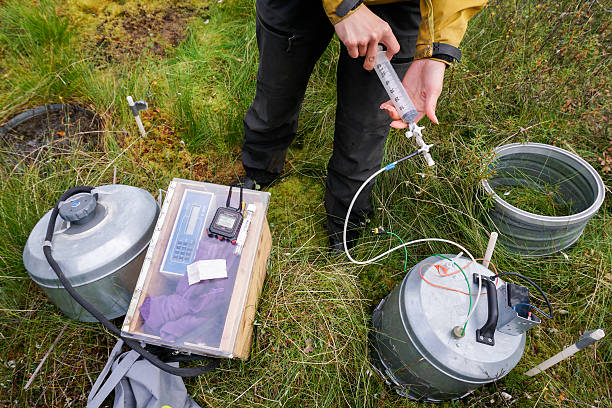
Because of this, ozone enrichment systems rely heavily on continuous monitoring. Sensors placed within and above the canopy measure ozone concentration throughout the exposure period.
These readings are sent back to the control unit, which adjusts generator output in real time. This feedback loop keeps exposure close to the target level despite changing environmental conditions.
Field Use in Silver Birch Experiments (Personal Research Context)
In my research work, ozone enrichment systems were used in open-field silver birch (Betula pendula) plots.
The system included a central ozone generator located in a field cabin. This generator was connected to a computer control unit that continuously tracked ozone concentration and environmental variables such as wind speed, temperature, and humidity.
From the generator, ozone was distributed through tubes into perforated pipes installed across circular field plots. These pipes released ozone into the canopy zone of mature birch trees.
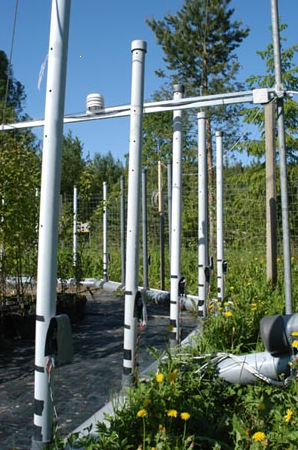
The purpose of using this system was to study ecosystem responses under controlled ozone exposure in realistic forest conditions.
In this case, the focus was not only on pollution effects in a general sense, but on how specific forest components respond under combined environmental pressures. The system allowed observation of tree growth, leaf development, and soil processes under controlled atmospheric conditions while keeping the forest environment intact.
What became clear in field operation is that the system was highly dynamic. Ozone concentration was never fully static. Wind shifts, sunlight variation, and canopy structure constantly influenced distribution. The system had to respond continuously to maintain stable exposure levels.
Without this real-time control, exposure would drift and experimental consistency would be lost.
Why Ozone Enrichment Systems Are Important
Ozone is a reactive atmospheric component that influences plant physiology at multiple levels. It enters leaves through stomata and affects photosynthesis, carbon allocation, and growth patterns.
To study these processes accurately, controlled exposure in real ecosystems is required.
Ozone enrichment systems make this possible by combining controlled ozone production with open-field conditions. This allows researchers to observe ecological responses without removing the system from its natural context.
This is especially important in forest research, where long-lived species respond gradually and interact with multiple environmental factors at the same time.
Limitations and Operational Challenges
Despite their precision, ozone enrichment systems have practical limitations.
One issue is spatial variability. Even with careful pipe placement, small differences in canopy density and wind flow can create uneven exposure within plots.
Another challenge is system responsiveness. Ozone reacts quickly in the atmosphere, so continuous adjustment is required to maintain target levels. This depends on reliable sensors and stable communication between field instruments and control systems.
Maintenance is also important. Ozone is chemically reactive and can degrade tubing and connectors over time, requiring regular inspection and replacement of components.
These factors make ozone enrichment systems highly controlled but also operationally demanding.
Summary
Ozone enrichment systems are key tools in environmental monitoring that allow controlled delivery of ozone into real ecosystems under open-field conditions.
At the center of the system is the ozone generator, which produces ozone from oxygen using electrical discharge. The gas is then transported through tubing and distributed across field plots using perforated pipes, while sensors and control systems maintain stable exposure levels.
From my research experience, these systems are valuable not just for studying ozone effects in isolation, but for understanding how atmospheric chemistry interacts with real forest environments. The combination of controlled technology and natural field conditions allows detailed observation of ecosystem responses without removing them from their setting.
In environmental monitoring, this makes ozone enrichment systems a direct and practical tool for studying atmospheric change in real ecological systems.
FAQs
What does an ozone enrichment system do in environmental monitoring?
An ozone enrichment system controls and delivers measured amounts of ozone (O₃) into open-air field plots. It allows researchers to expose real ecosystems to defined ozone levels while keeping natural conditions like wind, soil, and sunlight unchanged.
What is the role of an ozone generator in field experiments?
An ozone generator is the main production unit in the system. It converts oxygen (O₂) into ozone (O₃) using electrical discharge. In field setups, it produces ozone that is immediately sent into distribution pipes for controlled release into vegetation plots.
Why is wind important in ozone enrichment systems?
Wind naturally mixes ozone within the canopy and soil surface layers. However, wind also causes variation in concentration. Because of this, continuous monitoring and feedback control are needed to maintain stable exposure levels.
What happens if wind conditions change during an experiment?
Wind changes can increase or decrease local ozone concentration. The control system reacts by adjusting ozone production from the generator to keep exposure close to the target level.
How is ozone monitored in real time?
Ozone sensors placed within the field measure concentration continuously. These readings are sent to a central computer system, which tracks fluctuations and adjusts ozone output automatically.
What is the purpose of using ozone enrichment in forest research?
Ozone enrichment helps study how trees, soil, and microbial systems respond to elevated atmospheric ozone. It is used to understand plant stress, growth changes, and carbon cycle responses under controlled exposure.
Can ozone enrichment systems operate continuously?
Yes. These systems are designed for long-term operation. They run throughout exposure periods with constant monitoring and automatic adjustment of ozone levels.
What are the main challenges in ozone field systems?
Key challenges include uneven distribution caused by wind, system sensitivity to environmental changes, and maintenance of tubing and equipment due to ozone’s reactive nature.
How do ozone generators support environmental monitoring?
Ozone generators provide controlled gas production that allows researchers to simulate future atmospheric conditions. This helps measure ecosystem responses under realistic environmental variability.