



What Are Infrared Heaters in Environmental Monitoring?
Infrared heaters are devices used to warm soil and plants by emitting heat radiation, similar to how the sun warms the ground. In environmental monitoring and field experiments, they are used to simulate small increases in temperature under real outdoor conditions.
Instead of heating the air directly, these heaters transfer energy to surfaces like soil, leaves, and plant canopies. This makes them useful for studying how ecosystems respond to warming without enclosing the environment.
In simple terms, they allow researchers and even advanced users to test what happens when temperatures rise slightly over time.
Infrared Warming as a Research Tool
For a clear overview of why these tools are vital to environmental monitoring:
Direct Surface Heating: IR heaters warm soil and leaves directly, skipping the air, just like the sun.
Realistic Simulation: They allow for “open-air” experiments (T-FACE) without the artificial environment of a greenhouse.
Biological Engine: By raising surface temperatures, they speed up microbial activity and CO₂ release.
Precision Control: When linked to sensors, they maintain a stable temperature difference (for example, +1°C) despite changing weather.
The Physics of Radiant Heating: Why IR is the Standard?
Most heating tools rely on convection (heating air). IR heaters rely on Radiation. They emit electromagnetic waves that travel through the atmosphere and only convert into thermal energy when they strike a physical object.
The Technical Advantage for Field Work
– Surface Focus: In carbon flux studies, the top 2–5 cm of soil is where the action is. IR heaters target this “active layer” directly.
– Canopy Interaction: Leaves intercept IR waves first, mimicking how a plant absorbs solar radiation.
– Wind Resistance: Because the air isn’t being heated, a breeze won’t “reset” your experiment. The energy reaches the plant regardless of air movement.
Professional Tool Setup: The T-FACE System
In professional research, we use a system called T-FACE (Temperature-controlled Free-Air Controlled Enhancement). This isn’t just hanging a heater; it is a synchronized array of high-precision hardware.
Selecting the Right Equipment
You cannot use a standard workshop heater for environmental monitoring. Professional tools, such as those from Kalglo or Mor-FTE, are selected based on specific technical needs.
Far-Infrared Spectrum: Research tools use long-wave infrared radiation. This is softer compared to the bright, near-infrared glow from common heaters and better matches natural heat from the atmosphere.
Watt Density: A typical 1.5 m × 1.5 m field plot may need two to six 1000 W heaters to keep a steady temperature increase of about +1.5°C to +3°C.
Real-World Application.
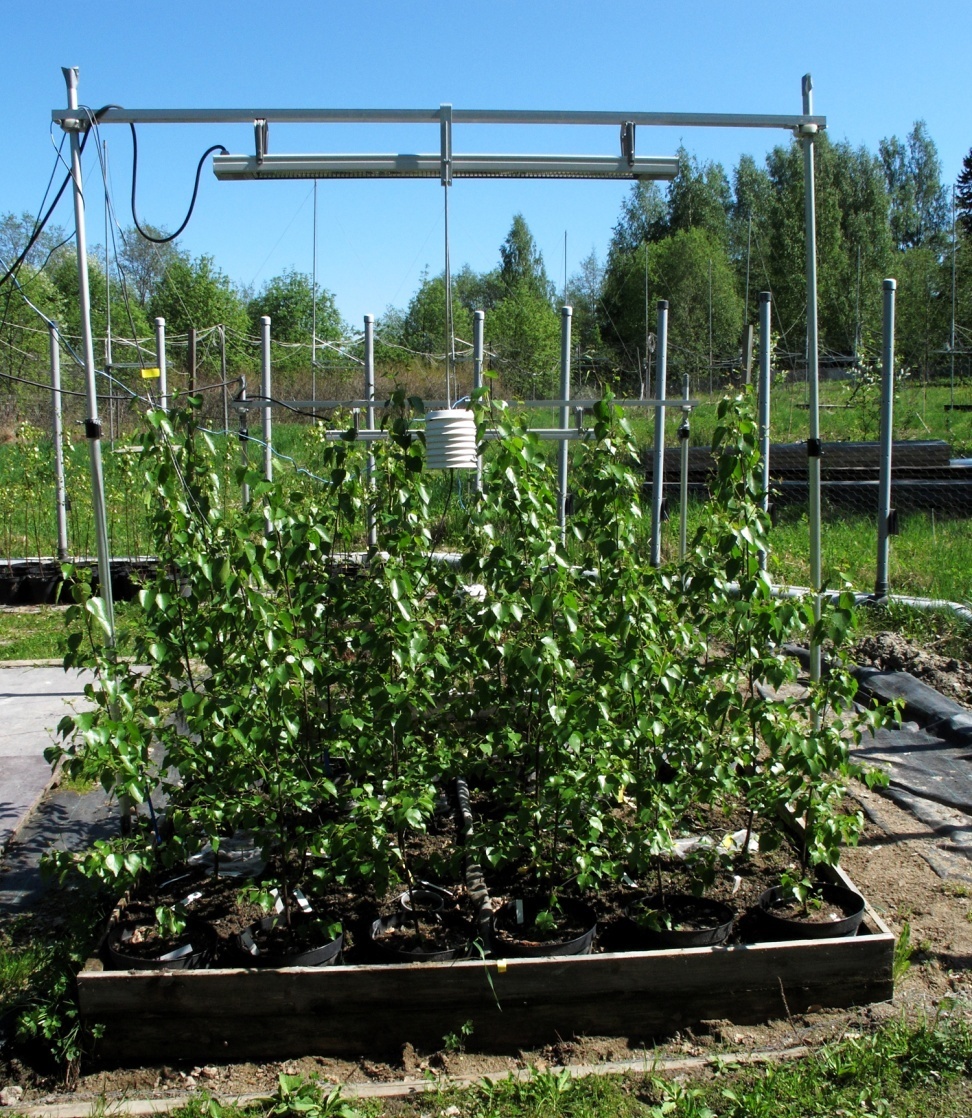
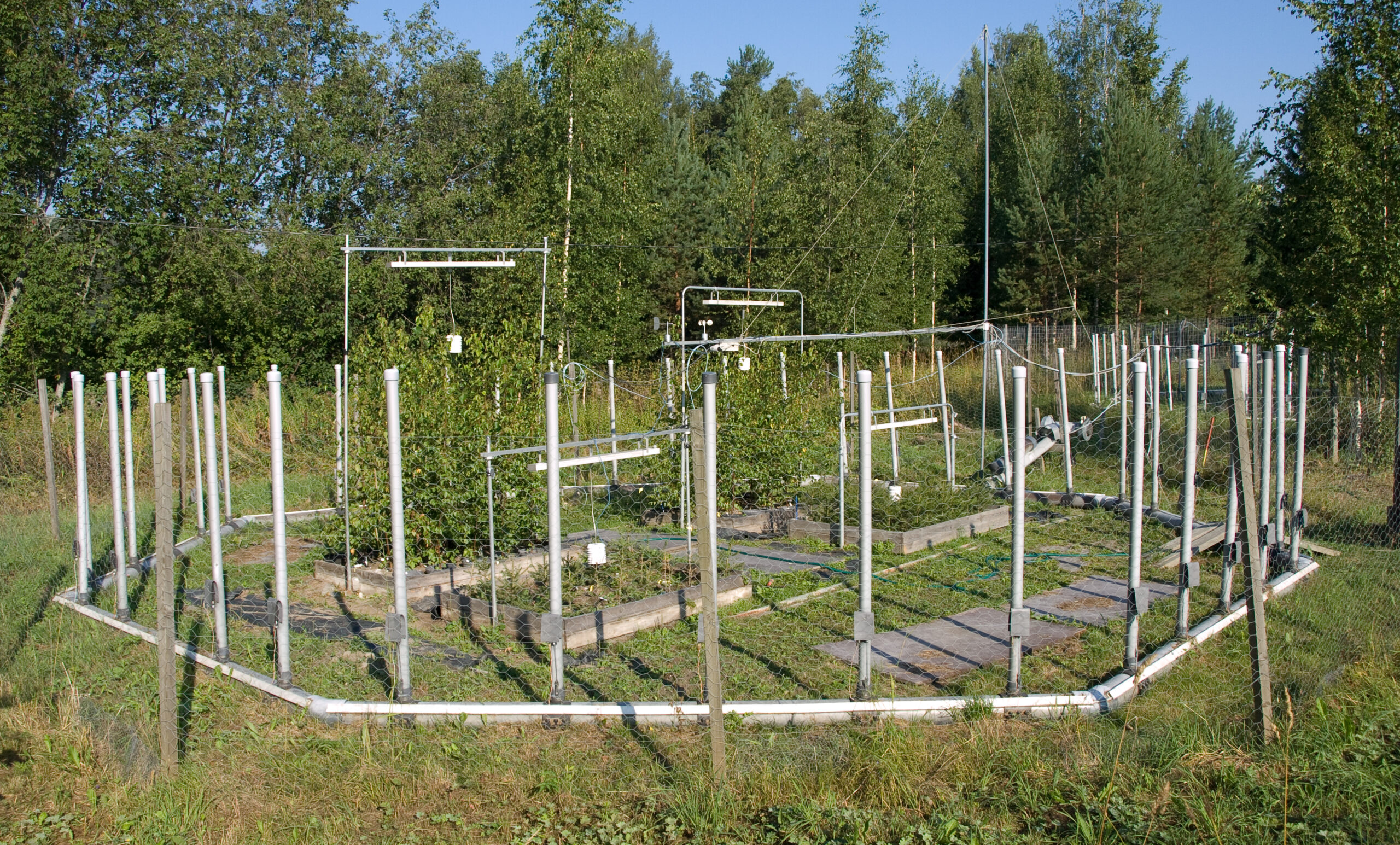
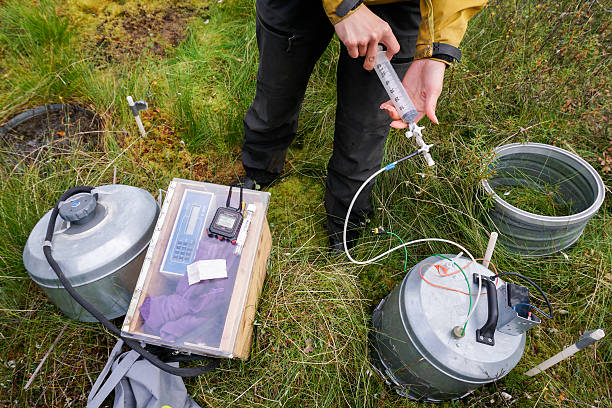
In the field, these systems are used under real outdoor conditions. During my research work, we managed infrared heater arrays in silver birch plots to simulate a +0.9°C warming treatment.
The goal was to create a small and realistic temperature increase that reflects expected climate warming trends. This helped observe how trees, soil, and microbial activity respond to slightly warmer conditions while keeping the ecosystem fully natural and undisturbed.
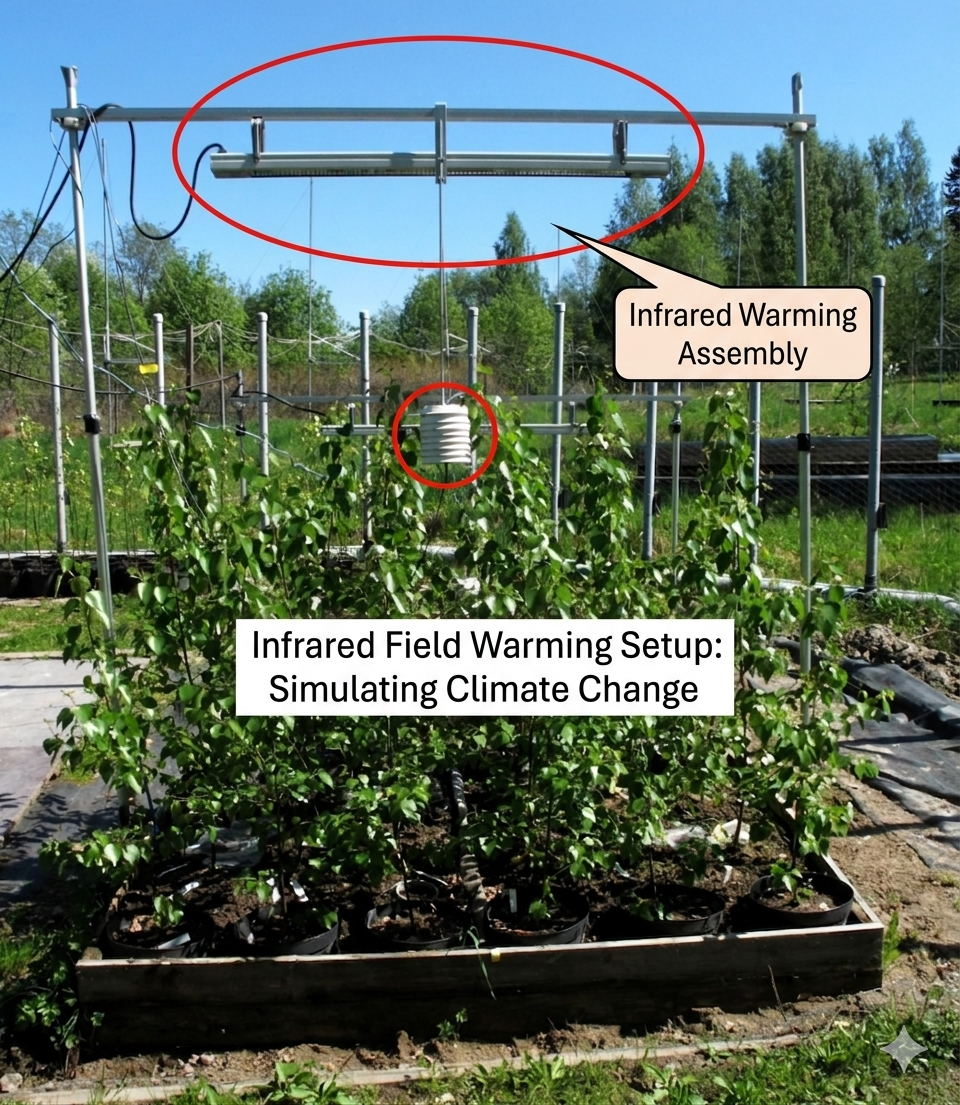
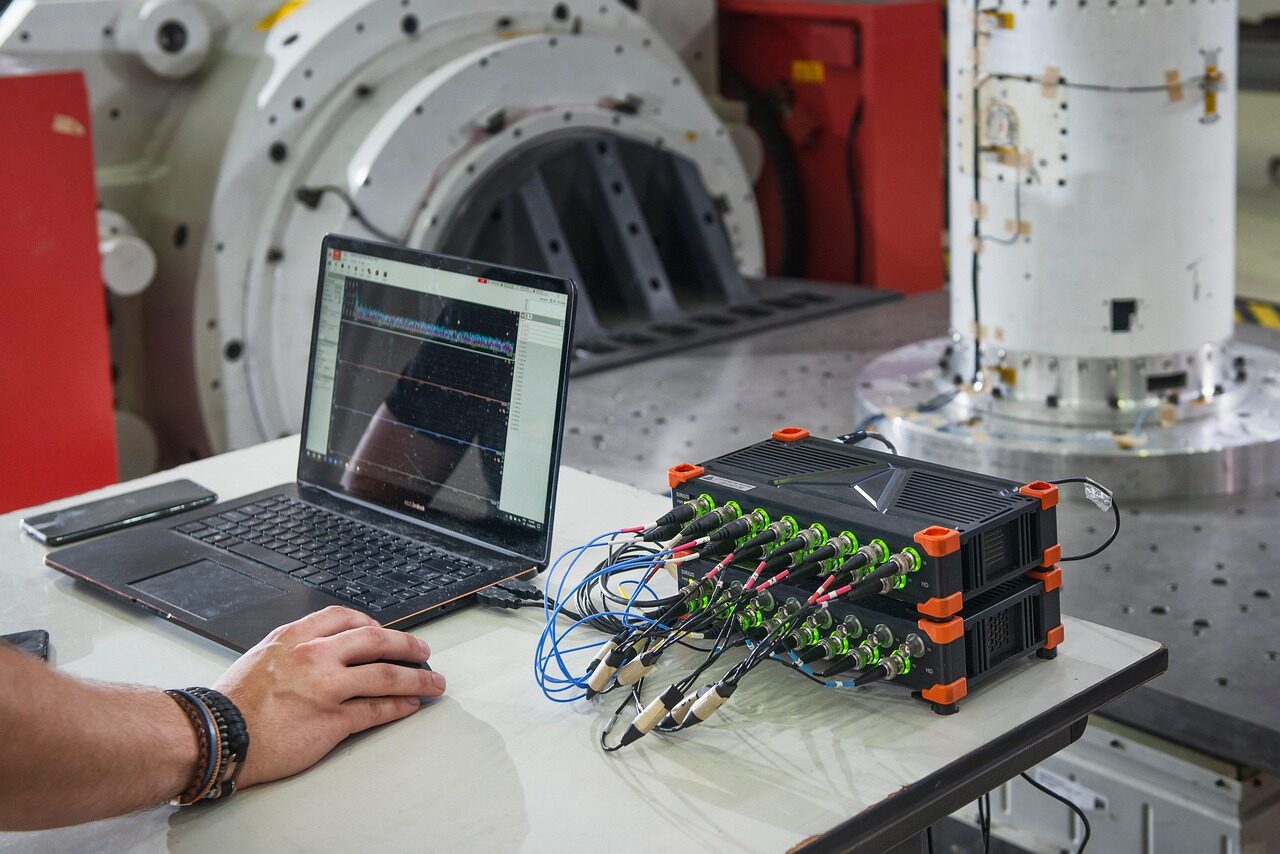
The system uses a feedback loop to control temperature. A PID controller receives readings from the infrared sensor and adjusts heater output continuously. When conditions change, such as wind or cloud cover, the system reacts within seconds to maintain a stable warming target.
From Research Plots to Your Garden
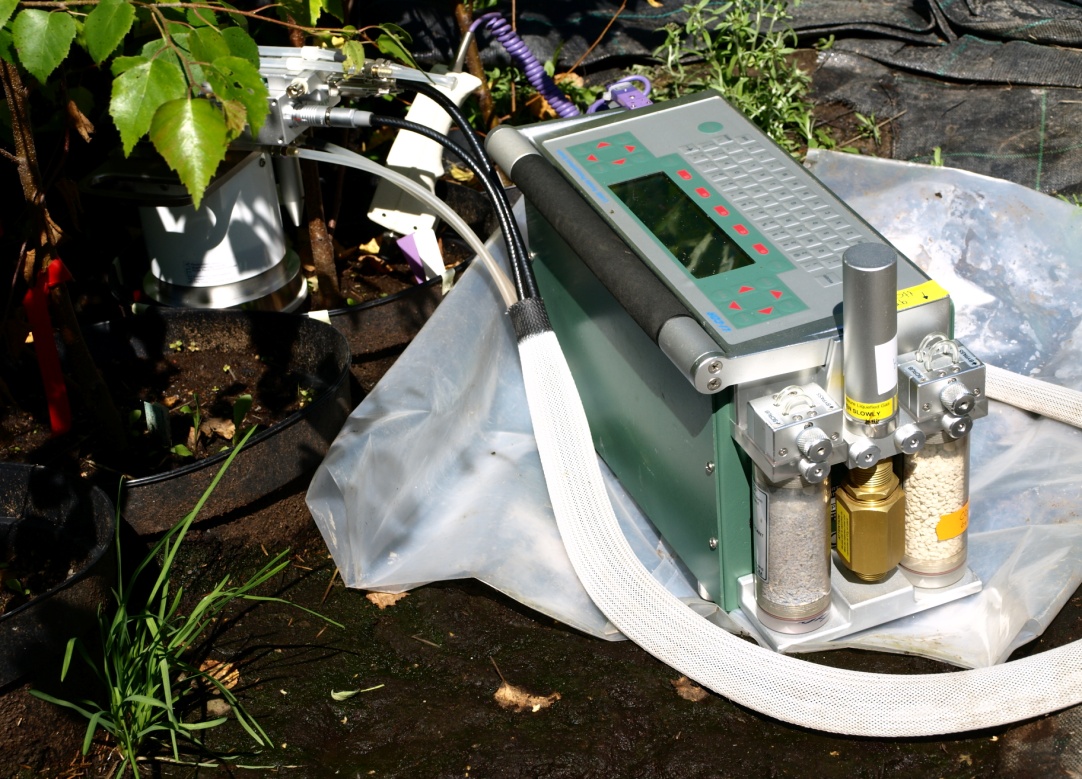
During my research work, these infrared heater systems were part of large field setups. Everything was controlled, measured, and logged. But at some point, I started thinking this is not just for research plots.
You might be wondering: where would this actually be useful outside a study?
The answer is simpler than it sounds. The same idea applies anywhere you want to control surface temperature.
Research and Academic Use
In research, systems from companies like METER Group and Campbell Scientific are used to manage heating and data collection.
These setups are built for long-term field use. In my case, the heaters ran through changing weather, wind, rain, and temperature swings and still held a steady warming level. That stability is what makes the data reliable.
Home and Garden Use
Now scale that idea down.
You don’t need a full research setup to use the same principle.
For example, if you’ve ever lost plants to a sudden cold night, you already know the problem. Air temperature drops fast, but what really affects the plant is the surface temperature.
A small infrared heater placed above plants can help keep that surface just warm enough to avoid damage.
I’ve also seen how warming soil even slightly can change how quickly things start growing. In research, that meant earlier microbial activity. In a garden, it can mean faster seed germination in early spring.
Some home systems follow the same concept. They are simpler and less precise, but they still deliver heat directly to the soil and plants instead of wasting energy on the air.
Limitations: What to Watch For
From my experience, there are a few things people often overlook.
One is uneven heating. In field plots, if one plant grew taller than the others, it would take most of the heat. The smaller plants below stayed cooler. The same thing can happen in a garden.
Another is depth. These heaters mostly warm the surface. Deeper soil layers stay cooler, so roots may not feel the same effect.
And then there is water. As soon as you add heat, you increase evaporation. In our field setup, this meant we always had to track soil moisture. Without that, you are not just testing heat, you are also creating dry conditions without realizing it.
Summary
Infrared heaters are simple devices, but they allow controlled warming of soil and plant surfaces under real outdoor conditions. Instead of heating the air, they deliver energy directly to the surface layer where most biological activity occurs.
In environmental monitoring, this makes them useful for simulating small temperature increases and observing how soil processes, microbes, and plants respond over time. The setup can run continuously and stay stable even when weather conditions change.
From my field experience, surface temperature often explains changes that air measurements miss. This is why infrared heating is used in many open-air experiments.
For anyone working with environmental data, these tools provide a direct way to study warming effects at the level where soil and plant responses begin.
FAQs
Do infrared heaters produce carbon monoxide?
No. Infrared heaters used in research are electric, so they do not burn fuel. This means they do not produce carbon monoxide or add extra CO2 to your setup.
Are infrared heaters safe for plants?
Yes, if installed correctly. Distance is important. In our field setup, heaters were placed about 1.2 meters above the plants. If they are too close, leaves can get damaged from too much heat.
Can I leave an infrared heater on all night?
Research systems are built to run continuously. For home use, check that your heater is rated for outdoor use and that your electrical setup can handle long operation.
How do infrared heaters work?
They send out infrared radiation that heats surfaces directly, such as soil and leaves, instead of heating the air first.
Are infrared heaters safe for outdoor use?
Yes, as long as they are designed for outdoor conditions and installed properly with safe spacing.
Can infrared heaters cause fires?
They are generally safe, but there is risk if they are placed too close to dry plants or other flammable materials.
Can infrared heaters be used indoors?
Some models can be used indoors, but you must follow the manufacturer’s safety instructions.
Are infrared heaters energy efficient?
They can be efficient because they heat only the target area instead of the surrounding air.
Can infrared heaters help plants grow?
They can protect plants from frost and help maintain stable temperatures, especially in early spring or cold nights.
What are infrared heaters used for in soil research?
They are used to simulate small temperature increases so researchers can study how soil, microbes, and plants respond to warming.