


How much water is actually in your soil and what is it really telling you about carbon, plants, and ecosystem health?
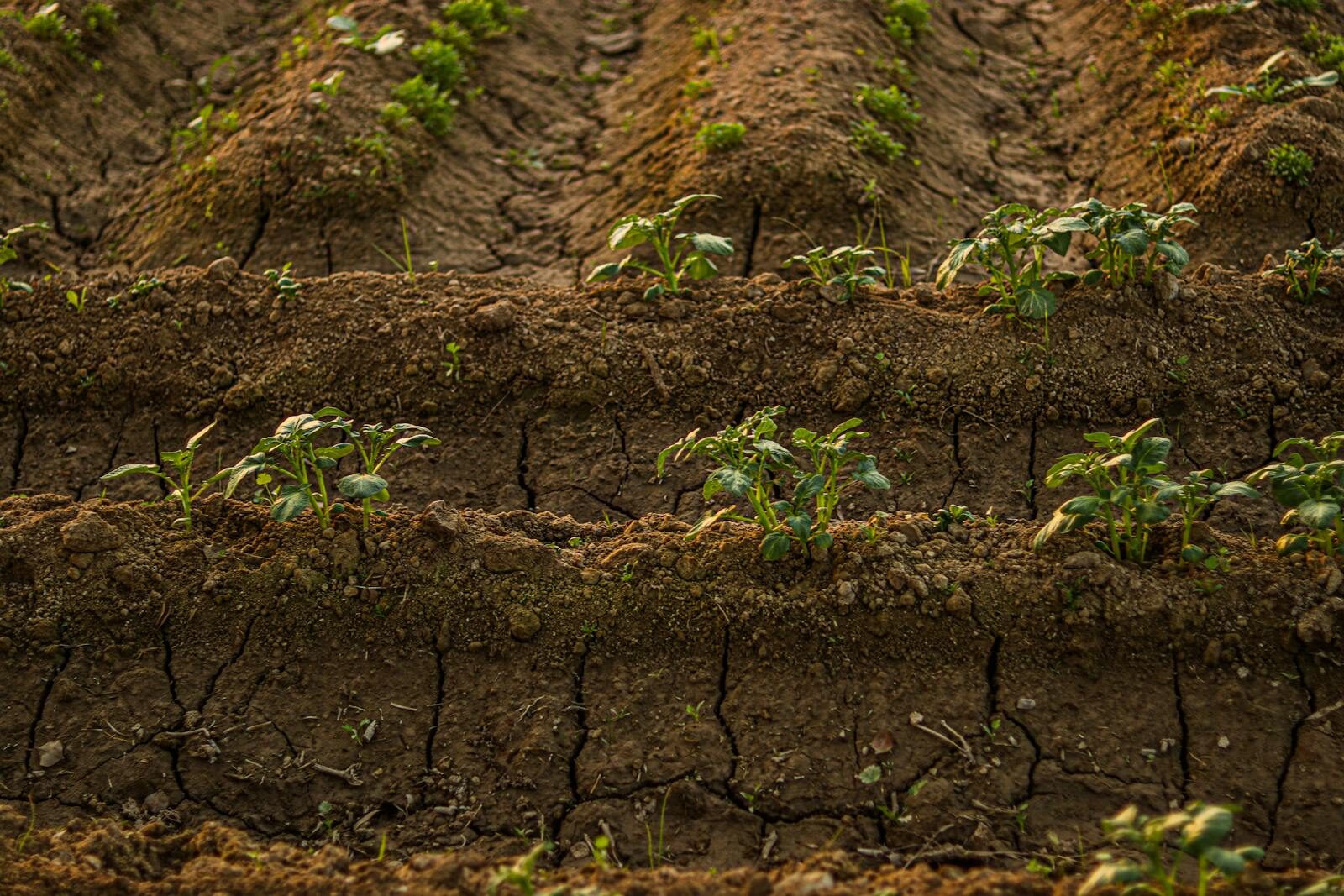
Most people focus on temperature when thinking about soil processes. But in real field conditions, temperature alone explains very little. Soil moisture is the variable that determines whether biological activity accelerates, slows down, or completely stops.
Whether you are working in a forest ecosystem or managing a garden, the key metric is not whether soil feels “wet” or “dry
Why Moisture Drives Carbon Cycling
Soil moisture is a primary control of carbon cycling in soils, determining how and when carbon is released back into the atmosphere.
At the core of this process are soil microbes. These organisms drive CO₂ efflux through respiration, but their activity depends strongly on water availability. Without sufficient moisture, microbial processes slow down or stop entirely.
There is also a clear threshold effect. When soil dries beyond a certain point, respiration declines sharply, even if temperatures remain optimal. Heat alone cannot sustain carbon flux without water.
This is why accurate measurement is essential. While simple handheld meters can provide rough estimates, meaningful monitoring requires continuous data from calibrated sensors such as capacitance or TDR systems connected to data loggers.
Across all applications, from field experiments to gardens and managed landscapes the objective is consistent: maintaining conditions that support stable biological activity and reliable interpretation of soil carbon dynamics.
How Professional Soil Moisture Sensors Work
When you search for soil moisture tools, you’ll see everything from $10 probes to $1,000 scientific arrays. In the world of Soil and Carbon Tools, we focus on Dielectric Sensors.
The Science of Measurement
These sensors don’t “feel” wetness like your skin does. Instead, they measure the soil’s ability to hold an electrical charge. Because water has a much higher dielectric constant than air or minerals, the sensor can calculate the VWC based on how an electrical signal travels through the earth.
The Three Main Tool Technologies
-
Capacitive Sensors: These are my personal favorites for long-term use. They are incredibly durable because the electrodes are protected by a coating. They don’t corrode, which is a huge plus.
-
TDR (Time Domain Reflectometry) Probes: The “Gold Standard.” These send a pulse along metal rods. They are the most accurate but also the most expensive. You’ll usually see these in high-level research papers.
-
Resistive Sensors: Avoid these for serious work. They measure resistance between two pads, but the pads corrode quickly in damp soil. They are okay for a one-off science project with the kids, but not for your carbon data.
Real-World Application
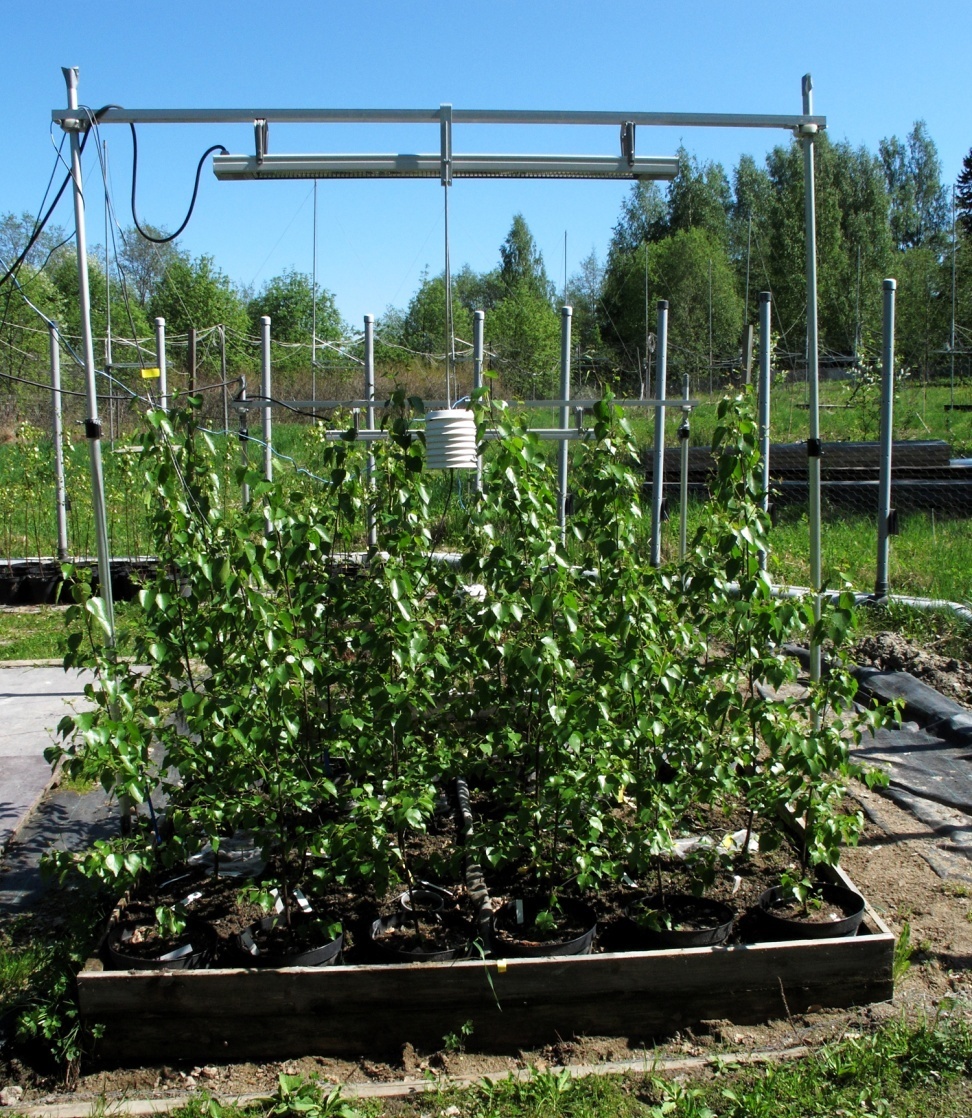
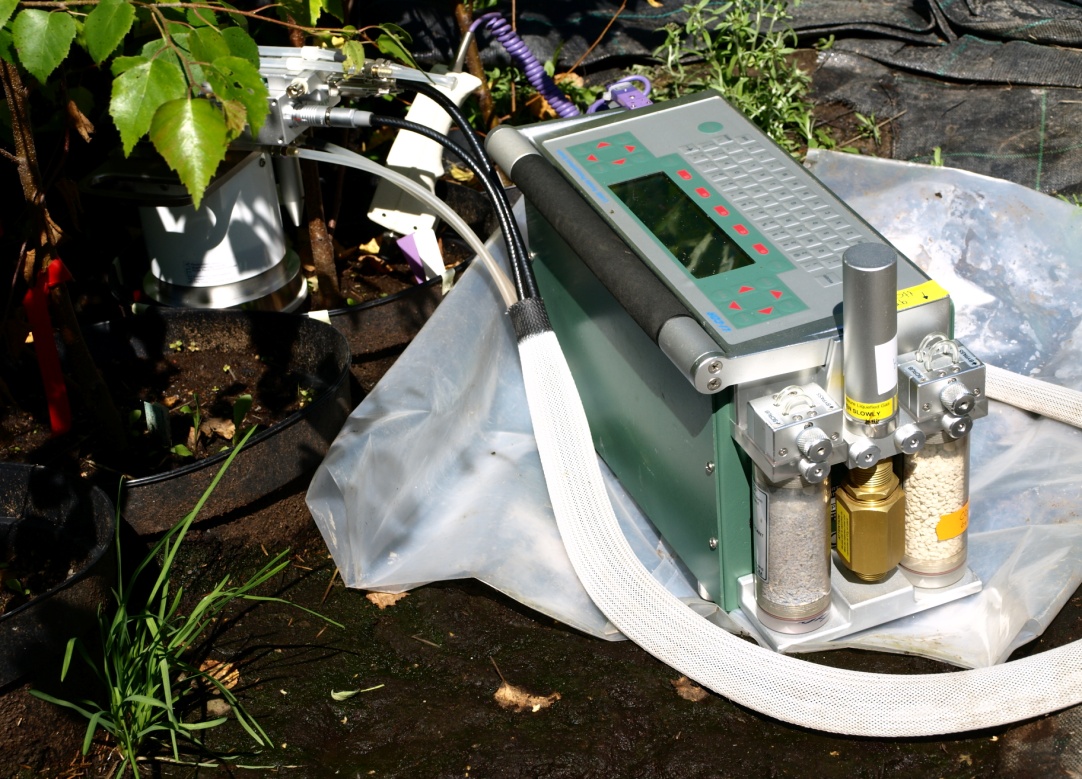
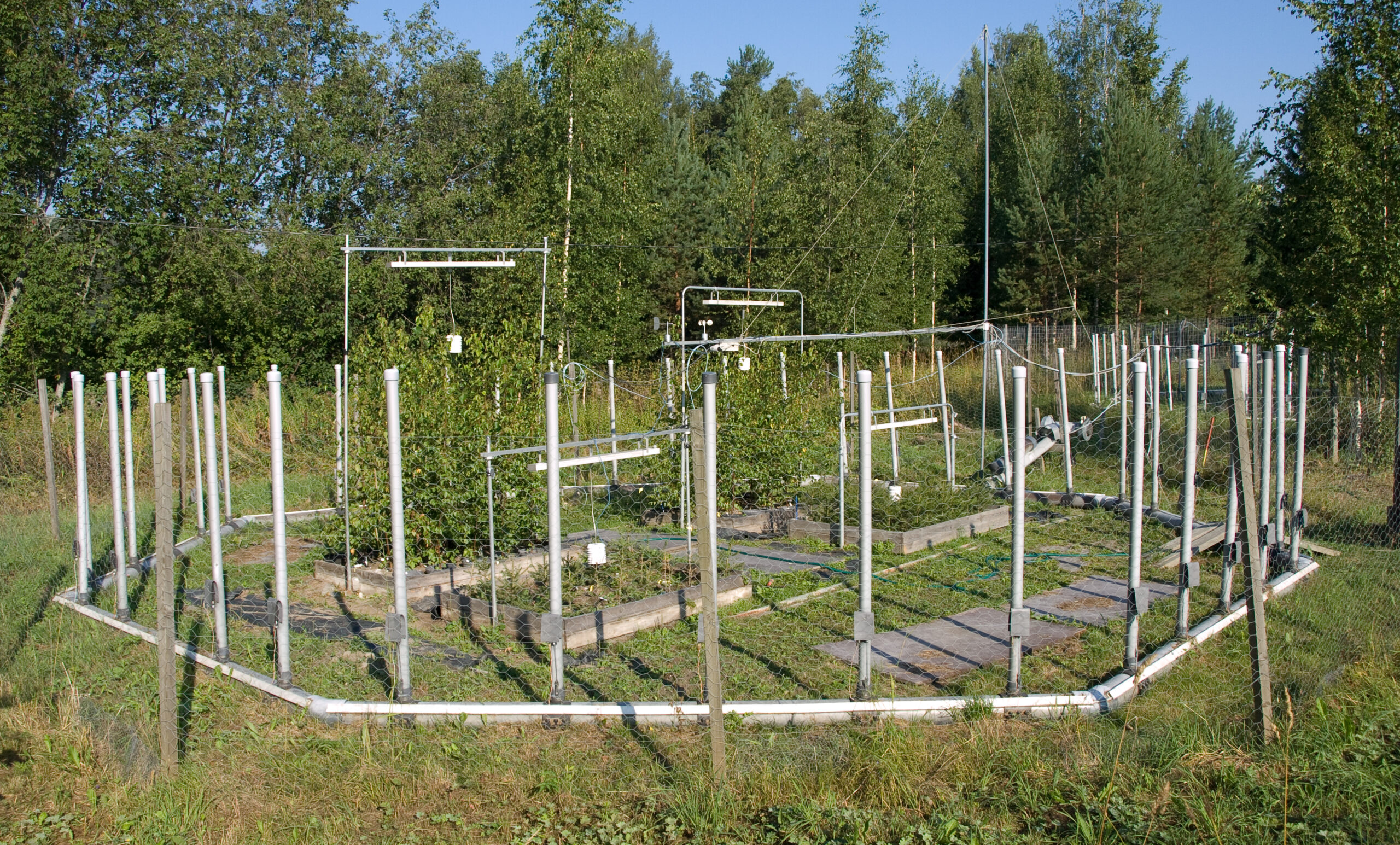
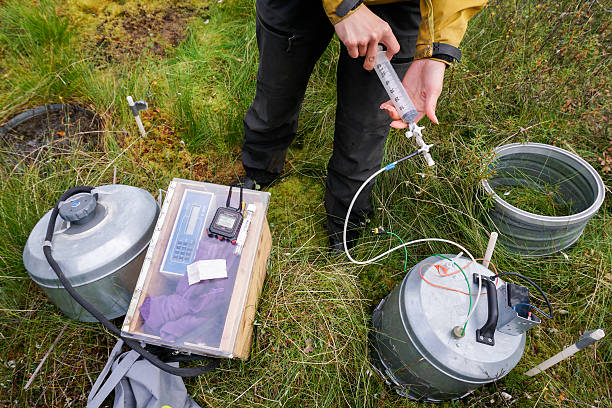
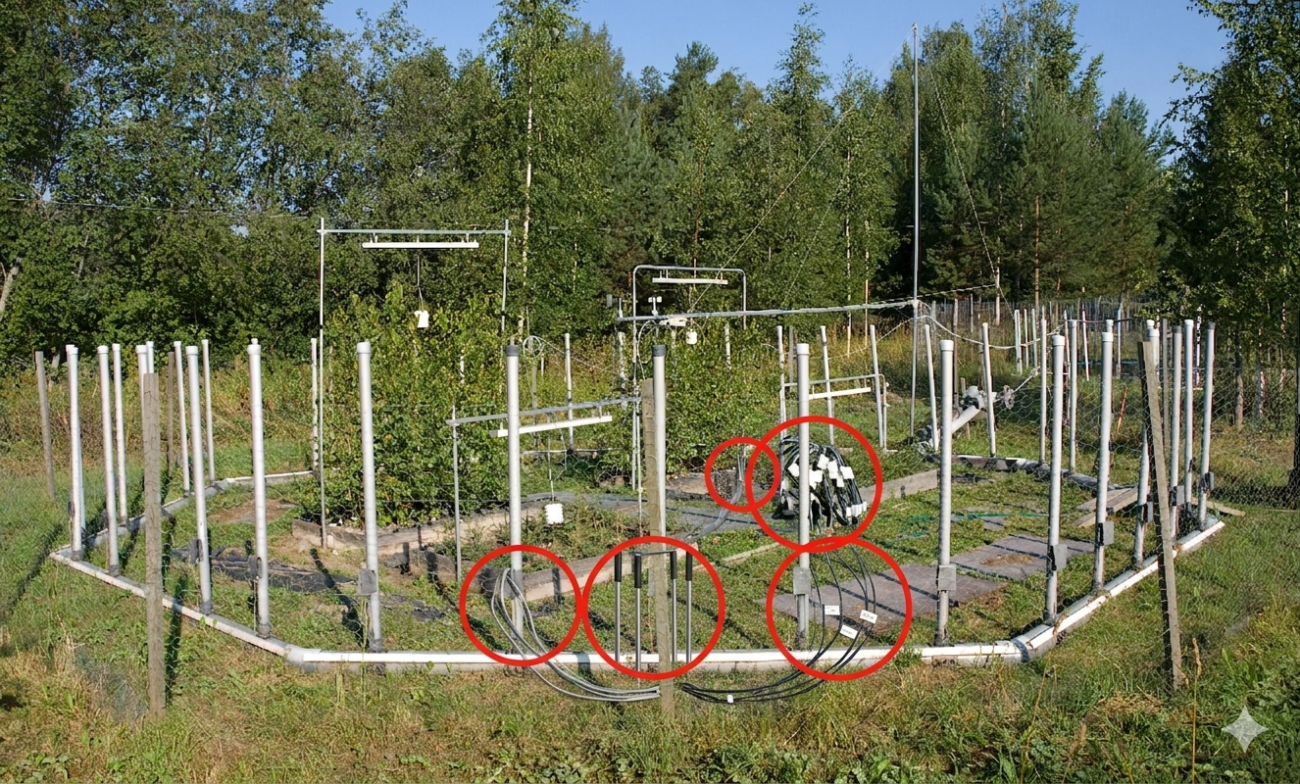
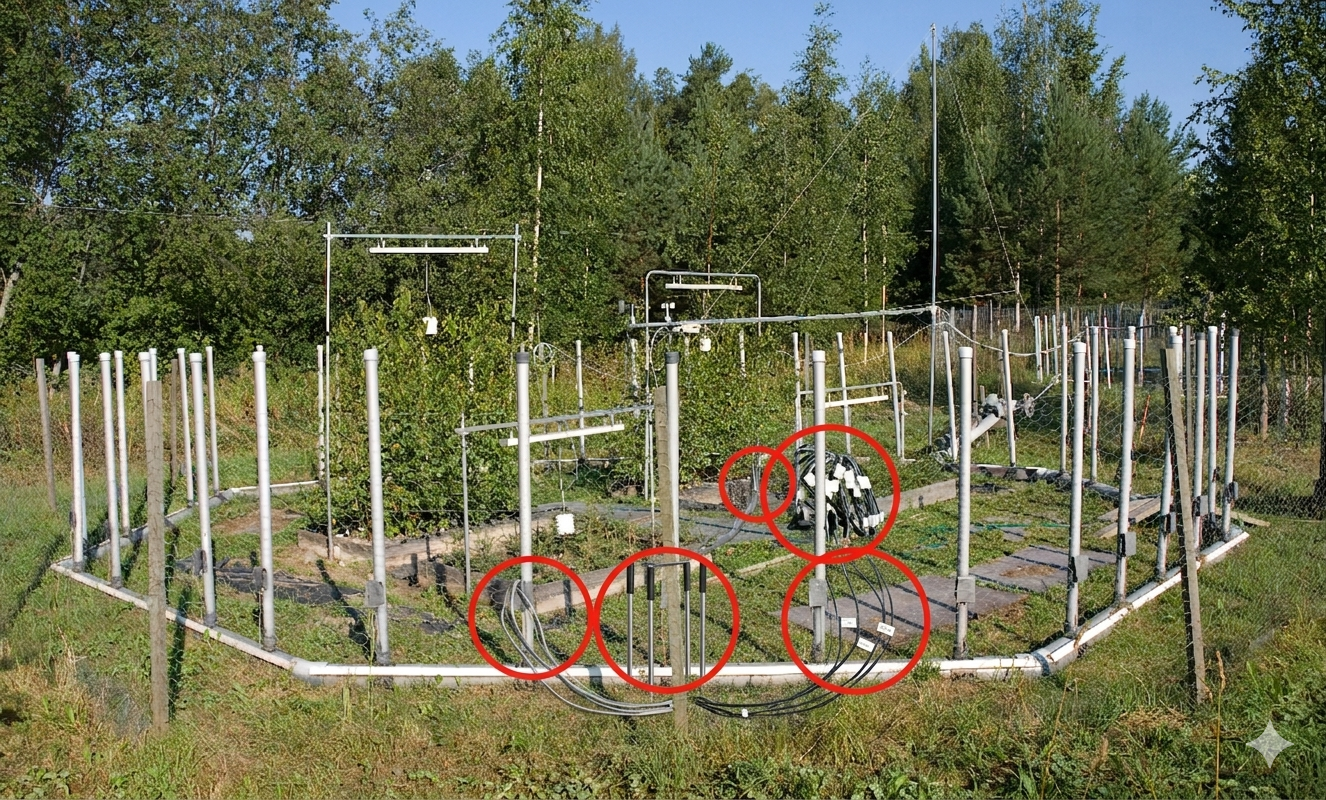
In real field conditions, things are rarely as clean as they seem on paper. During my research, I worked with monitoring systems in silver birch plots, tracking soil moisture, temperature, and CO₂ flux at the same time.
Over time, I started to see patterns that weren’t obvious at first. One of the most important was what I call the drought threshold. When our warming treatment dried the soil too much, soil respiration didn’t just slow down, it dropped sharply. The microbes basically went quiet because there wasn’t enough water for them to stay active.
That was a main lesson for me: higher temperature doesn’t always mean more carbon release. If the soil is too dry, the system stops responding. In simple terms, heat without water shuts things down.
From Research Plots to Your Garden: Tools at Different Scales
One thing I find interesting is how the same technology we used in field research is now available for everyday use. The goal is always the same: understanding how much water is in the soil. Only the tools change depending on where you use them.
Research and Field Experiments
In research settings, we use systems from companies like METER Group and Campbell Scientific.
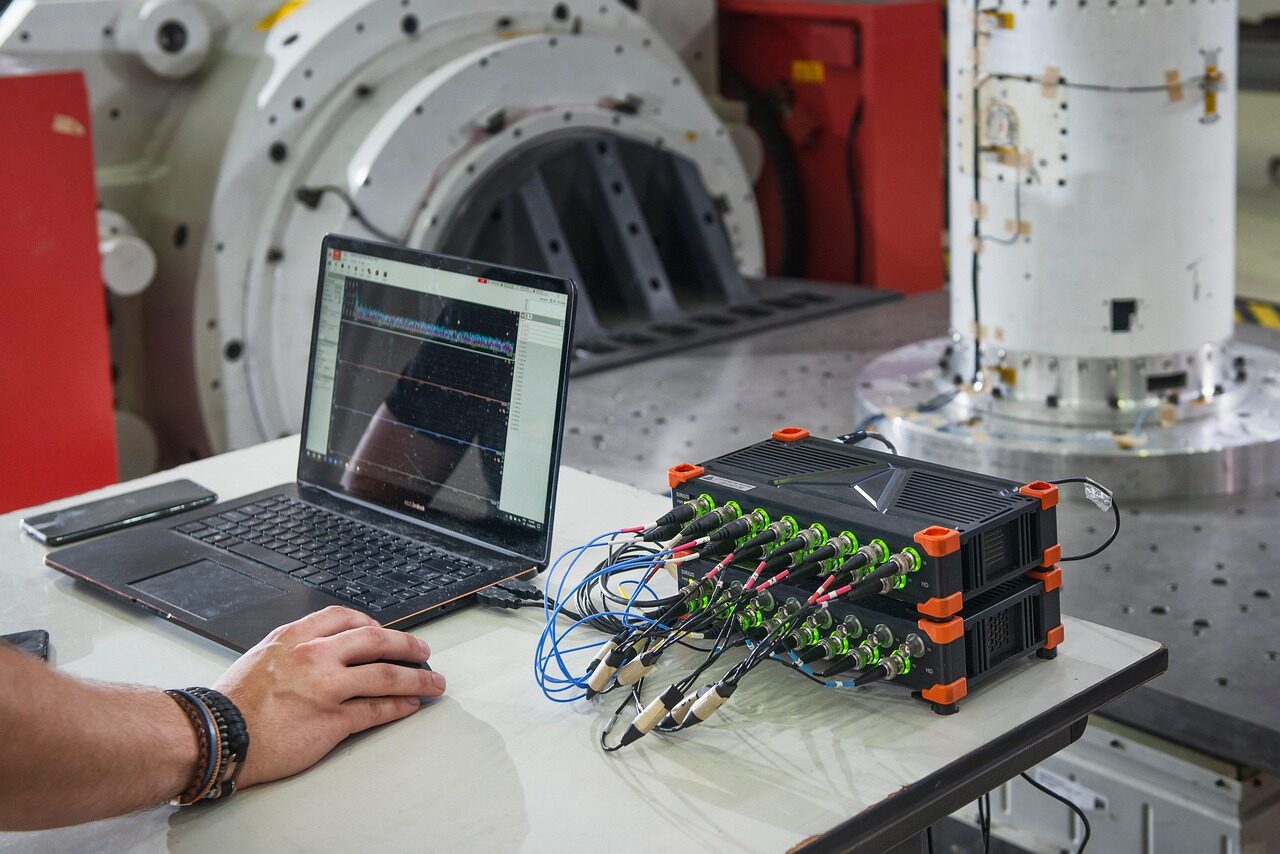
These sensors are built for long-term use. They can stay in the soil for years and still give stable data. They are connected with cables to a central data logger, which records measurements continuously.
This is the type of setup I worked with in my field experiment.
Agriculture
In farming, the goal is to manage water efficiently.
A common tool is the “Drill & Drop” probe, like those from Sentek.
These probes measure moisture at multiple depths in one tube. This helps farmers see how water moves through the soil and decide when irrigation is actually needed.
Home and Garden
For everyday use, there are now simple and affordable options.
Brands like Ecowitt or Govee offer wireless sensors that connect to your phone.
Some systems, like Rachio, even control irrigation automatically based on soil moisture and weather.
These tools are not as precise as research sensors, but they are very useful for avoiding overwatering or drought stress in gardens.
At any level research, farming, or home use, the main question is the same:
Is there enough water in the soil for plants and microbes to function properly?
Placement Strategy: Getting Reliable Data
No matter what sensor you use, placement is critical. You cannot just insert it anywhere and expect useful data.
A simple way to think about this is to measure at different depths:
5 cm (surface layer) → where evaporation and microbial activity are strongest
20 cm (root zone) → where plants take up most of their water
50 cm (deeper layer) → shows stored water during dry periods
If you only measure one depth, you miss part of the picture.
Data Interpretation: What the Numbers Actually Mean
Soil moisture data only makes sense when you look at it together with temperature.
From my field data, the pattern was clear:
High temperature + enough moisture → high biological activity
High temperature + low moisture → activity drops
When soil gets too dry, microbes slow down or stop. This means soil respiration (CO₂ release) also drops, even if the soil is warm.
Another pattern is what happens after rain. When dry soil gets wet again, microbial activity quickly increases, and CO₂ release spikes. This is often called the Birch effect.
Summary
Soil moisture sensors help you understand what is happening below the surface.
In my experience, they often explain changes in soil respiration better than temperature alone. They show when the system is active and when it is limited by water.
If you are starting out, a good capacitive sensor is a practical choice. It gives reliable data without being too complex.
Once you start tracking soil moisture, you begin to see patterns that are otherwise invisible, and that changes how you understand both soil and plant systems.
FAQs
Are soil moisture sensors accurate?
Yes, if you use good-quality sensors. Research-grade sensors are very accurate. Cheap analog meters are less reliable.
Are sensors digital or analog?
Both exist. Digital sensors are more stable for long-term use. Analog sensors are simpler and often used in small-scale setups.
Can sensors stay in the soil all year?
Professional sensors can. Cheaper ones may not last long if left in wet or frozen soil.
What is the best sensor to use?
It depends on your goal:
Research → high-end sensors like those from METER Group
Farming → multi-depth probes like Sentek
Home use → simple wireless sensors like Ecowitt