




Measuring tree height is one of the most fundamental tasks in forestry, ecology, and environmental research. Whether the goal is to assess growth, estimate biomass, or monitor environmental change, height remains a key variable that helps describe how trees develop over time.
There are many ways to measure tree height. For tall trees, researchers often rely on clinometers, laser rangefinders, or trigonometric methods. For quick estimates, simpler techniques such as smartphone apps, sticks, or shadow methods are sometimes used. However, when working with small trees, these approaches are unnecessary.
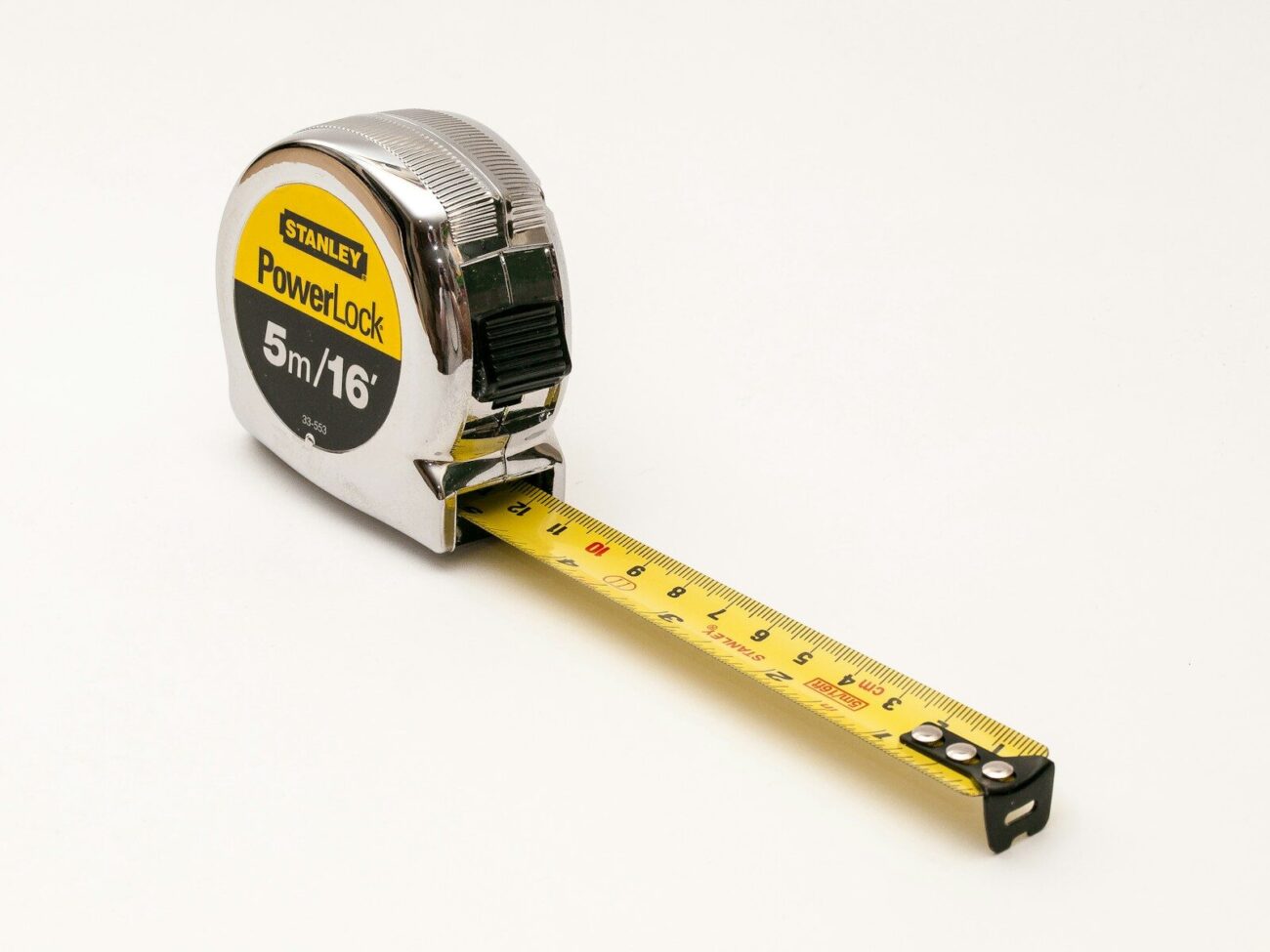
For saplings and young trees, the most accurate method is also the simplest: using a measuring tape.
Why Use a Measuring Tape?
A measuring tape allows for direct measurement, meaning the height is recorded exactly as it is, without relying on angles, estimates, or assumptions. You measure from the base of the tree to its highest point.
Because of this, the method is highly accurate for small trees, easy to use in the field, and reliable for repeated measurements over time. Its only limitation is practical, the tree must be short enough to reach.
The Basic Field Method
The method itself is straightforward, but it should be carried out carefully. Measurement begins at the base of the tree, exactly where the stem meets the soil. From there, the tape is extended upward along the main stem, following the tree’s natural vertical growth.
The measurement is taken at the apical bud, which represents the highest living point of the tree. Side branches are not included, as they do not reflect true height. Once measured, the value should be recorded immediately before moving to the next tree.
Consistency: The Key to Reliable Data
While the method is simple, consistency is what makes the data meaningful. Even small differences in technique can lead to misleading conclusions, especially when measurements are repeated over time.
To maintain reliability, measurements should always begin from the same base point and follow the same vertical path along the stem. Using the same measuring tape throughout reduces variation, and handling the tree gently prevents bending that could affect the reading.
In repeated measurements, consistency matters more than perfection. A slightly imperfect measurement taken consistently is far more valuable than a precise one taken inconsistently.
Dealing with Uneven Terrain
Field conditions are rarely ideal, and trees often grow on slopes or uneven ground. In these situations, the base of the stem should always be used as the reference point rather than the surrounding soil surface.
The measuring tape should follow the tree’s vertical axis, not the slope of the ground. It is also important not to pull the tape too tightly, especially when working with flexible saplings. These small adjustments help maintain accuracy under real field conditions.
Example from My Field Experiment
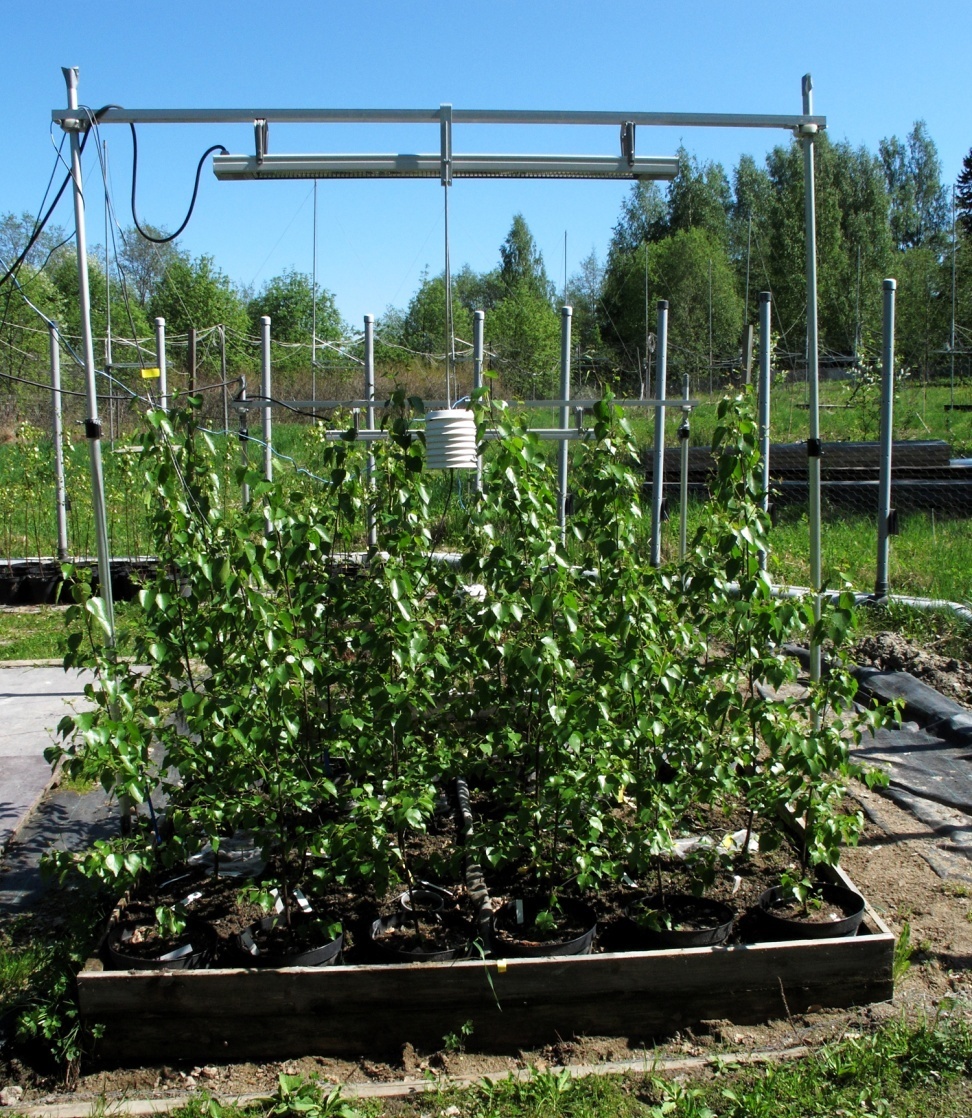
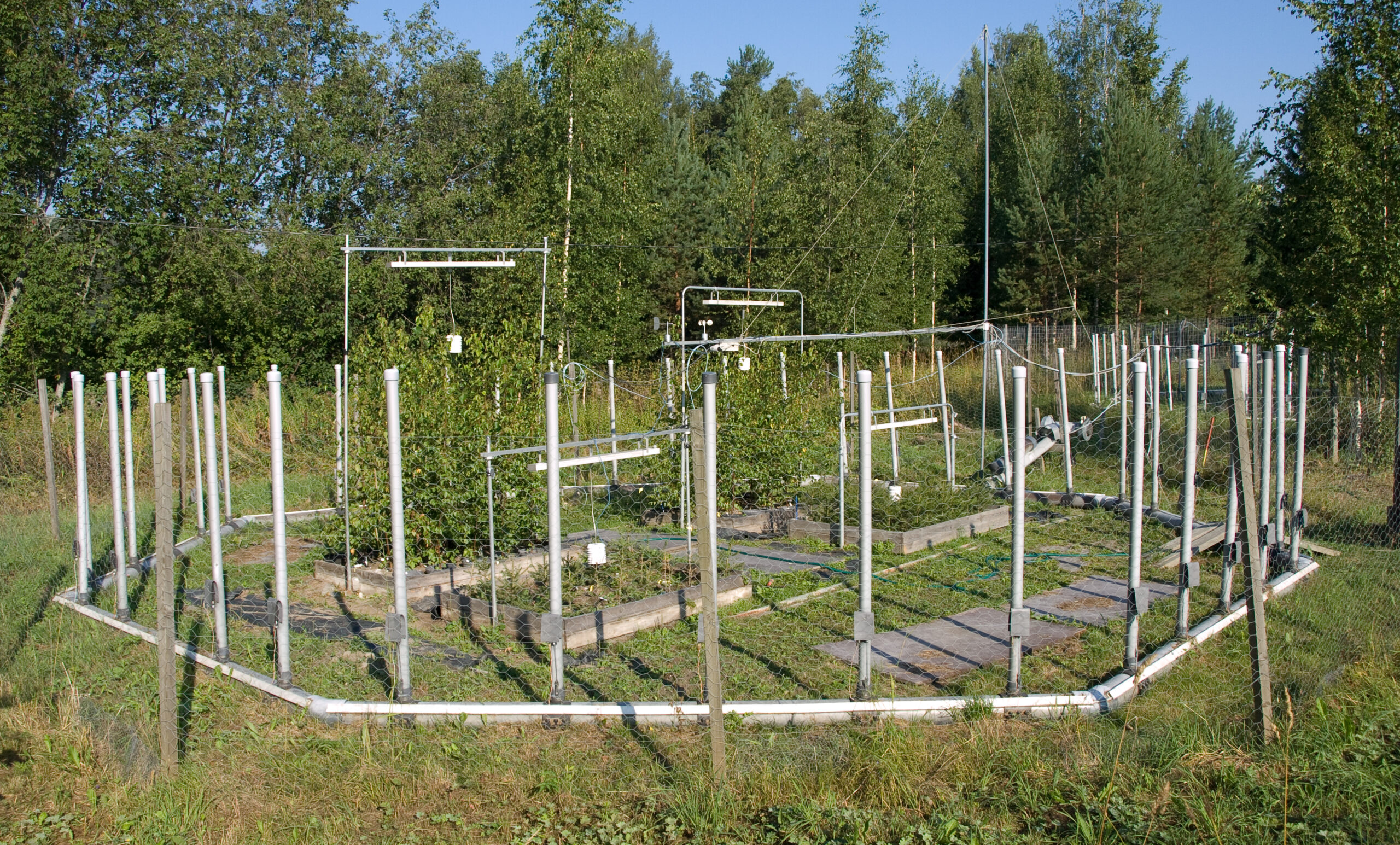
To show why measuring tree height is useful in practice, I applied this method in my field experiment using Betula pendula (silver birch) saplings.
Why I Measured Tree Height
The aim of my study was to understand how environmental factors, specifically warming and ozone exposure affect tree growth over a single growing season. Tree height was selected as a key variable because it provides a clear and responsive indicator of growth.
Height reflects biomass accumulation and responds relatively quickly to environmental changes, making it useful for comparing differences between treatments, such as warmed versus non-warmed conditions, as well as between genotypes. Because the study focused on short-term responses, repeated height measurements allowed me to track growth patterns over time.
H=stem height growth over timeH = \text{stem height growth over time}H=stem height growth over time
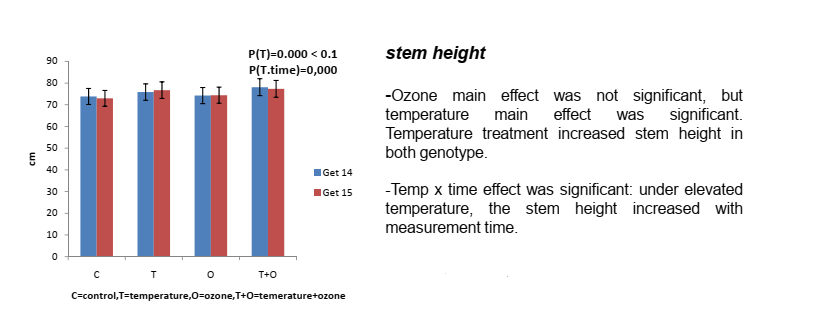
The trees in my experiment were young saplings, which made direct measurement both possible and preferable. Using a measuring tape allowed me to record height without relying on indirect methods or assumptions. This reduced potential sources of error, as there were no angle calculations, no dependence on visibility conditions, and no need for instrument calibration. In this context, a simple measuring tape provided the most accurate and practical solution.
Tree height was measured every three weeks throughout the growing season, following the same protocol each time to ensure consistency. Each measurement began at the soil–stem interface, using the same base point for every tree.
The measuring tape was extended carefully along the main stem, following its vertical growth, and height was recorded at the apical bud to ensure that only the true top of the tree was included. Saplings were handled gently throughout the process to avoid bending or disturbing them, as even small movements could affect the readings.
By repeating the same method, using the same tool, and measuring from the same reference points each time, the data remained consistent and comparable across all measurement periods.
This approach allowed me to track growth over time and directly compare how different environmental treatments influenced tree height. Although the method itself was simple, applying it in a standardized and controlled way ensured that the results were reliable and meaningful for analysis.
When This Method Works and When It Doesn’t
This method works best for young trees, short-term studies, and controlled experiments where direct measurement is possible. It becomes impractical for tall or mature trees, dense forest canopies, or large-scale surveys where reaching the top is not feasible.
In those cases, indirect methods such as clinometers, laser rangefinders, or trigonometric approaches are used instead.
Measuring Taller Trees: Clinometer (Angle Method)
When trees are too tall to measure directly, the clinometer method provides a practical alternative. This approach uses trigonometry to estimate tree height from a distance by combining angle measurements with horizontal distance.
In practice, you stand a known horizontal distance (D) from the tree and measure the angle from your eye level to the top of the tree (A). If the ground is uneven, you also measure the angle to the base of the tree (B) to correct for height differences.
H = D (tan A − tan B)
If the ground is level and the base of the tree is at the same height as your eye level, the angle to the base (B) becomes zero, and the formula simplifies to:
H = D · tan A
This method is widely used in forestry because it provides a good balance between accuracy and practicality. However, it requires careful angle measurement and a clear line of sight to both the top and base of the tree.

Summary
Measuring tree height does not always require advanced instruments or complex modelling. In many cases, especially when working with small trees or experimental saplings, a simple measuring tape provides the most direct, accurate, and reliable method available.
What matters most is not the sophistication of the tool, but the consistency and care with which it is used. Small differences in technique can accumulate into meaningful measurement error, especially in long-term studies. By applying a standardized method repeatedly, it becomes possible to generate data that are both precise and comparable over time.
In field research, precision is not only about instruments, it is about discipline in method, repetition, and attention to detail.
FAQs
Can I measure tree height with an iPhone?
Yes. Smartphone apps can estimate tree height using camera angles, but accuracy depends on calibration, distance, and conditions. They are useful for quick estimates but less reliable than professional tools.
How do I measure tree height from the ground?
Tree height can be estimated from the ground using angle-based methods such as a clinometer or smartphone app. These methods calculate height based on distance and viewing angle.
What is the most accurate way to measure tree height?
For small trees, a measuring tape gives the most accurate results. For taller trees, laser rangefinders or well-calibrated clinometers provide the highest accuracy.
How can tree height be measured without specialized tools?
Rough estimates can be made using simple geometric approaches such as shadow-based calculations or proportional comparison methods. These approaches are quick but less precise.
Why do we measure tree height?
Tree height is an important indicator of growth, productivity, and environmental response. It helps researchers understand how trees develop under different conditions.
How is tree height measured in research experiments?
In experiments, tree height is typically measured using consistent methods such as direct tape measurements for small trees or standardized instruments for larger trees. Repeated measurements are taken over time to ensure reliable comparisons as i did.