




Why looking beyond species can change how we design bioenergy systems?
When people design biomass systems (like for biofuel, forestry, or capturing carbon), they usually start by choosing the plant or tree species.
They pick things like:
fast-growing trees
crops that fit the climate
high-yield varieties
The idea is simple:
If you choose the right species and plant it in the right place, the system should work well.
But there is a hidden assumption in this idea.
It assumes that all plants of the same species are basically the same, and will grow and behave in the same way.
Well, that is not always true, even within one species, individual plants can grow differently.
In real field conditions, they don’t. Two plants of the same species, growing side by side, can produce very different outcomes. And the reason isn’t immediately visible in the soil, the weather, or the management plan. It’s genetic.
What Field Conditions Reveal That Models Don’t
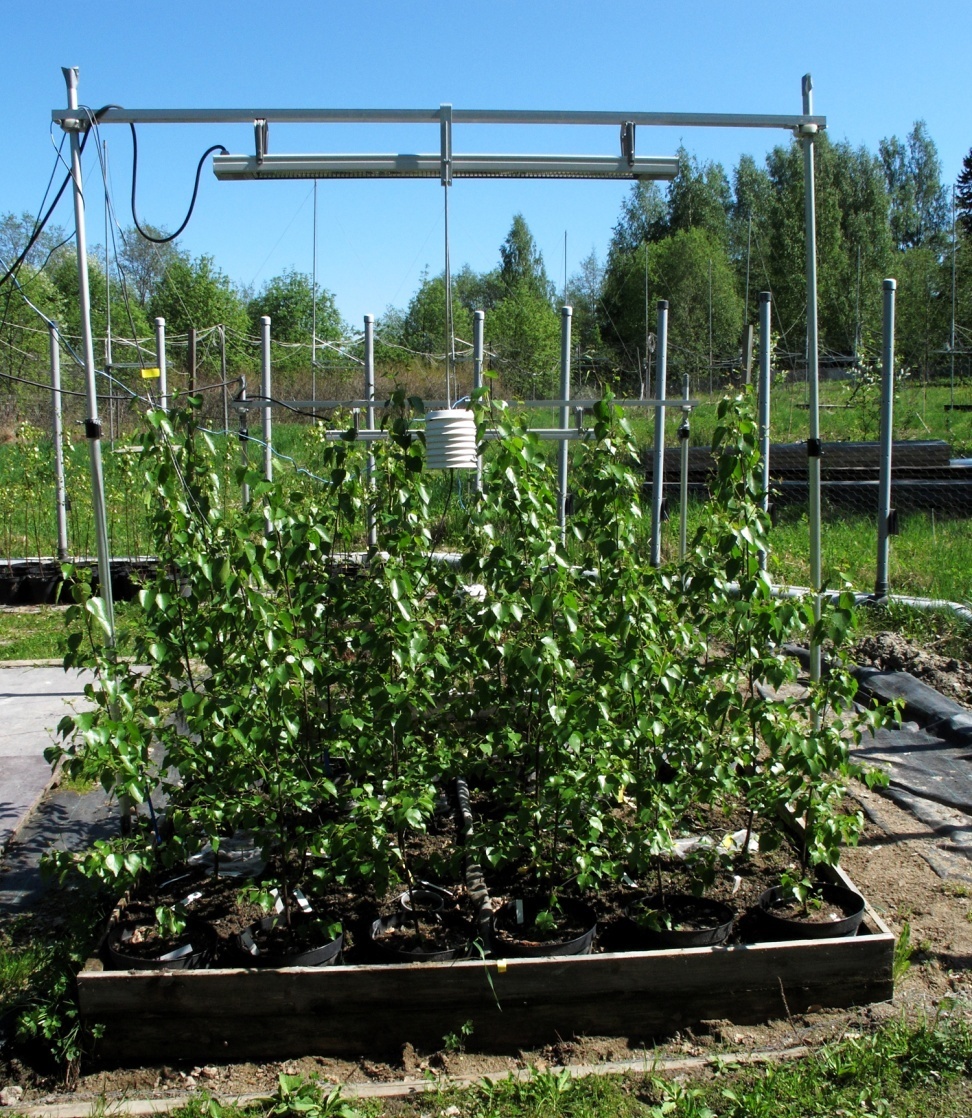
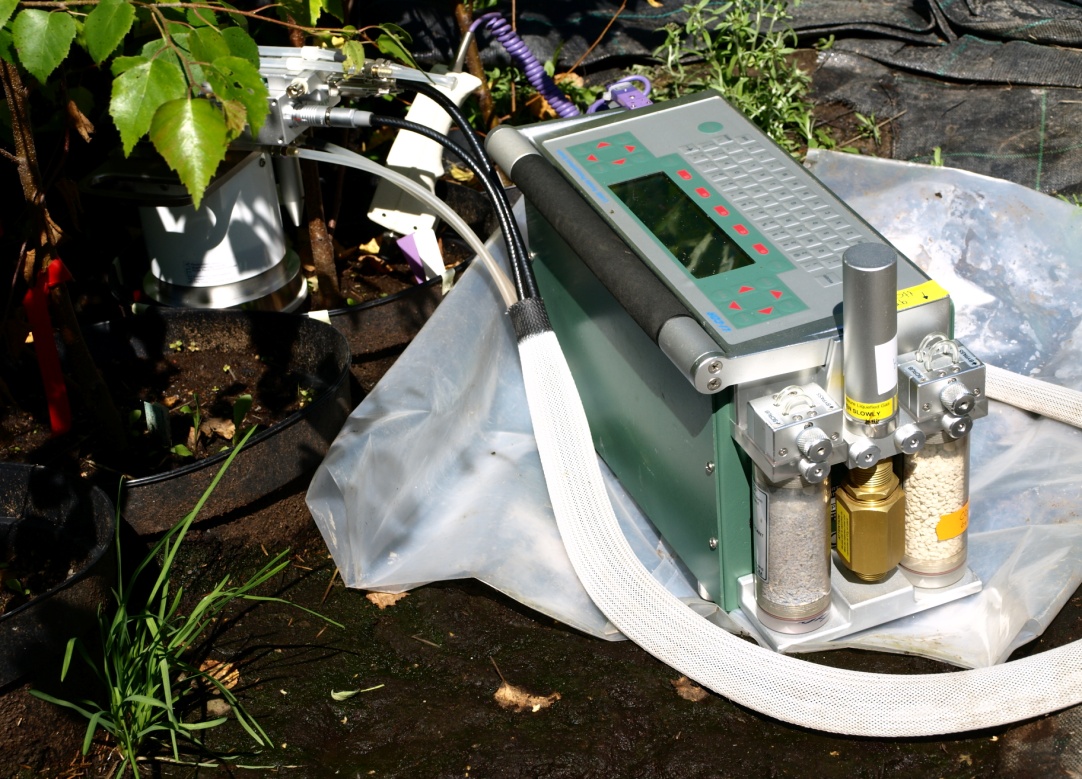
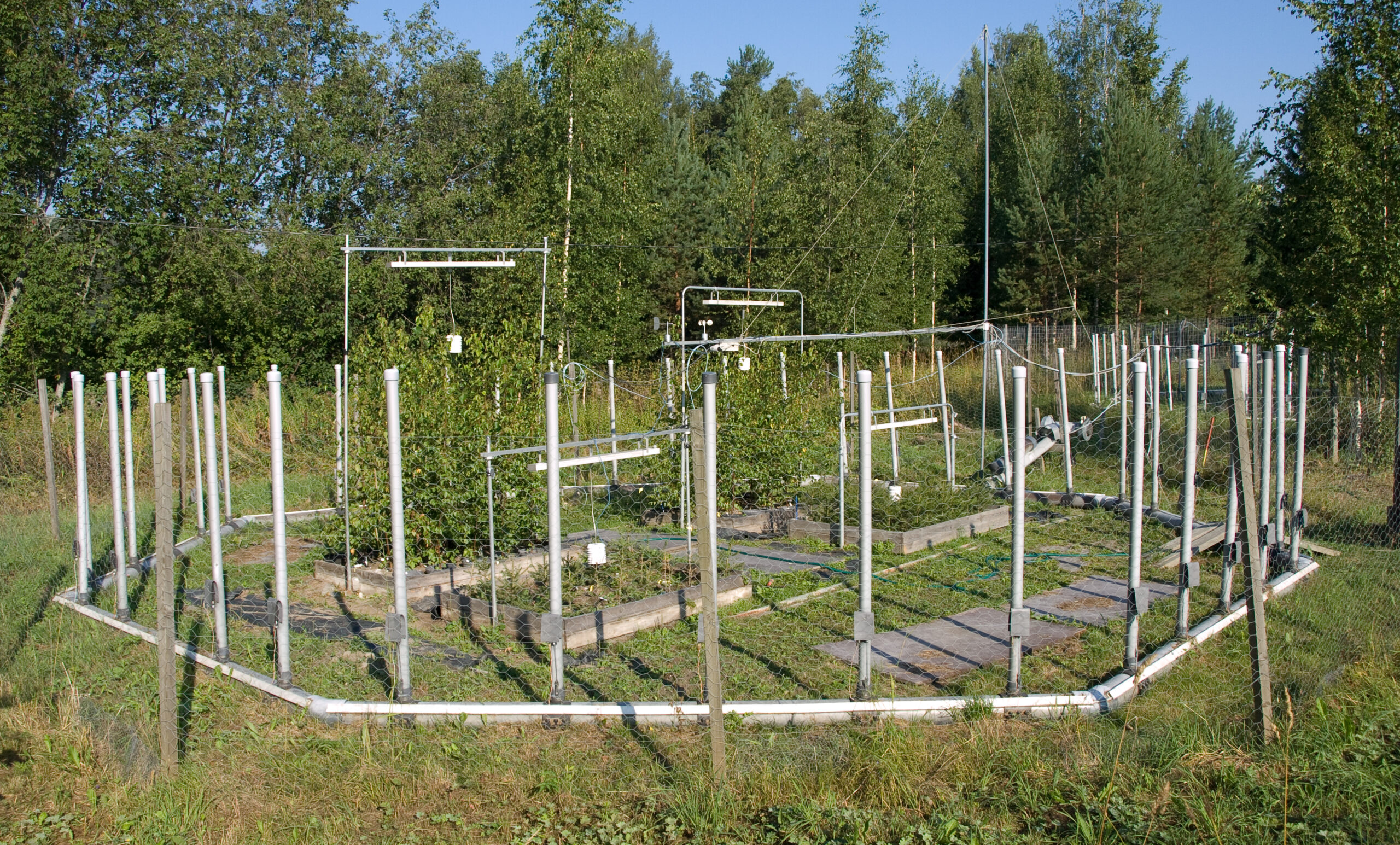
During my research, I worked in an open field where trees were grown in natural conditions, but with added warming and ozone levels that were controlled.
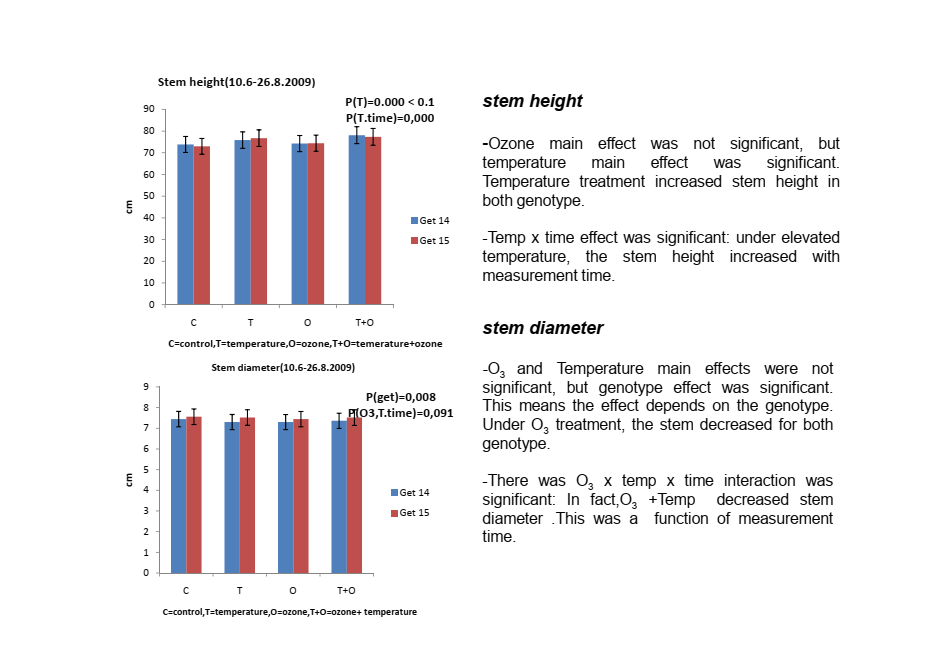
What stood out wasn’t just that growth changed under these conditions, it was that it didn’t change in the same way for every plant. Even when everything was controlled, same soil, same treatments, same timing, some individuals consistently grew faster, developed stronger stems, and maintained higher levels of activity.
How Trees of the Same Species Grow Differently
We often treat a species as if it is one single biological identity. In reality, individuals within a species behave in different ways. For instance, within a species like Silver Birch (Betula pendula), different genotypes respond to the same conditions in different ways.
One plant may invest more in leaf development and expand quickly while another may limit that expansion but maintain steadier performance under stress. One may allocate more carbon to stem growth, while another supports stronger root systems.
Over time, these small differences shape total biomass.
How Biomass Is Actually Built Over Time
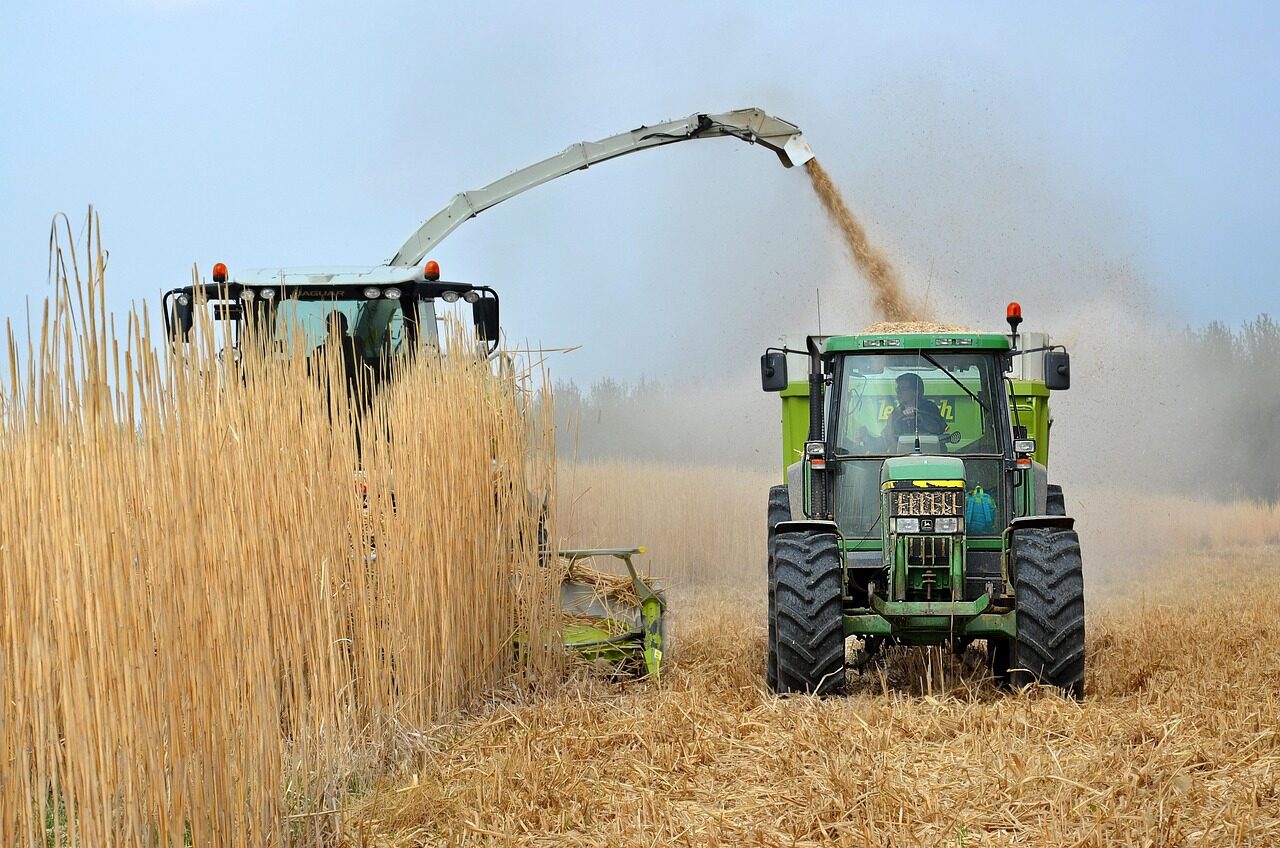
Biomass accumulation is often described as a final number, how much material is harvested at the end of a cycle. But in reality, it is built slowly over time through many small processes during the growing season.
Growth does not happen all at once. It happens step by step: a slightly taller stem, a slightly thicker base, a more active root system. Small changes in leaves, stems, and roots add up over time.
Each day, the plant captures energy, grows a little more, and adjusts to its environment. These small, repeated changes are what finally lead to the total biomass we measure at the end.
Warming: Opportunity, Not Guarantee
In high-latitude systems, moderate warming is often expected to increase biomass production.
In practice, this effect does appear but not equally across all plants. Some plants respond strongly, increasing both growth and metabolic activity. Others adjust more cautiously.
Warming does not guarantee higher yield; it creates the conditions for it. Whether that potential is realized depends on how the plant is built to respond.
Environmental Stress and Uneven Responses
Temperature is only one part of the system. Air quality, especially ozone, adds another layer. Ozone interacts with leaf tissues, affecting photosynthesis and overall plant function.
What becomes clear in field conditions is that not all plants respond the same way. Some maintain stable growth despite exposure, while others show reductions in development, particularly later in the growing season. Productivity is not just about how fast a plant grows under ideal conditions, but how well it maintains that growth under stress.
What Happens Below Ground Still Shapes the Outcome
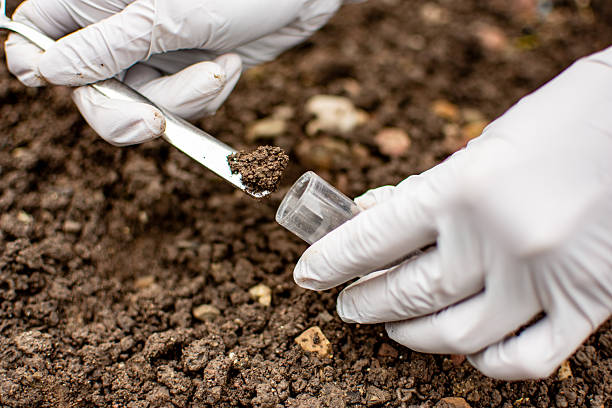
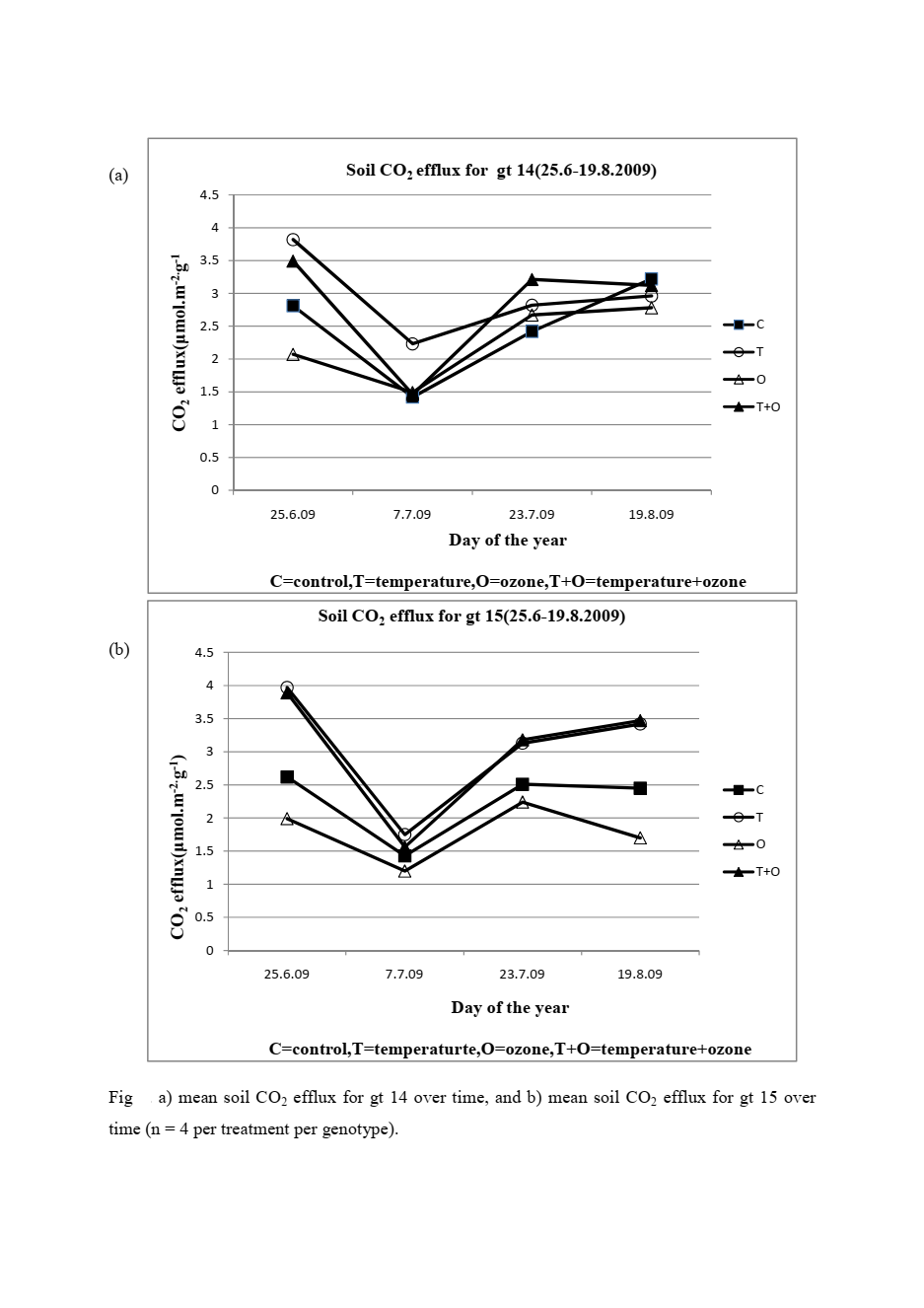
It’s easy to focus on what is visible, stems, leaves, canopy size. But below-ground processes are just as important. Roots and soil microbes drive nutrient uptake and carbon cycling.
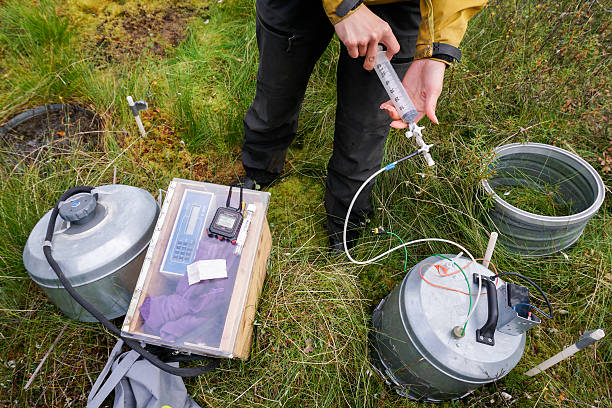
In field conditions, warming often increases soil respiration (measured as CO₂ efflux). However, the response varies between plants. A plant that builds both above and below ground effectively is better positioned to maintain yield over time.
The Cost of Ignoring Genetic Variation
Underperformance is not always obvious. If a system is built using lower-performing genetic material, it still functions. Growth happens. Biomass accumulates. But over time, the gap between what is produced and what could have been produced becomes larger.
By the time that difference is visible, it’s already locked in. This is not a failure, it’s a missed opportunity.
Summary
Biomass production is often framed as a technical challenge, something that can be optimized through management. But at its core, it is biological.
Which leads to a simple shift in thinking. It’s not enough to ask what species should be planted. The more important question is:
What kind of biological response are you building your system around?
FAQs
Does genotype really affect yield?
Yes. Differences within a species influence growth rate and stem development significantly over a full cycle.
Is warming always beneficial?
It creates potential, but the plant must be genetically equipped to metabolize that extra heat into biomass.
Why is soil activity important?
It reflects the “engine room” of the tree, root health directly supports stem growth.
Why do plants of the same species behave differently?
Because they are genetically different. Each genotype has its own strategy for growth, stress tolerance, and resource use.
Why is soil activity important in biomass systems?
Soil processes support nutrient uptake and root development. A more active system below ground helps sustain growth above ground.
Is this concept only relevant for trees?
No. Genetic variation affects crops, grasses, and all biomass systems. The same principles apply across plant-based production systems.