


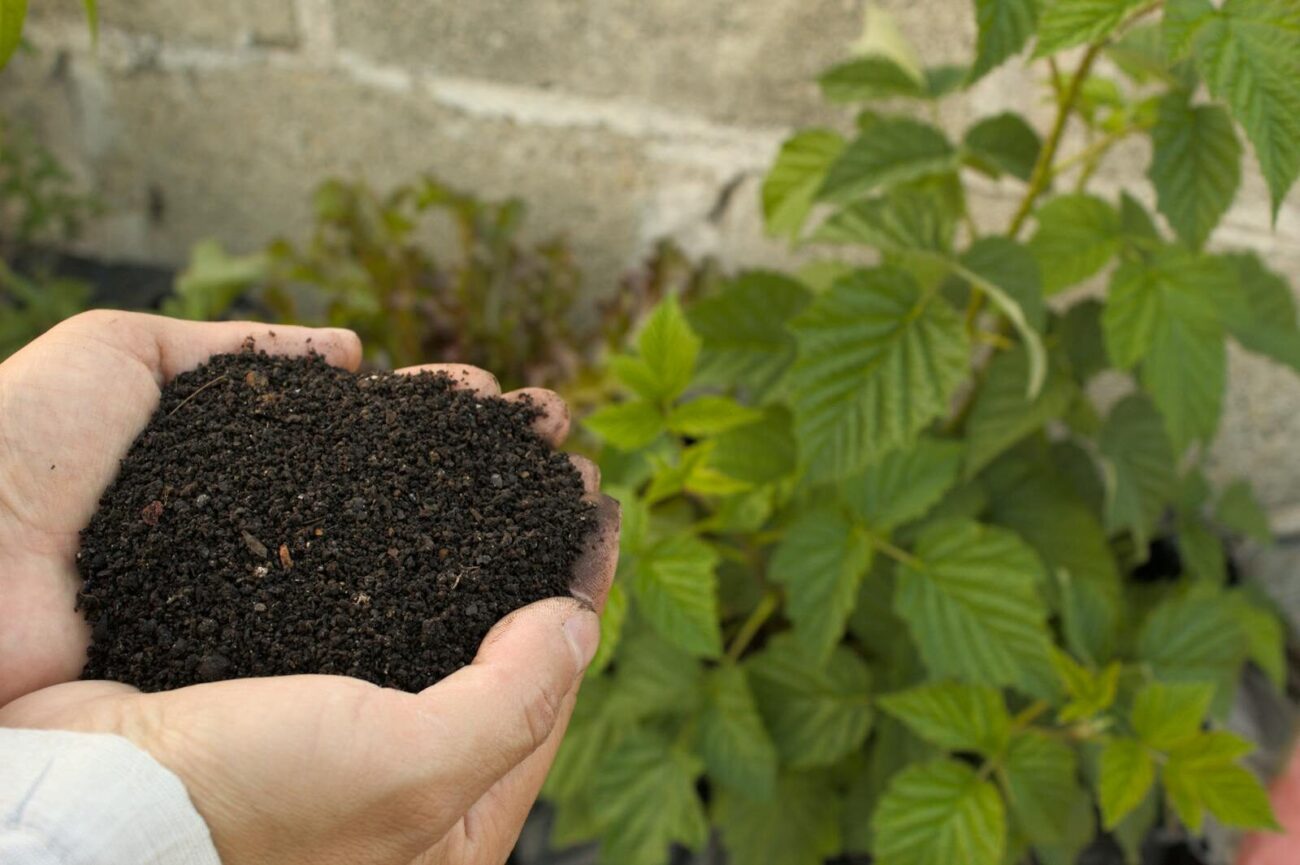

What if the real answer to “what is the soil carbon cycle?” is not in the trees above us, but in the soil below?
Small differences in soil conditions can change carbon dioxide readings in a forest. Most people focus on trees when thinking about climate change, but my field measurements show that much actually happens in the soil.
The soil is a living system that constantly moves carbon in a cycle. This process, known as the Soil Carbon Cycle, is a key part of how Earth controls its atmosphere and supports life.
Observations from the Field
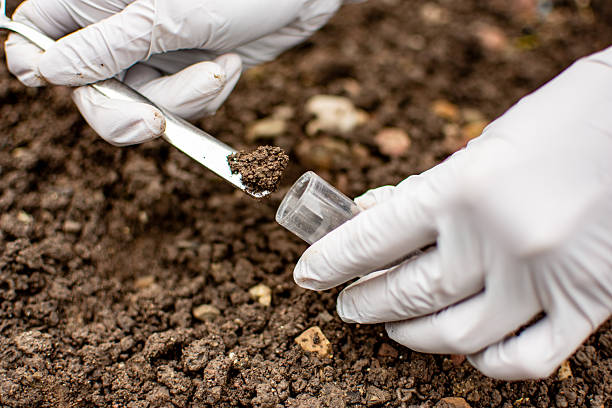
In my field research, I have seen how the ground is rarely uniform. You can move a measurement tool just one meter and see a completely different rate of gas release. During the field experiments, it became clear that soil is a living system.
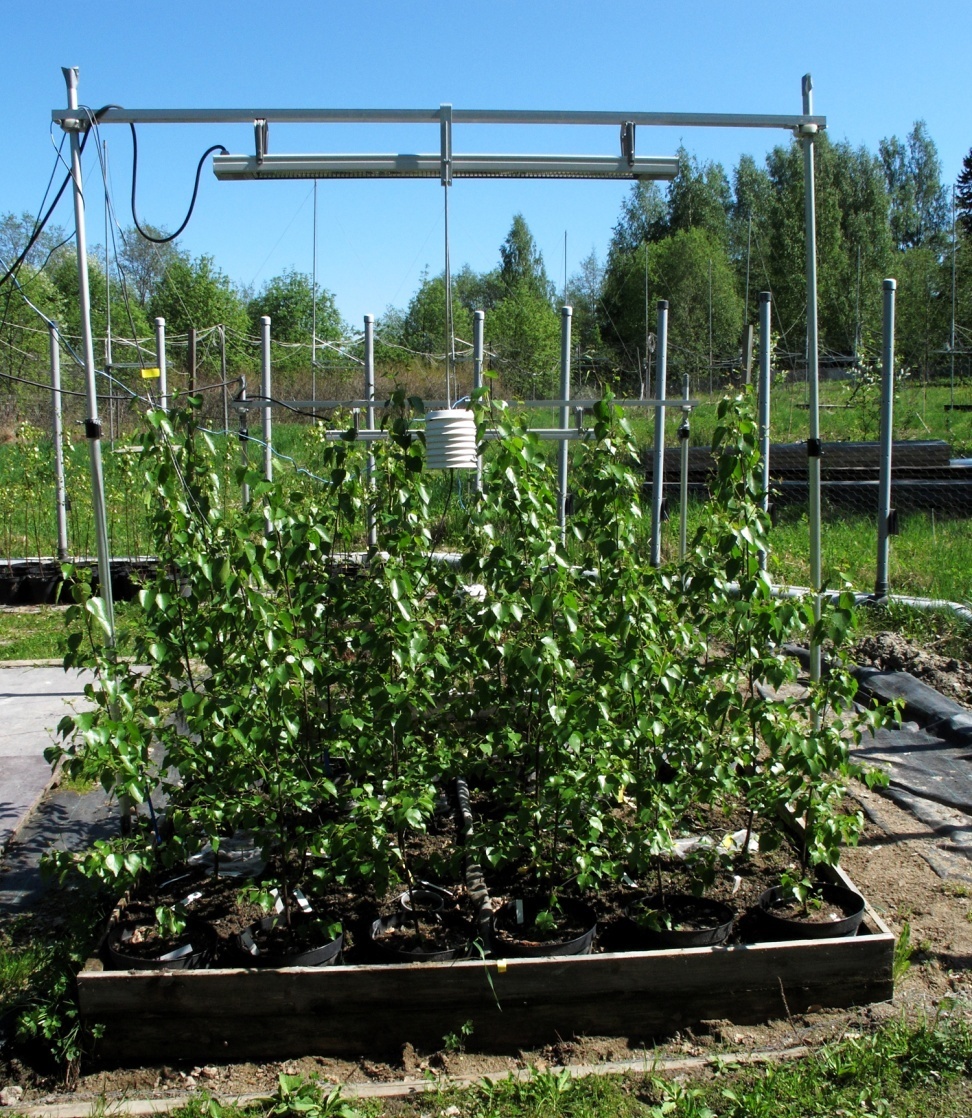
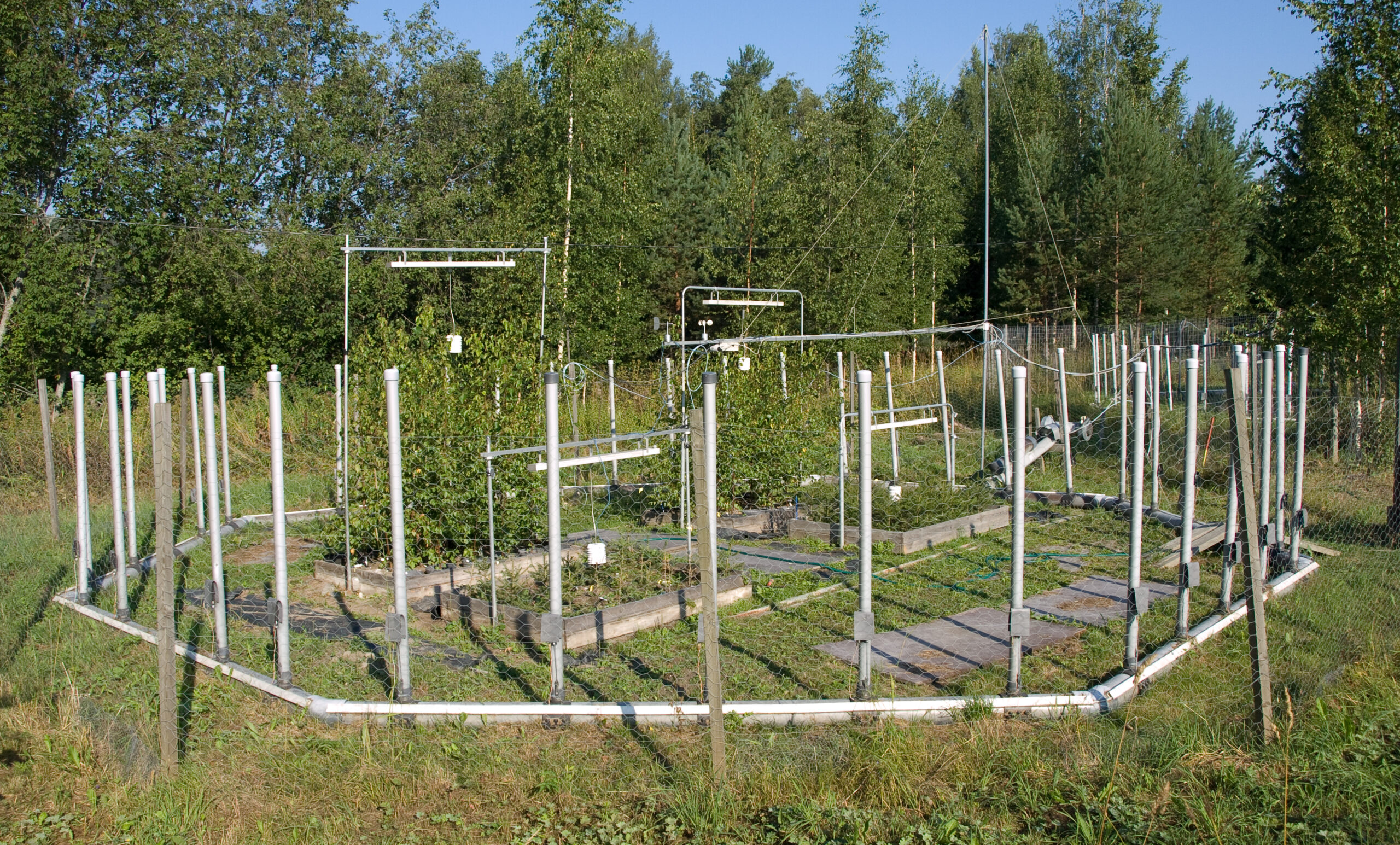
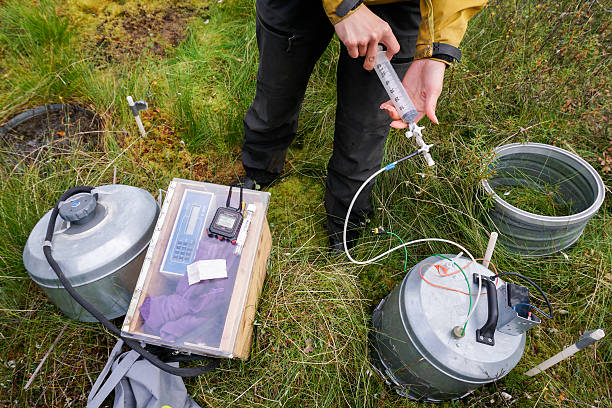
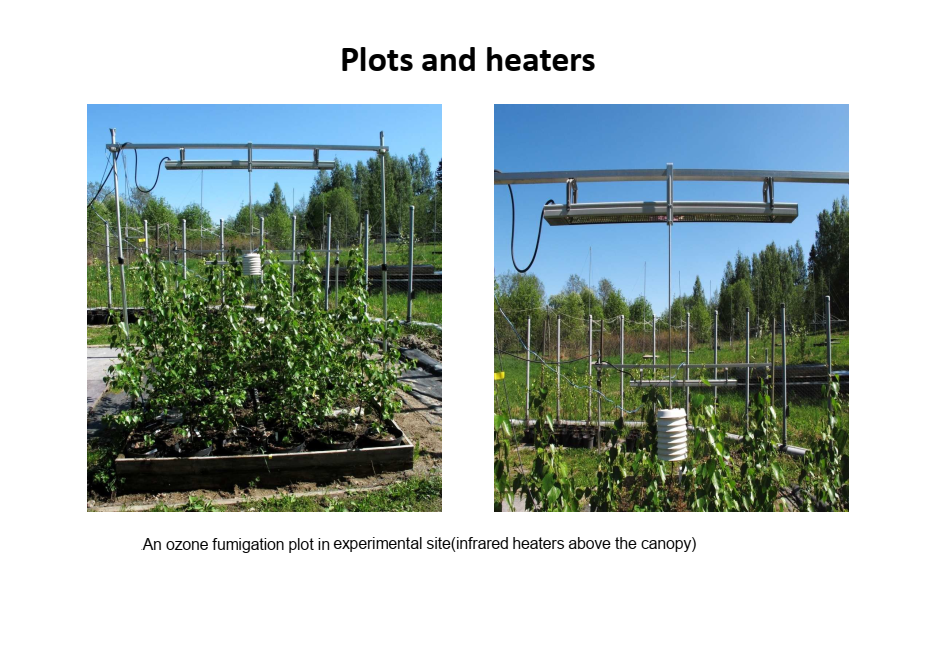
Based on field measurements, the “breath” of the soil, known as soil respiration, is one of the largest movements of carbon on the planet. To understand this, we have to look at the site where these measurements happen.
Working in these conditions shows that soil carbon is not static. It reacts to everything: the heat from the sun, the moisture from rain, and even the gases in the air. When I set up an experiment, I have to account for every variable because the soil responds to them all.
How Carbon Enters the Soil: The “Deposit”
The soil carbon cycle starts with plants acting as a biological pump. Through photosynthesis, they take carbon from the air. While some stays in the trunk and leaves, a large portion moves into the ground. I describe this as a “deposit” into a global carbon bank.
There are three primary pathways for this deposit:
Litterfall: Every autumn, leaves, twigs, and branches drop to the floor. This material is rich in carbon that has been “fixed” from the atmosphere.
Root Turnover: Just like leaves fall, roots die. When they decompose, they leave carbon deep in the soil structure.
Root Exudates: This is a fascinating area of biogeochemistry. Roots leak carbon-rich sugars directly into the dirt to feed the microbes that help the tree find nutrients.
In my study, I found that when I measured near the base of Silver Birch (Betula pendula), CO2 readings were significantly higher than in bare soil, proving that the tree is actively feeding the ground.
Soil Microbes and Decomposition
Microbes are very important for the whole system. These tiny living organisms, mainly bacteria and fungi, eat dead plants and other organic matter to get energy. While they break down this material, they release carbon dioxide into the air. This process is called heterotrophic respiration.
Without microbes, the carbon cycle would not work. They break down dead plant material and turn it into rich soil that helps forests stay healthy.
Research shows that microbes are strongly affected by temperature and moisture. In my study, I saw this clearly. When the soil was warmed by just +0.9°C, the microbes became more active and broke down more carbon compared to normal conditions. This shows that even a small rise in temperature can make forest soil release carbon faster into the air.
How Carbon Leaves the Ground
Carbon leaves the soil through soil respiration. This includes two parts: root respiration (when plant roots “breathe”) and microbial respiration (when microbes break down organic matter and release carbon dioxide). These processes are strongly affected by environmental stress such as heat and ozone.
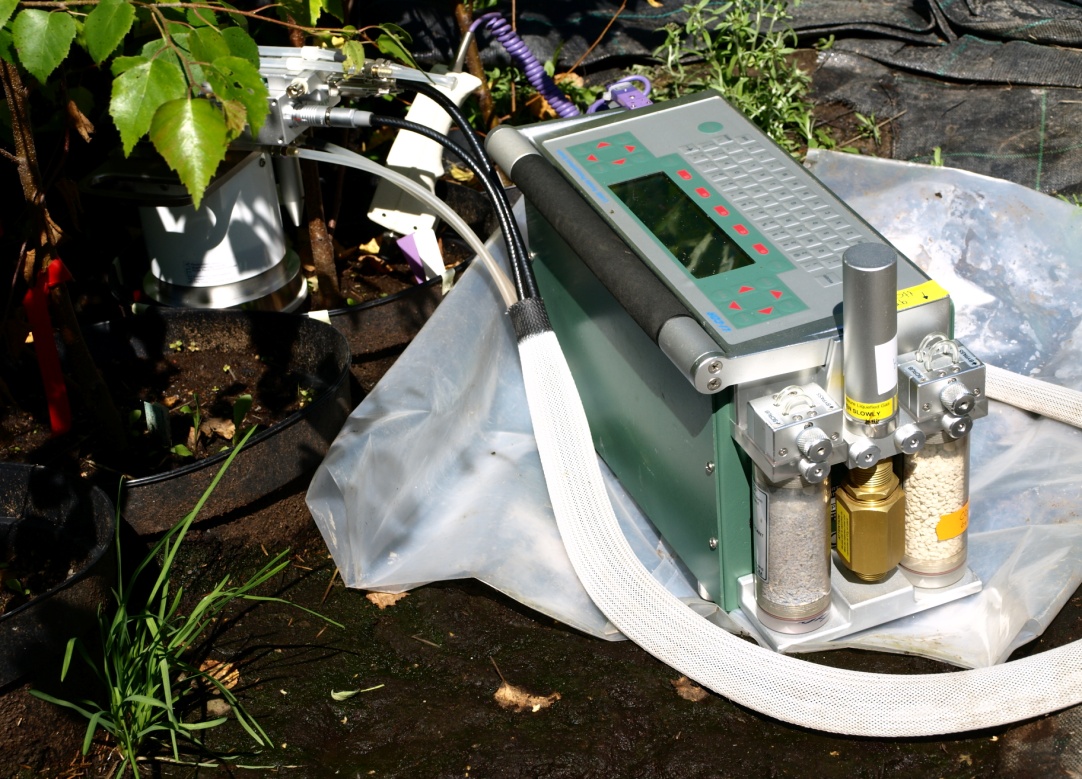
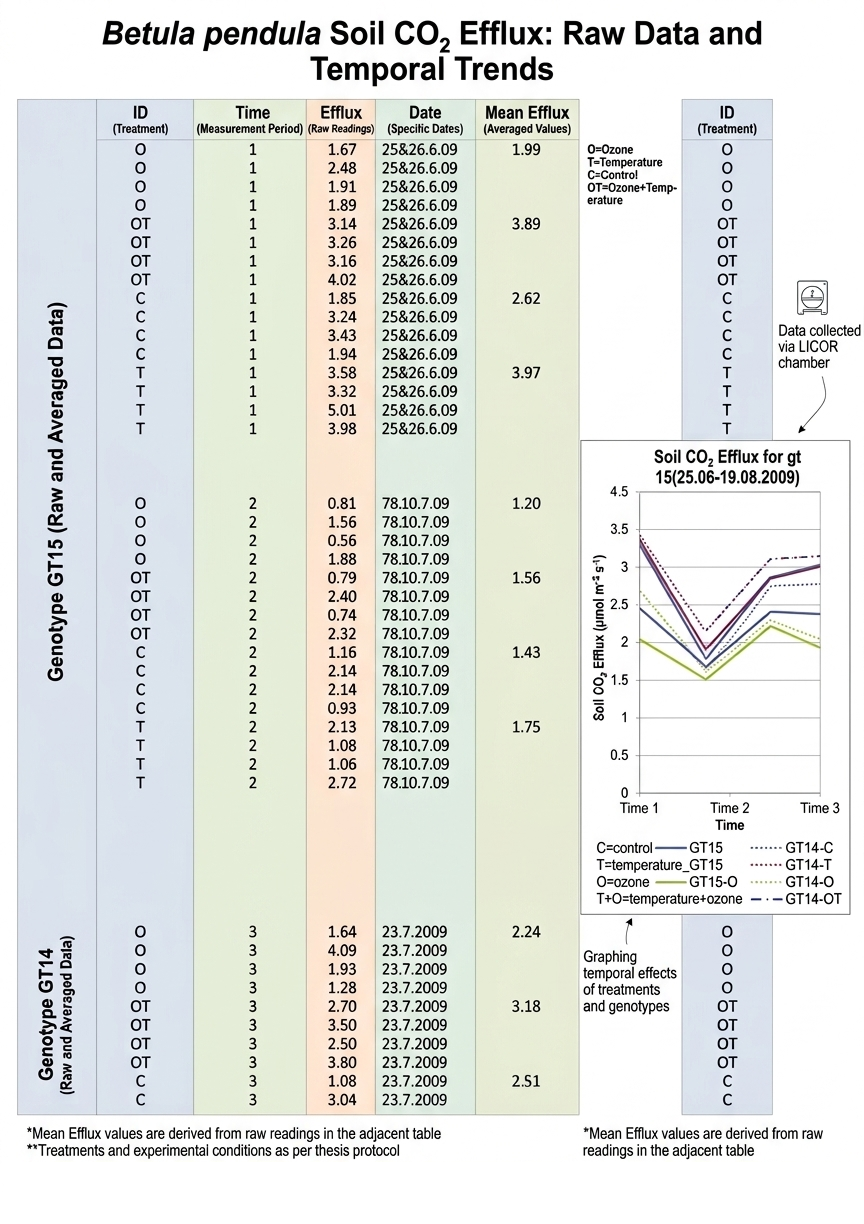
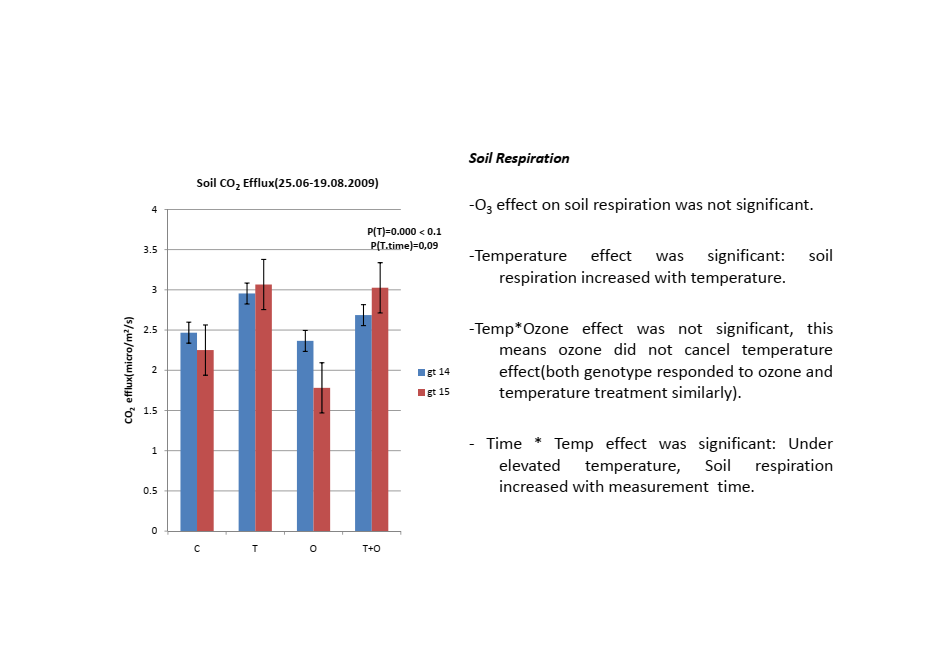
To measure this, very precise tools are needed. I used a LI-COR 6400-09 soil chamber, which allows us to detect exactly when the soil releases carbon dioxide. My results showed that warming increased carbon release from the soil by up to 36% in some birch tree types.
This is important because if the soil releases more carbon than trees can absorb, the forest changes from a carbon sink (absorbing carbon) into a carbon source (releasing carbon).
Interpretation: What the Results Show
The data shows that different types of trees react to stress in different ways. In my research on silver birch types (gt14 and gt15), I found that genetic differences can affect the carbon cycle.
I used a statistical test called ANOVA (Analysis of Variance) to make sure the differences were real and not just due to chance.
The results were clear: gt15 grew better and processed carbon faster than gt14. Under warming conditions, gt15 released 36% more carbon dioxide from the soil, while gt14 increased by 24%.
This is important because it shows that not all trees behave the same way. Some trees are more active than others, and this can change how the whole forest stores and releases carbon.
Soil and the Global Carbon Cycle
Soil is a key part of the global carbon cycle. It stores about three times more carbon than the atmosphere, making it a major “carbon vault” that helps regulate Earth’s climate.
In my research, I study only a small forest area, but it is part of this much larger system. When soil releases carbon faster due to warming or land use change, it increases CO2 in the atmosphere. This can create a feedback loop: more CO2 causes more warming, and warming causes even more soil carbon release.
I also found that warming can sometimes reduce the negative effects of ozone pollution, helping trees stay more resilient. This shows the importance of studying multiple environmental stressors together.
Soil carbon moves through a fast cycle (years, fresh plant material) and a slow cycle (centuries, stable soil carbon). The goal is to increase long-term storage in the slow cycle, which is strongest in healthy, undisturbed soils.
Conclusion
In field measurements, it becomes clear that we cannot separate the trees from the ground. The soil carbon cycle is a beautiful, complex partnership between the atmosphere, the plants, and the microscopic life beneath our feet.
My research work showed me that every measurement counts. By understanding how carbon moves from the air to the roots and back again, we can make better decisions about how to protect our forests.
We must respect the soil as a living entity. Whether it is through the “slow cycle” of mineral storage or the “fast cycle” of falling leaves, the ground is doing the heavy lifting for our planet’s health. Science gives us the tools to listen to this cycle, and it is our job to make sure the balance stays in favor of the Earth.
FAQs
What is the soil carbon cycle?
It is the process where carbon moves from the atmosphere into the soil through plants and then returns to the atmosphere through decomposition and respiration. I view it as a global “bank account” where we want to keep the balance high.
How does soil carbon affect the carbon cycle?
Soil acts as the primary reservoir for organic carbon. When soil is healthy, it prevents carbon from entering the atmosphere as a greenhouse gas. If the soil is degraded, that carbon is lost to the sky.
Can soil be carbon dated?
Yes. Scientists use carbon dating to see how old the organic matter in the soil is. This helps me understand how long the “slow pool” of carbon has been stored. Some carbon in deep soil layers has been there for thousands of years.
Does soil release carbon dioxide?
Yes, it does. This is a natural process called soil efflux or soil respiration. However, my research showed that warming could increase this release by over 30% in some forest types, which is why monitoring is so important.
How does soil erosion affect the carbon cycle?
Erosion is like a “leak” in the system. It strips away the top layer of soil, which contains the most organic carbon. This carbon is then exposed to air and water, where it breaks down and turns into CO2 much faster than it would if it stayed covered.
What is the “slow carbon cycle” in soil?
While the “fast cycle” involves leaves rotting over a season, the slow cycle involves carbon that becomes attached to clay minerals or buried deep underground. This carbon can stay out of the atmosphere for centuries.
Why is soil organic carbon important?
Beyond climate, organic carbon is what makes soil fertile. It helps the ground hold water and provides the nutrients that trees like the silver birch need to survive environmental stress. When I measure soil flux, I am checking the pulse of this organic life.
How do trees contribute to the soil carbon cycle?
Trees are the “pumps” that pull carbon from the sky and send it into the ground. Through leaves falling and roots leaking sugars (exudates), they provide the raw material for the entire soil system.
How many steps are in the soil carbon cycle?
I usually break it down into five key steps:
Photosynthesis: Plants capture carbon.
Deposition: Plants move carbon into the soil (roots and leaves).
Decomposition: Microbes break down carbon in the soil.
Respiration: Soil releases $CO_2$ back to the air.
Stabilization: Some carbon becomes part of the long-term soil structure.
What happens to the cycle in winter?
It acts as an insulator. While the surface might be frozen, the microbes deeper down continue to process carbon, albeit at a slower rate. I have seen data showing significant CO2 release even when the ground is covered in snow.