




Why does some carbon disappear from soil in years, while other forms seem to last for centuries?
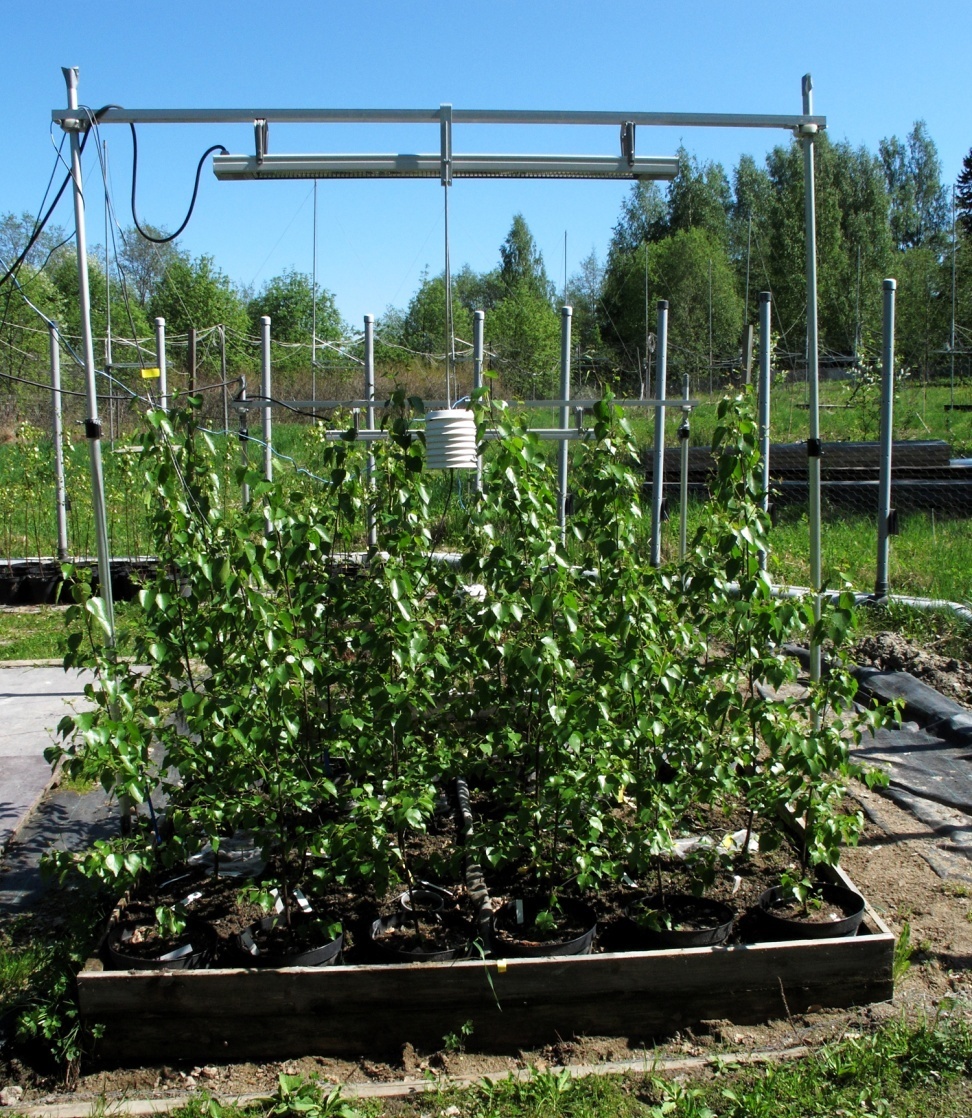
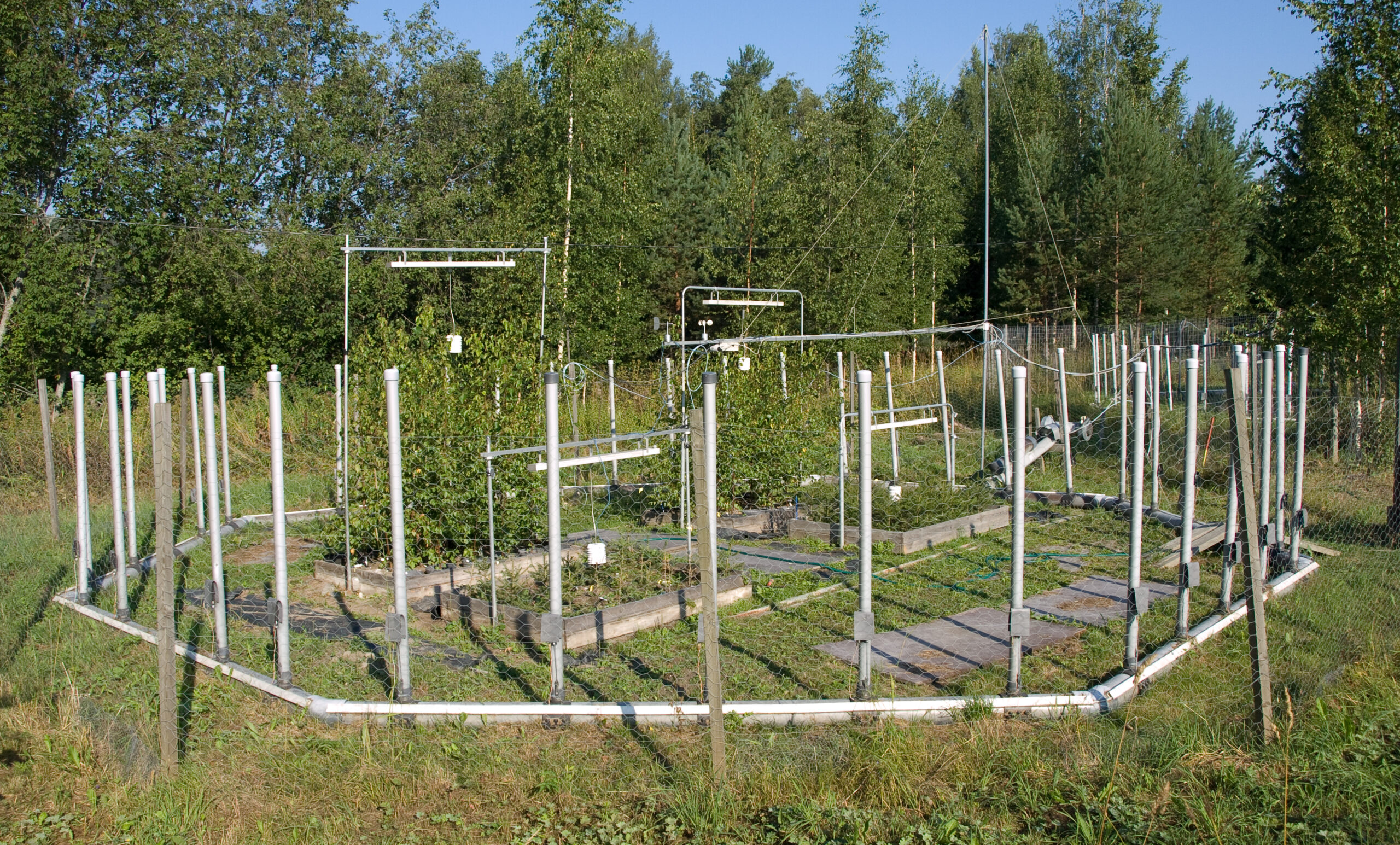
My background is in plant biology, environmental biology, and biogeochemistry, rather than agriculture. However, the questions biochar raises about below-ground carbon cycling are ones I find genuinely familiar. How carbon moves through soil, and how stable it actually is over time, is something I have spent considerable time measuring during my field experiments with silver birch.
That experience is what drew me to biochar as a topic, and the more I looked into it, the more the science held up.
What Biochar Actually Is
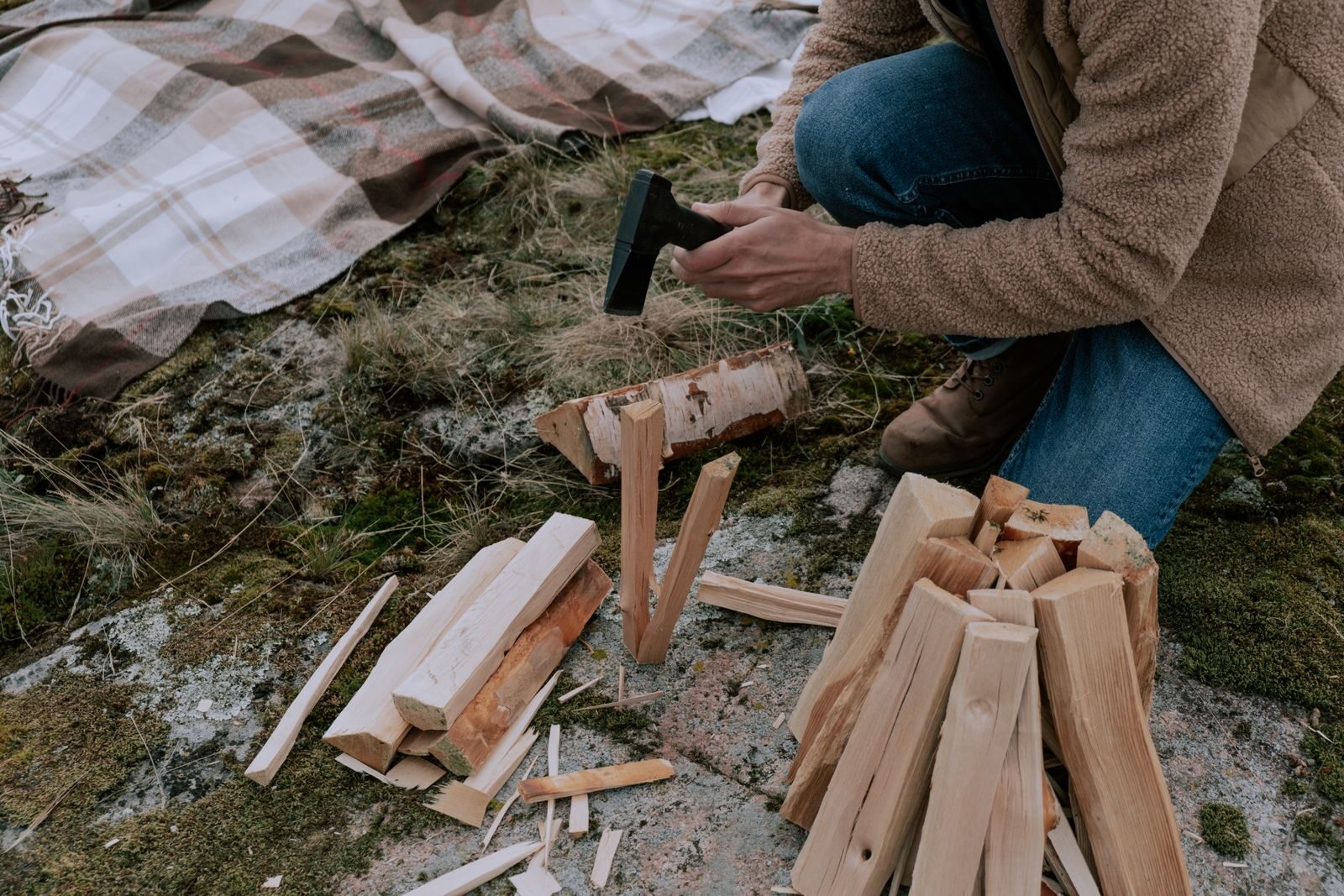
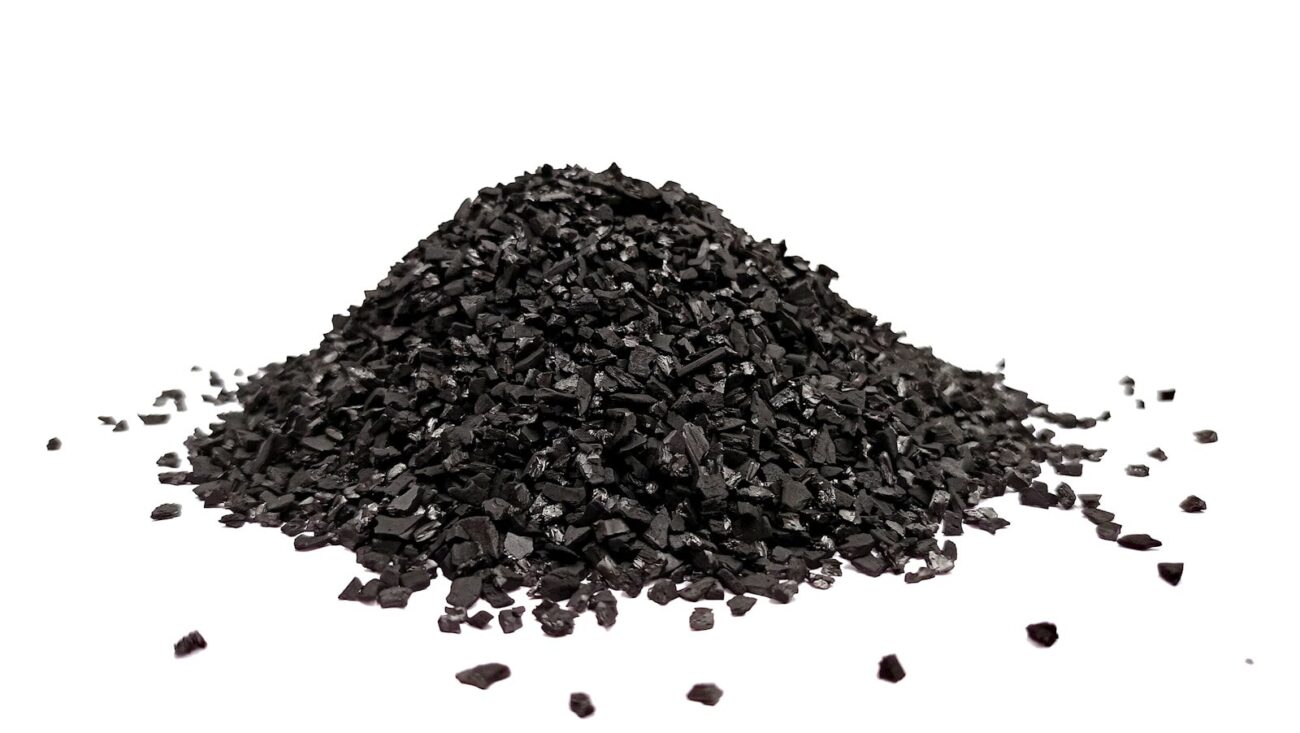
Biochar is produced by heating organic biomass, wood chips, crop residues, manure, in a low-oxygen environment. This process is called pyrolysis.
During pyrolysis, the carbon in the plant material does not burn off. Instead it reorganises into stable aromatic ring structures that soil microbes struggle to break down. The process produces three things: the solid biochar itself, a liquid fraction that can be refined into biofuel, and a syngas that is often looped back to power the kiln.
The physical result is a highly porous material with an enormous surface area. A gram of quality biochar can reach hundreds of square metres of surface area internally. That porosity is what makes biochar more than just a lump of carbon sitting in the ground, it is what drives most of the soil benefits that follow.
What It Does to Soil
Biochar does not just sit there. It actively changes the chemistry and structure of the soil around it, and the effects show up in several different ways.
Because biochar carries a slight negative charge, it attracts positively charged nutrients like potassium, calcium, and magnesium. This is known as cation exchange capacity. Instead of washing away with rainfall, these nutrients cling to the biochar and stay available for plant roots. In soils with low natural fertility, that retention effect alone can make a meaningful difference to crop performance.
In sandy or degraded soils, the porous structure also holds onto water. As rainfall patterns become less consistent in many regions, that water retention becomes increasingly important for maintaining yields through dry periods.
Below ground, the pores in biochar give beneficial fungi and bacteria somewhere protected to live. Soil predators like protozoa have a harder time reaching microbes sheltered inside the pore structure, which supports a more stable and active microbial community. That community in turn speeds up nitrogen cycling and reduces dependence on synthetic fertiliser.
These effects do not happen overnight. It typically takes one to two growing seasons for the biochar to become fully charged with nutrients and for the microbial community to reach a steady state. Once that happens, the soil system becomes noticeably more resilient to weather extremes.
The Nitrogen Problem and How to Avoid It
One practical issue that often gets overlooked is what happens when raw biochar is applied directly to a field.
Because fresh biochar is so effective at holding onto nutrients, it can temporarily pull available nitrogen out of the soil when first applied. Plants end up competing with the biochar for the nitrogen they need, and yields can dip in the first season. This catches growers off guard when they expect an immediate improvement.
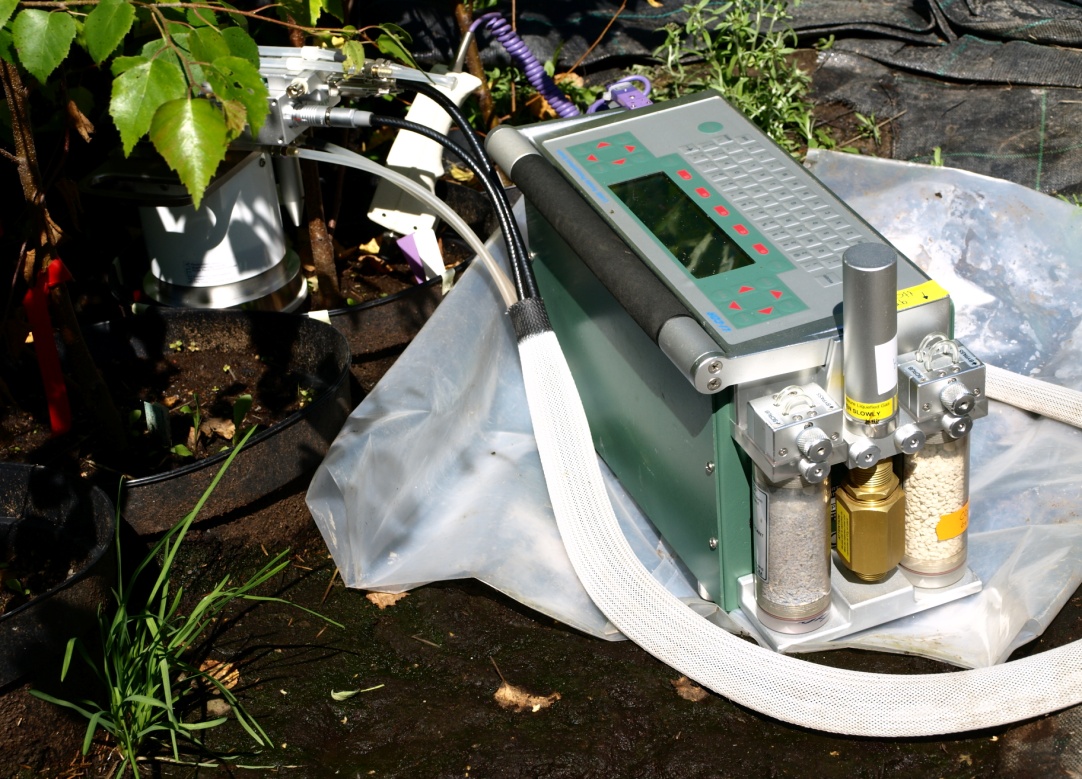
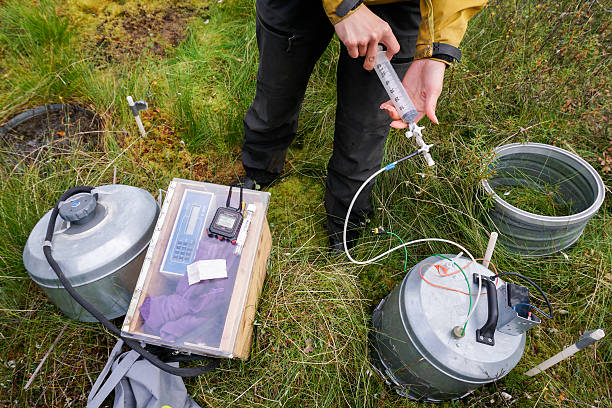
In my field work measuring soil respiration in silver birch plots, I noticed just how responsive below-ground carbon processes are to even small environmental changes.
For instance, a warming of less than one degree Celsius increased soil CO₂ efflux by up to 36% in some trees.
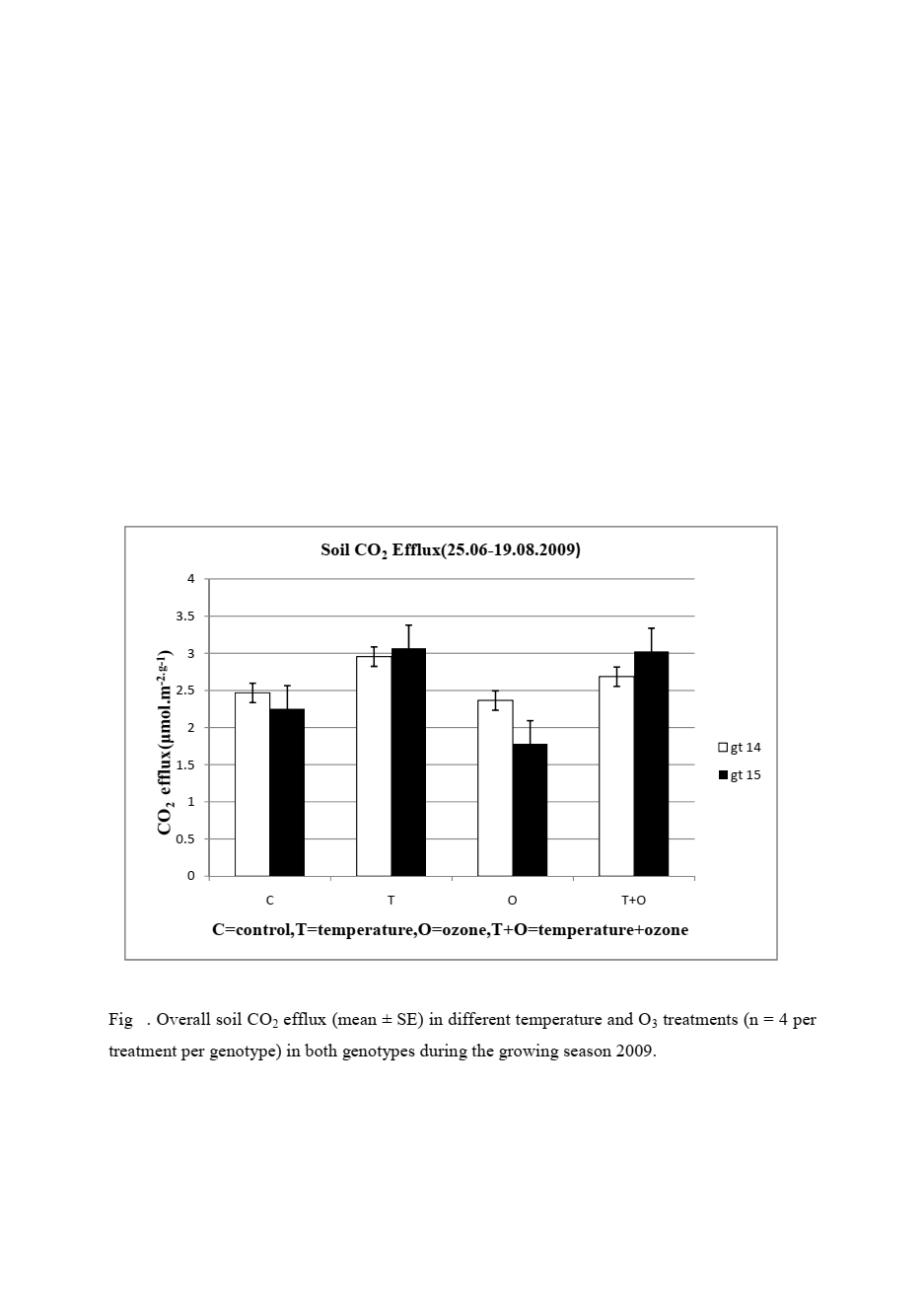
That tells you something important, the soil carbon system is more sensitive than it looks from above ground, and that sensitivity is precisely why what you add to the soil, and how stable it is, matters so much.
The solution is to charge the biochar before it goes into the ground. Mix it with compost, liquid manure, or a concentrated nitrogen source for several weeks before application. During that time the pores fill up with nutrients and beneficial microbes. When the charged biochar finally reaches the soil, it starts contributing from the first season rather than creating a temporary deficit.
Why Stability Is the Key
The central argument for biochar as a climate tool is its resistance to decomposition, what soil scientists call recalcitrance.
A fallen leaf might break down within one to two years. A gram of compost might last a few years more. Biochar can persist in soil for hundreds to thousands of years. That makes it one of the few carbon removal approaches that is already deployable at scale without waiting for new technology to mature.
Higher production temperatures, generally above 500°C, produce more stable biochar with a higher proportion of recalcitrant aromatic structures that resist decomposition. Biochar made from woody feedstocks tends to outlast that made from grasses or manure. And because biochar is naturally alkaline, it works well as a liming agent in acidic soils but needs to be applied carefully in soils that are already alkaline.
Biochar and the Broader Carbon Cycle
One of the more interesting aspects of biochar, particularly from a soil respiration standpoint, is where it sits in the broader carbon cycle.
Organic matter in soil is constantly being broken down by microbes, releasing CO₂ back into the atmosphere. Biochar interrupts that cycle at the point of biomass, before it rots naturally and converts it into a form that the usual decomposition pathways cannot easily touch.
There is also a secondary effect worth noting. Biochar can reduce the production of nitrous oxide and methane from soil, two greenhouse gases that are significantly more potent than CO₂ over shorter time horizons. By improving soil aeration and reducing anaerobic conditions in wet soils, biochar shifts microbial activity away from the pathways that produce these gases.
That combination, long-term carbon storage plus reduced short-term greenhouse gas emissions from the soil itself, is what makes biochar stand out compared to other soil amendments.
What the Evidence Actually Shows
Biochar is not a universal solution. Results vary significantly depending on soil type, feedstock, production method, climate, and application rate. In some soils the improvements in fertility, water retention, and carbon storage are clear and well-documented. In others the gains are more modest or take longer to show up.
Most of the strongest evidence comes from tropical and subtropical soils, partly because the original discovery of biochar’s potential came from the ancient Terra Preta soils of the Amazon, where pre-Columbian communities produced charcoal-rich, deeply fertile soils that have persisted for centuries.
Whether those results translate consistently to temperate or boreal agricultural soils is still an active area of research. What is well supported is the stability argument. The carbon in well-made biochar does stay out of the atmosphere for a very long time. Whether that reliably produces agricultural and climate co-benefits depends on matching the right biochar to the right soil under the right conditions.
Summary
Biochar converts short-lived agricultural waste into a stable, long-lived form of carbon while improving the soil in the process. When applied correctly it addresses several problems at once, carbon storage, soil fertility, water retention, and reduced greenhouse gas emissions from the soil.
It is not a replacement for reducing emissions at source, and it is not equally effective everywhere. But as one practical tool in a serious climate response, it is worth understanding properly before dismissing or overselling it.
FAQs
Does biochar work?
It does, but not equally in every situation. The strongest results come from degraded, sandy, or acidic soils. In already fertile soils the benefits are more modest and take longer to show up.
Is biochar the same as charcoal?
Not exactly. Both are made by burning organic material in low oxygen, but biochar is specifically produced for soil application at controlled temperatures. Regular charcoal is made for burning and often contains additives that are harmful to soil.
Is biochar organic?
Yes, in most cases. Biochar made from natural feedstocks like wood chips or crop residues qualifies as organic. Always check the feedstock source if you are applying it to certified organic land.
Can biochar be used as fertiliser?
Not on its own. It does not contain enough nutrients to replace fertiliser, but it holds onto nutrients already in the soil and makes them more available to plants over time, which reduces how much fertiliser you need.
Can biochar absorb CO₂?
Not directly from the air. What it does is lock carbon into a stable solid form that stays out of the atmosphere for centuries, which is a more reliable form of carbon storage than most biological alternatives.
Why is biochar so expensive?
Production requires controlled pyrolysis equipment and careful temperature management. As the technology scales up and demand grows, costs are gradually coming down.
Why is biochar not more widely used?
Mostly because of upfront cost, limited awareness, and the fact that benefits take one to two seasons to fully appear. Growers who expect immediate results are often disappointed before the system has had time to stabilise.
Can I make biochar at home?
Yes, in small quantities using a simple kiln or retort setup. The key is restricting oxygen during burning to prevent the carbon from simply burning off. Home-produced biochar varies in quality and should still be charged with compost before use.
When should biochar be added to soil?
Ideally before planting, mixed into the root zone rather than left on the surface. Charging it with compost or manure a few weeks before application gives the best results from the first season.
Which plants benefit most from biochar?
Vegetables, fruit trees, and crops grown in degraded or sandy soils tend to show the strongest response. Plants in already rich, well-structured soils show less noticeable improvement.