




Can burning a tree really mean “zero emissions”?
Or are we just moving the carbon problem into the future?
In theory, bioenergy carbon neutrality follows a simple cycle: a tree captures CO₂ while growing and releases that same amount when burned, appearing to create a perfectly even balance.”
But in reality, it’s not that clean. The biggest issue is time.
If a tree releases carbon today, but takes decades to grow back and absorb it again, then for all those decades, that carbon is still in the atmosphere. And in climate terms, that delay matters a lot.
From what I’ve seen in forest field systems, carbon doesn’t move in a neat straight line. It’s not just “in equals out.” It’s a process that happens over very different time scales.
That’s really where the whole discussion starts.
The idea of carbon “payback”
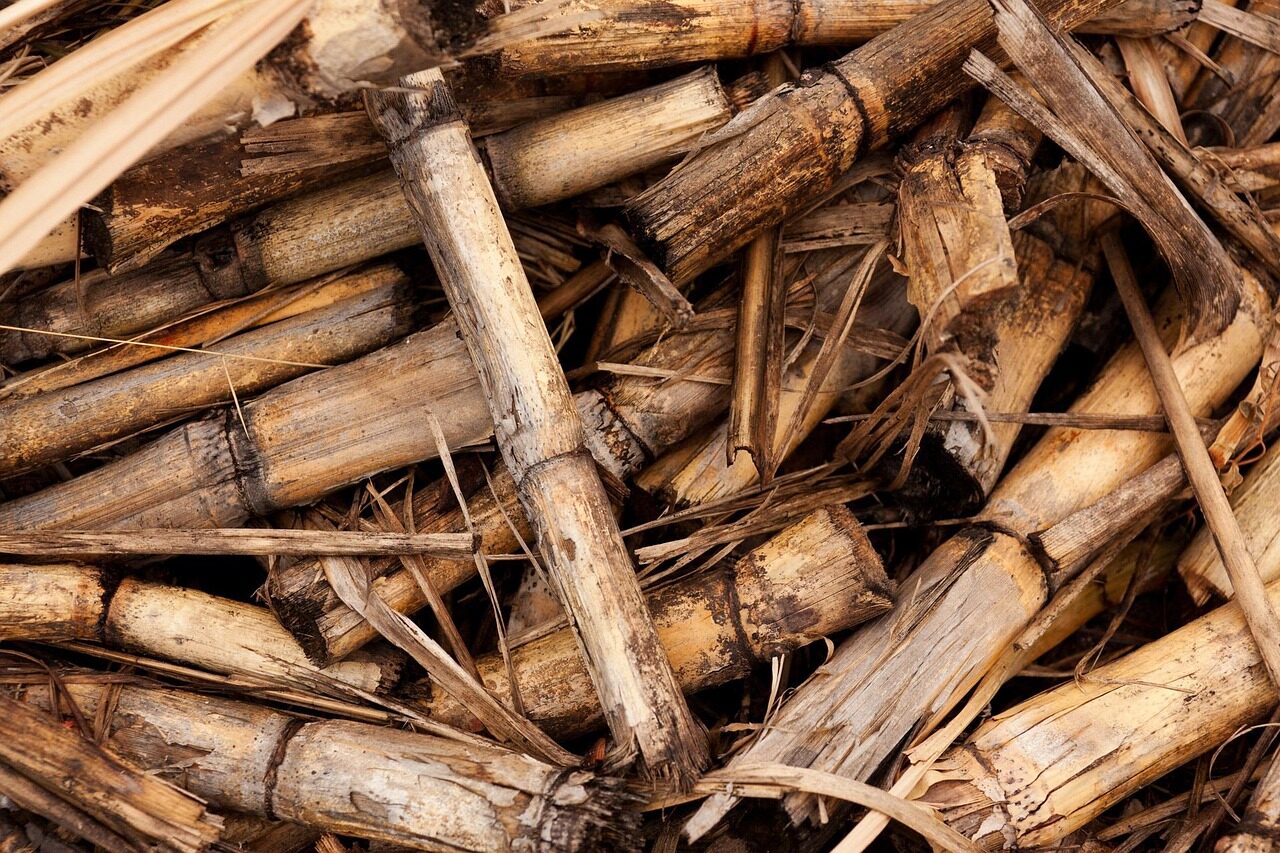
When you burn biomass, whether it’s forest wood or fast-growing energy crops, you release carbon immediately. That’s the “carbon debt.”
The idea of “payback” is simple: how long does it take for new growth to absorb that same carbon again?
Fast systems vs slow systems
In short-rotation coppice systems like willow or poplar, this can happen fairly fast, often in just a few years, because the trees regrow quickly from the same root system.
But in normal forestry, it’s a different thing. If you harvest a mature forest, it can take decades before that carbon is fully taken back in again. Sometimes 50–100 years or more.
So yes, both are “biological cycles,” but the timing is completely different.
And that timing changes everything for climate impact.
Why timing matters more than balance
People often think carbon accounting is like a bank account, you deposit and withdraw and it balances out.
But the atmosphere doesn’t work like that.
Carbon released today affects warming now, not later. Even if it is reabsorbed in the future, the warming effect in the meantime still happens.
So the real question is not just “does it balance?”
It’s “when does it balance?”
And that’s something I kept noticing in real field systems too, responses happen immediately, but storage and recovery take much longer.
It’s not only CO₂
Another thing that gets missed is that bioenergy doesn’t only produce CO₂.
If combustion is not perfect, you can also get methane and nitrous oxide. And those gases are actually much stronger in terms of warming impact than CO₂.
So if you only look at CO₂, you are not seeing the full picture.
How bioenergy compares to other energy sources
If we pay close attention, the difference becomes clearer:
Fossil fuels release carbon that was locked underground for millions of years
Bioenergy uses carbon that is already part of today’s atmosphere and biosphere
Wind and solar don’t rely on carbon cycles at all
So bioenergy sits in the middle. It’s not fossil carbon, but it’s also not emission-free.
And even at combustion level, biomass can sometimes look less efficient than fossil fuels. But that only makes sense when you ignore the full lifecycle, including regrowth.
What I actually saw in field measurements
Now I’ll tell you, this is where things become more interesting in practice.
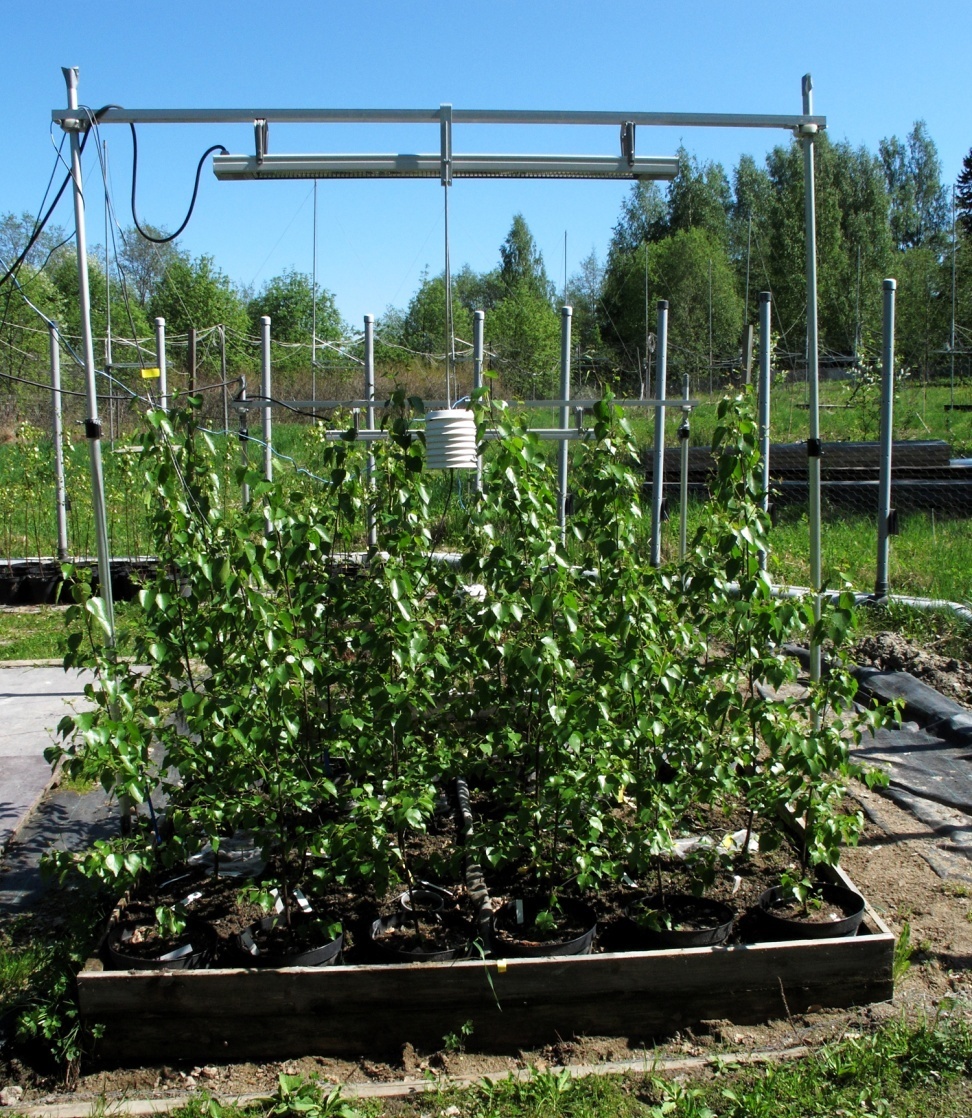
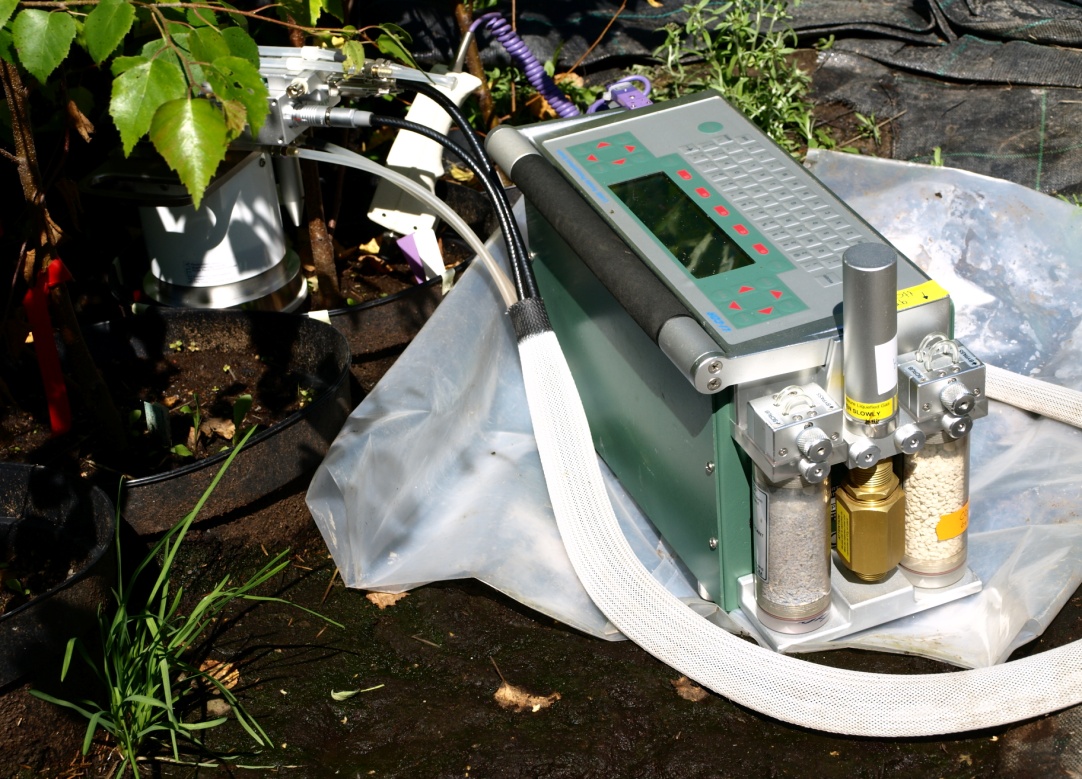
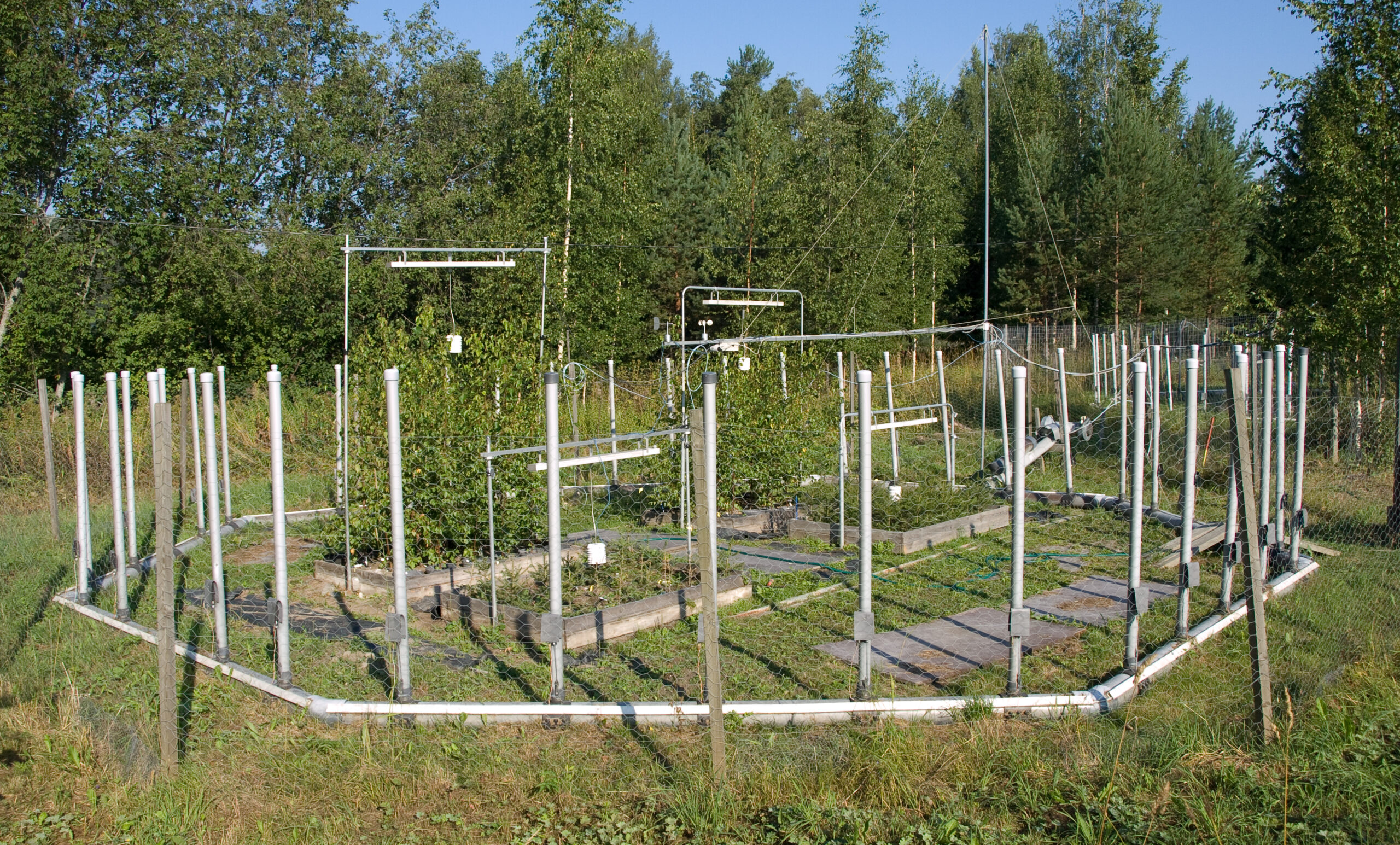
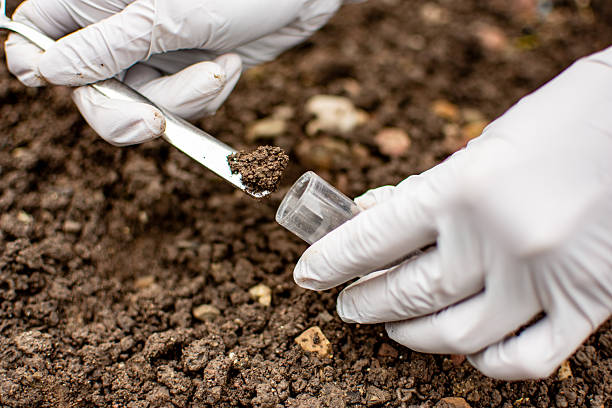
In my field measurements on silver birch (Betula pendula), I was tracking how trees respond to changes in temperature and ozone under real field conditions.
And something very consistent showed up:
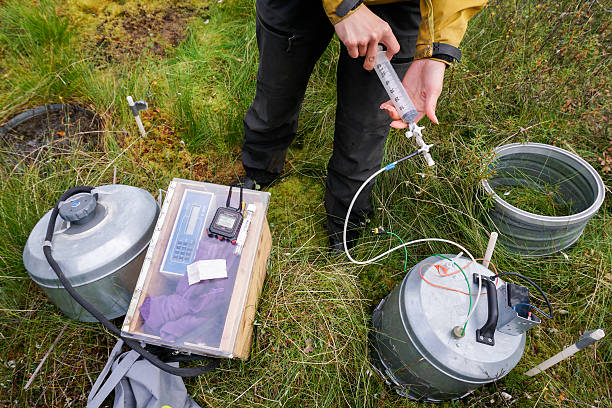
When tree growth increased under warming, soil CO₂ release also tended to increase at the same time.
Not always in the same amount, but they moved together.
At the same time, ozone effects were more uneven. Some traits changed slightly, others didn’t, and responses depended a lot on genotype.
Now, I know what you might think here, does this mean everything is tightly linked in a simple way? Not exactly.
What it does show is something more subtle:
When trees grow faster, the whole system responds. Not just the tree above ground, but also the soil below.
And that matters when we talk about bioenergy systems like willow or poplar plantations, because those systems rely on the same basic processes, growth, respiration, and environmental response.
So the key point is not a simple “good or bad.” It’s that everything is connected, but not always in a predictable way.
The soil side of the system
One thing people often forget is the soil.
Soil is not just a support layer, it’s active. It breathes, it reacts, it changes with moisture, temperature, and management.
If soil gets compacted or oxygen levels drop, it can even shift into producing methane instead of just CO₂. That changes the whole greenhouse gas balance.
So when we talk about bioenergy efficiency, we can’t ignore what’s happening below ground.
Summary
People often ask: “Is bioenergy carbon neutral?”
But maybe the better question is:
Is it neutral in time?
Because if carbon comes out faster than it goes back in, then for that period of time, the atmosphere is still carrying the extra load.
So bioenergy isn’t just about chemistry. It’s about timing, land use, and how carefully the system is managed.
And once you start looking at it that way, the answer becomes less simple, but also more realistic.
Faqs
Is bioenergy always carbon neutral?
No. It depends on how fast it regrows, how the land is managed, and what kind of soil and system you are dealing with.
Why does timing matter so much?
Because emissions today affect warming today. Even if they are reabsorbed later, the delay still matters.
Does soil play a role in emissions?
Yes. Soil respiration is a big part of the carbon cycle. It can either support or offset carbon gains depending on conditions.
What about BECCS?
BECCS is a system where CO₂ from bioenergy is captured and stored underground. In theory, it can actually remove carbon from the atmosphere instead of just cycling it.