




Can renewable heat really be produced on marginal land in a 3-year cycle?
Short-rotation coppice (SRC) systems suggest that it can. Across Europe and parts of North America, fast-growing tree crops are increasingly moving from experimental plots into operational bioenergy supply chains, particularly for district heating and local biomass production.
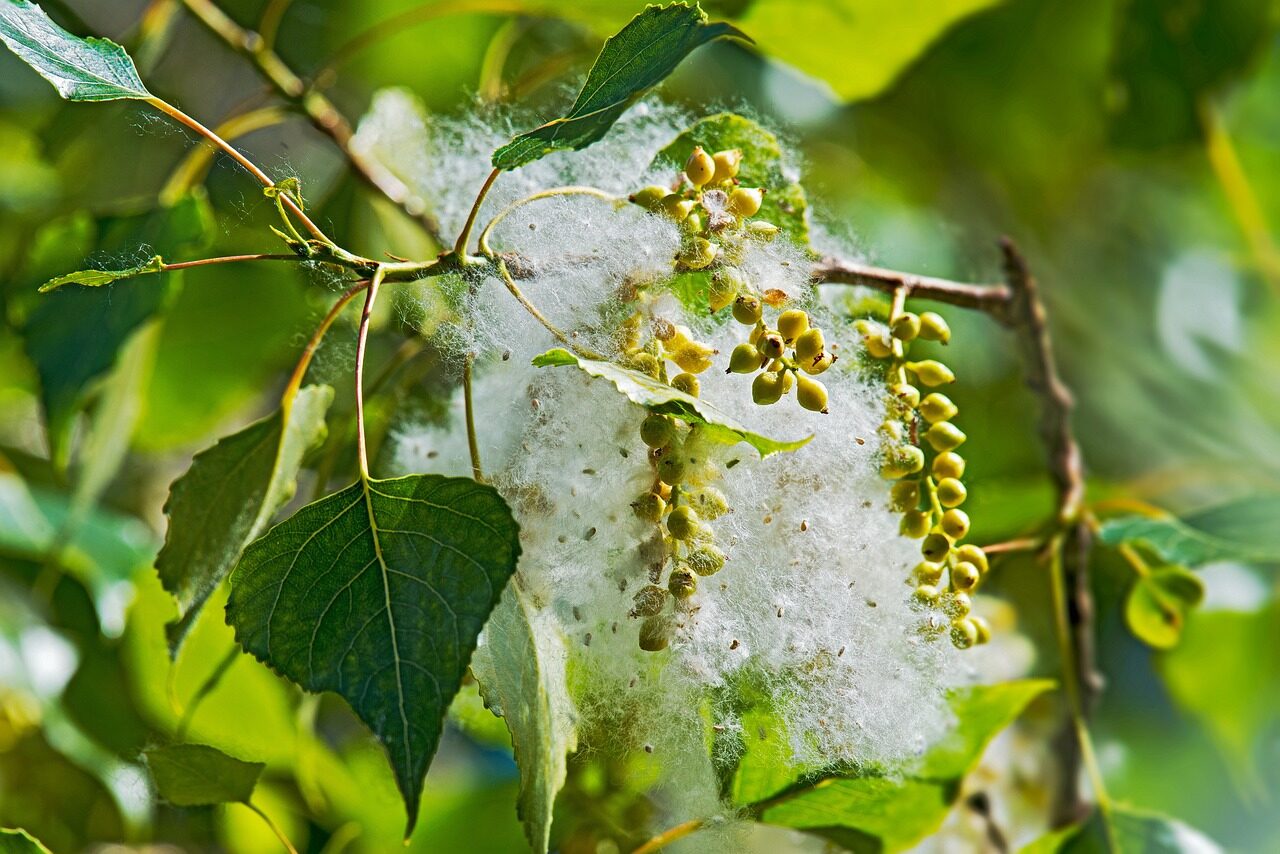
At the center of this shift are Willow (Salix) and Poplar (Populus). Both can deliver high biomass yields and rapid regrowth, but their performance is strongly dependent on soil conditions, hydrology, and site management.


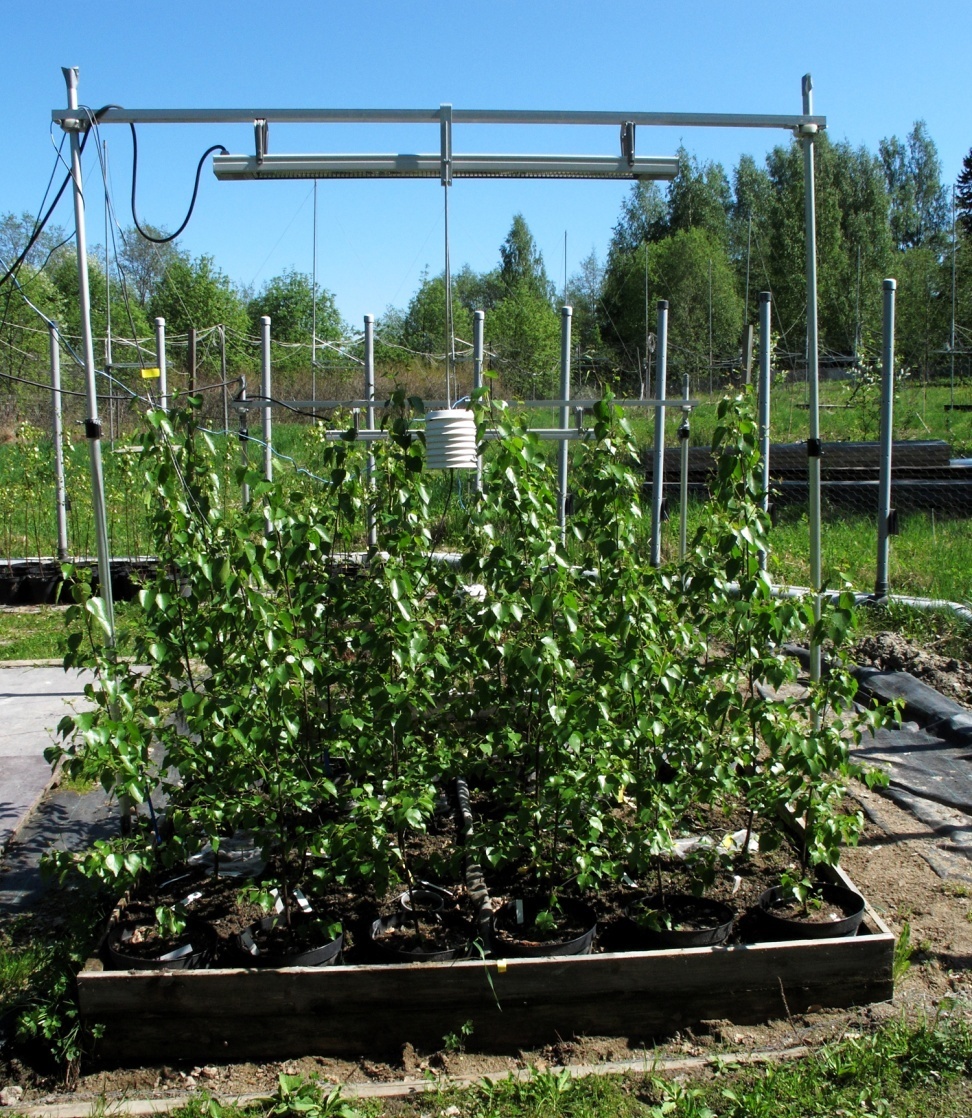
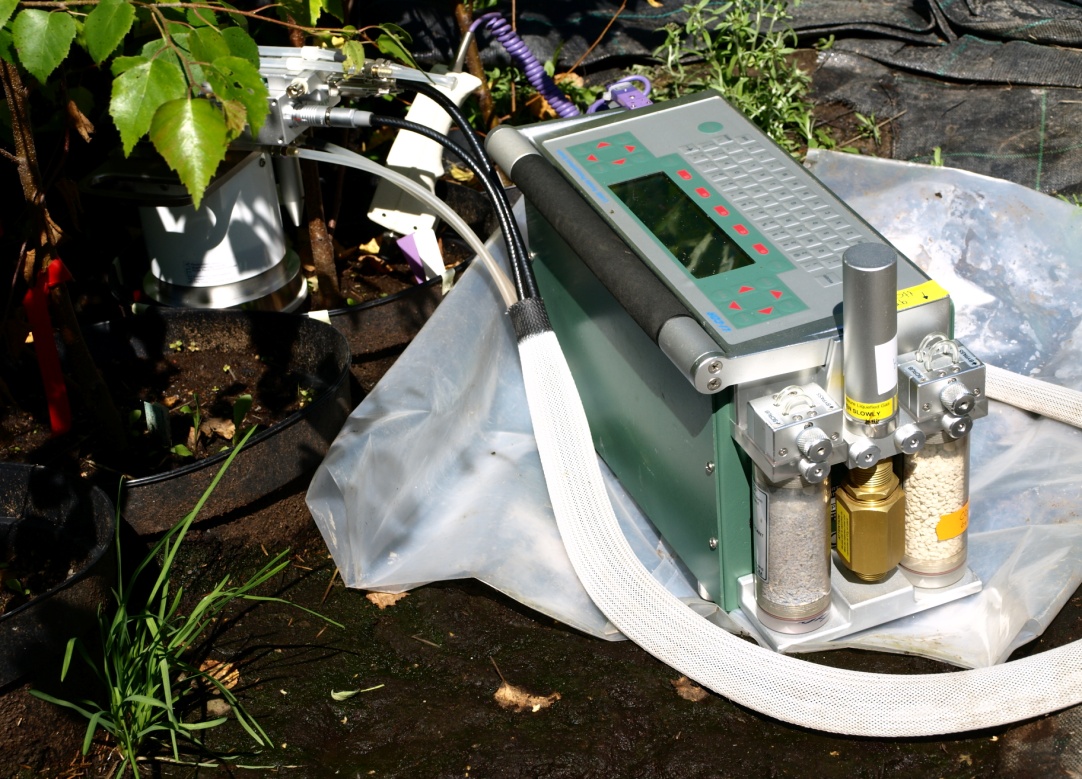
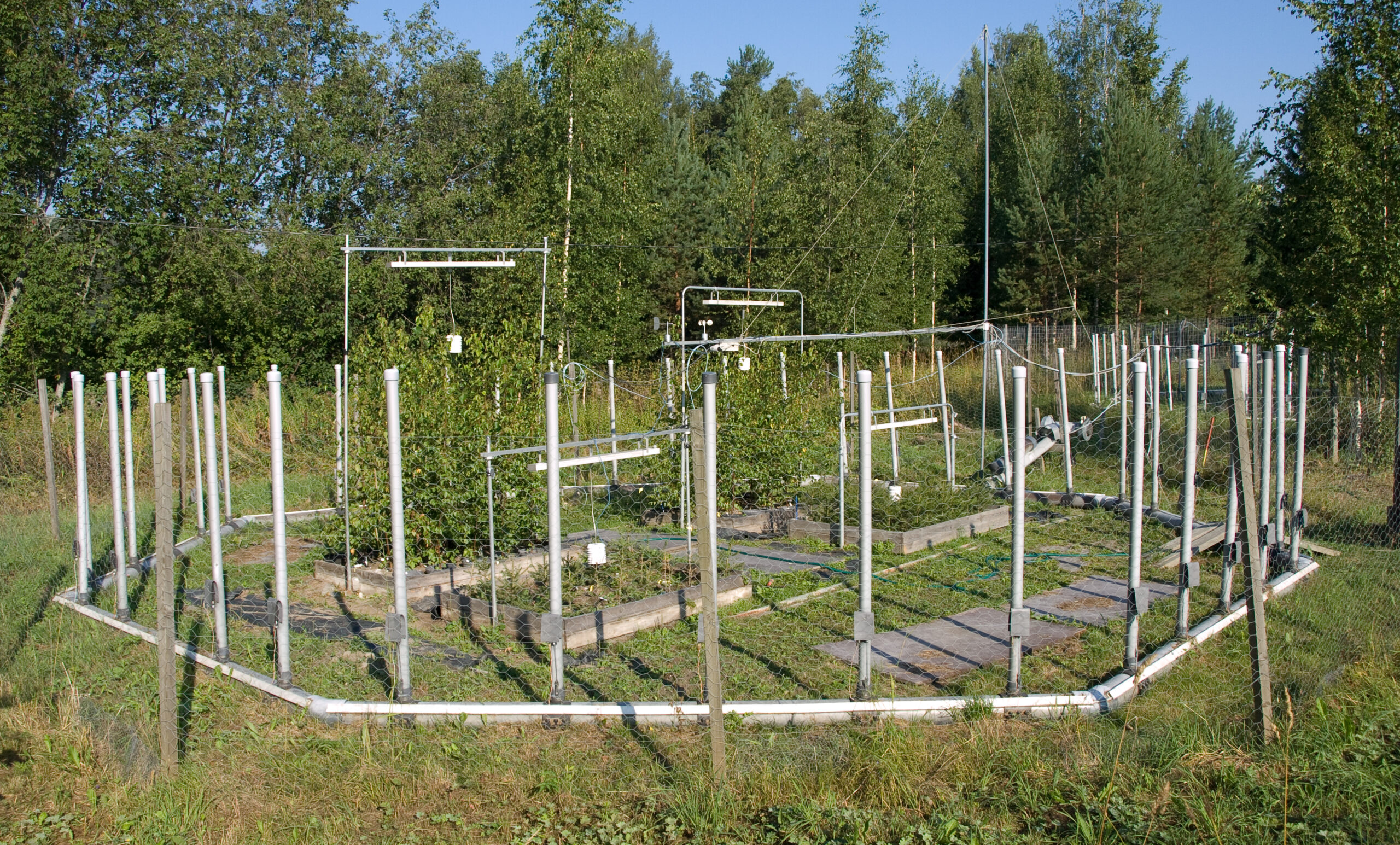
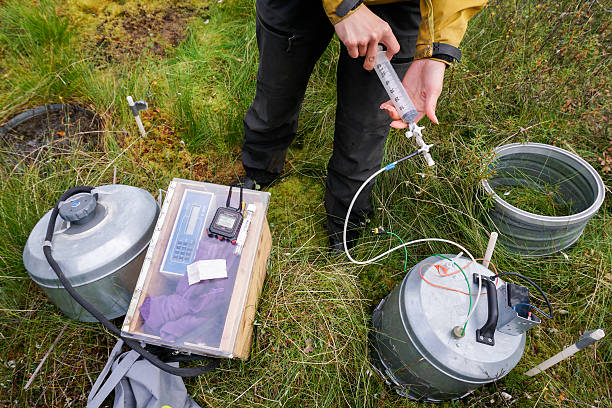
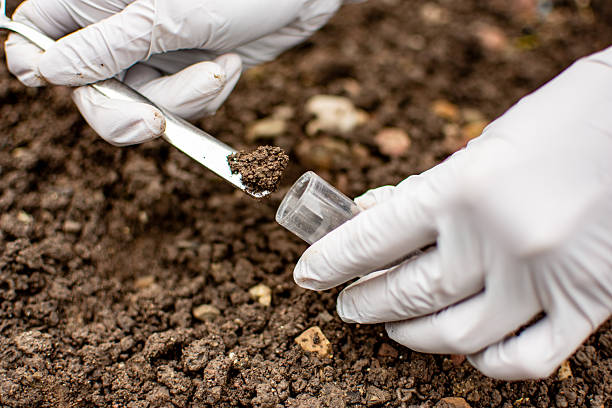
My perspective on these systems is shaped by field measurements I conducted during my research work, where I directly monitored tree growth and soil CO₂ flux in forest environments under natural field conditions. That work made the connection between aboveground growth and belowground carbon cycling very tangible.
What Short-Rotation Coppice Actually Is
Short-rotation coppice (SRC) is a system where trees are planted at high density and harvested every 2–5 years. Instead of replanting after harvest, the root system remains intact, allowing new shoots to regrow from the stump.
That underground component is not passive, it is the functional core of the system.
In field-based forest measurements I conducted, soil respiration and root activity consistently showed that belowground systems respond rapidly to changes in temperature and growth conditions. When aboveground biomass increases, belowground carbon flux typically increases as well.
A well-managed SRC system can remain productive for decades, producing a continuous stream of woody biomass for energy use.
Willow and Poplar: Two Different Biological Strategies
Willow is generally more tolerant of wet, cool, and oxygen-limited soils. It can maintain growth under conditions where root-zone oxygen availability is restricted, which makes it especially suitable for marginal or waterlogged land.
Poplar performs best under more favourable conditions. It achieves higher yields on fertile, well-drained soils and typically produces taller, more uniform stems. However, its performance declines quickly when soil aeration becomes limited.
In practice, this distinction is often more important than theoretical yield differences. A mismatched site can completely override genetic or management advantages.
Growth and Carbon: What Happens Belowground
SRC systems are often described in terms of biomass production, but that only captures part of the system.
The more important dynamics occur belowground, where roots and microbial communities regulate carbon exchange between soil and atmosphere.
During my field measurements of soil CO₂ flux with silver birch, temperature consistently emerged as a dominant driver of respiration rates. Even relatively small increases in temperature led to measurable increases in soil CO₂ efflux.
This relationship is important for SRC systems because faster-growing stands are typically associated with higher belowground metabolic activity. In other words, increased biomass production is closely linked to increased carbon cycling in soils.
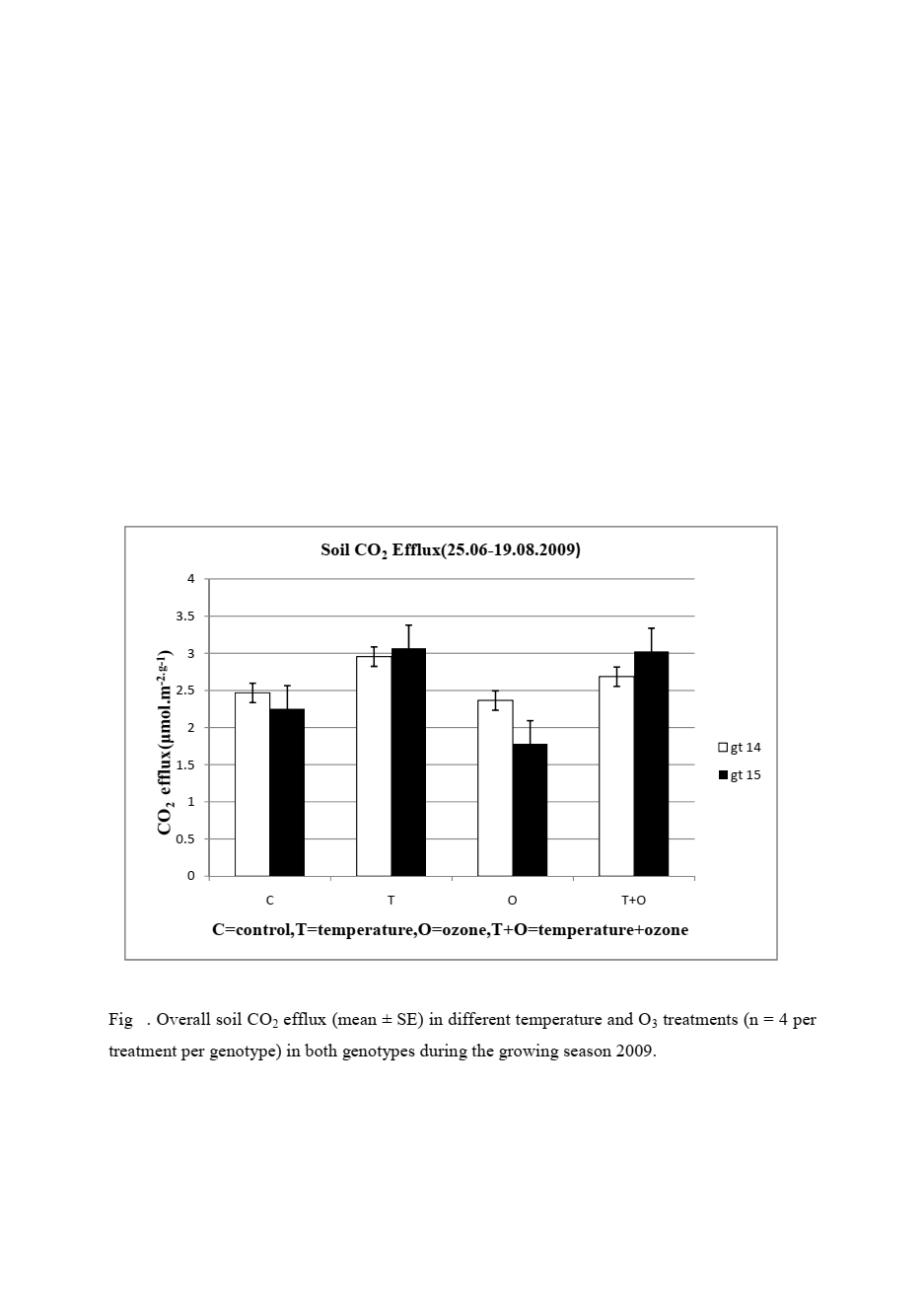
This pattern is also consistent with what I observed in my field research on silver birch (Betula pendula), where warming conditions increased both tree growth and soil respiration. That coupling helps explain SRC behaviour, since willow and poplar systems operate under similar physiological constraints.
Rather than acting as simple carbon storage systems, SRC plantations function as fast carbon cycling systems between vegetation and soil.
Moisture Content: The Practical Constraint
One of the most overlooked limitations in SRC systems is not biological productivity, but moisture content at harvest.
Fresh biomass often contains high water content, which reduces combustion efficiency because a significant portion of energy is used to evaporate water rather than produce heat.
This means that real-world energy output depends not only on growth rates, but also on post-harvest handling, drying efficiency, and logistics. In many cases, these factors determine system performance as much as biological yield.
Field Reality: Where SRC Systems Fail
Across both research and applied systems, a consistent pattern emerges: failure is rarely caused by species alone.
More often, it results from system mismatch.
Common issues include planting Poplar on poorly drained soils, overestimating yield potential on marginal land, and underestimating the importance of belowground respiration and nutrient cycling. Moisture management and logistics are also frequently overlooked in system design.
From a systems perspective, SRC success depends less on theoretical productivity and more on whether the biological system is aligned with site conditions.
Summary
Willow and Poplar function as biological energy systems, but their performance is entirely context-dependent.
From field measurements of tree growth and soil CO₂ flux that I conducted during my research work, one pattern is consistent: aboveground productivity cannot be separated from belowground carbon cycling. When growth increases, soil respiration and carbon turnover also increase.
SRC systems succeed when this entire biological loop is aligned with site conditions. They fail when only aboveground yield is considered.
Bioenergy from SRC is therefore not just about growing trees, it is about managing a coupled soil–plant–atmosphere system where carbon is continuously moving.
FAQs
What is Short-Rotation Coppice (SRC)?
SRC is a biomass production system where fast-growing trees are harvested every 2–5 years while the root system remains intact, allowing regrowth from the stump.
Which is better for bioenergy: Willow or Poplar?
Neither is universally better. Willow performs more reliably on wet or marginal soils, while Poplar achieves higher yields on fertile, well-drained land. Site conditions determine performance more than species choice.
Why does Willow tolerate wet soils better than Poplar?
Willow can maintain root function under low-oxygen conditions, while Poplar is more sensitive to oxygen limitation in the root zone, which restricts growth in waterlogged soils.
Why is soil respiration important in SRC systems?
Soil respiration reflects root and microbial activity, which controls carbon movement between soil and atmosphere. In my field measurements, it was highly sensitive to temperature and closely linked to overall system productivity.
Is SRC carbon neutral?
Not in a simple sense. SRC operates as a fast carbon cycle: carbon is absorbed during growth, released during combustion, and partially stored in soils through root systems. Net balance depends on management, soil conditions, and processing efficiency.
What limits SRC efficiency most?
In practice, the main limitation is not growth rate, but system losses, especially moisture content at harvest, drying efficiency, and site suitability.