





Why do some plants build massive amounts of tissue while others struggle?
Spend time observing plant growth in the field, and this question comes up quickly. The answer usually isn’t just one factor, it’s how efficiently a plant turns light, carbon dioxide, and water into actual biological material. That process is what we call biomass production, and it sits at the center of how ecosystems function.
Beyond the Visible: What Biomass Actually Represents
At its simplest, biomass is the dry weight of a plant. But in practice, it tells us much more than that. When a plant takes in carbon dioxide (CO₂), it uses that carbon to build its leaves, stems, and roots.
So instead of thinking about growth as just getting bigger, it helps to see it as carbon being taken from the air and stored in plant tissue.
I like to think of it as a “carbon economy.” Photosynthesis is the income, but how the plant spends that income, its allocation is what determines its survival.
Leaves: These are the solar capture panels.
Stems: This is the structural competition, getting higher into the light.
Roots: This is the resource acquisition.
If a plant invests too much in leaves but not enough in roots, it will struggle when water becomes limited. This balance between above- and below-ground growth is what we are often observing when we assess ecosystem health.
Field Experience: What the Boreal Forest Taught Me About Carbon
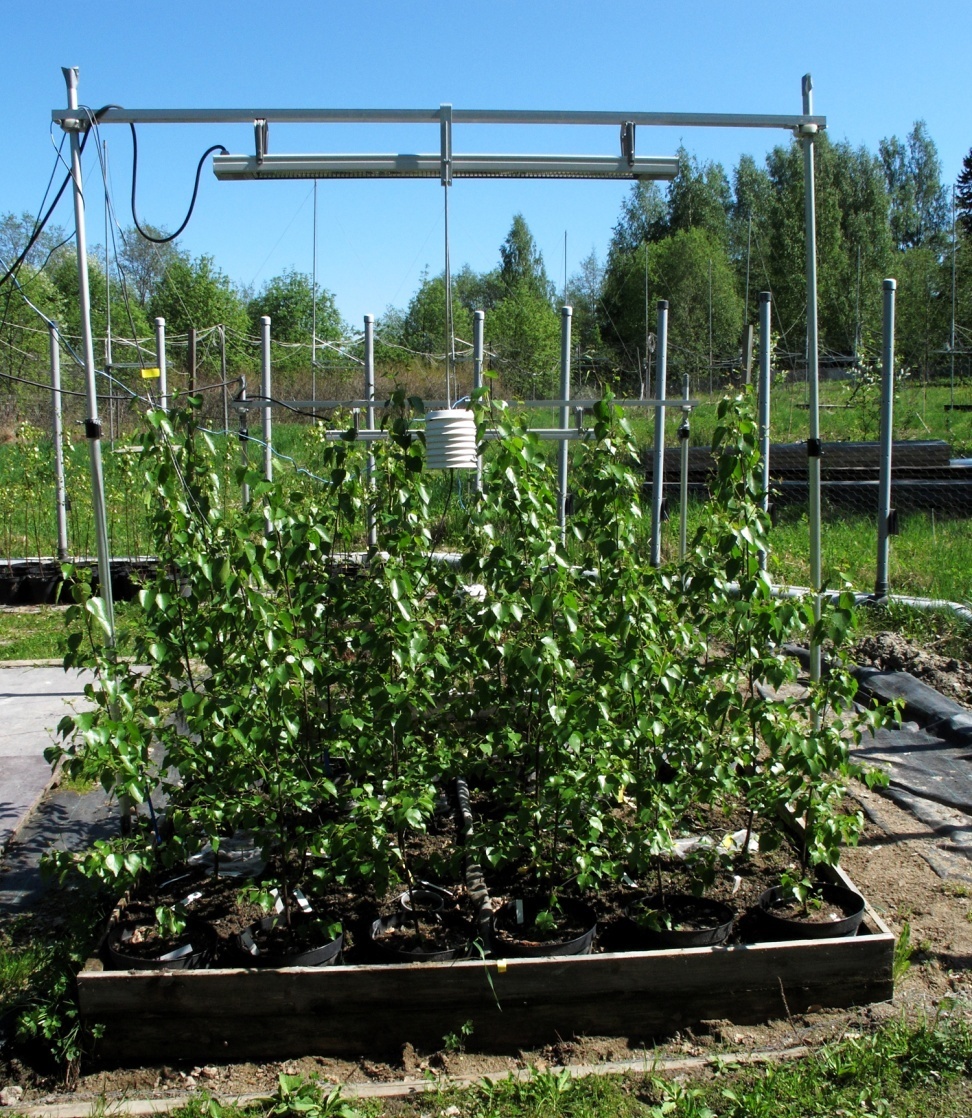
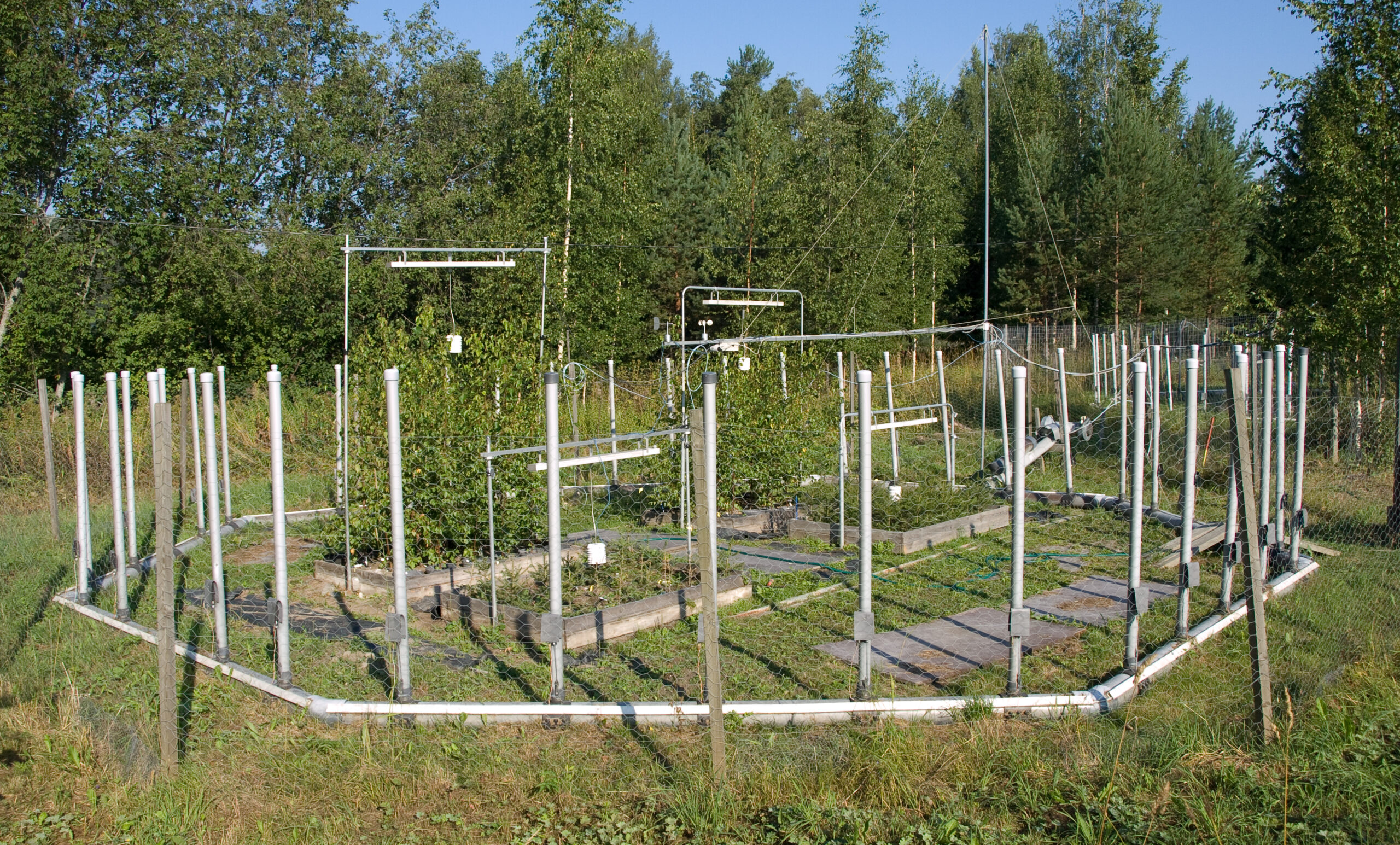
During my research work, I didn’t just study growth; I watched it happen under stress. We boosted temperatures by a mere 0.9°C.
Well that sounds small i guess. In the field, it triggered a 9% peak in height during the middle of the season.
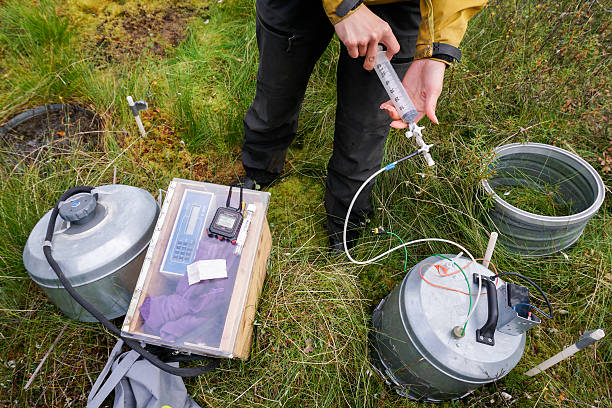
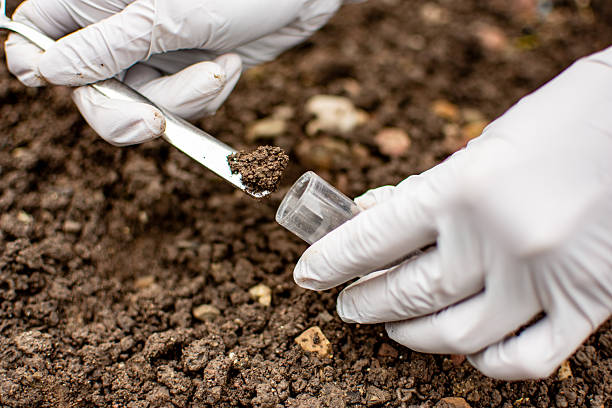
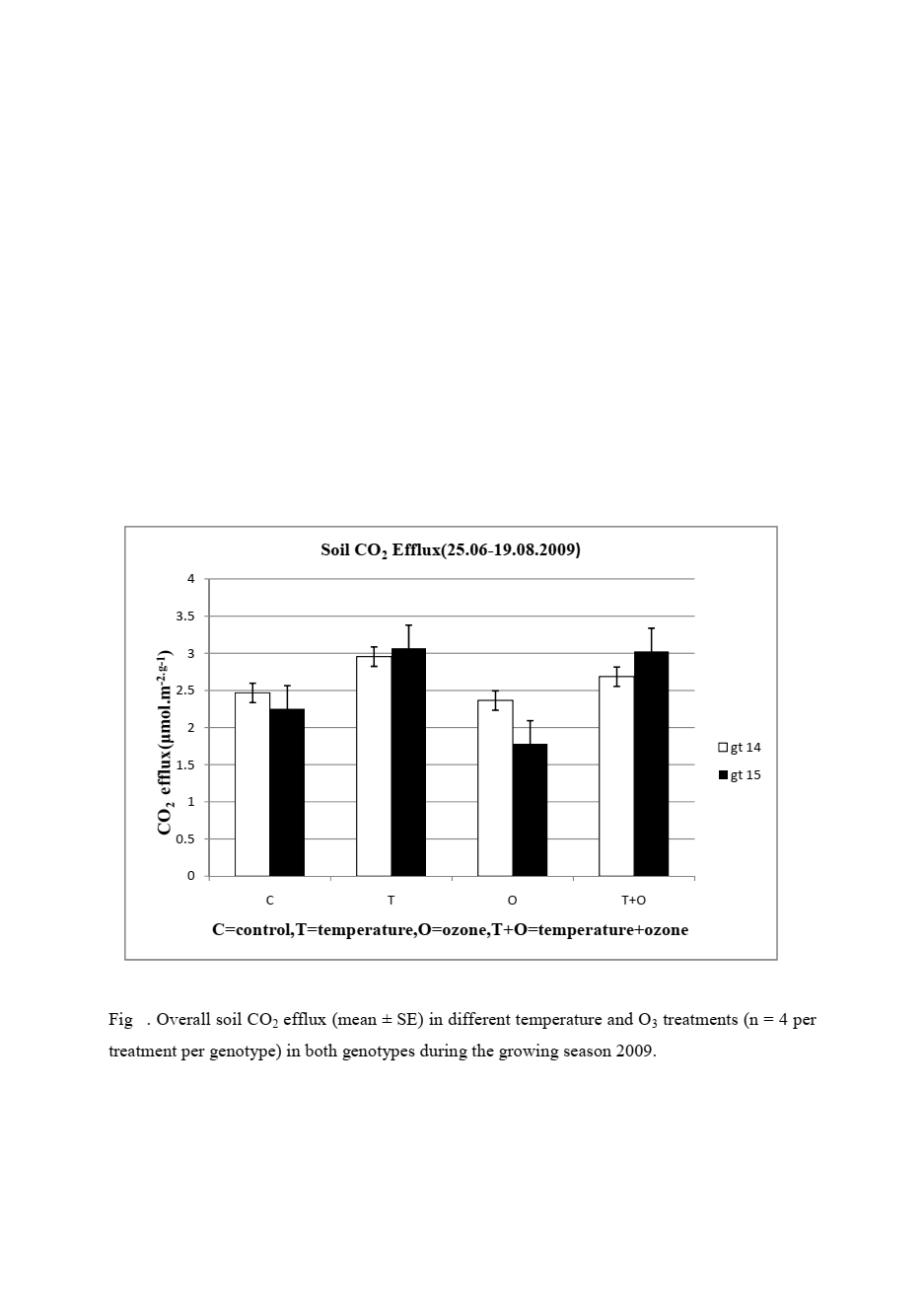
But the real story was happening where we couldn’t see it. Soil carbon dioxide (CO₂) efflux, the breath of the roots and microbes increased by 36% in certain genotypes.
Environmental Stress: Ozone and the Cost of Growth
A plant’s biomass isn’t permanent. It is continuously challenged by external factors like pests, weather, and pollution. Take tropospheric ozone, for example. It’s a powerful oxidant that sneaks in through the leaf pores.
Once it’s in, it starts wrecking the photosynthetic machinery. The plant then has to divert energy away from building wood and into “repair mechanisms.” It’s basically a tax on biomass.
However, plants have this amazing antioxidant defense system. They produce VOCs (Volatile Organic Compounds) to protect themselves.
What was interesting in my research was that moderate warming actually helped the plants fight off the ozone, the heat gave them the metabolic “kick” they needed to produce those defenses.
The North: A Global Carbon Anchor
The Boreal forest acts as one of the planet’s most significant carbon anchors. In these cold climates, nature is slow to let go; decomposition happens at a crawl, meaning the biomass built by these birches stays locked in the ground for a very long time.
However, because these forests are “temperature-limited,” they serve as the canary in the coal mine for climate change. My research highlighted a delicate trade-off: while a slight increase in warmth encourages the trees to grow, it also wakes up the soil. As the ground warms, soil respiration speeds up, releasing carbon back into the air.
We are left with a critical question: are we actually storing more in the trees than we are losing through the soil’s “breath”? That remains the ultimate challenge for understanding the future of our northern forests.
Below the Surface: What the Roots Reveal About Growth
Root architecture: Fine roots hold the soil together and help prevent erosion.
The rhizosphere: Plants send up to 40% of their fixed carbon into the soil to feed microbes. You can think of this as “liquid biomass.” Over time, this process helps build soil fertility.
Conclusions
Biomass production is so much more than a weight measurement. It’s a fundamental driver of environmental stability. By shaping the soil, buffering the microclimate with canopy shade, and providing the physical habitat for biodiversity, plant growth is basically engineering the planet’s health.
My field measurements always come back to one thing: balance. The relationship between the growth we see above ground and the carbon flux we don’t see below ground is delicate. As the climate shifts, understanding how trees like the Silver Birch build that biomass is going to be the key to managing our forests and protecting the global carbon cycle.
FAQs
Why do producers have the most biomass?
It comes down to thermodynamics. Energy is lost as heat at each step of the food chain. Because of this, plants (producers) need the largest biomass base to support all higher levels, like insects, birds, and humans.
How do scientists measure biomass without cutting down trees?
We can’t just weigh a tree, so we use allometric equations. Researchers measure things like tree height and trunk diameter, then use formulas to estimate total biomass.
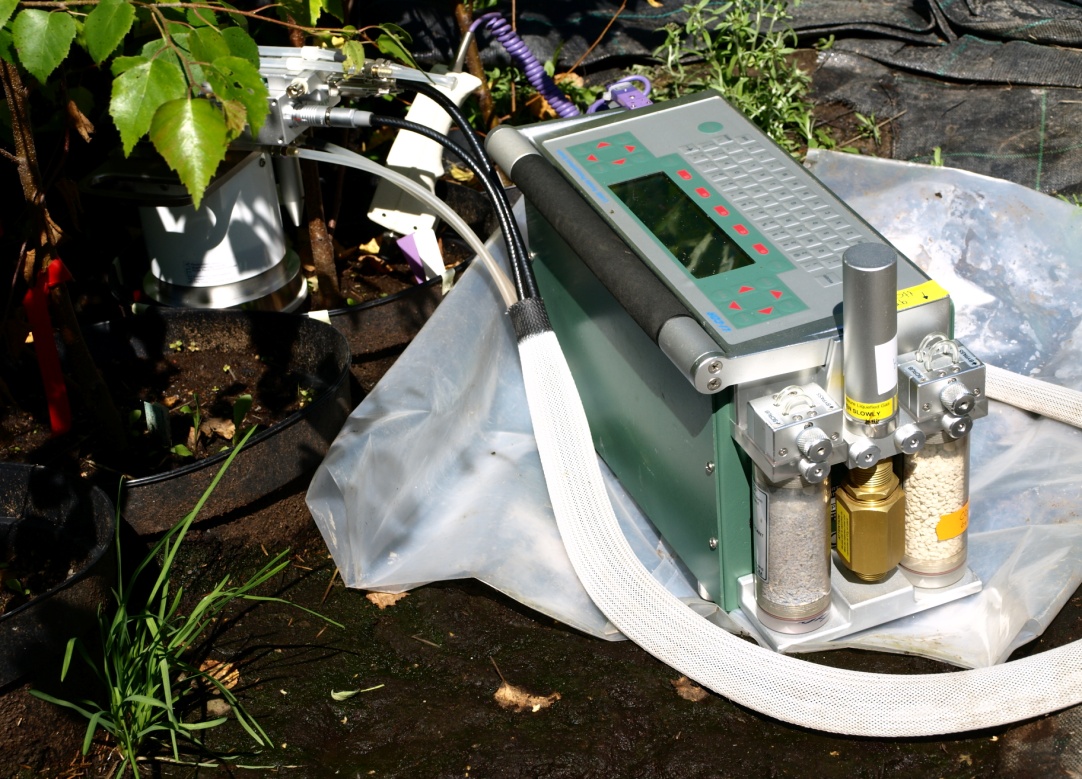
For real-time activity, tools like the LI-COR 6400 measure how much CO₂ a leaf is absorbing, almost like a stethoscope for plants.
Does biomass production release Carbon dioxide?
Yes. Living things respire. In my research, we found that as biomass increases, the “breath” of the soil increases too. It’s a critical part of the global carbon budget that often gets overlooked because it’s hard to measure.
