


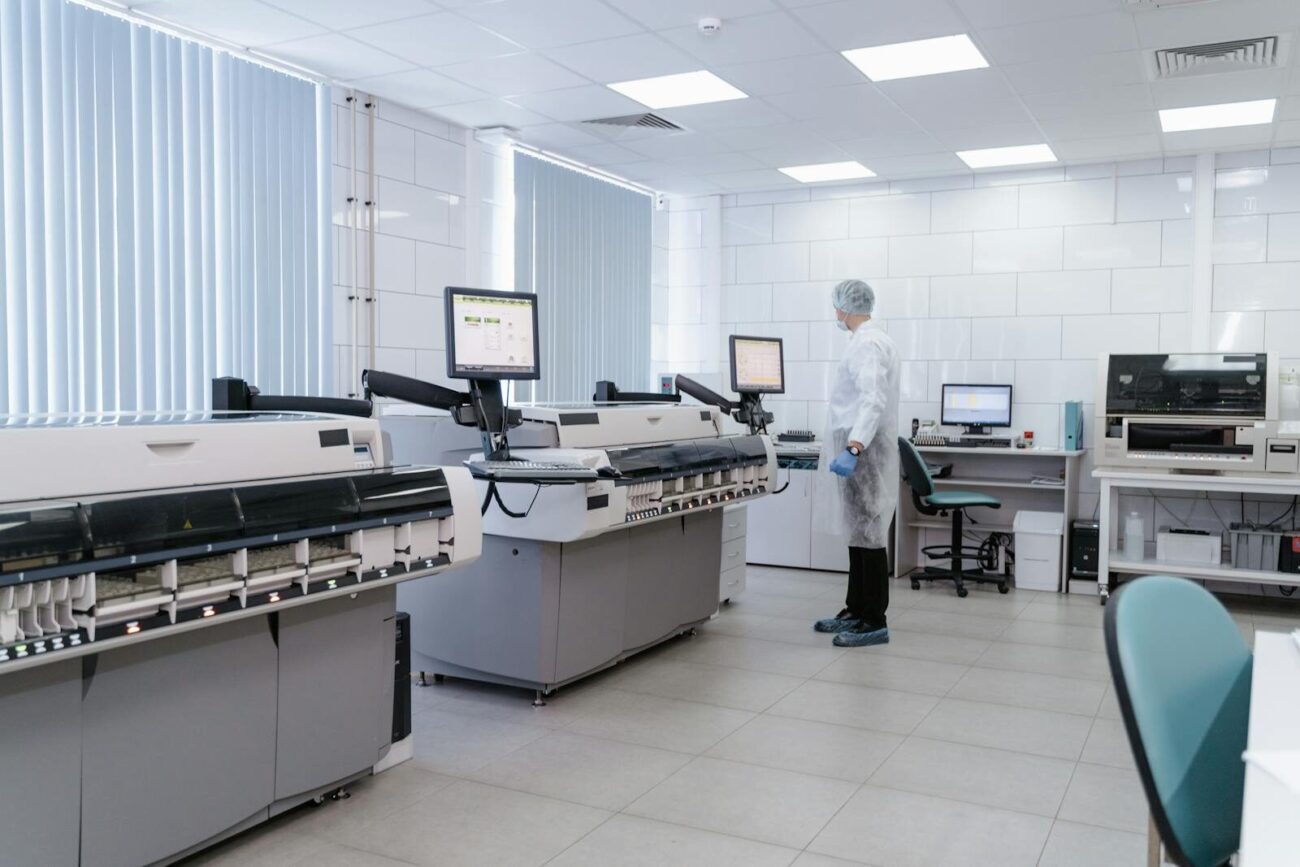

How does a pharmaceutical cleanroom stay completely free of germs while producing life-saving medicines?
Environmental monitoring is everywhere, but it looks very different depending on the field. In forests, we track trees, soil, air, and water. In factories or labs, sometimes we track the absence of life, like microbes in sterile cleanrooms. In climate research, we measure gases, temperature, and soil activity.
The goal is always the same: understand what’s happening so we can manage it.
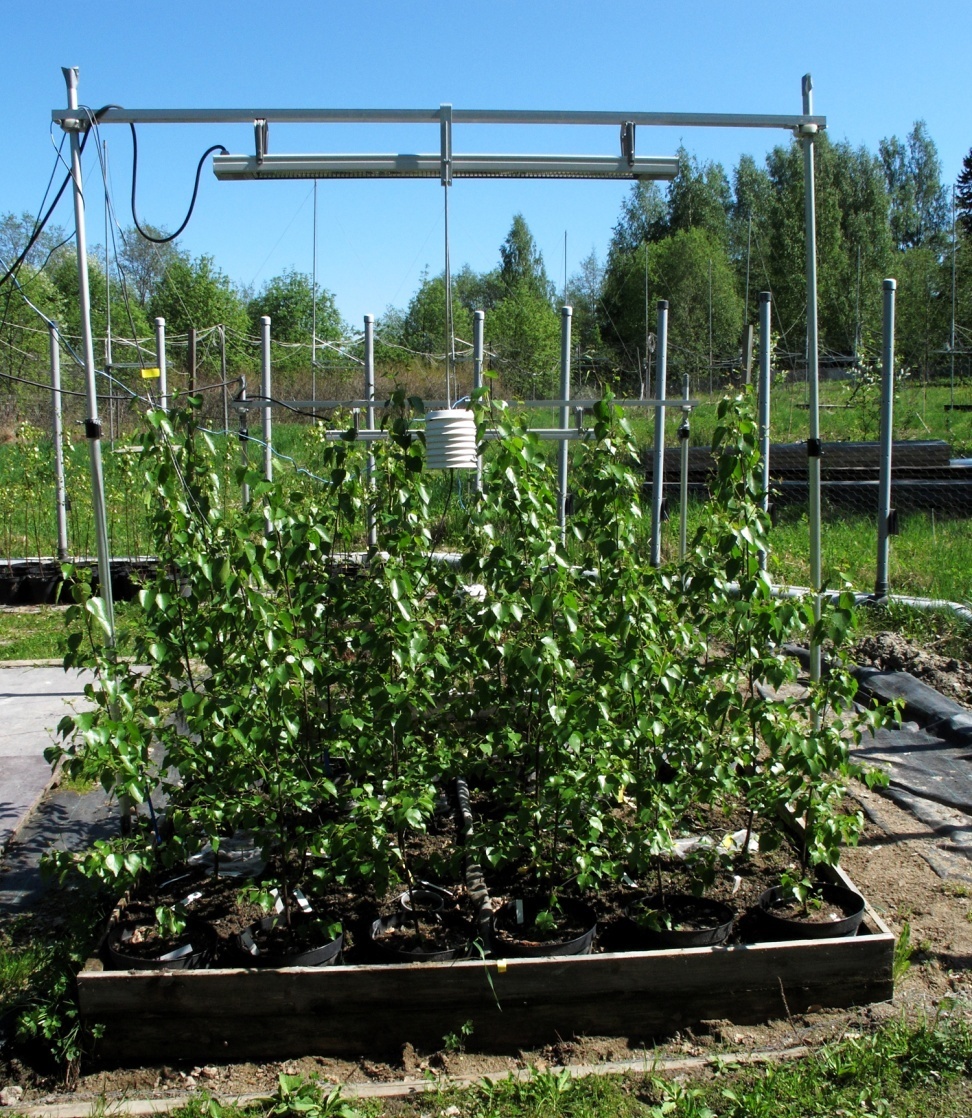
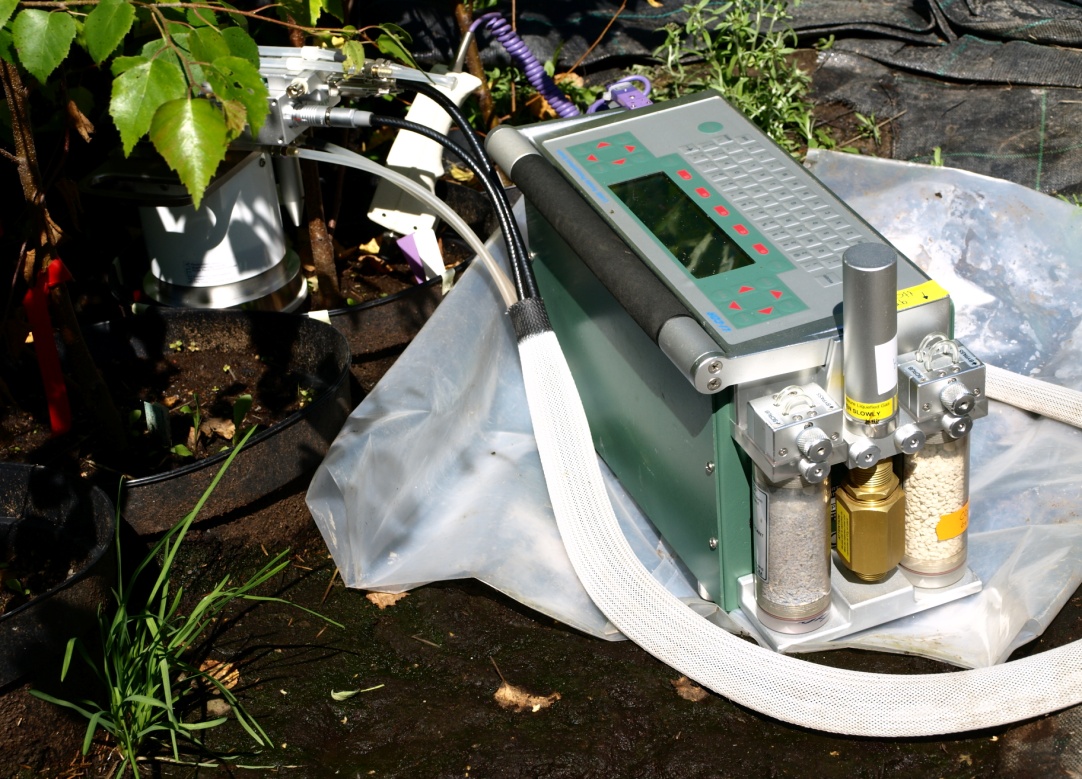
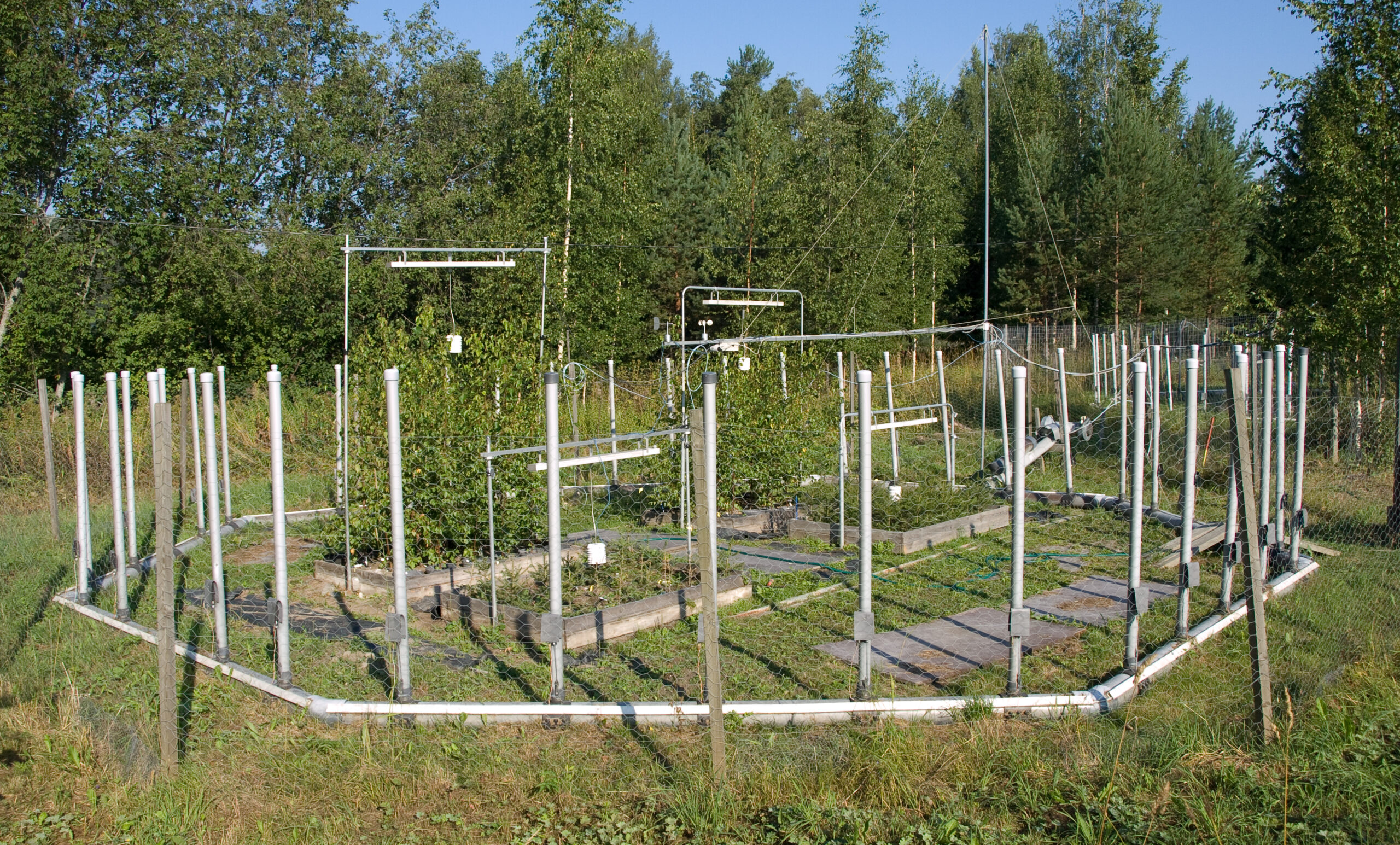
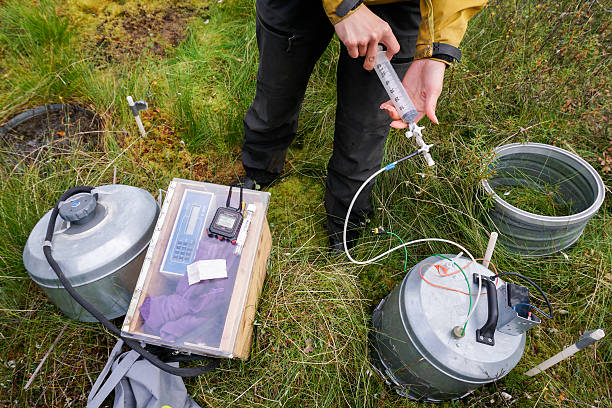
I’ve spent months doing environmental research with forests trees,especially silver birches, measuring soil respiration, tree growth, and calibrating sensors. Many of the same principles are used in labs, factories, and climate studies. Each sector has its own rules, tools, and ways to interpret data.
In this article, I will explain the operational process, the research group involved, the rigorous standards they follow, and why this work is so critical.
Environmental Monitoring in the Pharmaceutical Industry
Pharmaceutical production is high stakes. A single microbe can ruin a batch of medicine. I’ve been inside cleanrooms everyone is gloved, masked, and careful not to touch anything unnecessarily. It’s strict, but necessary.
Key Practices:
Air Sampling: Pumps draw air across agar plates to detect microbes. It shows what’s floating around that we can’t see.
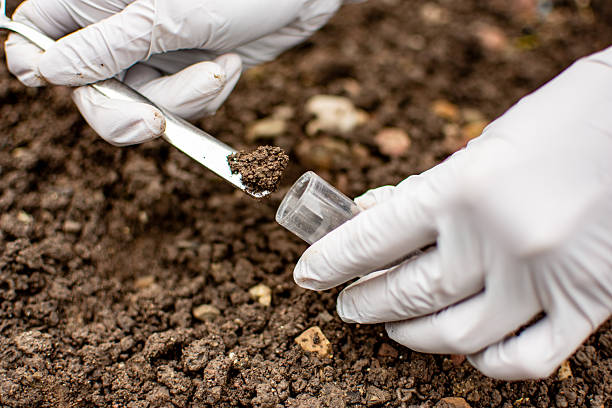
Surface Sampling: Swabs test benches, walls, or equipment. I remember testing a bench and seeing no growth, it’s always reassuring when the cleaning works.
Particle Counting: Optical counters track dust and small particles that could carry germs. Even tiny particles matter.
Temperature and Humidity Control: Keeping conditions stable prevents microbial growth.
Cleanroom Microbiology:
Count CFUs (colony-forming units) from exposed agar plates.
Compare results to WHO or ISO standards.
Sampling is frequent, hourly or daily, depending on production.
Why its important:
Prevents contamination of medicines.
Ensures regulatory compliance.
Provides records for audits.
Environmental Monitoring and Assessment (EM&A)
Collecting data alone isn’t enough. Assessment is what makes the data useful.
Components:
Monitoring: Systematic measurement of air, water, soil, or organisms.
Assessment: Look at trends to determine risks or compliance issues.
Examples:
Forests: Soil CO₂ and tree growth measurements show ecosystem health. High ozone levels indicate stress.
Pharma: Microbial counts show whether cleanrooms are sterile and if cleaning is sufficient.
Industry: Monitoring NOx or SO₂ indicates pollution levels and compliance.
Benefits:
Helps management make informed decisions.
Guides corrective actions.
Provides a scientific basis for reporting.
During one of my class practicals, I helped a research team identify a microbial hotspot near a stream. Adjusting our soil sampling schedule based on that discovery immediately improved our data quality. That is the essence of EM&A: using real-time data to drive better decisions.
Sector-Specific Applications
Environmental monitoring takes many forms, each tailored to the unique goals and regulatory requirements of the industry it serves.
Pharmaceutical Industry
Goal: Zero contamination.
Tools: Air samplers, particle counters, sterile swabs, incubators.
Data Analysis: Track CFU counts and trends over shifts or months. Peaks indicate extra cleaning is needed.
Standards: WHO, EU GMP, FDA.
Industrial and Manufacturing Settings
Goal: Reduce emissions, prevent hazards, comply with regulations.
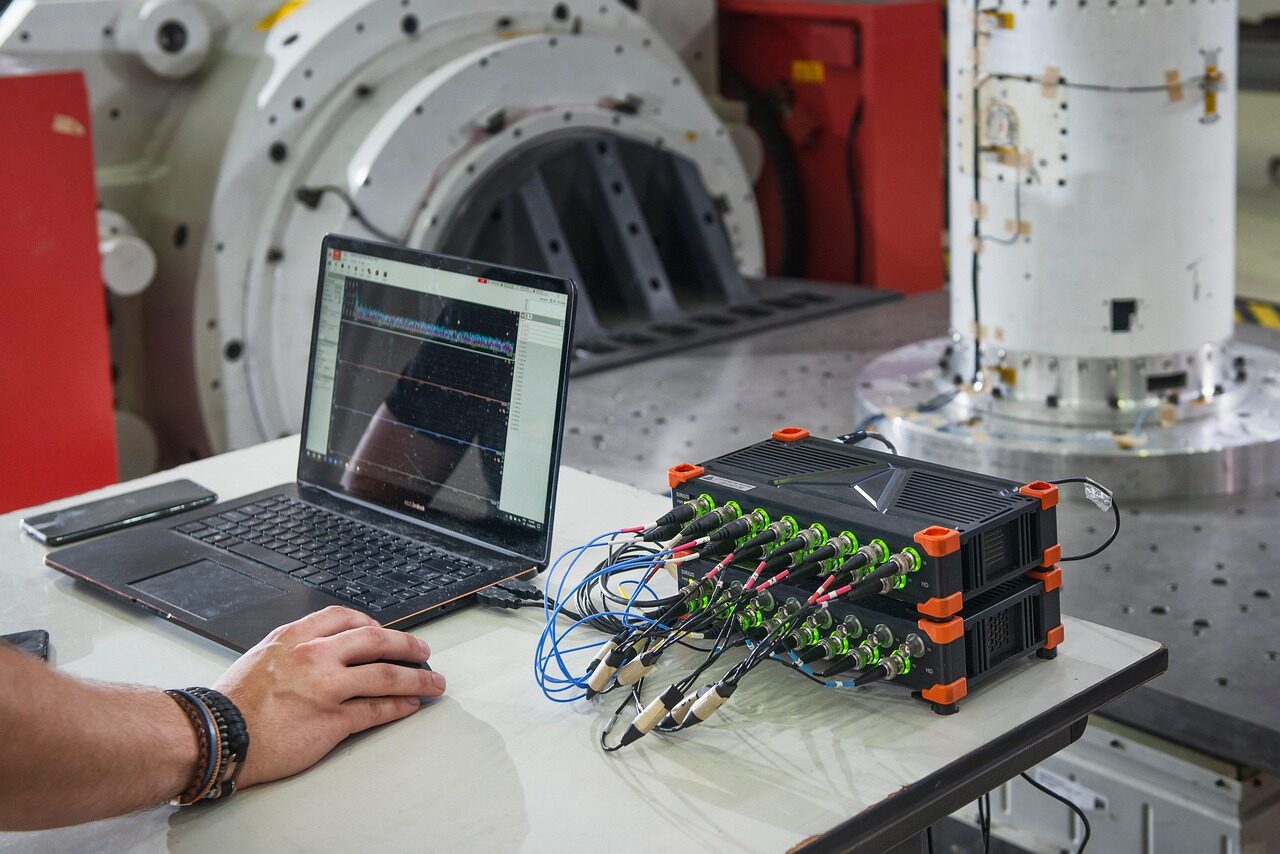
Tools: Gas analyzers (NOx, CO, O₂), dust monitors, temperature/humidity sensors.
Data Analysis: Hourly or daily logs detect spikes.
Standards: EPA, OSHA, local environmental laws.
Climate and Environmental Research
Goal: Track ecosystem changes and carbon cycles.
Tools: Soil CO₂ chambers, temperature/humidity sensors, weather stations.
Data Analysis: Excel or SPSS can identify trends over time.
Applications: Predict climate impacts, measure carbon storage, support forest management.
During silver birch research, soil sensors were connected to a central logger. Data flowed continuously for weeks. Seeing changes in soil CO₂ helped understand forest carbon cycles better.
Global Standards and Compliance
Monitoring follows strict standards:
WHO Guidelines: Key for pharmaceutical and microbiology work.
EPA Standards: Control industrial emissions.
ISO & GMP: Define safe limits for particles, microbes, and air quality.
Peer-Reviewed Research: Scopus-indexed studies confirm reliable methods.
Standards make data trustworthy, comparable, and defensible during audits or inspections.
Data Management and Trending
Modern monitoring produces a lot of data. Numbers alone aren’t enough, they need cleaning, analysis, and trending.
Process:
Collect data from sensors, loggers, or manual samples.
Clean data by removing errors or outliers.
Analyze data using software.
Trend results with graphs and averages.
Examples:
Pharma: Track microbial counts after cleaning or production.
Industry: Hourly NOx readings can reveal spikes or equipment issues.
Climate Research: Seasonal soil CO₂ shows long-term trends.
Who Performs Environmental Monitoring?
Successful monitoring relies on a diverse range of professionals, each bringing specialized expertise to ensure data integrity and safety.
Pharma: Microbiologists, lab technicians, quality officers.
Industry: Environmental engineers, industrial hygienists, inspectors.
Climate & Ecology: Scientists, forest biologists, data analysts.
Physical adjustments in the field, such as moving sensors or re-verifying samples, are essential to maintaining the integrity of the results.
Summary
Environmental monitoring matters across sectors. Accurate monitoring protects health, ensures compliance, and supports decision-making.
Each industry uses specific tools to track what matters most. By analyzing and trending this information, we turn simple measurements into useful insights. Following global standards ensures that our results are reliable and can be compared with data from anywhere in the world.
Whether we are monitoring sterile cleanrooms or wild forests, these programs help us manage our environment and the life within it responsibly.
FAQs
What is environmental monitoring in pharmaceuticals?
Testing air, surfaces, and sometimes water to keep medicines sterile. Even small microbes or dust can ruin products.
What is environmental monitoring in microbiology?
Using plates, incubators, and air samplers to check controlled environments for bacteria or fungi. The goal is to know what’s there and prevent it from spreading.
What is Environmental Monitoring and Assessment (EM&A)?
Monitoring is collecting data like microbial counts or soil CO₂. Assessment is analyzing that data to understand trends, risks, and compliance. Together, it helps make informed decisions.
Who performs environmental monitoring?
Lab technicians and microbiologists in pharma, engineers and hygienists in industry, scientists in climate research.
Why are global standards important?
Standards like WHO, EPA, ISO, and GMP make monitoring consistent, accurate, and defensible. Results can be compared across locations or time.
