
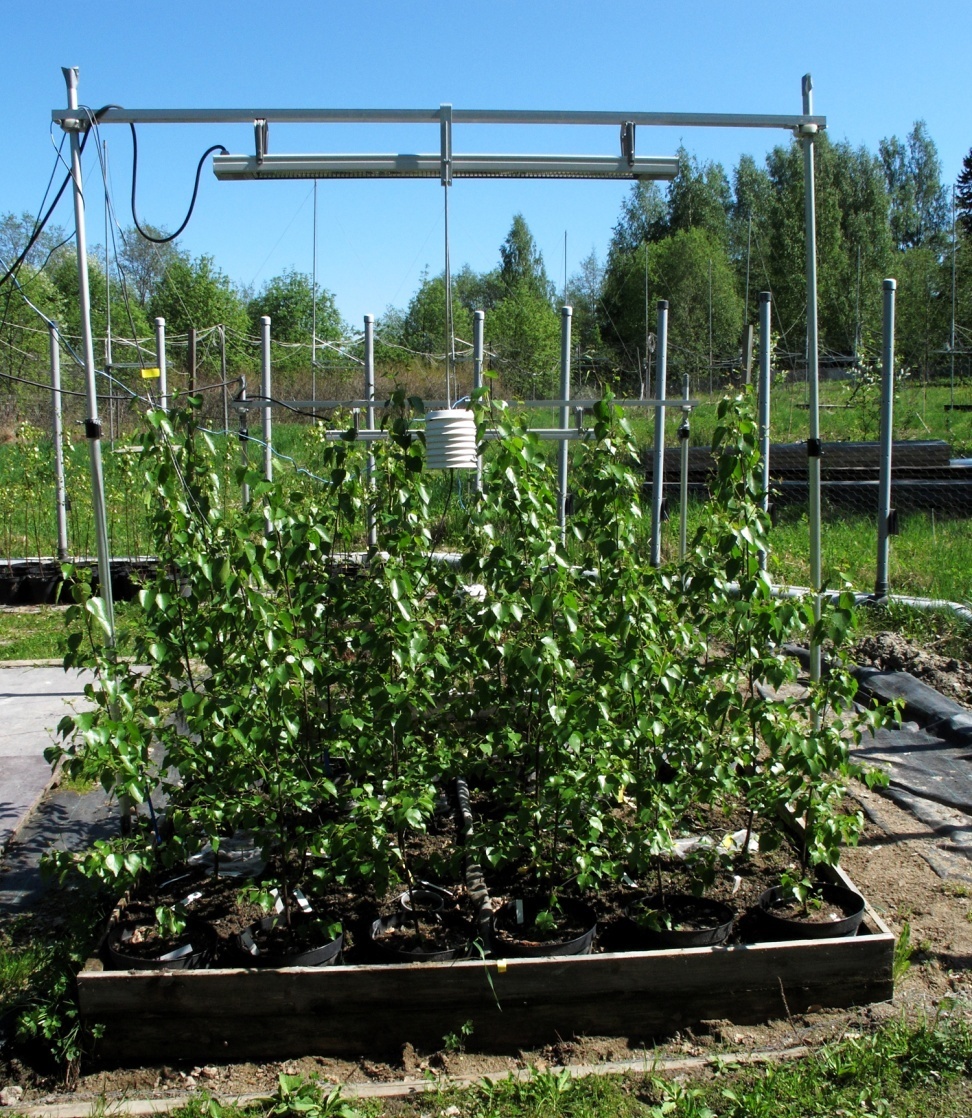
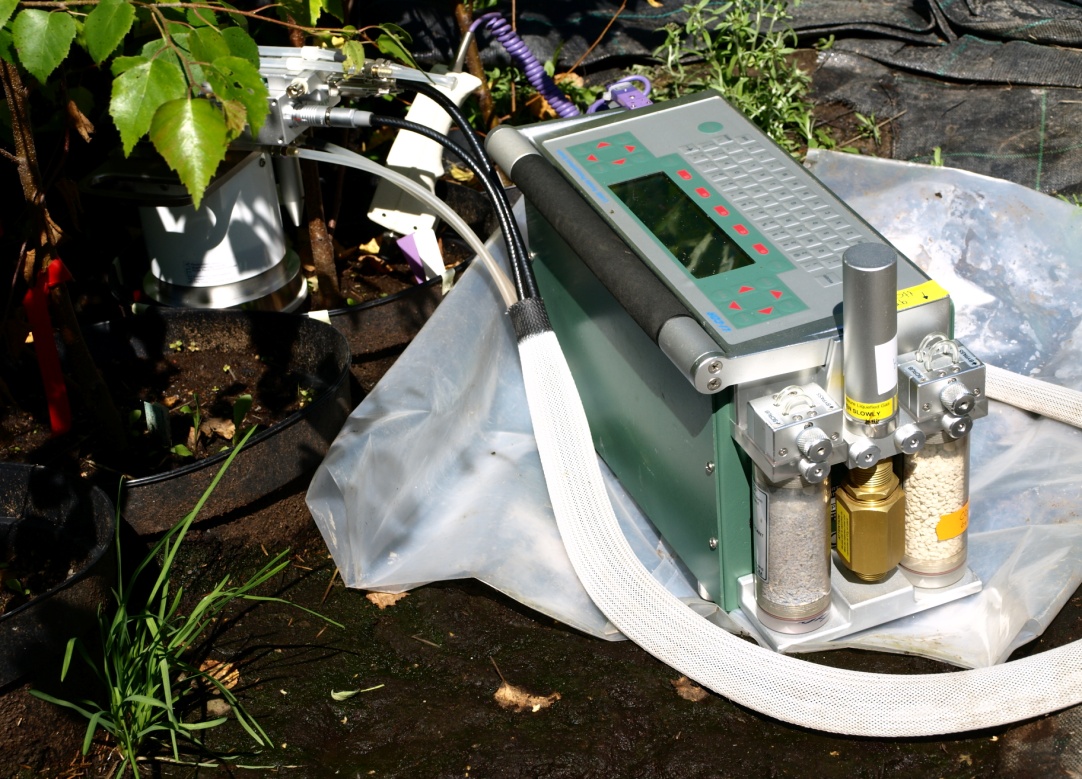
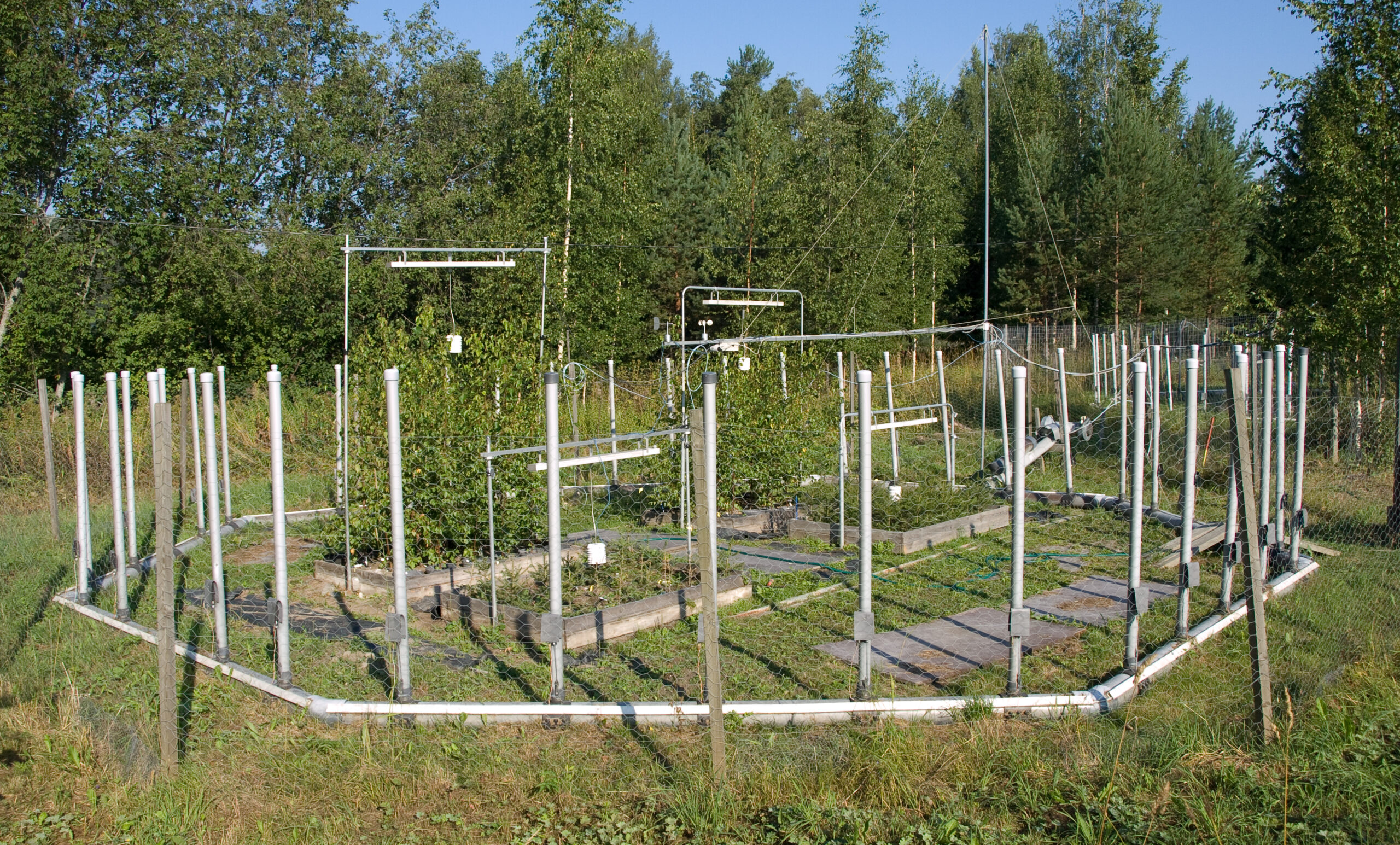
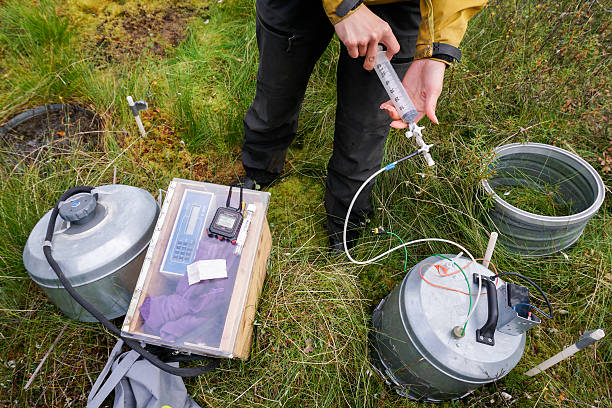





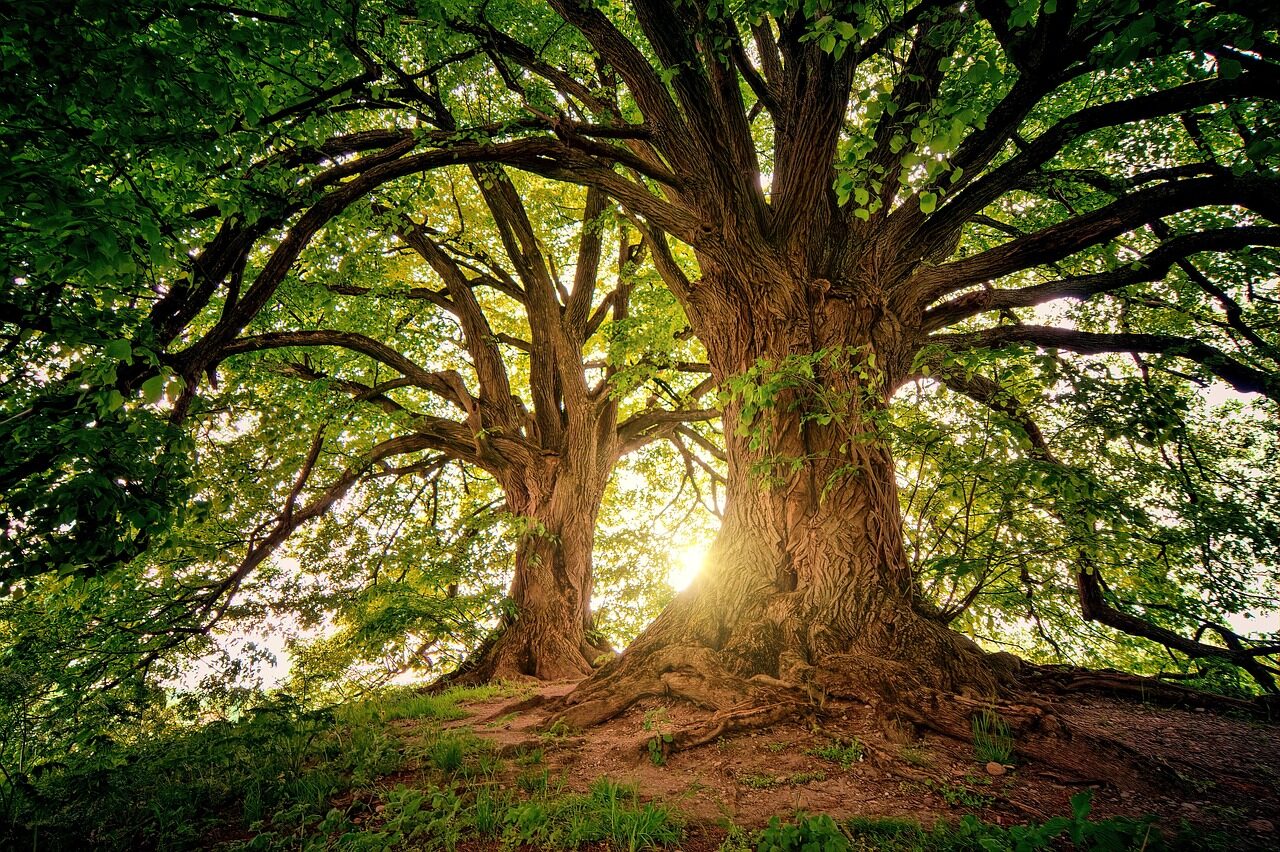
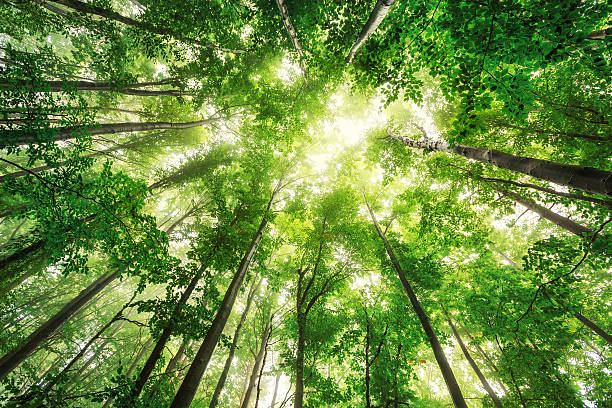
Small differences in soil conditions and canopy structure can affect carbon fluxes in forest ecosystems.
During field measurements, this variability became evident. Observing these patterns first-hand reinforced that trees are active participants in regulating environmental processes, not passive elements of the landscape.
Trees as Carbon Regulators
Trees are central to the global carbon cycle. Through photosynthesis, they absorb atmospheric CO₂ and convert it into biomass stored in stems, branches, leaves, and roots. This carbon storage mitigates greenhouse gas accumulation and helps slow climate change.
In addition to storing carbon above-ground, trees influence soil carbon dynamics. Leaf litter, root exudates, and decaying woody material feed soil microbes, supporting microbial respiration and nutrient cycling.
During my measurements on silver birch I noticed that higher leaf area and denser root systems corresponded with increased soil CO₂ efflux.
This is a clear indication that above-ground growth directly affects below-ground carbon cycling in these forests.
Influence on Microclimate
Trees regulate local microclimates in forests. Leaf canopies reduce sunlight penetration, maintaining cooler soil temperatures and reducing evaporation. This shading effect helps stabilize soil moisture, which in turn supports microbial activity and root function.
Transpiration from leaves also contributes to local humidity and cooling. In mature forests, this process can lower air temperatures beneath the canopy by several degrees compared with open areas. Such microclimate regulation is critical for maintaining biodiversity and supporting sensitive understory vegetation.
In field conditions, I observed that moderate temperature increases slightly amplified soil respiration under denser canopies. This provides clear evidence that canopy structure and leaf area can regulate microclimate effects on soil processes.
Soil Stabilization and Water Cycling
Roots anchor soil, reducing erosion during heavy rainfall. Fine roots create channels that enhance water infiltration, maintaining soil structure and preventing nutrient loss. Forest soils under established trees often have improved porosity and water retention, benefiting both plants and microbes.
Through these mechanisms, trees actively regulate the hydrological cycle. By intercepting rainfall, slowing surface runoff, and facilitating infiltration, they reduce flooding risks and maintain groundwater recharge, contributing to ecosystem resilience.
Trees and Biodiversity Support
Forests provide habitat complexity that supports countless species. Trees create vertical layers of habitat, from canopy to understory, offering shelter and foraging opportunities for insects, birds, mammals, and fungi. Leaf litter and woody debris further enhance soil biodiversity, fostering nutrient recycling and ecosystem stability.
Tree diversity also contributes to resilience against stressors. Mixed-species forests often show more stable carbon fluxes and soil properties than monocultures, reflecting complementary interactions among root systems, leaf architecture, and microbial communities.
Carbon Sequestration and Soil Respiration
Trees influence the exchange of carbon between the atmosphere and the soil. Leaf litter and root turnover supply organic carbon to soils, fueling microbial respiration and soil CO₂ flux. Variability in these fluxes depends on species composition, tree density, soil type, and environmental conditions.
Field observations indicate that areas with higher biomass and leaf coverage generally have stronger soil respiration. These findings illustrate the feedback loops between above-ground growth and below-ground carbon cycling, highlighting the role of trees in regulating ecosystem carbon budgets.
Trees and Air Quality
Trees interact with atmospheric pollutants. Through stomatal uptake and surface deposition, they remove particulate matter and certain gaseous pollutants from the air. Forests with high leaf area indices can significantly reduce local air pollutant concentrations, improving air quality for surrounding environments.
Beyond pollutant capture, trees influence atmospheric chemistry indirectly. Volatile organic compounds (VOCs) emitted by leaves can affect the formation of secondary organic aerosols while also serving as a protective mechanism against stressors such as ozone or drought. These processes underscore the multiple ways trees contribute to maintaining environmental balance.
Temperature and Stress Mitigation
Forests help buffer temperature extremes. Canopy shading reduces soil heating, while transpiration lowers air temperature. This cooling effect can alleviate stress on understory plants, soil organisms, and young seedlings.
Field monitoring confirms that canopy structure, leaf area, and root density all influence how trees mediate temperature and soil moisture, showing that forests actively buffer environmental stress rather than passively existing.
Broader Impacts on Ecosystem Function
The influence of trees extends beyond carbon storage and microclimate regulation:
Nutrient cycling: Leaf litter decomposition and root exudates supply organic matter to soil microbes, sustaining nutrient turnover.
Water regulation: Canopy interception, root infiltration, and transpiration maintain soil moisture and groundwater levels.
Erosion control: Root systems reduce soil displacement and maintain structural integrity.
Biodiversity support: Layered canopies and complex root systems provide habitat for diverse organisms.
By linking these processes, trees maintain ecosystem resilience and functionality, supporting both local and global environmental health.
Conclusions
Trees help the environment in multiple, measurable ways. They capture and store atmospheric carbon, regulate soil processes, stabilize water cycles, buffer temperature extremes, improve air quality, and support biodiversity.
Field measurements from my research work reinforce these observations, showing that leaf area, canopy density, and root networks influence soil carbon flux and microclimate regulation.
Observing these patterns firsthand demonstrates that trees actively maintain environmental stability rather than passively existing in forests.
By shaping soil, air, water, and living habitats, trees are vital engineers of healthy ecosystems.
FAQs
How do trees affect soil CO₂ flux?
Tree roots and leaf litter supply carbon to soil microbes, which drives CO₂ efflux. Denser canopies and larger leaf area amplify this effect.
Can trees improve air quality?
Yes. Through stomatal uptake and deposition on leaf surfaces, trees reduce pollutants and contribute to cleaner air locally.
Do all tree species contribute equally?
No. Species with larger canopies, dense root systems, high leaf turnover generally influence carbon cycling and microclimate regulation more strongly.
How do trees stabilize soil?
Root networks bind soil particles, reduce erosion, and enhance water infiltration, supporting soil structure and resilience.
How do trees influence water cycles?
Through canopy interception, transpiration, and root-mediated infiltration, trees regulate soil moisture and groundwater recharge.
Why is biodiversity higher in forests?
Trees create vertical and horizontal habitat complexity, supporting numerous species across trophic levels.
Do trees buffer climate stress?
Yes. Shading and transpiration reduce temperature extremes, stabilize soil moisture, and support sensitive organisms.
